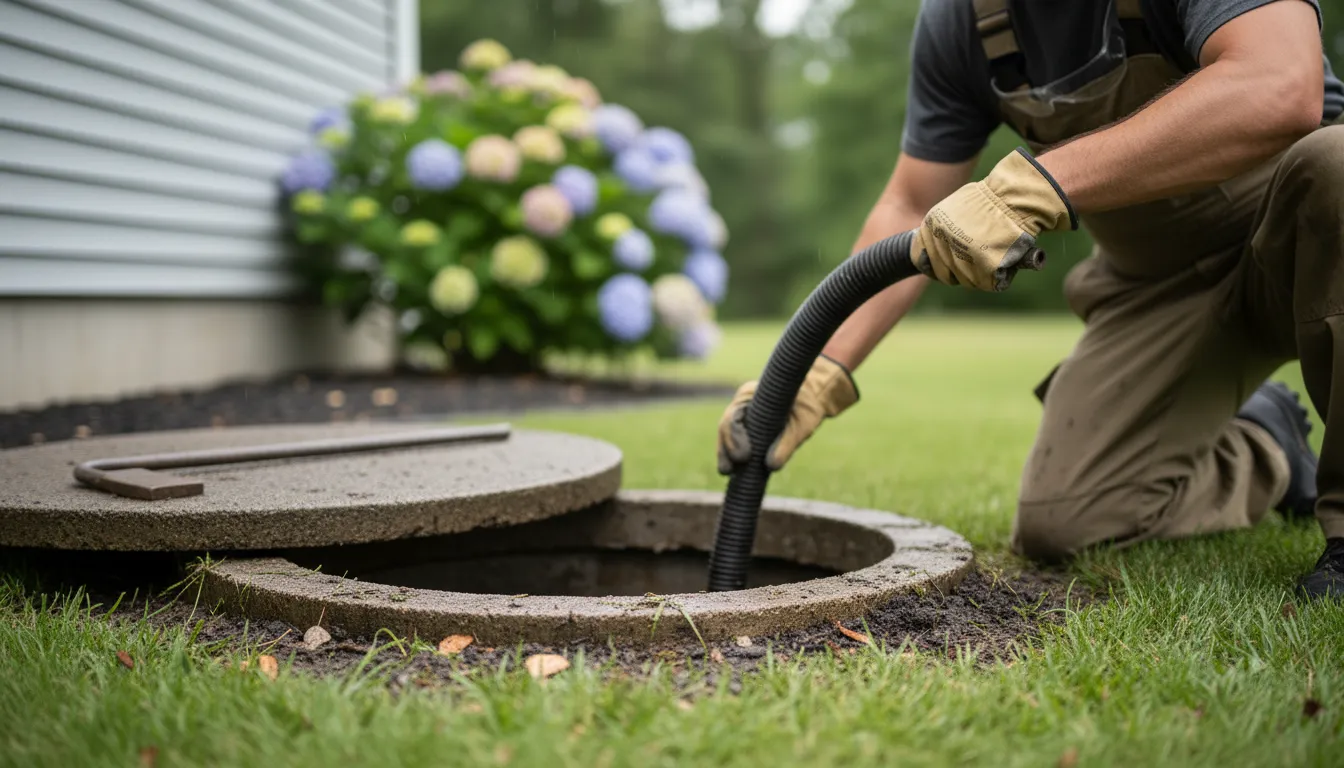
Find the Best Septic Tank Pumping Contractors for Your Business
No obligation • Fast responses • Nationwide coverage

Why you can trust Septic Spot
Septic Spot is a leading United States resource for understanding and comparing septic services. Our editors review providers using consistent criteria and verify key business details. Listings and scores are independent, and companies cannot pay to influence our content.
Search providers near you
Top Septic Tank Pumping Contractors in Franklin, Tennessee Ranked
Maintaining your septic system is a critical responsibility for any homeowner not connected to a municipal sewer line. Regular septic tank pumping is the most important preventative maintenance you can perform to avoid costly backups, property damage, and environmental contamination. This guide provides essential information for Franklin residents on how to properly care for your system, understand local regulations, and find qualified professionals for pumping, inspection, and repair services.
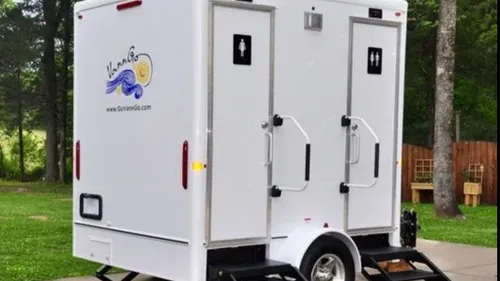
VannGo Luxury Mobile Restrooms & Portable Solutions
6817 Lebanon Rd, Murfreesboro, TN 37129
VannGo Luxury Mobile Restrooms & Portable Solutions is a family-owned company serving Nashville, TN, and surrounding areas with portable restroom and septic tank pumping services. They offer a range of portable toilet rentals including standard units, ADA-compliant restrooms, and luxury restroom trailers equipped with climate control and running water, suitable for events, construction sites, and long-term projects. Their PSAI-trained team also provides RV waste tank pumping to maintain hygiene on the go. Established in 2016, VannGo combines over 30 years of team experience to deliver comprehensive sanitation solutions tailored to local needs.
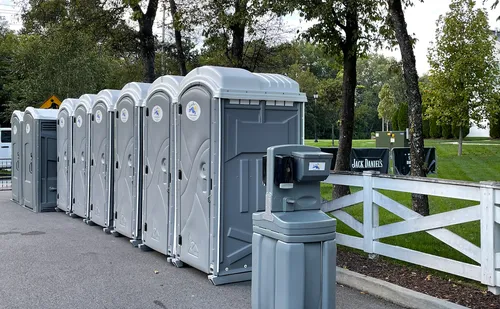
VannGo Luxury Mobile Restrooms & Portable Solutions
5016 Centennial Blvd Suite 200, Nashville, TN 37209
VannGo Luxury Mobile Restrooms & Portable Solutions is a family-owned company based in Nashville, TN, providing portable restroom and septic tank pumping services. They offer a variety of portable toilet rentals, including standard units and luxury restroom trailers with climate control and running water, suitable for events, construction sites, and long-term projects. Their team is PSAI-trained and experienced in RV waste tank pumping, ensuring hygienic and efficient service. Since 2016, VannGo has served Middle Tennessee with comprehensive sanitation solutions, including fresh water delivery and portable sinks.
Michael Shaver Plumbing, Septic, and Dirt Works
29 Industrial Park Dr, Hendersonville, TN 37075
Michael Shaver Plumbing, Septic, and Dirt Works provides septic tank pumping and inspection services in Nashville, TN. Serving Northern Middle Tennessee, the company also offers plumbing, irrigation, and land-clearing solutions. Established in 1981, they bring over 40 years of experience to their work. Their services include visual inspections and septic maintenance, with a focus on personalized customer care.
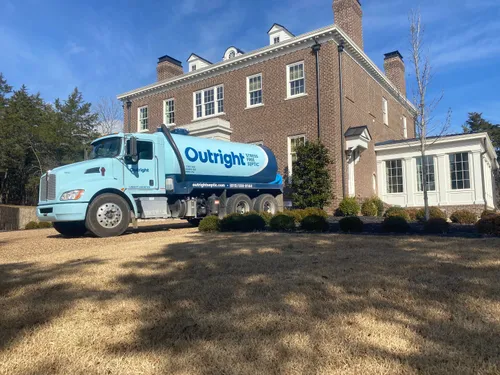
Outright Septic
Nashville, TN
Outright Septic is a septic tank pumping and inspection company serving Nashville, TN. They provide services for residential, commercial, and municipal septic systems, including regular pumping, maintenance, and pre-closing inspections for real estate transactions. Outright Septic emphasizes clear communication and customer education to help clients understand and maintain their septic systems. Their service includes easy online booking and transparent pricing to simplify the process for customers.
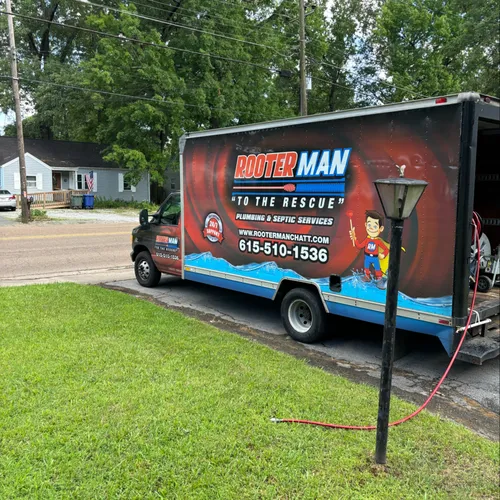
Rooter-Man
303 E Old Hickory Blvd, Madison, TN 37115
Rooter-Man is a plumbing and septic service provider based in Nashville, TN. They offer a wide range of services including septic tank pumping, inspection, repair, and installation, as well as general plumbing repairs and maintenance. The company uses advanced technologies such as leak detection and sewer camera inspection to ensure effective solutions. Rooter-Man provides 24-hour emergency plumbing services, responding promptly to urgent issues. Their team is experienced in handling both routine and complex plumbing problems, including septic system care and pipe repairs.
Why Regular Septic Maintenance is Non-Negotiable
A septic system is a mini wastewater treatment plant on your property. When functioning correctly, it safely processes household water from toilets, showers, sinks, and appliances. Solids settle in the tank, where bacteria break them down, while liquid effluent flows out to the drain field for further filtration into the soil. Over time, however, solids (sludge) accumulate faster than they decompose. If not removed via pumping, these solids can flow into and clog the drain field-the most expensive component to repair or replace. Regular septic system pumping removes this buildup, protecting your investment and your property.
In New Jersey, and specifically in Sussex County, septic systems are regulated to protect public health and groundwater. The New Jersey Department of Environmental Protection (NJDEP) provides guidelines that form the basis for local health department regulations. Proactive maintenance isn't just a good idea; it's a key part of environmental stewardship in our community.
Recommended Pumping Frequency for Franklin Homes
How often you need to schedule septic tank cleaning depends on several household factors. A one-size-fits-all schedule doesn't exist, but authoritative guidelines provide a strong starting point.
- General Rule: For a typical household, the U.S. Environmental Protection Agency (EPA) and other experts recommend pumping your septic tank every 3 to 5 years 1 2.
- Franklin & NJ-Specific Guidance: Research and state manuals reinforce this 3-to-5-year cycle for residential systems in our area.
However, certain conditions necessitate more frequent pumping. You should consider a shorter 1-to-3-year interval if your household matches any of the following:
- Small Tank Size: Tanks under 1,000 gallons have less capacity and fill with solids more quickly.
- High Household Occupancy: Five or more residents generate significantly more wastewater and solid waste.
- Use of a Garbage Disposal: Disposals grind food waste into fine particles that increase the rate of sludge and scum accumulation in the tank.
- Older System: Aging systems may be less efficient.
- Heavy Water Usage: Frequent laundry loads, long showers, and other high-volume water use push more material through the system faster 3 4.
Find the perfect septic tank pumping contractors for your needs
Get personalized recommendations and expert advice
The Critical Role of Professional Inspections
Pumping is just one part of a complete maintenance routine. A thorough inspection by a licensed professional is equally vital. The NJDEP recommends a formal inspection of a standard system at least every 3 years, with more complex alternative systems (those with pumps, floats, or aerators) requiring an annual check 5.
A qualified contractor does much more than just measure sludge levels. During an inspection, they will:
- Check the integrity of inlet and outlet baffles (which prevent solids from exiting the tank).
- Inspect the tank structure for cracks or leaks.
- Examine the drain field for signs of failure, such as surfacing effluent or overly lush grass.
- Assess all mechanical components, if present.
These inspections can catch small problems-like a damaged baffle-before they lead to drain field failure. Always ensure your inspection is performed by a professional licensed to work in New Jersey, as their expertise is required for accurate assessment and compliance 6.
Understanding Costs for Septic Service in New Jersey
The cost for routine septic tank pumping is an investment in your home's longevity. For Franklin homeowners, understanding the average pricing helps in budgeting for this essential service.
- Average Cost: For a standard 1,000-gallon septic tank, pumping costs in New Jersey typically range from $324 to $381, with an average of approximately $353 7 8.
- What Influences Price: Several factors can cause the final price to vary from this average:
- Tank Size & Accessibility: Larger tanks (1,500+ gallons) cost more to pump. Difficult access (long hose runs, locked gates, overgrown areas) can add labor time and fees.
- Sludge Volume: Tanks that are severely overdue for service may have excessive sludge, requiring more time and disposal effort.
- Additional Services: The quoted price is often for pumping alone. If an inspection, minor repair, or locating the tank lids is needed, these will be additional line items 9.
Always get a detailed, written estimate from your service provider before work begins.
Best Practices for Septic System Care
Your daily habits directly impact your system's health and how often it needs pumping. Follow these guidelines to keep your system running smoothly between professional visits:
- Conserve Water: Fix leaky faucets and toilets, use high-efficiency fixtures, and spread out laundry loads to avoid overwhelming the drain field.
- Mind What You Flush: Your toilet is not a trash can. Never flush dental floss, diapers, cat litter, coffee grounds, feminine hygiene products, cigarette butts, or "flushable" wipes (they don't degrade). These materials clog pumps and fill the tank with non-biodegradable solids.
- Be Careful with Chemicals: Avoid pouring harsh chemicals, paints, solvents, or excessive bleach down the drain, as they can kill the essential bacteria in your tank.
- Protect Your Drain Field: Never park vehicles or build structures over the drain field. Keep roof drains, sump pumps, and other surface water away from the area to prevent saturation.
Records, Permits, and Regulations
Maintaining clear records is crucial. Keep a file with every inspection report, pumping receipt, repair invoice, and your original system design. This history is invaluable for troubleshooting problems and is often required during a home sale to prove the system is compliant and in good working order 10.
While routine pumping does not require a permit, most other work does. Any septic system repair, alteration, expansion, or replacement must be approved by the local health department-in Franklin's case, the Sussex County Health Department. Always contact them directly for the most current application forms, fees, and site-specific regulations before planning any major work 11 12.
Signs Your System Needs Immediate Attention
Don't wait for your scheduled maintenance if you notice these warning signs of a failing system:
- Slow Drains: Gurgling pipes or drains that empty slowly throughout the house.
- Sewage Backups: Wastewater backing up into household drains.
- Bad Odors: Unpleasant smells around the septic tank or drain field area.
- Wet, Spongy Yard: Soggy ground or standing water over the drain field, especially when it hasn't rained.
- Unusually Green Grass: Patches of grass over the drain field that are much greener and faster-growing than the rest of the lawn.
If you observe any of these issues, contact a licensed septic service professional immediately to assess the situation and prevent further damage or health hazards.
Frequently asked questions
Sources
Footnotes
-
Frequent Questions on Septic Systems | US EPA - https://www.epa.gov/septic/frequent-questions-septic-systems ↩
-
How to Care for Your Septic System | US EPA - https://www.epa.gov/septic/how-care-your-septic-system ↩
-
How Often Should I Pump Out My Septic Tank? - https://cms2.revize.com/revize/westportma/Documents/Departments/Health/Forms%20And%20Resources/how_often_should_i_pump_out_my_septic_tank_2.pdf?t=202508080914340&t=202508080914340 ↩
-
Septic Tank Pumping Frequency: Crucial Maintenance Guide - https://septic911.com/septic-tank-pumping-frequency/ ↩
-
a homeowner's manual for septic systems - RUcore - https://rucore.libraries.rutgers.edu/rutgers-lib/29112/PDF/1/play/ ↩
-
Licensed Septic Service NJ - Requirements - The Sewer Kings - https://thesewerkings.com/blog/licensed-septic-service-professionals/ ↩
-
Understanding the Average Cost to Pump a Septic Tank - https://www.scorpionsepticservices.com/blog/understanding-the-average-cost-to-pump-a-septic-tank ↩
-
New Jersey Septic Systems Costs & Prices - ProMatcher Cost Report - https://septic-systems.promatcher.com/cost/new-jersey.aspx ↩
-
Septic Tank Pumping Cost: Guide & Pricing in 2025 - https://www.splashplumbing.com/how-much-does-it-cost-to-pump-septic-tank-understanding-pricing-and-factors-involved/ ↩
-
SEPTIC - NJ.gov - https://dep.nj.gov/wp-content/uploads/dwq/pdf/septicmn.pdf ↩
-
New Jersey Septic System Rules - 2026 Guide - https://thesewerkings.com/blog/new-jersey-septic-system-rules/ ↩
-
How Often Should You Pump Your Home Septic Tank? - https://www.wrenvironmental.com/blog/2018/january/how-often-should-you-pump-your-home-septic-tank-/ ↩