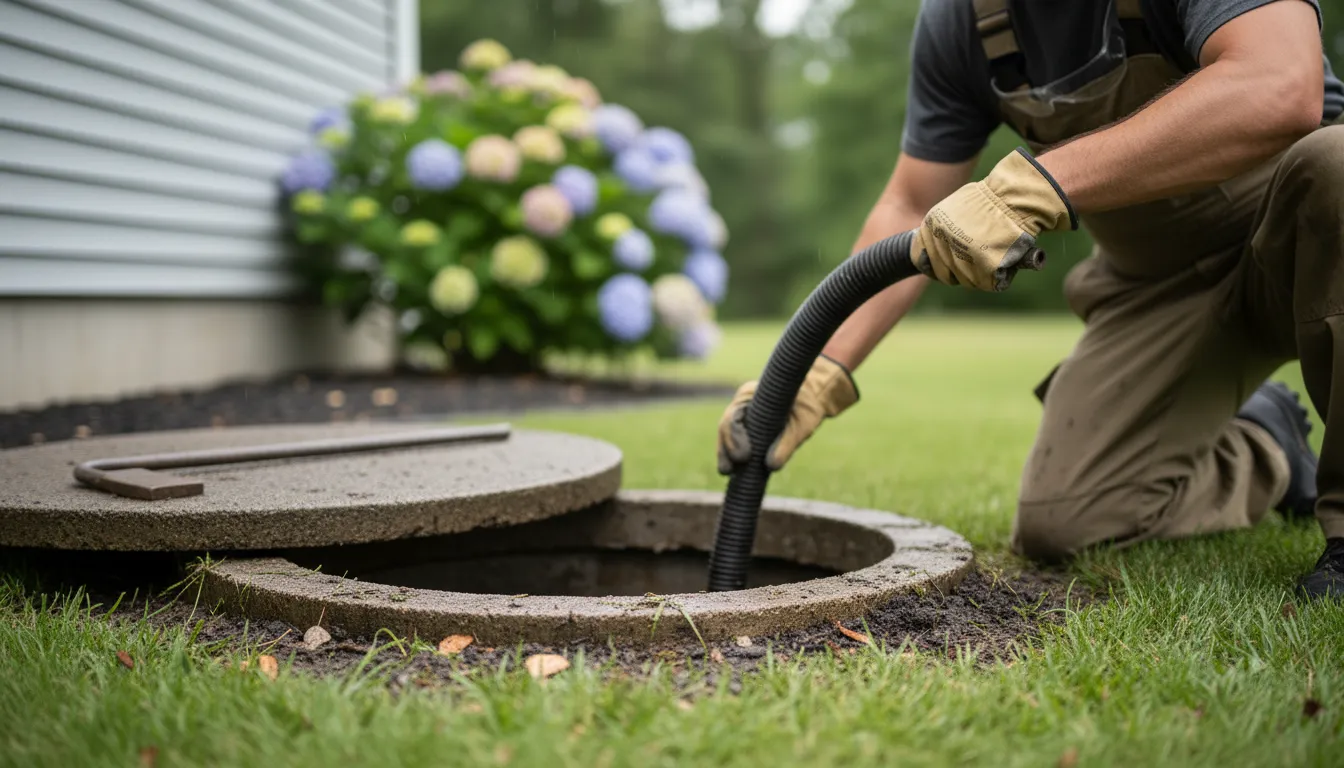
Find the Best Septic Tank Pumping Contractors for Your Business
No obligation • Fast responses • Nationwide coverage

Why you can trust Septic Spot
Septic Spot is a leading United States resource for understanding and comparing septic services. Our editors review providers using consistent criteria and verify key business details. Listings and scores are independent, and companies cannot pay to influence our content.
Search providers near you
Top Septic Tank Pumping Contractors in Spring Hill, Tennessee Ranked
Maintaining your septic system is a crucial responsibility for any homeowner not connected to a municipal sewer line. Regular septic tank pumping is the most important service you can schedule to prevent costly backups, property damage, and environmental contamination. This guide will help you understand the recommended service frequency, what to expect during a pump-out, and how to find qualified local professionals to keep your Spring Hill system functioning smoothly for years to come.
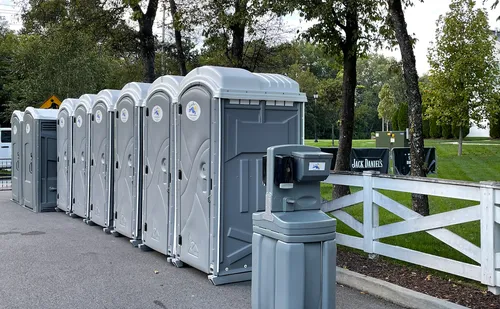
VannGo Luxury Mobile Restrooms & Portable Solutions
5016 Centennial Blvd Suite 200, Nashville, TN 37209
VannGo Luxury Mobile Restrooms & Portable Solutions is a family-owned company based in Nashville, TN, providing portable restroom and septic tank pumping services. They offer a variety of portable toilet rentals, including standard units and luxury restroom trailers with climate control and running water, suitable for events, construction sites, and long-term projects. Their team is PSAI-trained and experienced in RV waste tank pumping, ensuring hygienic and efficient service. Since 2016, VannGo has served Middle Tennessee with comprehensive sanitation solutions, including fresh water delivery and portable sinks.
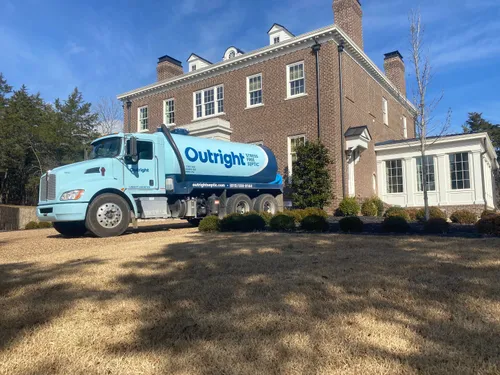
Outright Septic
Nashville, TN
Outright Septic is a septic tank pumping and inspection company serving Nashville, TN. They provide services for residential, commercial, and municipal septic systems, including regular pumping, maintenance, and pre-closing inspections for real estate transactions. Outright Septic emphasizes clear communication and customer education to help clients understand and maintain their septic systems. Their service includes easy online booking and transparent pricing to simplify the process for customers.
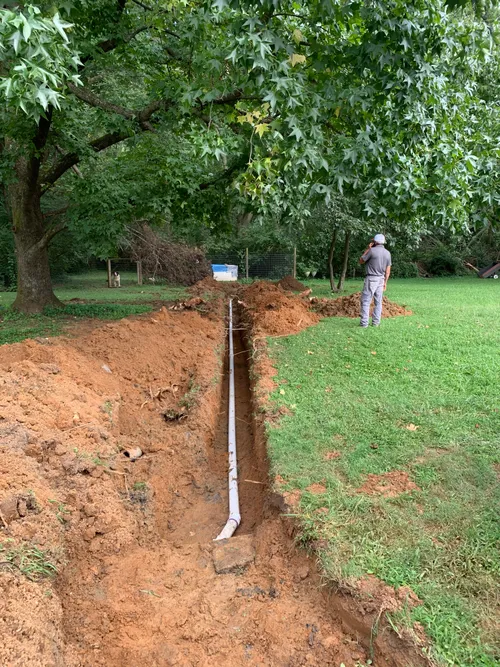
Mid- Tenn Septic & Plumbing
Nashville, TN
Mid-Tenn Septic & Plumbing is a septic tank pumping, inspection, repair, and installation company serving Nashville, TN. They offer comprehensive plumbing and septic solutions, including drain cleaning, pipe replacements, and septic system maintenance. The team uses modern diagnostic tools to identify and resolve issues effectively, focusing on long-term results rather than temporary fixes. With decades of experience, they understand local conditions affecting septic systems and plumbing, helping to prevent costly problems through proactive care and regular maintenance.
Septic Masters LLC
166 Acton St B, Franklin, TN 37064
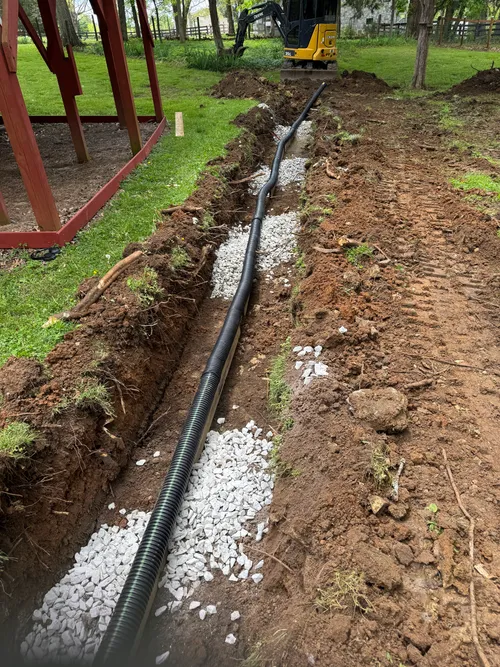
Septic Masters LLC is a family-owned business providing septic system services in Nashville, TN, including the nearby Brentwood and Franklin areas. They specialize in residential septic tank pumping, inspection, and repair, handling both conventional and low-pressurized pipe systems. Their team focuses on environmentally responsible solutions and offers thorough septic inspections and timely repairs to maintain system efficiency.
L&L Septic
2051 Carters Creek Pike, Franklin, TN 37064
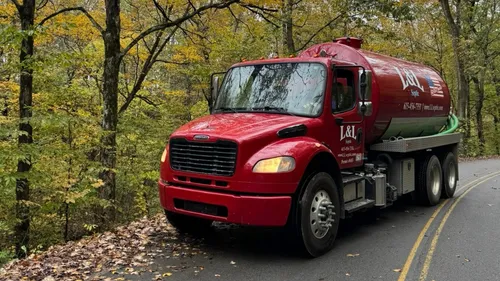
L&L Septic is a family-owned septic service provider based in Nashville, TN, serving Franklin and the surrounding Williamson County area for over a decade. They offer a range of residential and commercial septic services including tank pumping, inspections, repairs, installations, and drain field replacements. The company is licensed and certified in Tennessee and Williamson County, ensuring professional and secure handling of septic systems. L&L Septic is known for upfront pricing and a commitment to customer satisfaction, with after-hours service available for emergencies.
Why Regular Septic System Pumping is Essential
A septic tank is a buried, watertight container that holds wastewater from your home. Solids settle to the bottom as sludge, and oils float to the top as scum. The liquid effluent in the middle flows out to the drainfield. Over time, the sludge and scum layers build up. If they aren't removed through periodic pumping, solids can flow into and clog the drainfield, leading to system failure. A failed drainfield can cause sewage to surface in your yard, create foul odors, and contaminate groundwater. Regular septic maintenance, including pumping, is the most effective way to protect your investment and your family's health.
Recommended Pumping Frequency for Spring Hill Homes
How often you need to schedule septic tank pumping depends on several key factors. A general rule for most households is every 3 to 5 years. However, the Tennessee Department of Health provides more specific guidance, recommending that systems be pumped every four years on average, with more frequent inspections for systems that include pumps or siphons.
Key factors that influence your schedule include:
- Household Size: This is the primary driver. A small household of 1-2 people may be able to extend pumping intervals to 5+ years, while a larger family of 4 or more will fill the tank faster and likely need service every 2-3 years 1.
- Tank Size: The capacity of your tank (e.g., 1,000 gallons vs. 1,500 gallons) directly impacts how long it takes to fill.
- Total Wastewater Generated: The volume of laundry, showers, and dishwasher use all contribute to tank volume.
- Garbage Disposal Use: Using a garbage disposal frequently introduces additional solids, which accelerates sludge buildup.
The U.S. Environmental Protection Agency (EPA) strongly advises having your system inspected by a professional every 1-3 years to measure sludge and scum levels, which is the most accurate way to determine when pumping is needed.
Signs Your Septic Tank Needs to Be Pumped
Don't wait for a disaster. Be proactive and watch for these warning signs that your tank is reaching capacity:
- Slow Drains: Gurgling sounds or slow drainage from sinks, showers, and toilets, especially if plunging or drain cleaners don't help.
- Sewage Odors: Unpleasant smells emanating from drains inside your home or from the area of your yard where the tank and drainfield are located.
- Wet, Spongy Yard: Soggy ground or standing water over the drainfield, particularly when it hasn't rained.
- Unusually Lush Grass: A patch of grass over the drainfield that is much greener and grows faster than the rest of the lawn can indicate a nutrient-rich sewage leak.
- Sewage Backup: The most severe sign, where wastewater backs up into household drains.
If you notice any of these signs, it's time to contact a septic service provider immediately 2 3.
What to Expect During a Professional Pump-Out Service
A standard septic tank pumping service involves several key steps to ensure the job is done thoroughly and safely.
- Locating and Uncovering the Tank: The technician will locate the tank's access lids (manholes) and dig to expose them. Keeping these lids accessible and marked can save time and money.
- Inspecting the System: Before pumping, a reputable professional will often perform a basic inspection, checking inlet and outlet baffles for damage and noting the sludge and scum levels.
- Pumping the Tank: Using a large vacuum truck, all contents of the tank-sludge, scum, and effluent-are pumped out. The goal is to remove all accumulated solids.
- System Rinse and Final Check: The tank may be rinsed with water to help break up remaining solids, and the pumping process is repeated. The technician will check for leaks and ensure the baffles are intact.
- Proper Waste Disposal: The pumped waste is transported to a licensed treatment facility for processing.
- Providing a Service Report: You should receive a report detailing the services performed, the condition of your system, and any recommendations for repairs or the next service date.
Find the perfect septic tank pumping contractors for your needs
Get personalized recommendations and expert advice
Understanding Septic Tank Pumping Costs in Tennessee
The cost for septic tank pumping can vary. For a typical 1,000-gallon tank in Tennessee, homeowners can expect to pay in the range of $229 to $269, according to local cost reports 4. Several factors influence the final price:
- Tank Size and Capacity: Larger tanks (e.g., 1,500 gallons) cost more to pump than smaller ones.
- Accessibility: If the tank is buried deep, under a deck, or otherwise difficult for the truck to reach, the job will take more labor and may cost more.
- Additional Services: Cleaning the effluent filter (if your system has one), a full inspection, or minor repairs will add to the total.
- Condition of the Tank: Excessively clogged or neglected tanks may require more time and effort to pump completely.
Always get a detailed estimate before work begins. The lowest price isn't always the best value; choose a licensed, insured, and well-reviewed provider.
The Critical Role of Annual Inspections
While pumping is done every few years, a septic system inspection should be conducted more frequently. The EPA recommends an inspection every 1-3 years 5. For systems with electrical components like pumps, alternators, or mechanical siphons, the Tennessee Department of Health suggests an inspection at least every two years to ensure these parts are functioning correctly.
A thorough inspection by a qualified technician will:
- Measure sludge and scum levels to accurately predict the next needed pumping.
- Check for leaks in the tank and distribution box.
- Inspect baffles and tees for corrosion or damage.
- Assess the drainfield for signs of failure.
- Test all mechanical components and alarms.
This proactive approach can identify small problems before they become expensive, catastrophic failures 6.
Best Practices for Septic System Care Between Services
Your daily habits have a direct impact on your septic system's health and longevity. Follow these guidelines to keep your system running well:
- Conserve Water: Spread out laundry loads, fix leaky faucets, and install high-efficiency fixtures to avoid overloading the tank.
- Mind What You Flush: Only human waste and toilet paper should go down the toilet. Never flush wipes (even "flushable" ones), feminine hygiene products, dental floss, diapers, or paper towels.
- Use the Trash Can, Not the Drain: Avoid using your garbage disposal excessively. Never pour cooking grease, coffee grounds, or harsh chemicals like paint thinner down the drain.
- Protect Your Drainfield: Never park or drive heavy vehicles over the drainfield. Keep roof drains, sump pumps, and other surface water away from the area. Plant only grass over the drainfield; tree and shrub roots can cause damage.
Keeping detailed records of all pumping, inspections, and repairs is also highly recommended for maintenance planning and if you sell your home 7 8.
Choosing a Reliable Septic Service Provider in Spring Hill
Selecting the right company for your septic tank maintenance is important. Look for providers who:
- Are licensed and insured to perform septic work in Tennessee.
- Have positive reviews and a good local reputation.
- Provide clear, upfront pricing and detailed service reports.
- Offer both pumping and inspection services.
- Can explain the process and answer your questions clearly.
A trustworthy professional is your partner in maintaining a healthy, functional wastewater system for your home.
Frequently asked questions
Sources
Footnotes
-
Septic Systems | Department of Environmental Protection - https://www.pa.gov/agencies/dep/residents/my-water/septic-systems ↩
-
Septic Tank Services - Mac Plumbing - Clarksville, TN - https://macplumbing.com/services/septic-tank-services/ ↩
-
How Often to Pump a Septic Tank - Clear River Environmental - https://clearriverenvironmental.com/how-often-to-pump-a-septic-tank/ ↩
-
Tennessee Septic Systems Costs & Prices - ProMatcher Cost Report - https://septic-systems.promatcher.com/cost/tennessee.aspx ↩
-
Frequent Questions on Septic Systems | US EPA - https://www.epa.gov/septic/frequent-questions-septic-systems ↩
-
How Often Should You Pump Your Septic Tank? - https://tlsepticpumper.com/septic-system-education/how-often-pump-septic-tank/ ↩
-
Onsite Wastewater Treatment Systems "Septic Systems" - TN.gov - https://www.tn.gov/health/cedep/environmental/healthy-homes/hh/onsite-wastewater-treatment-systems.html ↩
-
How Often Should Septic Tank Be Pumped for Optimal Maintenance and Longevity - https://www.splashplumbing.com/how-often-should-septic-tank-be-pumped-for-optimal-maintenance-and-longevity/ ↩