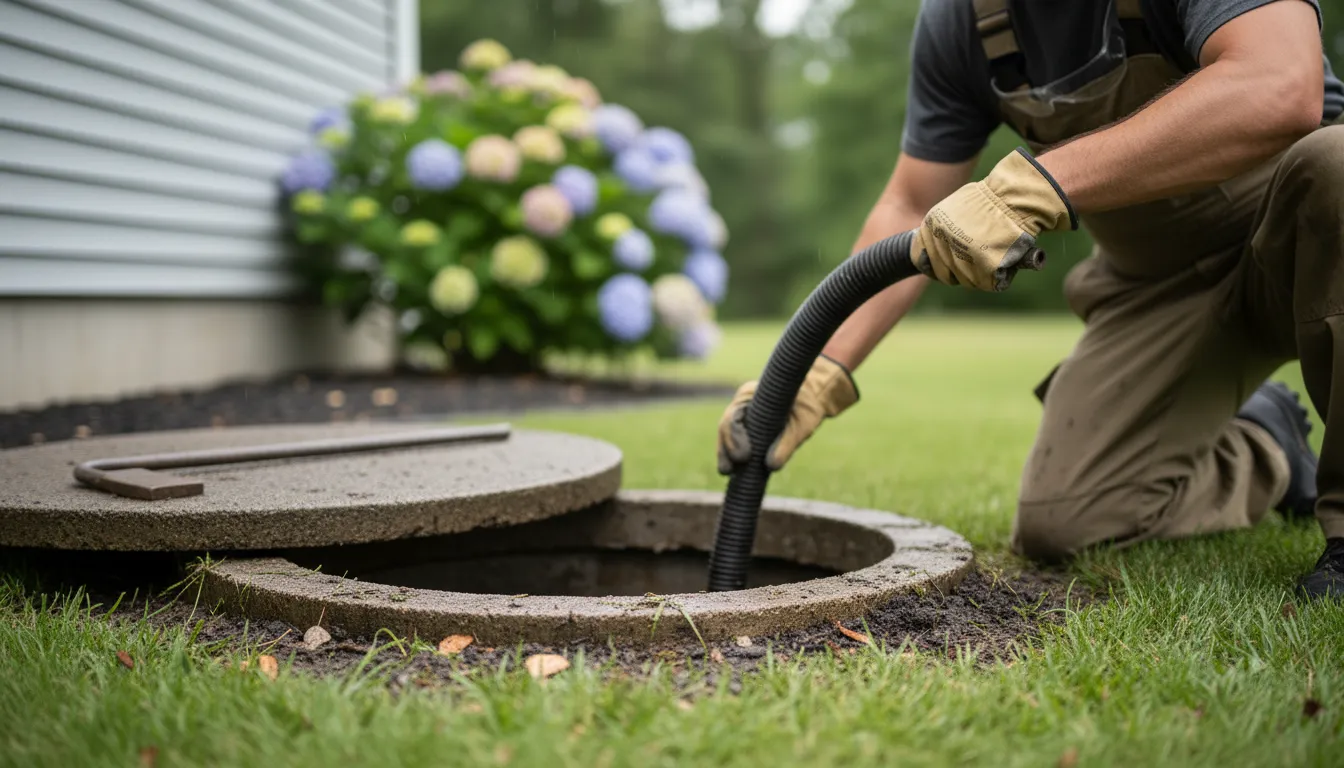
Find the Best Septic Tank Pumping Contractors for Your Business
No obligation • Fast responses • Nationwide coverage

Why you can trust Septic Spot
Septic Spot is a leading United States resource for understanding and comparing septic services. Our editors review providers using consistent criteria and verify key business details. Listings and scores are independent, and companies cannot pay to influence our content.
Search providers near you
Top Septic Tank Pumping Contractors in Draper, Utah Ranked
Maintaining your septic system is a critical responsibility for any homeowner not connected to a municipal sewer line. Regular septic tank pumping removes accumulated solids, preventing system backups, costly drain field failures, and environmental contamination. This guide provides essential information on septic system maintenance, inspection schedules, and local considerations for Draper residents to help you find qualified professionals for this vital service.

A-1 Septic
851 N 900 W, Orem, UT 84057
A-1 Septic is a septic tank pumping, inspection, and repair company serving Provo, UT, and the surrounding Utah County area. With over 60 years of experience, they offer a wide range of septic services including tank pumping, locating, inspections, maintenance, riser installations, and troubleshooting. Their capabilities also extend to wastewater system services such as holding tank pumping, lift station maintenance, and compliant wastewater disposal. The company operates six days a week and provides emergency services on Sundays.
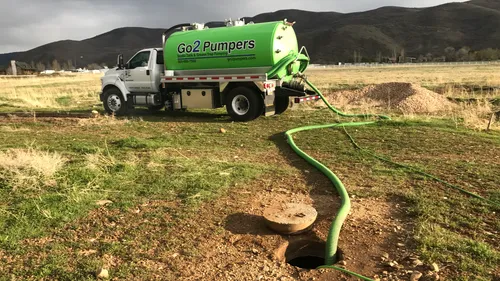
Go2 Pumpers
West Jordan, UT
Go2 Pumpers is a septic tank pumping company based in West Jordan, UT. They provide septic tank cleaning services throughout Northern Utah, specializing in pumping non-hazardous liquids. The company focuses on professional septic maintenance to support residential and commercial needs in the region.
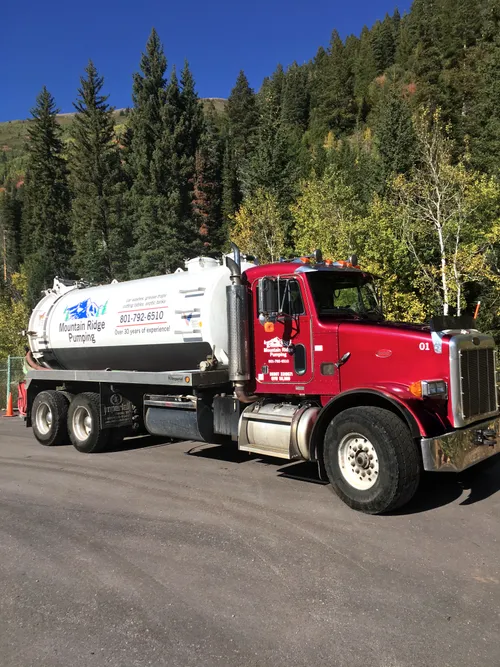
Mountain Ridge Pumping
Salt Lake City, UT
Mountain Ridge Pumping is a licensed and insured company based in Salt Lake City, UT, specializing in septic tank pumping and inspection services for both commercial and residential clients. With over 30 years of experience, they handle non-hazardous liquid waste removal from various sources including septic tanks, car wash pits, storm drains, and lift stations. The company emphasizes proper waste disposal and environmental responsibility by working with reputable waste treatment facilities.
BMS Pumping
13439 S Shaggy Mountain Rd, Herriman, UT 84096
BMS Pumping is a septic tank pumping company serving West Jordan, UT. With over 15 years of experience, they provide septic tank pumping services with a focus on personalized care and project completion on schedule. The company emphasizes a rigorous hiring process to ensure skilled professionals handle each job.
Pumpers Plus
Park City, UT 84060
Pumpers Plus is a locally owned septic tank pumping company serving Salt Lake City, UT, and surrounding areas including Heber, Park City, and the Salt Lake Valley. They specialize in pumping septic tanks, grease traps, holding tanks, RV tanks, car wash tanks, shop sumps, and other liquid non-hazardous waste. The company holds full licensing and permits for all Utah counties and uses state-of-the-art equipment to provide their services.
Understanding Your Septic System and Why Pumping is Crucial
A septic system is an on-site wastewater treatment structure, typically consisting of a tank and a drain field. When wastewater from your home enters the tank, solids settle to the bottom as sludge, and fats and oils float to the top as scum. The liquid effluent in the middle layer then flows out to the drain field, where it is filtered through the soil. Over time, the sludge and scum layers build up. If they aren't removed through regular septic tank cleaning, they can overflow into the drain field, causing clogs, sewage backups into your home, and groundwater pollution. Regular septic system pumping is the most effective preventative maintenance you can perform to protect your property and investment.
How Often Should You Pump Your Septic Tank in Draper?
There is no universal schedule for septic tank service; the frequency depends on several household factors. General guidelines suggest an inspection every 1-3 years and pumping every 3-5 years. However, local regulations in Salt Lake County often require pumping when the combined sludge and scum volume exceeds one-third of the tank's total capacity. A professional inspection is the only way to accurately measure this.
Here's a breakdown of how different factors influence your pumping schedule:
- Average Household (3-4 people): Plan for septic tank emptying every 3 to 5 years.
- Small Household (1-2 people): With lower water usage, pumping may only be needed every 5 to 8 years, or even 9-12 years for larger tanks 1 2.
- Large Household or Small Tank: A home with many occupants using a tank with limited capacity may require septic pumping as often as every 1 to 2 years 3.
- System Type: Systems with additional components like effluent pumps, garbage disposals (grinders), or aerobic treatment units (ATUs) typically require more frequent inspection and maintenance.
The Importance of Professional Inspection
Scheduling a routine inspection is just as important as the pumping itself. A qualified technician will do more than just measure sludge levels. A comprehensive septic system inspection includes checking for tank leaks, assessing structural integrity, and evaluating the condition of the drain field to ensure it is absorbing effluent correctly 4 5. Always hire a licensed septic service provider for inspections and pumping. Improper techniques can damage the tank's baffles or the drain field, leading to far more expensive repairs 6 4.
Find the perfect septic tank pumping contractors for your needs
Get personalized recommendations and expert advice
What to Expect: Costs for Septic Pumping in Draper
Understanding the potential costs can help you budget for this essential maintenance. Prices vary based on tank size, accessibility, and the condition of the system.
- Standard Pumping Cost: The typical price range for a standard residential septic tank pump out in the region is between $289 and $557, with many homeowners paying an average of around $423.
- Cost by Tank Size: Pricing often correlates directly with tank capacity. Pumping a common 1,000-gallon tank may cost between $250 and $700, while a 1,500-gallon tank can range from $350 to $1,100.
- Cost of Delay: Postponing maintenance is a false economy. If a tank has gone 7 or more years without service, hardened solids can require extra labor to break up and remove, potentially adding $100 to $200 to the total bill 7 8. Compared to the thousands of dollars required to replace a failed drain field, regular pumping is a minor, wise investment 9 10.
Best Practices for Septic System Care
Proactive maintenance extends the life of your system between pumpings. Follow these tips to keep your septic system functioning smoothly:
- Conserve Water: Spread out water-intensive activities. Doing all your laundry in one day can flood the tank, pushing solids into the drain field.
- Mind What You Flush: Only human waste and toilet paper should go down the drain. Avoid flushing wipes (even "flushable" ones), feminine hygiene products, dental floss, cooking grease, and chemicals. These materials clog the system and disrupt the bacterial balance needed for decomposition 11.
- Protect the Drain Field: Never park vehicles or build structures over your drain field. Keep roof drains, sump pumps, and other surface water away from the area to prevent saturation.
Local Regulations and Finding a Provider in Draper
For specific code requirements, permitting, or official records, Draper homeowners should consult the Salt Lake County Health Department. They can provide guidance on local regulations governing septic tank maintenance 12. When searching for a service provider, look for licensed, insured professionals with strong local reputations. Verify their credentials and ask about their inspection process to ensure you receive thorough, reliable septic tank pumping and cleaning services.
Frequently asked questions
Sources
Footnotes
-
Septic Systems | Department of Environmental Protection - https://www.pa.gov/agencies/dep/residents/my-water/septic-systems ↩
-
How Often Should a Septic Tank Be Pumped? | Complete Guide - https://callbeeline.com/plumbing/how-often-should-a-septic-tank-be-pumped-a-complete-guide/ ↩
-
How Often to Pump a Septic Tank 2026 - Clear River Environmental - https://clearriverenvironmental.com/how-often-to-pump-a-septic-tank/ ↩
-
Frequent Questions on Septic Systems | US EPA - https://www.epa.gov/septic/frequent-questions-septic-systems ↩ ↩2
-
Essential Septic Tank Pumping Insights for Homeowners - https://www.rciseptic.com/septic-tank-pumps-essential-tips-for-homeowners ↩
-
Homeowners Guide to Septic Systems Brochure - Alpine, UT - https://www.alpineut.gov/DocumentCenter/View/136/Private-Septic-System-Care-PDF ↩
-
Septic Tank Pumping Cost: Guide & Pricing in 2025 - Splash Plumbing - https://www.splashplumbing.com/how-much-does-it-cost-to-pump-septic-tank-understanding-pricing-and-factors-involved/ ↩
-
How Much Does it Cost to Pump a Septic Tank? 2026 Price Guide - https://rescueheroplumbing.com/how-much-does-it-cost-to-pump-septic-tank ↩
-
Septic Tanks - Preventative Routine Maintenance - https://des.sc.gov/permits-regulations/septic-tanks/homeowner-resources/septic-tanks-preventative-routine-maintenance ↩
-
Septic Pumping Cost by State: 2024 Complete Price Guide - https://wastedoor.com/article/septic-pumping-cost-by-state ↩
-
Homeowner's - https://geodata.geology.utah.gov/pages/download_progress.php?ref=83289&size=&ext=pdf&k= ↩
-
HOW OFTEN SHOULD YOU BE PUMPING YOUR SEPTIC TANK? - https://www.sandiegocounty.gov/content/dam/sdc/dpw/WATERSHED_PROTECTION_PROGRAM/WatershedRebates/SRP/PDF/Chart-Septic-Large.pdf ↩