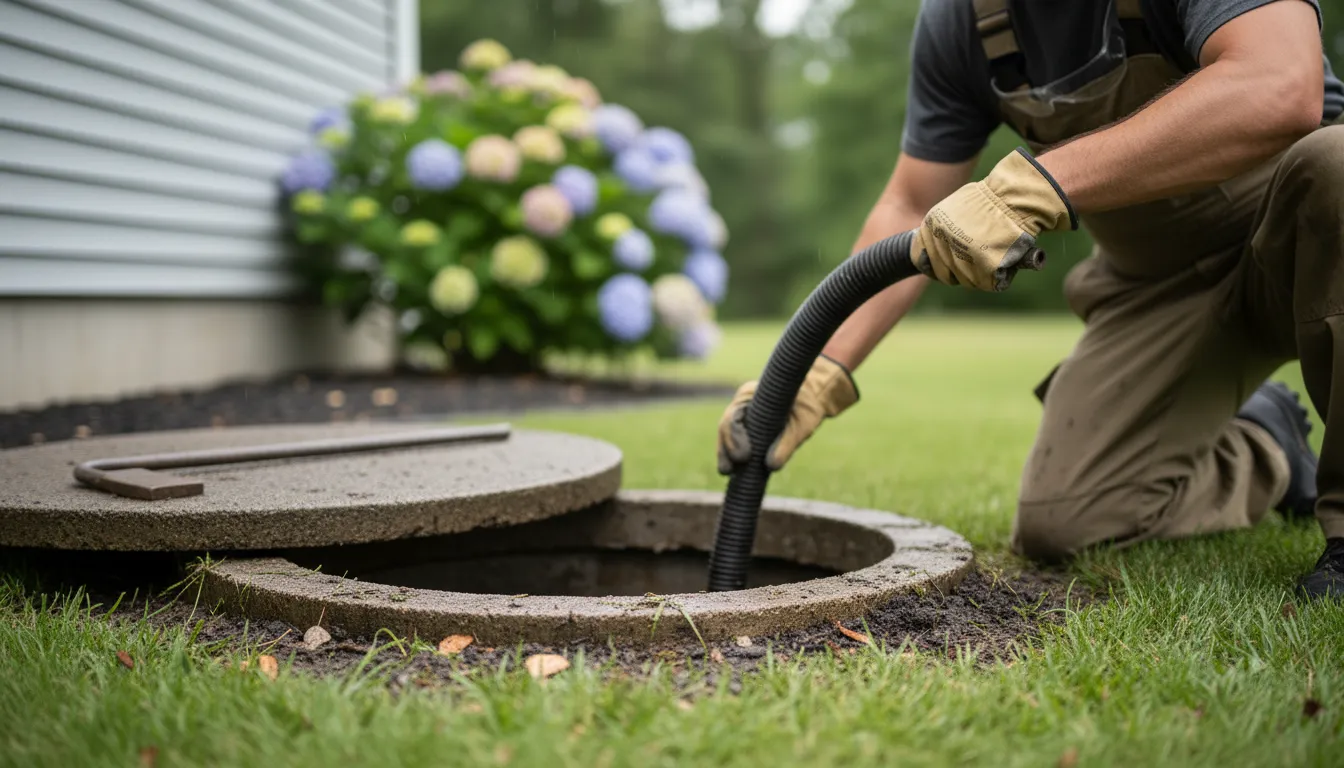
Find the Best Septic Tank Pumping Contractors for Your Business
No obligation • Fast responses • Nationwide coverage

Why you can trust Septic Spot
Septic Spot is a leading United States resource for understanding and comparing septic services. Our editors review providers using consistent criteria and verify key business details. Listings and scores are independent, and companies cannot pay to influence our content.
Search providers near you
Top Septic Tank Pumping Contractors in Salt Lake City, Utah Ranked
Maintaining your septic system is a crucial responsibility for any homeowner not connected to a municipal sewer line. Regular septic tank pumping is the cornerstone of this maintenance, preventing system failures, protecting your property value, and safeguarding the local environment, including Salt Lake County's vital watersheds. This guide provides essential information on septic system maintenance, including recommended service frequency, what to expect during a pump-out, and local cost considerations, to help you connect with qualified professionals in the Salt Lake City area.
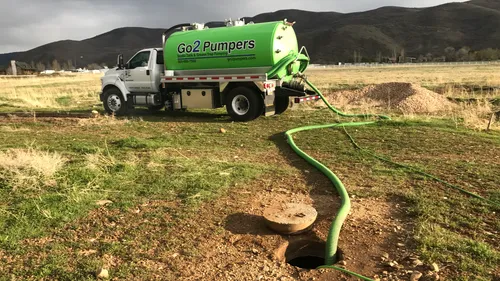
Go2 Pumpers
West Jordan, UT
Go2 Pumpers is a septic tank pumping company based in West Jordan, UT. They provide septic tank cleaning services throughout Northern Utah, specializing in pumping non-hazardous liquids. The company focuses on professional septic maintenance to support residential and commercial needs in the region.
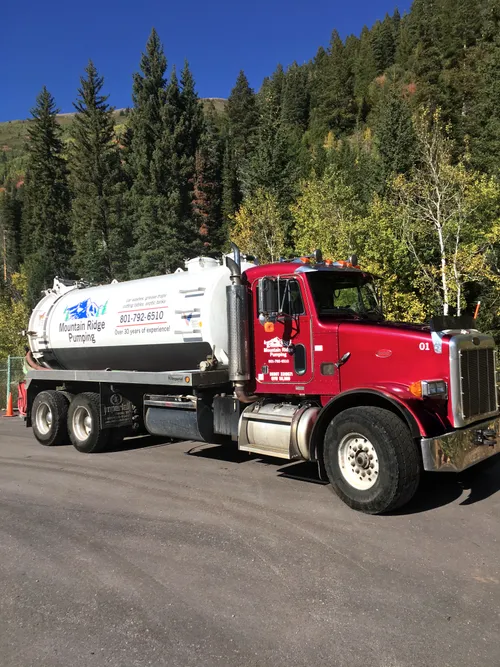
Mountain Ridge Pumping
Salt Lake City, UT
Mountain Ridge Pumping is a licensed and insured company based in Salt Lake City, UT, specializing in septic tank pumping and inspection services for both commercial and residential clients. With over 30 years of experience, they handle non-hazardous liquid waste removal from various sources including septic tanks, car wash pits, storm drains, and lift stations. The company emphasizes proper waste disposal and environmental responsibility by working with reputable waste treatment facilities.
BMS Pumping
13439 S Shaggy Mountain Rd, Herriman, UT 84096
BMS Pumping is a septic tank pumping company serving West Jordan, UT. With over 15 years of experience, they provide septic tank pumping services with a focus on personalized care and project completion on schedule. The company emphasizes a rigorous hiring process to ensure skilled professionals handle each job.

Pumpers Plus
Park City, UT 84060
Pumpers Plus is a locally owned septic tank pumping company serving Salt Lake City, UT, and surrounding areas including Heber, Park City, and the Salt Lake Valley. They specialize in pumping septic tanks, grease traps, holding tanks, RV tanks, car wash tanks, shop sumps, and other liquid non-hazardous waste. The company holds full licensing and permits for all Utah counties and uses state-of-the-art equipment to provide their services.
A&B Sewer & Drain Cleaning
1061 Major St, Salt Lake City, UT 84111
A&B Sewer & Drain Cleaning is a licensed, bonded, and insured company based in Salt Lake City, UT. They provide plumbing, sewer, and septic tank services for residential, commercial, and infrastructure clients. Their offerings include septic tank pumping, inspections, drain cleaning, water main replacement, and full video inspection services. The company serves both Utah and Nevada and is available around the clock for emergency plumbing needs.
Why Regular Septic Maintenance is Non-Negotiable
A septic system is an on-site wastewater treatment plant for your home. When functioning correctly, it safely processes everything that goes down your drains. The tank itself separates solids from liquids; solids settle as sludge at the bottom, while fats and oils float as scum on top. The clarified liquid in the middle flows out to the drain field for further filtration into the soil. Over time, the sludge and scum layers accumulate. If these layers become too thick, they can clog the outlet baffle, allowing solids to escape into the drain field. This can lead to sewage backing up into your home, foul odors in your yard, and contamination of groundwater-a serious concern for community health and local streams. Regular septic tank cleaning is the most effective way to prevent these costly and hazardous problems.
Recommended Pumping Frequency for Salt Lake City Homes
How often you need to schedule septic tank pumping depends on several household-specific factors. A general rule of thumb is to have your tank pumped every 3 to 5 years 1. However, this is just a starting point. Local guidelines from the Salt Lake County Watershed team recommend inspections every 1 to 3 years, with pumping typically needed every 3 to 5 years based on inspection findings.
Key factors that influence pumping frequency include:
- Household Size: This is the primary driver. A single person or couple in a home with a standard 1,000-gallon tank may extend service intervals to 5-8 years. Conversely, a family of five or more will fill the tank much faster, potentially requiring pumping every 1 to 2 years.
- Tank Size: Knowing your tank's capacity (e.g., 750, 1,000, or 1,500 gallons) is essential. Smaller tanks fill up faster.
- Total Wastewater Generated: High water usage from frequent laundry, long showers, or many houseguests accelerates accumulation.
- Use of a Garbage Disposal: Disposals significantly increase the amount of solids entering the tank, necessitating more frequent pump-outs 2.
- Volume of Solids: The type of waste matters. System-friendly, biodegradable products help; "flushable" wipes, hygiene products, and cooking grease dramatically increase sludge.
The most reliable method is to have your tank inspected annually. A professional can measure the sludge and scum layers and give you a data-driven recommendation for when pumping is truly necessary.
What to Expect During a Professional Pump-Out Service
A full septic tank service involves more than just removing waste. Reputable providers follow a comprehensive process to ensure your entire system is evaluated.
- Locating and Accessing the Tank: The technician will locate the tank lids. Utah regulations (Utah Admin. Code R317-4-6) require tanks to have accessible, watertight risers that extend to within 6 inches of the ground surface for easier maintenance. If your tank lacks risers, the technician may need to dig to access the ports.
- Initial Inspection: Before pumping, the technician will often check the sludge and scum levels, inspect the inlet and outlet baffles for blockages or damage, and note the condition of the tank structure for any cracks or leaks 3 4.
- Pumping: A large hose is inserted into the tank, and a powerful vacuum truck removes all the contents-sludge, scum, and liquid. The tank is pumped until it is empty and clean.
- Post-Pumping Inspection: With the tank empty, a more thorough inspection can be conducted. The technician will check the baffles, tees, and the tank walls and floor for integrity. They may also run water from your home to verify that liquid is flowing properly from the tank to the drain field.
- System Assessment & Reporting: A good service includes a report on the tank's condition, the levels found, any issues noted (like a failing baffle), and a recommendation for your next service date. They should also advise if any repairs are needed.
Find the perfect septic tank pumping contractors for your needs
Get personalized recommendations and expert advice
Understanding Costs for Septic Tank Pumping in Salt Lake City
The cost for septic system pumping in Salt Lake City is relatively consistent. For a standard 1,000-gallon tank, homeowners can expect a typical price range of $263 to $310, with an average cost around $286 5 6 7. This is usually a flat-rate fee for the standard service.
Several factors can cause the final price to vary:
- Tank Size: Pumping a larger 1,500-gallon tank will cost more than a 750-gallon tank due to the additional time and disposal volume.
- Tank Accessibility: If the tank lids are buried and require significant digging to locate and expose, labor costs will increase. Installing permanent risers during service can save money in the long run.
- Condition of the Tank: Extra-thick sludge or the presence of non-biodegradable materials that clog the hose may require more effort.
- Additional Services: Costs will be higher if the service includes inspecting the drain field, jetting lateral lines, or making minor repairs like replacing a baffle.
- Pump-Out vs. Emergency Service: A scheduled maintenance pump-out is always less expensive than an emergency call for a backup or overflow.
Always get a detailed, written estimate before work begins. The lowest price isn't always the best value; choose a provider known for thorough inspections and proper disposal practices.
Local Regulations and Environmental Stewardship
In Salt Lake County, septic systems are regulated to protect public health and the environment. The Salt Lake County Health Department oversees onsite wastewater systems with a daily flow of 5,000 gallons or less 8. Proper maintenance isn't just a homeowner's duty; it's a community responsibility.
A failing septic system can leak nutrients and pathogens into the ground, eventually reaching streams and rivers that feed into the Great Salt Lake. Contaminated groundwater can also affect drinking water wells. By adhering to a regular pumping schedule, you are directly contributing to the protection of local waterways, property values, and community health. The "Be Smart About Septic" initiative from the Salt Lake County Watershed program highlights this critical connection between home maintenance and watershed health 9.
Signs Your Septic Tank Needs Immediate Attention
Don't wait for a disaster. Be proactive and watch for these warning signs that your tank may be full or your system failing:
- Slow Drains: Sinks, showers, and toilets that drain slowly, especially if multiple fixtures are affected.
- Gurgling Sounds: Gurgling noises coming from your plumbing.
- Sewage Odors: Unpleasant smells around the drains inside your home or in the yard near the tank or drain field.
- Wet, Spongy Yard: Soggy ground or standing water over the drain field, particularly when it hasn't rained.
- Sewage Backup: The most severe sign-wastewater backing up into household drains.
If you notice any of these signs, contact a septic professional immediately to assess the situation before it leads to extensive and expensive damage.
Choosing a Reliable Septic Service Provider
Selecting the right company for your septic tank emptying is important. Look for providers who:
- Are licensed and insured to work in Utah.
- Have a good local reputation and verifiable references.
- Provide clear, upfront pricing and detailed service reports.
- Emphasize inspection and education, not just pumping.
- Properly dispose of waste at approved facilities.
- Can discuss local regulations, including the requirement for accessible risers 10.
Frequently asked questions
Sources
Footnotes
-
Septic Tanks - Preventative Routine Maintenance - https://des.sc.gov/permits-regulations/septic-tanks/homeowner-resources/septic-tanks-preventative-routine-maintenance ↩
-
How Often to Pump a Septic Tank - Clear River Environmental - https://clearriverenvironmental.com/how-often-to-pump-a-septic-tank/ ↩
-
Septic Systems | Department of Environmental Protection - https://www.pa.gov/agencies/dep/residents/my-water/septic-systems ↩
-
Expert Septic Tank Pumping Services in Utah | Go2Pumpers - https://go2pumpers.com/septic-tank-pumping/ ↩
-
Salt Lake City Septic Systems Costs & Prices - ProMatcher.com - https://septic-systems.promatcher.com/cost/salt-lake-city-ut-septic-systems-costs-prices.aspx ↩
-
Understanding the Average Cost to Pump a Septic Tank - https://www.septicblue.com/understanding-the-average-cost-to-pump-a-septic-tank ↩
-
How Much Does it Cost to Pump a Septic Tank? 2026 Price Guide - https://rescueheroplumbing.com/how-much-does-it-cost-to-pump-a-septic-tank ↩
-
Septic & Onsite Wastewater Systems - Waste - Salt Lake County - https://www.saltlakecounty.gov/health/waste/septic/ ↩
-
Be Smart About Septic - Watershed | Salt Lake County - https://www.saltlakecounty.gov/watershed/get-involved/stream-friendly-practices/be-smart-about-septic/ ↩
-
Utah Admin. Code R317-4-6 - Design Requirements - https://www.law.cornell.edu/regulations/utah/Utah-Admin-Code-R317-4-6 ↩