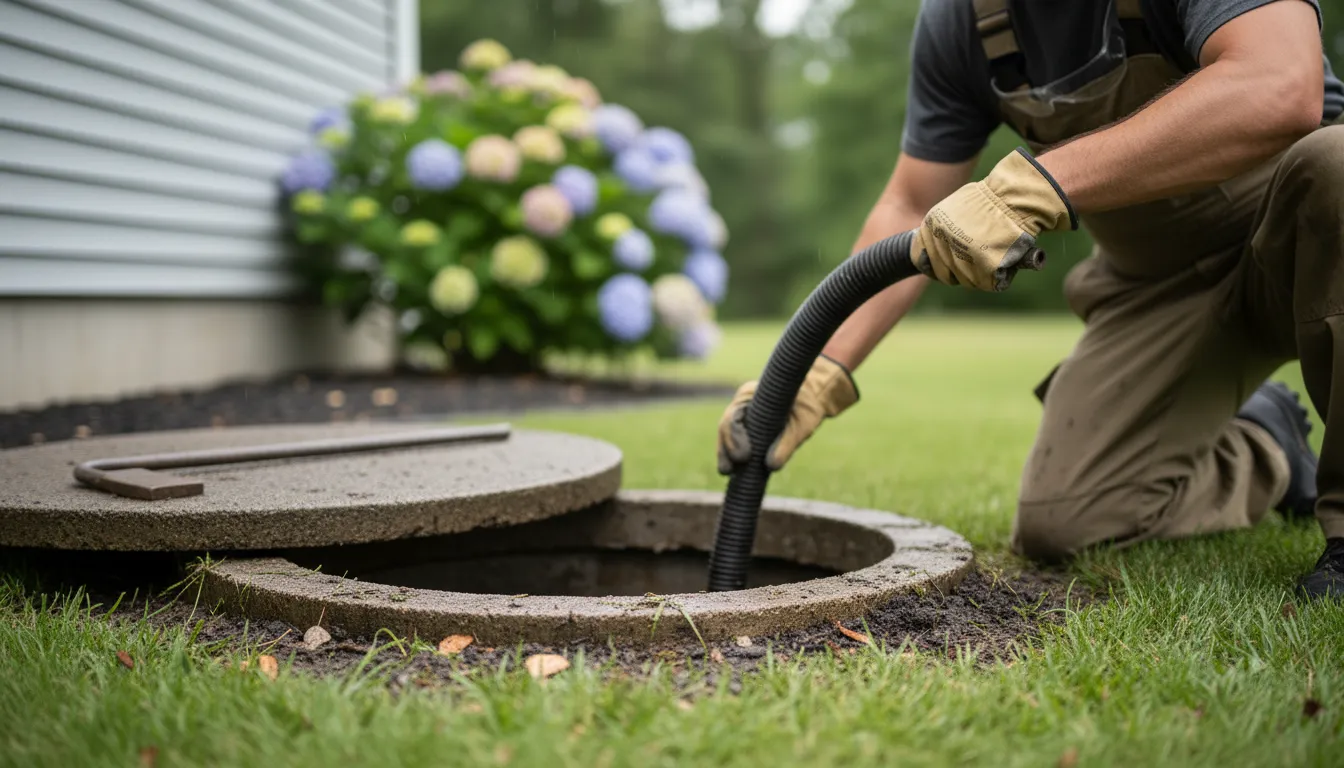
Find the Best Septic Tank Pumping Contractors for Your Business
No obligation • Fast responses • Nationwide coverage

Why you can trust Septic Spot
Septic Spot is a leading United States resource for understanding and comparing septic services. Our editors review providers using consistent criteria and verify key business details. Listings and scores are independent, and companies cannot pay to influence our content.
Search providers near you
Top Septic Tank Pumping Contractors in Eagle Mountain, Utah Ranked
Maintaining your septic system is a crucial responsibility for homeowners in Eagle Mountain. Septic tank pumping is the essential process of removing accumulated solids and sludge from your tank to prevent system failure, backups, and environmental contamination. This service is vital for protecting your property, your family's health, and the local groundwater. The following information will help you understand the local requirements, typical service details, and how to find qualified professionals for your septic maintenance needs.

A-1 Septic
851 N 900 W, Orem, UT 84057
A-1 Septic is a septic tank pumping, inspection, and repair company serving Provo, UT, and the surrounding Utah County area. With over 60 years of experience, they offer a wide range of septic services including tank pumping, locating, inspections, maintenance, riser installations, and troubleshooting. Their capabilities also extend to wastewater system services such as holding tank pumping, lift station maintenance, and compliant wastewater disposal. The company operates six days a week and provides emergency services on Sundays.
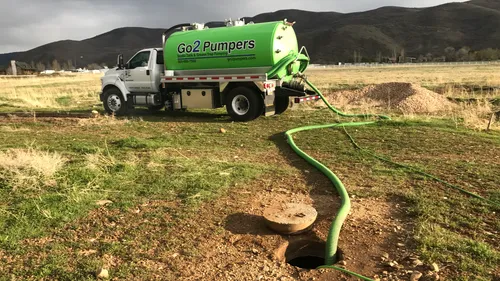
Go2 Pumpers
West Jordan, UT
Go2 Pumpers is a septic tank pumping company based in West Jordan, UT. They provide septic tank cleaning services throughout Northern Utah, specializing in pumping non-hazardous liquids. The company focuses on professional septic maintenance to support residential and commercial needs in the region.
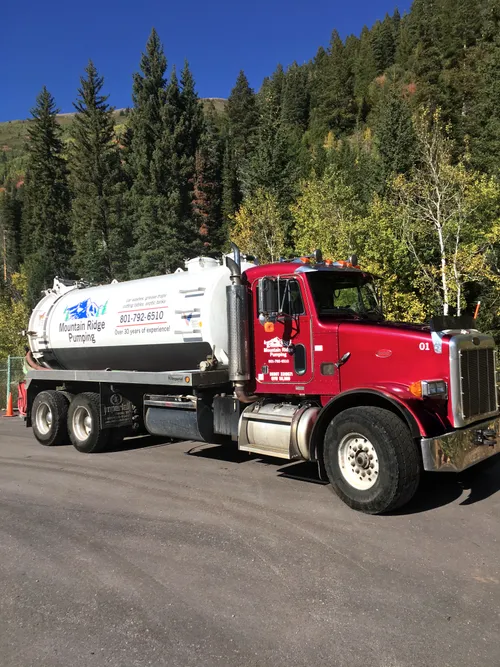
Mountain Ridge Pumping
Salt Lake City, UT
Mountain Ridge Pumping is a licensed and insured company based in Salt Lake City, UT, specializing in septic tank pumping and inspection services for both commercial and residential clients. With over 30 years of experience, they handle non-hazardous liquid waste removal from various sources including septic tanks, car wash pits, storm drains, and lift stations. The company emphasizes proper waste disposal and environmental responsibility by working with reputable waste treatment facilities.
BMS Pumping
13439 S Shaggy Mountain Rd, Herriman, UT 84096
BMS Pumping is a septic tank pumping company serving West Jordan, UT. With over 15 years of experience, they provide septic tank pumping services with a focus on personalized care and project completion on schedule. The company emphasizes a rigorous hiring process to ensure skilled professionals handle each job.
Understanding Your Septic System and Local Regulations
In Eagle Mountain, septic system maintenance falls under the jurisdiction of the Utah County Health Department, with additional local ordinances that are particularly important for properties located near water sources. A standard septic system consists of a tank and a drain field. Wastewater from your home enters the tank, where solids settle as sludge, fats and oils float as scum, and the partially treated liquid effluent flows out to the drain field for further soil treatment. Over time, the sludge and scum layers build up and must be removed via pumping to prevent them from flowing into and clogging the drain field.
For properties within 500 feet of a water source protection overlay zone, Eagle Mountain City has specific mandates requiring inspection and pumping by a licensed professional at least every five years 1. This underscores the community's commitment to safeguarding its water resources. Whether your home is in a protected zone or not, proactive maintenance is the key to a long-lasting, trouble-free system.
How Often Should You Schedule Septic Pumping?
The most common recommendation for conventional gravity systems is to pump your septic tank every 3 to 5 years 2. However, this is a general guideline, and your specific situation may require a different schedule. Several factors can necessitate more frequent service:
- Household Size and Water Usage: Homes with 5 or more occupants, frequent guests, or high water usage (like multiple laundry loads per day) may need pumping every 2-3 years.
- Garbage Disposal Use: Frequent use of a garbage disposal significantly increases the amount of solids and grease entering the tank, accelerating sludge accumulation.
- Tank Size: A smaller tank serving a standard-sized household will fill up faster than a larger one.
- System Type: Alternative systems, such as those with pumps, float switches, or Aerobic Treatment Units (ATUs), often require more frequent attention, including annual inspections.
The most accurate way to determine your pumping schedule is through a professional inspection, which measures the sludge and scum layers inside your tank.
The Importance of Professional Septic Inspections
Routine inspection is just as important as pumping. It is recommended to have a professional inspect your entire system every 1 to 3 years. An inspection is also typically required during the sale or transfer of a property to verify the system is in good working order 3.
A comprehensive inspection by a qualified technician includes:
- Locating and uncovering the tank and drain field.
- Checking all tanks and pipes for leaks or damage.
- Measuring the thickness of the sludge and scum layers.
- Inspecting inlet and outlet baffles for integrity.
- Checking all mechanical components, like pumps and alarms, in advanced systems.
A key technical rule for pumping is that the tank must be pumped if the bottom of the scum layer is within 6 inches of the outlet tee, or if the top of the sludge layer is within 12 inches of the outlet tee 4. An inspector will make these precise measurements.
Find the perfect septic tank pumping contractors for your needs
Get personalized recommendations and expert advice
What to Expect: Service Process and Costs
When you schedule a septic pumping service, a technician will arrive with a vacuum truck. They will locate and open the tank's access lids, visually inspect the contents, and then insert a large hose to vacuum out all the solids and liquids. The waste is transported to an approved treatment facility. The technician may also perform a basic inspection during this service.
Costs for septic tank pumping in Eagle Mountain can vary based on tank size, accessibility, and the condition of the tank. For a typical residential pumping, you can expect a range of $300 to $600. Recent industry data shows an average cost between $291 and $562 for standard 1,000-1,500 gallon tanks 5.
Factors that can increase cost include:
- Emergency Service: After-hours or urgent calls typically cost more.
- Excessive Buildup: Tanks that haven't been pumped in 7+ years or have hardened solids may require extra time and effort.
- Poor Access: If the tank lids are buried deep or under obstacles, the technician will need to excavate, adding to the labor.
- Additional Services: Installing tank risers (concrete or plastic extensions that bring the access lid to ground level) for easier future access typically costs an additional $300-$600 but is a worthwhile investment 6 7.
Best Practices for Septic System Care
Proper care extends the life of your system and helps avoid costly repairs. Here are essential tips from industry professionals:
- Keep Detailed Records: Maintain a file with a diagram of your system's location, plus all inspection, pumping, and repair reports.
- Conserve Water: Spread out laundry loads, fix dripping faucets and running toilets, and install high-efficiency fixtures to avoid hydraulically overloading the system.
- Mind What You Flush: Never flush anything besides human waste and toilet paper. Avoid coffee grounds, cat litter, "flushable" wipes, feminine hygiene products, grease, oils, paints, and chemicals 8.
- Protect the Drain Field: Never park vehicles, build structures, or plant trees and deep-rooted shrubs over the drain field. Keep roof drains and sump pump discharges away from this area 9.
Recognizing Signs You Need Service
Don't wait for a complete failure. Be alert for these warning signs that your septic tank may need pumping or your system requires attention:
- Slow drains or gurgling pipes throughout the house.
- Sewage odors around the yard or home.
- Wet, spongy, or unusually lush green grass over the drain field.
- Sewage backing up into household drains.
If you notice any of these signs, contact a professional immediately to assess the situation.
Frequently asked questions
Sources
Footnotes
-
Chapter 13.35 SEPTIC AND WASTEWATER DISPOSAL ... - https://www.codepublishing.com/UT/EagleMountain/html/EagleMountain13/EagleMountain1335.html ↩
-
Frequent Questions on Septic Systems | US EPA - https://www.epa.gov/septic/frequent-questions-septic-systems ↩
-
TriCounty Health Department TCHD-WW-0317 Wastewater Regulation - https://www.utah.gov/pmn/files/938461.pdf ↩
-
Homeowner's - https://geodata.geology.utah.gov/pages/download_progress.php?ref=83289&size=&ext=pdf&k= ↩
-
How Much Does It Cost to Pump a Septic Tank? [2026 Data] - https://www.angi.com/articles/how-much-does-septic-tank-pumping-cost.htm ↩
-
Eagle Mountain UT Septic System Service - https://jlgsepticllc.com/service-areas/utah/eagle-mountain/ ↩
-
Septic Pumping Cost by State: 2024 Complete Price Guide - https://wastedoor.com/article/septic-pumping-cost-by-state ↩
-
Homeowner's - https://geodata.geology.utah.gov/pages/download_progress.php?ref=83289&size=&ext=pdf&k= ↩
-
3 Facts Your Septic Pumping Services Want You to Know - https://www.nixsanitaryservices.com/3-facts-your-septic-pumping-services-want-you-to-know ↩