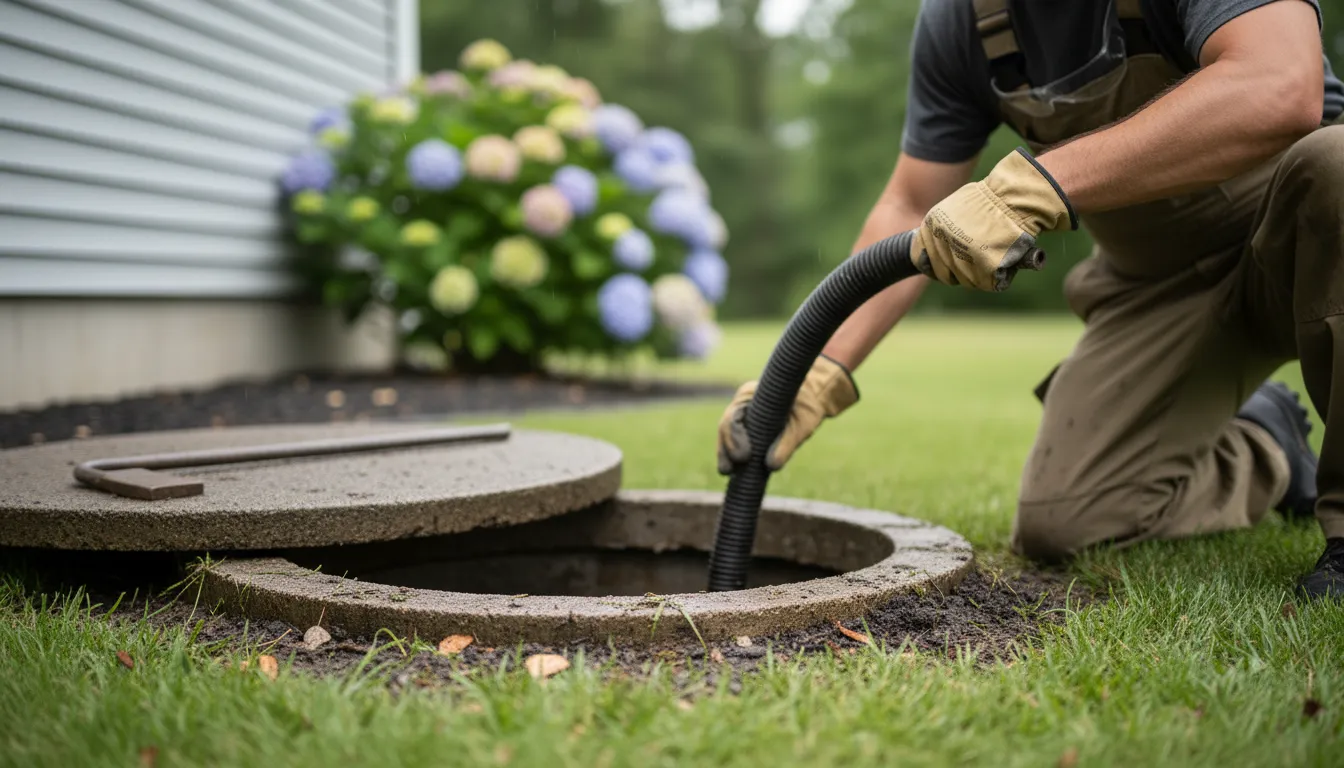
Find the Best Septic Tank Pumping Contractors for Your Business
No obligation • Fast responses • Nationwide coverage

Why you can trust Septic Spot
Septic Spot is a leading United States resource for understanding and comparing septic services. Our editors review providers using consistent criteria and verify key business details. Listings and scores are independent, and companies cannot pay to influence our content.
Search providers near you
Top Septic Tank Pumping Contractors in Lehi, Utah Ranked
Maintaining a healthy septic system is a crucial responsibility for homeowners not connected to municipal sewer lines. Regular septic tank pumping is the cornerstone of this maintenance, preventing system failures, protecting your property value, and safeguarding public health and the local environment. For residents of Lehi, understanding local guidelines and connecting with qualified professionals for septic service is essential for a trouble-free home.
This resource provides clear information on septic system maintenance, including recommended pumping schedules, local regulations, and practical tips to keep your onsite wastewater system functioning properly for years to come.

A-1 Septic
851 N 900 W, Orem, UT 84057
A-1 Septic is a septic tank pumping, inspection, and repair company serving Provo, UT, and the surrounding Utah County area. With over 60 years of experience, they offer a wide range of septic services including tank pumping, locating, inspections, maintenance, riser installations, and troubleshooting. Their capabilities also extend to wastewater system services such as holding tank pumping, lift station maintenance, and compliant wastewater disposal. The company operates six days a week and provides emergency services on Sundays.
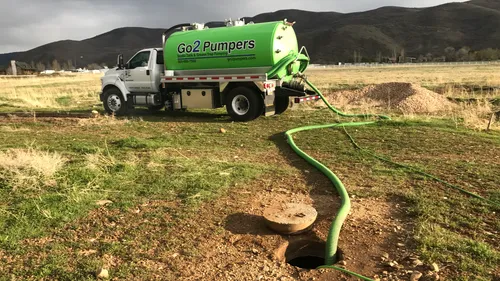
Go2 Pumpers
West Jordan, UT
Go2 Pumpers is a septic tank pumping company based in West Jordan, UT. They provide septic tank cleaning services throughout Northern Utah, specializing in pumping non-hazardous liquids. The company focuses on professional septic maintenance to support residential and commercial needs in the region.
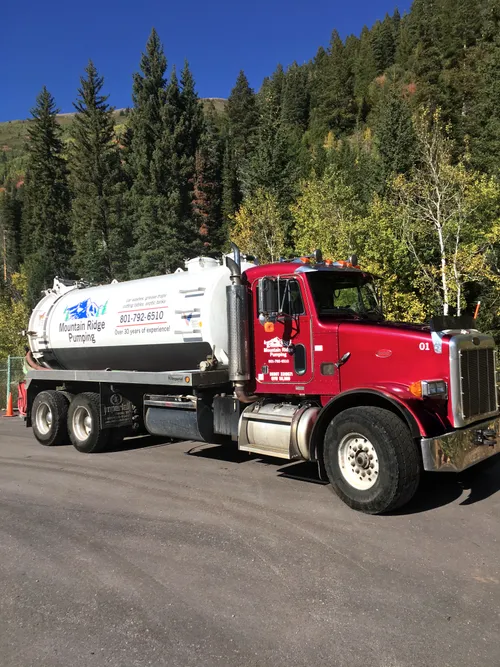
Mountain Ridge Pumping
Salt Lake City, UT
Mountain Ridge Pumping is a licensed and insured company based in Salt Lake City, UT, specializing in septic tank pumping and inspection services for both commercial and residential clients. With over 30 years of experience, they handle non-hazardous liquid waste removal from various sources including septic tanks, car wash pits, storm drains, and lift stations. The company emphasizes proper waste disposal and environmental responsibility by working with reputable waste treatment facilities.
BMS Pumping
13439 S Shaggy Mountain Rd, Herriman, UT 84096
BMS Pumping is a septic tank pumping company serving West Jordan, UT. With over 15 years of experience, they provide septic tank pumping services with a focus on personalized care and project completion on schedule. The company emphasizes a rigorous hiring process to ensure skilled professionals handle each job.
Pumpers Plus
Park City, UT 84060
Pumpers Plus is a locally owned septic tank pumping company serving Salt Lake City, UT, and surrounding areas including Heber, Park City, and the Salt Lake Valley. They specialize in pumping septic tanks, grease traps, holding tanks, RV tanks, car wash tanks, shop sumps, and other liquid non-hazardous waste. The company holds full licensing and permits for all Utah counties and uses state-of-the-art equipment to provide their services.
Why Regular Septic Maintenance is Non-Negotiable
Your septic system is a silent workhorse, treating all the wastewater from your home. When functioning correctly, it safely separates solids, treats liquids, and returns clean water to the ground. Neglecting routine septic tank cleaning, however, can lead to catastrophic and expensive failures. A clogged or overflowing system can cause sewage backups into your home, foul odors in your yard, and contamination of groundwater-a serious public health concern. Proactive maintenance is always far less costly than emergency repairs or a full system replacement.
In Lehi, as growth continues and more homes rely on individual septic systems, proper stewardship is vital. The Utah County Health Department and Lehi City provide specific guidelines to ensure these systems protect both the homeowner and the community 1.
How Often Should You Pump Your Septic Tank in Lehi?
The most common question homeowners have is about the ideal pumping frequency. The general rule of thumb, supported by the EPA and local health authorities, is to have your tank pumped every 3 to 5 years. However, this is a guideline, not a one-size-fits-all schedule. Several household-specific factors can necessitate more frequent septic service:
- Household Size: A family of five or more will generate significantly more wastewater and solids than a single occupant, filling the tank faster.
- Tank Size: Older homes may have smaller tanks (e.g., 500-750 gallons). A smaller tank serving a larger household may require pumping every 1-2 years to prevent problems 2 3.
- Overall Water Usage: High-efficiency appliances conserve water and reduce the load on your system. Conversely, excessive water use from long showers, frequent laundry loads, or leaking fixtures can overwhelm the tank, pushing solids into the drain field prematurely.
A professional inspection is the best way to determine your tank's specific needs. Technicians can measure the sludge and scum layers to provide a personalized recommendation for your next septic tank cleaning.
Understanding Local Lehi and Utah County Regulations
Being aware of local rules is part of responsible homeownership. Lehi City and Utah County have ordinances in place to manage wastewater systems effectively.
- Permits and Inspections: Any new construction, alteration, or change of use for a septic system requires a permit from the Utah County Health Department (or an authorized local jurisdiction) 4 5. A final inspection is mandatory before any underground portions are covered.
- Connection to City Sewer: If municipal sewer service becomes available to your property, Lehi City requires that you connect to it. Homeowners typically have 60 days to make the direct connection. As part of this process, the old septic tank must be professionally pumped, cleaned, and filled with an approved material like sand or gravel 6.
- Advanced Systems: If your system includes electrical components like pumps, switches, or aerators, it is classified as an alternative or "advanced" treatment system. These complex systems often require more vigilant care, including annual inspections by a certified professional to ensure all mechanical parts are operational 7.
What to Expect During a Professional Pumping Service
Hiring a licensed, reputable company for your septic tank pumping ensures the job is done safely and correctly. Here's a typical process:
- Locating and Uncovering the Tank: The technician will locate the tank's access lids, which may require some digging.
- Initial Inspection: Before pumping, a quick visual assessment checks for signs of damage, such as cracks or inflow from surface water.
- Pumping: A large vacuum truck removes all contents from the tank-solids (sludge), floating scum, and liquid effluent.
- Secondary Inspection & Cleaning: With the tank empty, the technician can inspect the baffles, tees, and tank walls for integrity. The tank is often rinsed to remove residual waste.
- Waste Disposal: The pumped waste is transported to a licensed treatment facility for processing, in full compliance with Utah County regulations.
- Service Report: You should receive a report detailing the services performed, the condition of your tank, and any recommendations for repairs or future maintenance.
Find the perfect septic tank pumping contractors for your needs
Get personalized recommendations and expert advice
Key Maintenance Tips to Extend Your System's Life
Pumping is essential, but day-to-day habits play a huge role in your septic system's health. Follow these best practices:
- Conserve Water: Spread out laundry loads, fix dripping faucets and running toilets promptly, and consider installing water-efficient fixtures. Reducing water flow prevents hydraulic overload, allowing solids to properly settle 8.
- Mind What You Flush: Your toilet is not a trash can. Never flush baby wipes, "flushable" wipes, paper towels, feminine hygiene products, diapers, cigarette butts, or cat litter. These materials do not break down and will quickly clog your system.
- Properly Dispose of Grease and Chemicals: Avoid pouring cooking oils, grease, or harsh chemicals (paints, solvents, pesticides) down the drain. They can kill the beneficial bacteria in your tank that break down waste and contaminate groundwater.
- Protect Your Drain Field: This is where treated liquid is dispersed into the soil. Never drive or park vehicles on it, as compaction ruins its ability to absorb water. Avoid planting trees or large shrubs nearby, as roots can infiltrate and clog pipes. Keep roof drains and sump pump discharges away from the area.
Cost of Septic Tank Pumping in the Lehi Area
The cost for routine septic tank pumping in Utah County can vary based on a few key factors. On average, homeowners can expect to pay between $300 and $700 for a standard residential pumping service 9 10. The final price often depends on:
- Tank Size: Pumping a 1,000-gallon tank typically costs less than pumping a 1,500-gallon tank.
- Sludge Volume: Tanks that are severely overdue for service will have more solids to remove, which can increase the price.
- Tank Accessibility: If the tank lids are buried deep or located under a patio or landscaping, extra labor for excavation will add to the cost.
- Additional Services: Inspections, filter cleaning, or minor repairs will be additional line items.
While it may be tempting to seek the lowest price, remember that you are paying for expertise, proper disposal, and insurance. Always choose a licensed and insured provider for your septic service.
The Critical Role of Professional Inspections
Scheduling a professional inspection every three years-and ideally at the same time as pumping-is a wise investment 11. A certified inspector can:
- Accurately measure sludge and scum levels to determine optimal pumping frequency.
- Check for leaks, corrosion, or structural damage in the tank.
- Assess the condition of the drain field for signs of failure.
- Evaluate the functionality of all components, including baffles, pipes, and pumps in advanced systems. Early detection of minor issues during an inspection can prevent them from becoming major, wallet-draining emergencies down the line.
Frequently asked questions
Sources
Footnotes
-
Wastewater - https://www.lehi-ut.gov/departments/water/wastewater/ ↩
-
Wastewater - Lehi City - https://www.lehi-ut.gov/departments/water/wastewater/ ↩
-
How Often to Pump a Septic Tank 2026 - Clear River Environmental - https://clearriverenvironmental.com/how-often-to-pump-a-septic-tank/ ↩
-
9-4B-14: PRIVATE SYSTEM REQUIREMENTS: - https://codelibrary.amlegal.com/codes/lehiut/latest/lehi_ut/0-0-0-4597 ↩
-
TriCounty Health Department TCHD-WW-0317 Wastewater Regulation - https://www.utah.gov/pmn/files/938461.pdf ↩
-
9-4B-14: PRIVATE SYSTEM REQUIREMENTS: - https://codelibrary.amlegal.com/codes/lehiut/latest/lehi_ut/0-0-0-4597 ↩
-
Septic Systems - Southwest Utah Public Health Department - https://swuhealth.gov/septic-systems/ ↩
-
SEPTIC SYSTEM USE & MAINTENANCE Minimize Water Usage ... - https://alexanderhealth.org/health/wp-content/docs/enviroHealth/SepticSystemUseMaintenance.pdf ↩
-
How Often to Pump Septic Tank: 2026 Maintenance Guide - https://dandhsepticservices.com/how-often-to-pump-septic-tank/ ↩
-
How Much Does Septic Tank Pumping Cost in 2025? - https://www.homeadvisor.com/cost/plumbing/clean-septic-tank/ ↩
-
Homeowner's Guide to Septic Systems - https://marionhealth.org/wp-content/uploads/2024/02/EPA_Homeowner_Guide_Septic_Systems.pdf ↩