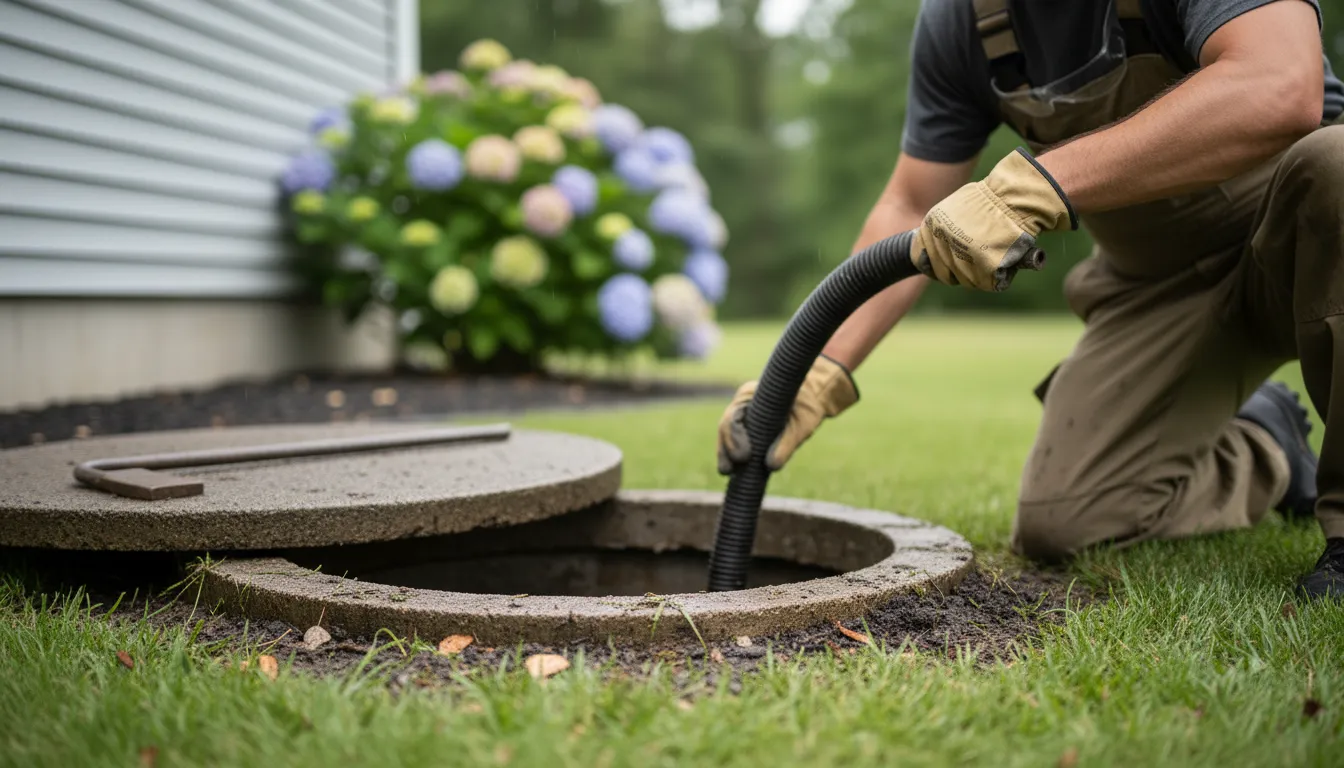
Find the Best Septic Tank Pumping Contractors for Your Business
No obligation • Fast responses • Nationwide coverage

Why you can trust Septic Spot
Septic Spot is a leading United States resource for understanding and comparing septic services. Our editors review providers using consistent criteria and verify key business details. Listings and scores are independent, and companies cannot pay to influence our content.
Search providers near you
Top Septic Tank Pumping Contractors in Murray, Utah Ranked
Maintaining a healthy septic system is a crucial responsibility for homeowners in Murray. Regular septic tank pumping is the most essential maintenance task to prevent costly backups, system failures, and environmental contamination. This guide explains why this service matters, outlines local requirements, and helps you understand how to find qualified professionals to keep your system functioning properly for years to come.

A-1 Septic
851 N 900 W, Orem, UT 84057
A-1 Septic is a septic tank pumping, inspection, and repair company serving Provo, UT, and the surrounding Utah County area. With over 60 years of experience, they offer a wide range of septic services including tank pumping, locating, inspections, maintenance, riser installations, and troubleshooting. Their capabilities also extend to wastewater system services such as holding tank pumping, lift station maintenance, and compliant wastewater disposal. The company operates six days a week and provides emergency services on Sundays.
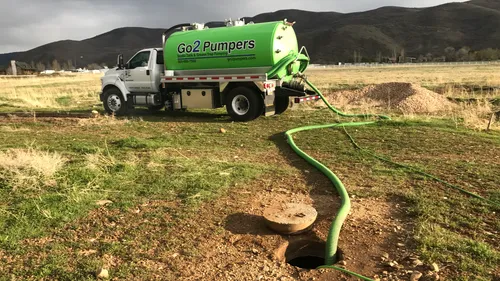
Go2 Pumpers
West Jordan, UT
Go2 Pumpers is a septic tank pumping company based in West Jordan, UT. They provide septic tank cleaning services throughout Northern Utah, specializing in pumping non-hazardous liquids. The company focuses on professional septic maintenance to support residential and commercial needs in the region.
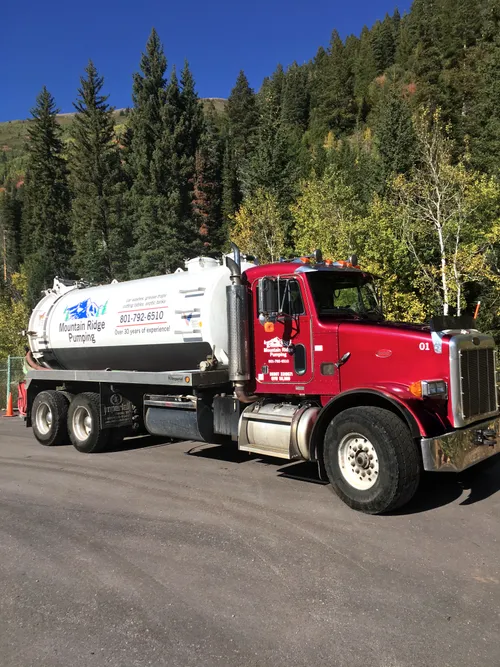
Mountain Ridge Pumping
Salt Lake City, UT
Mountain Ridge Pumping is a licensed and insured company based in Salt Lake City, UT, specializing in septic tank pumping and inspection services for both commercial and residential clients. With over 30 years of experience, they handle non-hazardous liquid waste removal from various sources including septic tanks, car wash pits, storm drains, and lift stations. The company emphasizes proper waste disposal and environmental responsibility by working with reputable waste treatment facilities.
BMS Pumping
13439 S Shaggy Mountain Rd, Herriman, UT 84096
BMS Pumping is a septic tank pumping company serving West Jordan, UT. With over 15 years of experience, they provide septic tank pumping services with a focus on personalized care and project completion on schedule. The company emphasizes a rigorous hiring process to ensure skilled professionals handle each job.
Pumpers Plus
Park City, UT 84060
Pumpers Plus is a locally owned septic tank pumping company serving Salt Lake City, UT, and surrounding areas including Heber, Park City, and the Salt Lake Valley. They specialize in pumping septic tanks, grease traps, holding tanks, RV tanks, car wash tanks, shop sumps, and other liquid non-hazardous waste. The company holds full licensing and permits for all Utah counties and uses state-of-the-art equipment to provide their services.
Why Septic System Pumping is Non-Negotiable
A septic tank is not a disposal unit; it's a live treatment system. When wastewater from your home enters the tank, solids settle to the bottom as sludge, and oils float to the top as scum. The clarified liquid in the middle then flows out to the drainfield for further soil treatment. Over time, the sludge and scum layers accumulate. If they aren't removed via pumping, they can overflow into the drainfield, clogging the soil and causing sewage to surface in your yard or back up into your home. This leads to expensive repairs, potential health hazards, and violations of local health codes. For Murray residents, proactive maintenance is the key to avoiding these nightmares.
Local Murray and Utah Guidelines
Adhering to local regulations isn't just about compliance-it's about protecting your property and community groundwater. In Utah, septic system design and maintenance are governed by state administrative code. For instance, the minimum tank capacity for a three-bedroom home is 1,000 gallons, and a four-bedroom home requires at least 1,250 gallons 1. The Salt Lake County Health Department enforces these state guidelines, which include requirements for proper maintenance to prevent system failure.
While the state provides a framework, the pumping schedule for your specific tank depends on several factors. General guidance suggests an inspection every 1-3 years and pumping every 3-5 years 2. However, this is a starting point. The Utah Administrative Code specifically notes that wastewater holding tanks must be pumped periodically, emphasizing the need for a tailored plan 3. A professional inspection is the only way to know for sure when your tank needs to be pumped.
Determining Your Pumping Schedule
There is no universal timeline for septic tank cleaning. Your schedule is unique to your household. Here are the primary factors that influence how often you'll need this service:
- Household Size: This is the most significant factor. A family of four typically needs pumping every 2 to 5 years 4. In contrast, a household with just one or two people may extend the interval to 6-10 years 5.
- Tank Size: A larger tank (e.g., 1,500 gallons) holds more waste and will require less frequent pumping than a standard 1,000-gallon tank.
- Water Usage: High-volume activities like frequent laundry loads, long showers, or running a dishwasher daily increase the flow through your system, which can require more frequent maintenance 6.
- Garbage Disposal Use: Using a garbage disposal significantly increases the amount of solids entering the tank, accelerating sludge buildup and often necessitating pumping every 2-3 years 7.
- Solid Waste: The type and amount of waste matter. Avoid flushing non-biodegradable items and overusing chemical cleaners, as they can disrupt the bacterial balance needed for decomposition.
The most reliable method is to have your tank inspected by a professional. They can measure the sludge and scum layers to give you a precise recommendation for your next septic system servicing 8.
Find the perfect septic tank pumping contractors for your needs
Get personalized recommendations and expert advice
Recognizing Signs You Need Service Now
Don't wait for a disaster. Be alert for these warning signs that your tank may be full or your system is failing:
- Slow Drains: Sinks, showers, and toilets that drain slowly, especially if gurgling sounds accompany them.
- Unpleasant Odors: Sewage smells inside your home or around the drainfield area in your yard.
- Soggy Lawn: Standing water or unusually lush, green grass over the drainfield, even during dry weather.
- Sewage Backup: The most severe sign-wastewater backing up into household drains.
If you notice any of these signs, contact a septic professional immediately for an inspection. Catching a problem early can save thousands of dollars in repair or replacement costs.
What to Expect: The Pumping Process and Costs
Understanding the service process can help you feel more confident when hiring a professional. A standard septic tank pumping visit typically involves:
- Locating and Uncovering the tank access lids.
- Inspecting the tank interior, inlet/outlet baffles, and overall structure.
- Pumping all solids and liquids from the tank using a vacuum truck.
- Disposing of the waste at an approved treatment facility.
- Providing a Report on the tank's condition and any recommended repairs or future service dates.
In the Murray area, the cost for this essential maintenance varies. For a standard 1,000-gallon tank, you can expect prices to generally range from approximately $270 to over $420 9 10. The final cost can be influenced by:
- Tank Size and Sludge Level: A larger tank or one with excessive solids may cost more.
- Accessibility: Easy, clear access to the tank lids keeps costs down. Digging or clearing obstacles will add to the price.
- Additional Services: If an inspection, minor repair, or filter cleaning is performed during the visit, it will affect the total.
Always get a detailed estimate before work begins.
Choosing a Qualified Service Provider in Murray
Your septic system is a significant investment. Protecting it requires hiring a competent professional. Here's what to look for:
- State and Local Licensing: Ensure the company is licensed to operate in Utah and familiar with Salt Lake County codes.
- Insurance: Verify they carry adequate liability and workers' compensation insurance.
- Experience & Reputation: Look for established companies with positive reviews and a strong local reputation.
- Detailed Service Report: A reputable provider will offer a written report detailing what was done, the condition of your system, and recommendations.
- Environmental Compliance: They should properly dispose of waste at a licensed facility, not on private land.
It is highly recommended to use a professional septic service licensed within the state of Utah for both inspection and pumping to ensure compliance and proper system care 11 12.
Long-Term Care for Your Septic System
Pumping is the cornerstone of maintenance, but a holistic care routine extends its life. Conserve water by fixing leaks and installing efficient fixtures. Be mindful of what goes down the drain-avoid flushing wipes, feminine hygiene products, cooking grease, and harsh chemicals. Have your entire system, including the drainfield, inspected regularly. Keep detailed records of all pumping, inspections, and repairs; this is invaluable for troubleshooting and if you ever sell your home. A well-maintained septic system is a reliable and effective wastewater solution for decades.
Frequently asked questions
Sources
Footnotes
-
Utah Admin. Code R317-4-6 - Design Requirements - https://www.law.cornell.edu/regulations/utah/Utah-Admin-Code-R317-4-6 ↩
-
Frequent Questions on Septic Systems | US EPA - https://www.epa.gov/septic/frequent-questions-septic-systems ↩
-
Utah Admin. Code R317-4-10 - Wastewater Holding Tanks ... - https://www.law.cornell.edu/regulations/utah/Utah-Admin-Code-R317-4-10 ↩
-
How Often Should a Family of 4 Pump Their Septic Tank? - https://www.splashplumbing.com/how-often-to-pump-septic-tank-for-a-family-of-4-essential-maintenance-guidelines/ ↩
-
How often to pump septic tank family of 2 - https://dillonseptic.com/how-often-to-pump-septic-tank-family-of-2/ ↩
-
Smart Solutions for Optimizing Septic Tank Pumping Frequency - https://smartsepticpros.com/blog/septic-tank-pumping-frequency/ ↩
-
How Often to Pump a Septic Tank - Clear River Environmental - https://clearriverenvironmental.com/how-often-to-pump-a-septic-tank/ ↩
-
Septic Tanks - Preventative Routine Maintenance - https://des.sc.gov/permits-regulations/septic-tanks/homeowner-resources/septic-tanks-preventative-routine-maintenance ↩
-
Septic Tank Pumping Cost: Guide & Pricing in 2025 - Splash Plumbing - https://www.splashplumbing.com/how-much-does-it-cost-to-pump-septic-tank-understanding-pricing-and-factors-involved/ ↩
-
Septic Tank Pumping Cost: Guide & Pricing in 2025 - https://www.splashplumbing.com/how-much-does-it-cost-to-pump-septic-tank-understanding-pricing-and-factors-involved/ ↩
-
Septic Tank Pumping Frequency: Crucial Maintenance Guide - https://septic911.com/septic-tank-pumping-frequency/ ↩
-
Maintaining Your Septic System - https://www.snohd.org/682/Maintaining-Your-Septic-System ↩