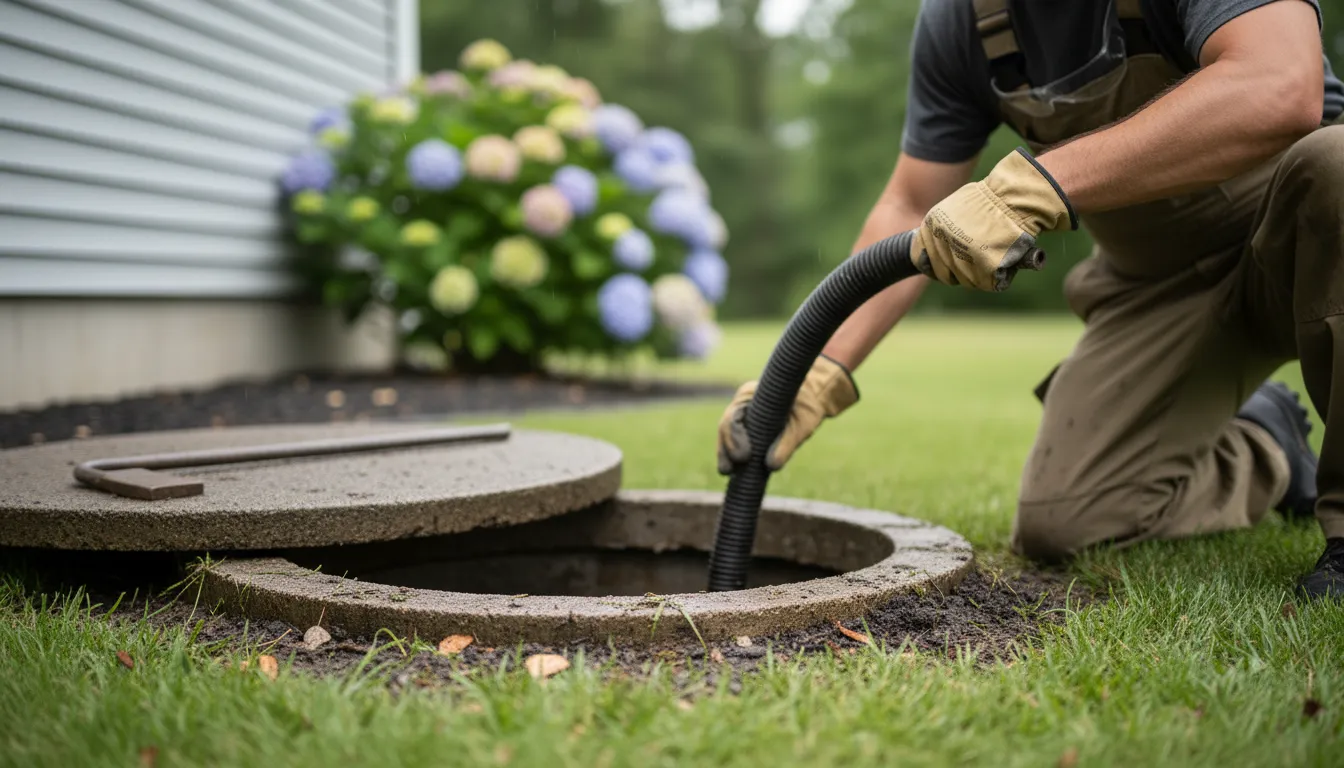
Find the Best Septic Tank Pumping Contractors for Your Business
No obligation • Fast responses • Nationwide coverage

Why you can trust Septic Spot
Septic Spot is a leading United States resource for understanding and comparing septic services. Our editors review providers using consistent criteria and verify key business details. Listings and scores are independent, and companies cannot pay to influence our content.
Search providers near you
Top Septic Tank Pumping Contractors in Orem, Utah Ranked
Maintaining a healthy septic system is a crucial responsibility for homeowners in Orem. Regular septic tank pumping is the most important preventative maintenance you can perform to avoid messy backups, protect your property value, and prevent costly environmental damage. This guide provides essential information on septic system service, including recommended pumping schedules, inspection protocols, and local cost considerations, to help you find qualified professionals for your home's needs.

A-1 Septic
851 N 900 W, Orem, UT 84057
A-1 Septic is a septic tank pumping, inspection, and repair company serving Provo, UT, and the surrounding Utah County area. With over 60 years of experience, they offer a wide range of septic services including tank pumping, locating, inspections, maintenance, riser installations, and troubleshooting. Their capabilities also extend to wastewater system services such as holding tank pumping, lift station maintenance, and compliant wastewater disposal. The company operates six days a week and provides emergency services on Sundays.
Go2 Pumpers
West Jordan, UT
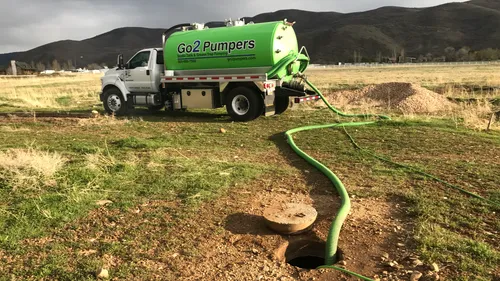
Go2 Pumpers is a septic tank pumping company based in West Jordan, UT. They provide septic tank cleaning services throughout Northern Utah, specializing in pumping non-hazardous liquids. The company focuses on professional septic maintenance to support residential and commercial needs in the region.
Mountain Ridge Pumping
Salt Lake City, UT
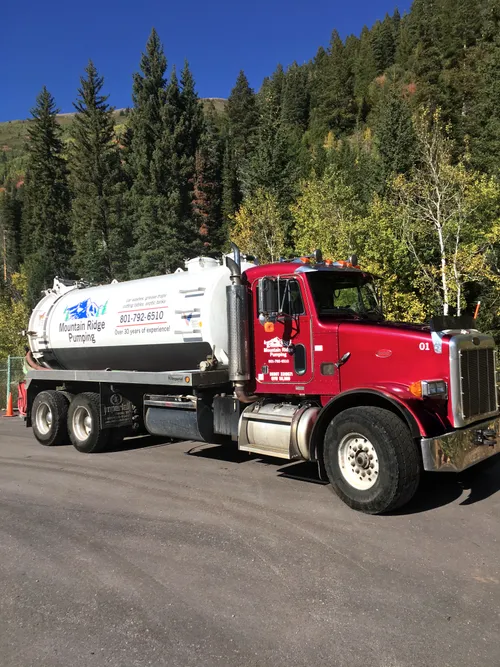
Mountain Ridge Pumping is a licensed and insured company based in Salt Lake City, UT, specializing in septic tank pumping and inspection services for both commercial and residential clients. With over 30 years of experience, they handle non-hazardous liquid waste removal from various sources including septic tanks, car wash pits, storm drains, and lift stations. The company emphasizes proper waste disposal and environmental responsibility by working with reputable waste treatment facilities.
BMS Pumping
13439 S Shaggy Mountain Rd, Herriman, UT 84096
BMS Pumping is a septic tank pumping company serving West Jordan, UT. With over 15 years of experience, they provide septic tank pumping services with a focus on personalized care and project completion on schedule. The company emphasizes a rigorous hiring process to ensure skilled professionals handle each job.
Pumpers Plus
Park City, UT 84060
Pumpers Plus is a locally owned septic tank pumping company serving Salt Lake City, UT, and surrounding areas including Heber, Park City, and the Salt Lake Valley. They specialize in pumping septic tanks, grease traps, holding tanks, RV tanks, car wash tanks, shop sumps, and other liquid non-hazardous waste. The company holds full licensing and permits for all Utah counties and uses state-of-the-art equipment to provide their services.
Why Regular Septic Maintenance is Essential in Orem
A septic system is an on-site wastewater treatment plant for your home. When functioning correctly, it safely processes everything that goes down your drains. The tank itself holds the wastewater, allowing solids to settle as sludge and scum to float. Over time, this sludge layer builds up. If it isn't removed through periodic septic tank cleaning, solids can flow into the drain field, clogging the soil and causing system failure. A failed drain field can lead to sewage surfacing in your yard, foul odors, and contamination of groundwater-a serious health and environmental hazard. Regular pumping removes this accumulated waste, keeping the entire system operational.
For Orem residents, proactive maintenance isn't just a good idea; it's a smart investment. The cost of pumping a tank every few years is minor compared to the expense of repairing or replacing a failed drain field, which can run into the tens of thousands of dollars. Furthermore, Utah County has regulations regarding septic systems, and a malfunctioning system can become a legal issue. Keeping a service record demonstrates responsible homeownership and is often required during property transfers.
How Often Should You Pump Your Septic Tank?
The most common recommendation for residential systems is to schedule septic tank pumping every 3 to 5 years 1. However, this is a general guideline. The exact frequency for your Orem home depends on several key factors:
- Household Size and Water Usage: The more people living in your home, the more wastewater is generated, filling the tank faster. A household of 5-6 people will likely need service more often than a couple living in the same house 2.
- Tank Size: Older homes or properties with limited space may have smaller tanks (often under 1,000 gallons). A smaller tank fills with solids more quickly, potentially requiring pumping every 2-3 years 3.
- Garbage Disposal Use: Using a garbage disposal significantly increases the amount of solid organic matter entering your tank. This accelerates sludge buildup, shortening the time between necessary pump-outs.
- Overall System Age and Condition: Older systems or those with a history of issues may require more vigilant maintenance and more frequent pumping to remain functional.
A professional inspection is the best way to determine your tank's current sludge level and establish a personalized pumping schedule. Don't wait for warning signs like slow drains or odors; by then, damage may already be occurring.
The Role of Professional Septic Inspections
While pumping removes accumulated waste, a thorough septic system inspection assesses the overall health of your entire setup. Experts advise having a professional inspection every 1 to 3 years, and it is highly recommended to perform one every time the tank is pumped 4 5.
A comprehensive inspection goes beyond just measuring sludge. A qualified technician will:
- Check the inlet and outlet baffles to ensure they are intact and functioning.
- Look for cracks or leaks in the tank itself.
- Inspect the drain field for signs of surfacing effluent or soggy ground.
- Evaluate the scum layer thickness.
- For systems with pumps, alarms, or other mechanical components, functionality tests are critical. The EPA notes that alternative systems with electrical components often require annual inspections 6.
These inspections can identify small problems-like a damaged baffle or a minor leak-before they escalate into major, expensive failures. Think of it as a routine physical for your home's essential wastewater system.
Find the perfect septic tank pumping contractors for your needs
Get personalized recommendations and expert advice
Understanding Costs for Septic Service in Orem
The cost to pump a standard residential septic tank in the Orem area typically ranges from $350 to $650 7 8. Several variables influence the final price:
- Tank Size and Volume: Larger tanks (e.g., 1,500 gallons) cost more to pump than standard 1,000-gallon tanks because they hold more waste and require more labor and disposal fees.
- Tank Accessibility: If the tank's manhole covers are buried deep or located under a patio, deck, or landscaping, the technician will need extra time and labor to excavate, increasing the cost.
- Amount of Solids: Tanks that are severely overdue for service will have a higher volume of solidified sludge, which can be more difficult and time-consuming to remove.
- Additional Services: The base pumping fee may not include an inspection, cleaning of effluent filters, or minor repairs. Always ask for a detailed quote that outlines what is included.
While price is a consideration, the expertise and reliability of the service provider are paramount. A properly performed pump-out includes checking system components and ensuring the tank is left ready for years of continued service.
Best Practices for Septic System Care
Pumping and inspections are the cornerstones of maintenance, but your daily habits play a significant role in your system's longevity.
Do:
- Conserve water to avoid hydraulically overloading the system. Fix leaky faucets and toilets promptly, and spread out laundry loads.
- Dispose of waste properly. Only flush human waste and toilet paper.
- Keep detailed records of all pumping, inspections, and repairs.
- Divert rainwater from roofs and driveways away from your drain field to keep the soil from becoming saturated.
Don't:
- Flush non-biodegradables like wipes (even "flushable" ones), feminine hygiene products, dental floss, or cigarette butts.
- Pour grease or cooking oils down the drain, as they solidify and clog pipes and the tank.
- Use harsh chemical drain cleaners or antibacterial soaps excessively, as they can kill the beneficial bacteria in your tank that break down waste.
- Park vehicles or build structures over your tank or drain field, as the weight can compact soil and crush pipes.
Following these guidelines between professional services will help ensure your septic system operates efficiently for decades.
Signs Your Orem Septic Tank Needs Immediate Attention
While adhering to a schedule is best, be aware of these red flags that indicate your system needs service right away:
- Slow Drains: Gurgling sounds or slow drainage from toilets, showers, and sinks, especially if plunging or drain cleaners don't help.
- Unpleasant Odors: Sewage smells inside your home or in the yard near the tank or drain field.
- Soggy Lawn: Unexpectedly lush, wet, or spongy grass over the drain field, particularly when it hasn't rained.
- Sewage Backup: The most severe sign, where wastewater backs up into household drains.
If you notice any of these issues, contact a septic professional immediately to assess the situation and prevent further damage or health risks.
Frequently asked questions
Sources
Footnotes
-
Septic Tank Pumping Frequency: Crucial Maintenance Guide - https://septic911.com/septic-tank-pumping-frequency/ ↩
-
Understanding the Average Cost to Pump a Septic Tank - https://www.scorpionsepticservices.com/blog/understanding-the-average-cost-to-pump-a-septic-tank ↩
-
Discover the Recommended Septic Tank Pumping Frequency - https://www.unitedsewerservice.com/recommended-septic-tank-pumping-frequency/ ↩
-
Caring for Your Septic System | Mass.gov - https://www.mass.gov/guides/caring-for-your-septic-system ↩
-
Homeowners Guide to Septic Systems Brochure - Alpine, UT - https://www.alpineut.gov/DocumentCenter/View/136/Private-Septic-System-Care-PDF ↩
-
How to Care for Your Septic System | US EPA - https://www.epa.gov/septic/how-care-your-septic-system ↩
-
Frequent Questions on Septic Systems | US EPA - https://www.epa.gov/septic/frequent-questions-septic-systems ↩
-
How Much Does It Cost to Pump a Septic Tank? - https://dillonseptic.com/how-much-does-it-cost-to-pump-a-septic-tank/ ↩