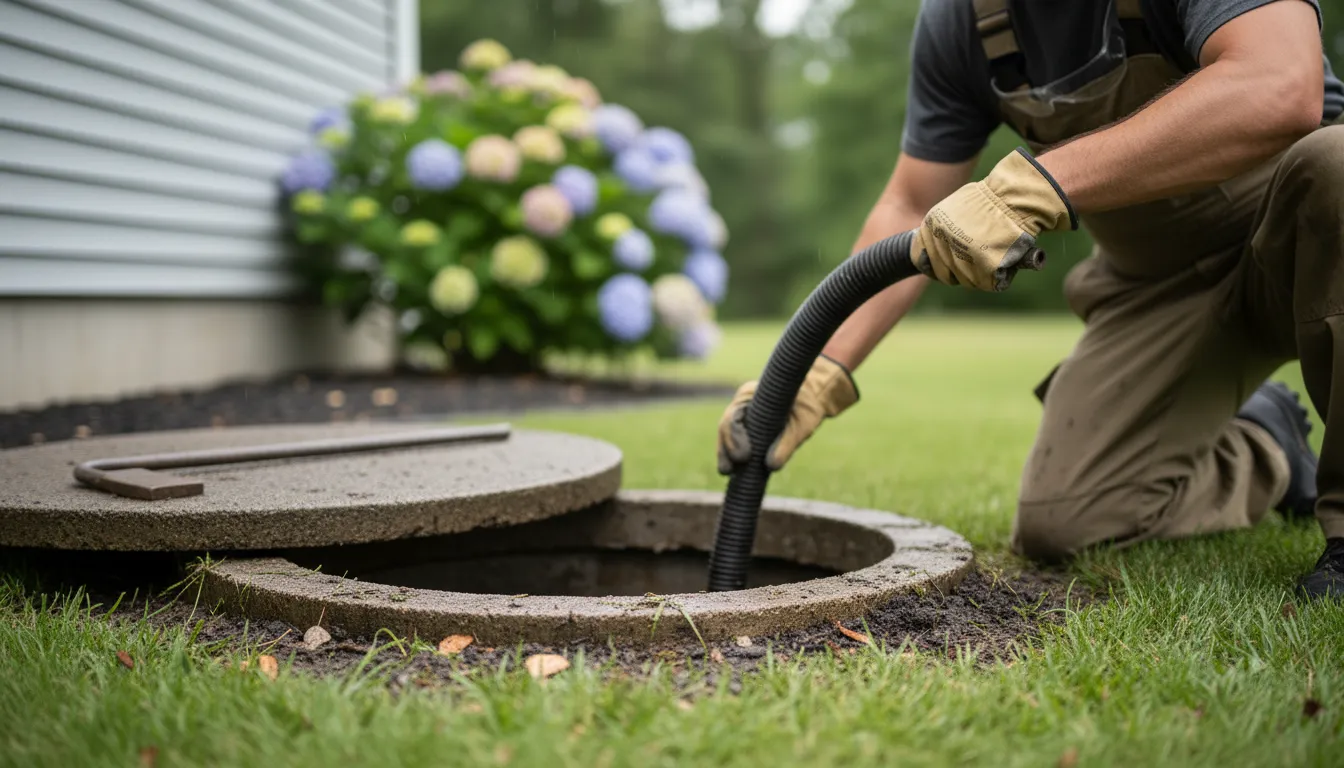
Find the Best Septic Tank Pumping Contractors for Your Business
No obligation • Fast responses • Nationwide coverage

Why you can trust Septic Spot
Septic Spot is a leading United States resource for understanding and comparing septic services. Our editors review providers using consistent criteria and verify key business details. Listings and scores are independent, and companies cannot pay to influence our content.
Search providers near you
Top Septic Tank Pumping Contractors in Sandy, Utah Ranked
Maintaining your septic system is a crucial responsibility for any homeowner not connected to a municipal sewer line. Regular septic tank pumping and cleaning is the most important maintenance task you can perform to prevent costly backups, system failures, and environmental contamination. This guide provides essential information for Sandy residents on how often to service your tank, what to expect during a pump-out, and how to find qualified local professionals to keep your system functioning smoothly for years to come.

A-1 Septic
851 N 900 W, Orem, UT 84057
A-1 Septic is a septic tank pumping, inspection, and repair company serving Provo, UT, and the surrounding Utah County area. With over 60 years of experience, they offer a wide range of septic services including tank pumping, locating, inspections, maintenance, riser installations, and troubleshooting. Their capabilities also extend to wastewater system services such as holding tank pumping, lift station maintenance, and compliant wastewater disposal. The company operates six days a week and provides emergency services on Sundays.
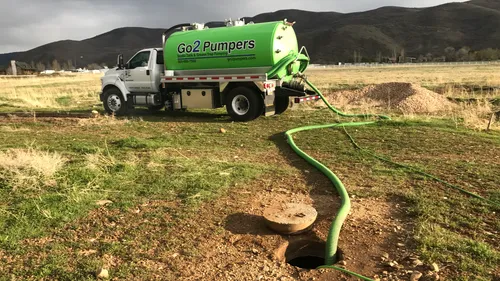
Go2 Pumpers
West Jordan, UT
Go2 Pumpers is a septic tank pumping company based in West Jordan, UT. They provide septic tank cleaning services throughout Northern Utah, specializing in pumping non-hazardous liquids. The company focuses on professional septic maintenance to support residential and commercial needs in the region.
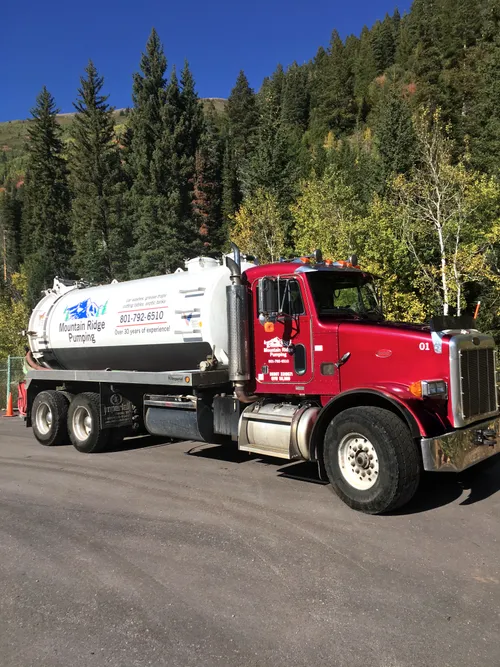
Mountain Ridge Pumping
Salt Lake City, UT
Mountain Ridge Pumping is a licensed and insured company based in Salt Lake City, UT, specializing in septic tank pumping and inspection services for both commercial and residential clients. With over 30 years of experience, they handle non-hazardous liquid waste removal from various sources including septic tanks, car wash pits, storm drains, and lift stations. The company emphasizes proper waste disposal and environmental responsibility by working with reputable waste treatment facilities.
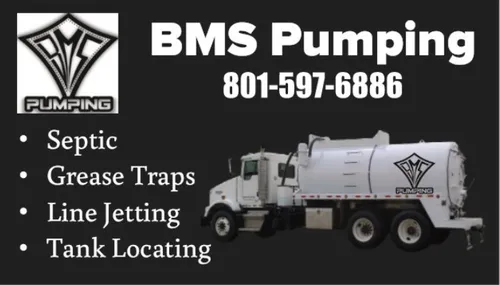
BMS Pumping
13439 S Shaggy Mountain Rd, Herriman, UT 84096
BMS Pumping is a septic tank pumping company serving West Jordan, UT. With over 15 years of experience, they provide septic tank pumping services with a focus on personalized care and project completion on schedule. The company emphasizes a rigorous hiring process to ensure skilled professionals handle each job.
Pumpers Plus
Park City, UT 84060
Pumpers Plus is a locally owned septic tank pumping company serving Salt Lake City, UT, and surrounding areas including Heber, Park City, and the Salt Lake Valley. They specialize in pumping septic tanks, grease traps, holding tanks, RV tanks, car wash tanks, shop sumps, and other liquid non-hazardous waste. The company holds full licensing and permits for all Utah counties and uses state-of-the-art equipment to provide their services.
Understanding Your Septic System and Why Pumping is Vital
A septic system is an on-site wastewater treatment structure, typically consisting of a tank and a drain field. All the water from your home's toilets, showers, sinks, and appliances flows into the underground tank. Here, solids settle to the bottom as sludge, oils and grease float to the top as scum, and the relatively clear liquid in the middle (effluent) flows out into the drain field for further soil-based treatment.
The purpose of septic tank cleaning is to remove the accumulated sludge and scum before they overflow into the drain field. If these solids escape the tank, they can clog the perforated pipes in the drain field, leading to sewage backing up into your home or surfacing in your yard-a messy, unhealthy, and expensive problem to fix. Regular pumping is the cornerstone of a preventative maintenance plan.
How Often Should You Pump Your Septic Tank in Sandy?
The most common question homeowners have is about the ideal septic service schedule. While a general rule is every 3 to 5 years for an average household, several local factors specific to Sandy can influence this timeline.
- Household Size and Water Usage: The more people in your home, the more wastewater is generated. A family of four or more will fill a tank much faster than a couple. Furthermore, concentrated water use-like doing all laundry on a single day-can overwhelm the system's settling process, pushing solids toward the drain field. For larger households or those with high water usage, a more frequent tank emptying schedule of every 2 to 3 years is often recommended 1.
- Tank Size: Older homes may have smaller tanks (e.g., 1,000 gallons), which require more frequent pumping than newer homes with 1,500-gallon or larger tanks. A 1,000-gallon tank serving a family often needs service every 2-3 years 2.
- Sandy Soil Conditions: Sandy is known for its sandy soils, which can impact septic system performance. While sandy soil generally provides excellent drainage for a drain field, it can also allow finer solids to pass through from the tank if sludge levels get too high. Some sources note that systems in sandy environments may function longer between pump-outs, but they strongly emphasize that annual inspections are critical to monitor solids accumulation and determine the precise need for pumping 3 4. Relying on a set schedule without inspection is not advised.
The bottom line: The U.S. Environmental Protection Agency (EPA) recommends inspections at least every three years, but an annual inspection by a professional is considered best practice 5. This inspection will measure sludge and scum levels to give you a data-driven answer on when pumping is truly needed.
What Does a Professional Septic Pumping Service Include?
A full septic tank service is more than just removing waste. When you hire a qualified provider in Sandy, the process typically involves:
- Locating and Uncovering the Tank: The technician will find your tank's access lids (manholes) and dig down to expose them.
- Inspecting the System: Before pumping, a good technician will perform a visual inspection. They check the inlet and outlet baffles (tees) for blockages or damage, look for signs of leaks or cracks in the tank, and note the condition of the tank's structure.
- Pumping the Tank: Using a large tanker truck with a powerful vacuum hose, all liquid and solid waste is pumped out from the tank.
- Post-Pumping Inspection: After the tank is empty, the technician may inspect the interior again to check for structural issues that were hidden by the wastewater.
- System Advice: The professional should provide you with a report and recommendations, which may include the observed sludge level, the estimated time until your next pumping, and any concerns about other components.
Find the perfect septic tank pumping contractors for your needs
Get personalized recommendations and expert advice
What Influences the Cost of Septic Pumping in Sandy?
The cost for septic tank pumping in Sandy can vary. For a standard 1,000-gallon tank, homeowners can generally expect to pay between $250 and $557 6 7 8. Several key factors determine where your cost falls within that range:
- Tank Size and Volume: Larger tanks (1,500 gallons, 2,000 gallons) cost more to pump because they hold more waste and require more time and disposal fees.
- Tank Accessibility: If the tank is buried deep, requires extensive digging, or is located far from where the pump truck can park, labor costs will increase. Clear, easy access helps keep prices lower.
- Sludge and Scum Levels: A tank that is severely overdue for service will have thickened, compacted sludge that takes longer to vacuum out, potentially increasing the price.
- Additional Services: The base pumping fee may not include costs for an inspection, cleaning the effluent filter (if present), or repairing baffles. Always ask what is included in the quoted price.
Best Practices for Septic System Care in Sandy
Pumping is essential, but day-to-day habits protect your investment between service visits.
- Conserve and Spread Out Water Use: Fix leaky faucets and toilets immediately. Use high-efficiency fixtures and spread water-intensive activities (like laundry and dishwasher runs) throughout the week instead of in a single day 9.
- Mind What You Flush and Drain: Only human waste and toilet paper should go down the toilet. Avoid flushing wipes (even "flushable" ones), feminine hygiene products, dental floss, diapers, and cooking grease/oils. Use a sink strainer to catch food scraps.
- Be Skeptical of Additives: Avoid chemical or biological septic tank additives that claim to eliminate the need for pumping. The EPA states that there is no independent scientific evidence that these products are effective, and some can actually harm your system's biology or contaminate groundwater 10.
- Protect Your Drain Field: Never park vehicles or build structures over your drain field. Keep roof drains, sump pumps, and other surface water away from the area. Plant only grass over the drain field; tree and shrub roots can cause severe damage.
Choosing a Licensed Service Provider in Sandy
For your safety and your system's longevity, it's imperative to hire a qualified professional. In Salt Lake County, septic system contractors and pumpers must be licensed with the local health department 11. Always verify a company's license and ask for proof of insurance. A reputable provider will be happy to answer your questions, provide a detailed estimate, and explain their inspection process.
Frequently asked questions
Sources
Footnotes
-
When to Pump Your Septic Tank | Roto-Rooter - https://www.rotorooter.com/blog/outdoor-plumbing/5-signs-its-time-to-call-your-septic-pumping-service/ ↩
-
How Often to Pump a Septic Tank 2026 - Clear River Environmental - https://clearriverenvironmental.com/how-often-to-pump-a-septic-tank/ ↩
-
Septic Systems in Sandy Environments - https://www.septicconnection.com/septic-systems-in-sandy-environments ↩
-
Septic Systems in Sandy Environments - https://www.septicconnection.com/septic-systems-in-sandy-environments ↩
-
How Often to Clean Septic Tanks: Essential Maintenance Guidelines - https://www.rciseptic.com/how-often-to-clean-septic-tanks-essential-guide ↩
-
Septic Tank Pumping Cost: Guide & Pricing in 2025 - Splash Plumbing - https://www.splashplumbing.com/how-much-does-it-cost-to-pump-septic-tank-understanding-pricing-and-factors-involved/ ↩
-
Septic Systems in Sandy Environments - https://www.metrosepticpumping.com/septic-systems-in-sandy-environments ↩
-
Heating, Cooling, and Electric - https://www.wilsonplumbingandheating.com/post/septic-tank-pumping-cost ↩
-
How Often Can You Do Laundry Without Sacrificing Your Septic? - https://www.wrenvironmental.com/blog/2017/august/how-often-can-you-do-laundry-without-sacrificing/ ↩
-
How to Care for Your Septic System | US EPA - https://www.epa.gov/septic/how-care-your-septic-system ↩
-
How often to pump septic tank family of 2 - https://dillonseptic.com/how-often-to-pump-septic-tank-family-of-2/ ↩