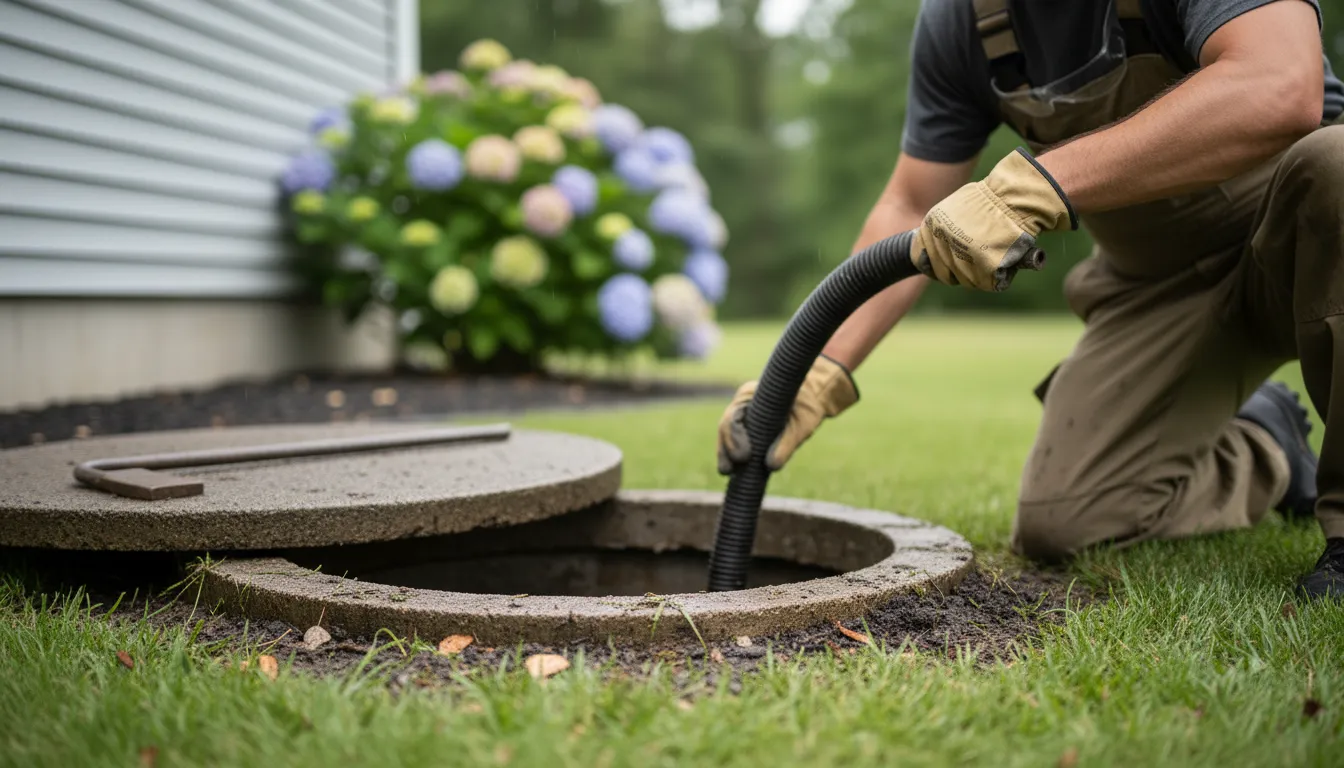
Find the Best Septic Tank Pumping Contractors for Your Business
No obligation • Fast responses • Nationwide coverage

Why you can trust Septic Spot
Septic Spot is a leading United States resource for understanding and comparing septic services. Our editors review providers using consistent criteria and verify key business details. Listings and scores are independent, and companies cannot pay to influence our content.
Search providers near you
Top Septic Tank Pumping Contractors in West Valley City, Utah Ranked
Maintaining a healthy septic system is a crucial, yet often overlooked, responsibility for homeowners. Septic tank pumping is the essential service of removing accumulated solids and sludge from your tank to prevent system failure, environmental contamination, and costly repairs. For residents of West Valley City, understanding local regulations, typical costs, and maintenance schedules is key to protecting your property and our local watershed. This guide will help you navigate the specifics of septic system maintenance in our area, from how often to schedule service to what you can expect during the process.
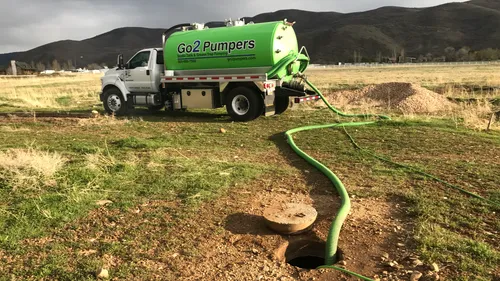
Go2 Pumpers
West Jordan, UT
Go2 Pumpers is a septic tank pumping company based in West Jordan, UT. They provide septic tank cleaning services throughout Northern Utah, specializing in pumping non-hazardous liquids. The company focuses on professional septic maintenance to support residential and commercial needs in the region.
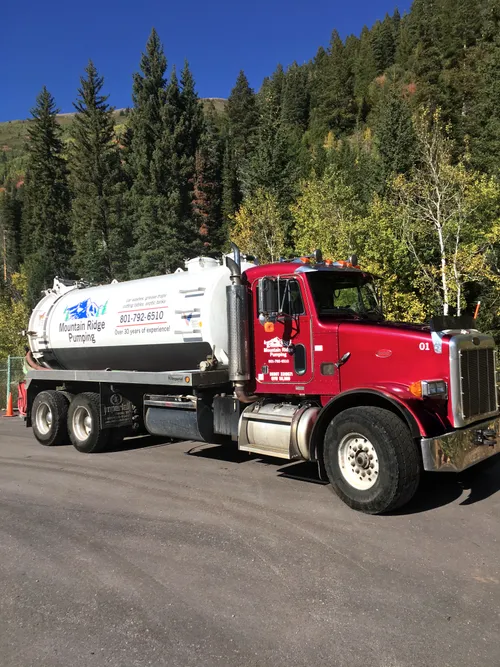
Mountain Ridge Pumping
Salt Lake City, UT
Mountain Ridge Pumping is a licensed and insured company based in Salt Lake City, UT, specializing in septic tank pumping and inspection services for both commercial and residential clients. With over 30 years of experience, they handle non-hazardous liquid waste removal from various sources including septic tanks, car wash pits, storm drains, and lift stations. The company emphasizes proper waste disposal and environmental responsibility by working with reputable waste treatment facilities.
BMS Pumping
13439 S Shaggy Mountain Rd, Herriman, UT 84096
BMS Pumping is a septic tank pumping company serving West Jordan, UT. With over 15 years of experience, they provide septic tank pumping services with a focus on personalized care and project completion on schedule. The company emphasizes a rigorous hiring process to ensure skilled professionals handle each job.

Pumpers Plus
Park City, UT 84060
Pumpers Plus is a locally owned septic tank pumping company serving Salt Lake City, UT, and surrounding areas including Heber, Park City, and the Salt Lake Valley. They specialize in pumping septic tanks, grease traps, holding tanks, RV tanks, car wash tanks, shop sumps, and other liquid non-hazardous waste. The company holds full licensing and permits for all Utah counties and uses state-of-the-art equipment to provide their services.
A&B Sewer & Drain Cleaning
1061 Major St, Salt Lake City, UT 84111
A&B Sewer & Drain Cleaning is a licensed, bonded, and insured company based in Salt Lake City, UT. They provide plumbing, sewer, and septic tank services for residential, commercial, and infrastructure clients. Their offerings include septic tank pumping, inspections, drain cleaning, water main replacement, and full video inspection services. The company serves both Utah and Nevada and is available around the clock for emergency plumbing needs.
Why Regular Septic Maintenance is Non-Negotiable
Your septic system is a mini wastewater treatment plant on your property. When functioning correctly, it safely processes household water from toilets, showers, sinks, and appliances. The tank itself separates solids from liquids, allowing clarified effluent to flow out to the drain field for further filtration into the soil. Over time, however, solids (sludge) accumulate at the bottom of the tank. If these solids are not removed through regular pumping, they can flow into and clog the drain field-the most expensive component of your system to repair or replace 1. A failed drain field can lead to sewage backing up into your home or surfacing in your yard, creating health hazards and environmental issues. Regular maintenance, including septic tank cleaning and inspection, is the most cost-effective way to avoid these disasters.
West Valley City & Salt Lake County Regulations
In West Valley City, septic systems are regulated by the Salt Lake County Health Department. They oversee the permitting, installation, and maintenance of onsite wastewater systems with a daily flow of 5,000 gallons or less. For systems larger than that, the Utah Department of Environmental Quality takes the lead. While the county may not mandate a specific pumping schedule for every home, they strongly enforce system performance and environmental safety. A failing system is a violation, and homeowners are responsible for bringing it into compliance. The department's guidelines are based on protecting public health and local groundwater, making adherence not just a legal matter but a community responsibility.
How Often Should You Pump Your Septic Tank?
The most common question homeowners have is about frequency. There's no one-size-fits-all answer, but a general rule is to pump your septic tank every 3 to 5 years 2. Several key factors influence this timeline specifically for West Valley City homes:
- Household Size: More people generate more wastewater and solid waste, filling the tank faster.
- Tank Capacity: A standard 1,000-gallon tank serving a family of four typically requires pumping every 2.5 to 3 years 3. Smaller households with the same tank size may extend the interval.
- Overall Water Usage: Garbage disposals, frequent laundry loads, and long showers increase the volume and solids entering the system.
- System Age and Condition: Older systems or those with a history of issues may need more frequent attention.
The Salt Lake County Health Department recommends inspections every 1 to 3 years to check sludge and scum levels 4. An inspection by a qualified professional is the only reliable way to know if your tank needs pumping. They can measure the sludge layer and provide a personalized recommendation, preventing you from pumping unnecessarily or waiting too long.
Find the perfect septic tank pumping contractors for your needs
Get personalized recommendations and expert advice
Understanding the Cost of Septic Pumping Services
The cost to pump a septic tank in West Valley City can vary based on several factors. Having a general understanding of pricing helps homeowners budget for this essential service and compare estimates.
- Standard Service Range: For a routine pumping of a standard-sized tank (typically 1,000-1,500 gallons), homeowners can expect to pay between $250 and $600 5. This price usually includes locating and uncovering the tank access lids, pumping out all solids and liquids, a basic visual inspection of the tank's interior, and proper disposal of the waste at a licensed facility.
- Tank Size: Smaller tanks (under 750 gallons) may cost less, in the range of $150 to $250, while larger tanks (over 1,500 gallons) will be on the higher end of the scale.
- Condition and Accessibility: If your tank hasn't been pumped in many years (e.g., 7+ years), the sludge can harden, making the job more difficult and time-consuming. This can add $100 to $200 or more to the bill 6. Similarly, if the tank access is buried deep, overgrown, or blocked by structures, extra labor for excavation will increase the cost.
- Emergency vs. Scheduled: An emergency pump-out due to a backup or obvious failure will almost always cost more than a scheduled, preventative service. Emergency rates can range from $290 to over $700 depending on the severity and time of day 7.
Always get a detailed, written estimate before work begins. A reputable provider will be transparent about what is included and will identify any potential additional charges for things like digging or repairs.
The Consequences of Neglecting Your System
Postponing septic tank maintenance is a gamble with high stakes. The immediate cost of a pump-out is minor compared to the expense of system failure.
- Drain Field Failure: This is the most severe and costly outcome. When solids clog the drain field pipes or the soil itself, the effluent can no longer percolate. Repairing or replacing a drain field can cost thousands of dollars-often $5,000 to $20,000 or more-and may require major landscaping work.
- Property Damage and Health Hazards: Sewage backups into bathtubs, showers, and basements create unsanitary conditions, property damage, and foul odors. Surfacing sewage in your yard is a direct health risk to your family, pets, and neighbors.
- Environmental Harm: A failing system can contaminate nearby wells, streams, and groundwater with harmful bacteria, viruses, and nitrates. Protecting Utah's water resources is a shared duty.
- Lower Property Value: A malfunctioning or poorly maintained septic system will be flagged during a home inspection, potentially derailing a sale or significantly reducing your home's market value.
Investing in regular septic system service is, without a doubt, the smartest financial and practical decision a homeowner can make.
Choosing a Reliable Service Provider in West Valley City
When it's time to schedule your septic tank emptying, selecting the right professional is important. Look for a licensed, insured, and locally experienced contractor. They should be familiar with Salt Lake County codes and soil conditions. Ask about their inspection process-do they just pump, or do they also assess the tank's baffles, inlet/outlet pipes, and overall condition? Read reviews and ask neighbors for recommendations. A trustworthy provider will be happy to answer your questions, provide references, and offer clear guidance on your system's maintenance schedule.
Daily Habits for a Healthy Septic System
Professional pumping is the cornerstone of maintenance, but your daily habits play a huge supporting role.
- Conserve Water: Fix leaks, install efficient fixtures, and spread out laundry loads to avoid overwhelming the system.
- Mind What You Flush: Only human waste and toilet paper should go down the toilet. Never flush wipes (even "flushable" ones), feminine hygiene products, dental floss, diapers, or paper towels.
- Use the Trash Can: Avoid using your garbage disposal excessively, as it adds ground-up solids to your tank. Dispose of cooking grease, coffee grounds, and food scraps in the trash.
- Protect the Drain Field: Never park or drive heavy vehicles over the drain field. Keep roof drains, sump pumps, and other surface water away from the area. Avoid planting trees or deep-rooted shrubs nearby.
By combining responsible daily use with professional septic tank pumping and inspection on a recommended schedule, you can ensure your West Valley City home's wastewater system operates safely and efficiently for decades.
Frequently asked questions
Sources
Footnotes
-
Caring for Your Septic System | Mass.gov - https://www.mass.gov/guides/caring-for-your-septic-system ↩
-
Frequent Questions on Septic Systems | US EPA - https://www.epa.gov/septic/frequent-questions-septic-systems ↩
-
How Often Should You Pump Your Septic Tank: 3 Factors Solved - https://www.frasiers.com/blog/sewage-tank-pump-frequency ↩
-
Septic & Onsite Wastewater Systems - Waste - Salt Lake County - https://www.saltlakecounty.gov/health/waste/septic/ ↩
-
How Much Does It Cost to Pump a Septic Tank? - https://www.wholesalesepticsupply.com/blogs/news/how-much-does-it-cost-to-pump-a-septic-tank ↩
-
Septic Pumping Cost by State: 2024 Complete Price Guide - https://wastedoor.com/article/septic-pumping-cost-by-state ↩
-
Understanding the Average Cost to Pump a Septic Tank - https://www.septicblue.com/understanding-the-average-cost-to-pump-a-septic-tank ↩