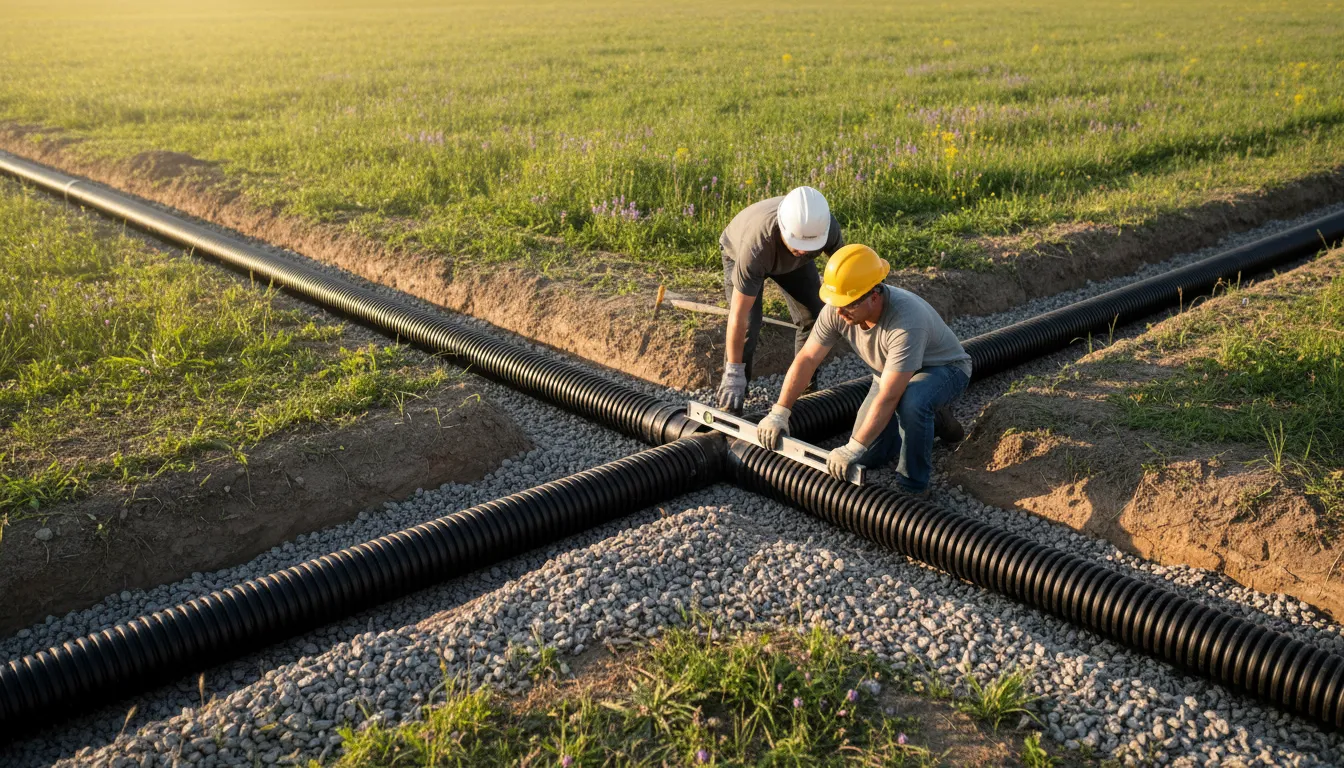
Find the Best Drain Field Repair Companies for Your Business
No obligation • Fast responses • Nationwide coverage

Why you can trust Septic Spot
Septic Spot is a leading United States resource for understanding and comparing septic services. Our editors review providers using consistent criteria and verify key business details. Listings and scores are independent, and companies cannot pay to influence our content.
Search providers near you
Best Drain Field Repair Companies in Alaska Ranked
A failing drain field is a serious issue for any Alaska homeowner, signaling that the critical final stage of your onsite wastewater system is no longer functioning properly. Addressing drain field problems-whether through repair or full replacement-is essential to protect your property, your health, and the pristine Alaskan environment. This guide explains the specific regulations, processes, and considerations for managing absorption field issues in Alaska, helping you understand the steps to take and how to connect with the certified professionals required to do the job correctly.
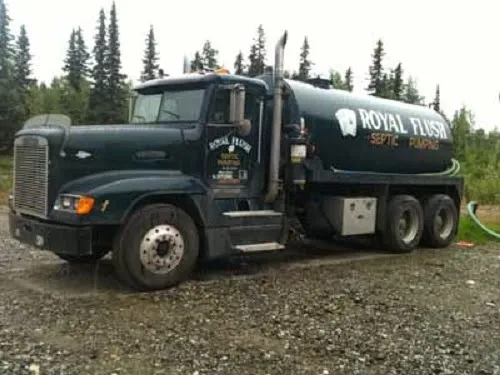
Royal Flush Septic Pumping
7241 Sunrise Dr, Wasilla, AK 99623
Royal Flush Septic Pumping provides a full range of septic services in Anchorage, AK, including septic tank pumping, inspection, repair, and installation. They also handle drain field repair and replacement, septic pump repair or replacement, and offer commercial sewer repair and pipe video inspection. The company is equipped with vacuum trucks and provides year-round service to manage the challenges posed by Alaska's harsh weather conditions. Royal Flush offers 24/7 emergency septic and sewer services to address urgent needs promptly.
Knik Sewer, Drain and Excavation
Anchorage, AK
Knik Sewer, Drain and Excavation is a septic tank inspection, repair, and installation company located in Anchorage, AK. They provide a full range of civil construction services including site preparation and commercial tank farm construction. Their team specializes in septic system installation, drain cleaning, and drain field repair or replacement. Knik SDX works closely with engineers and inspectors to ensure projects run smoothly and meet client needs.
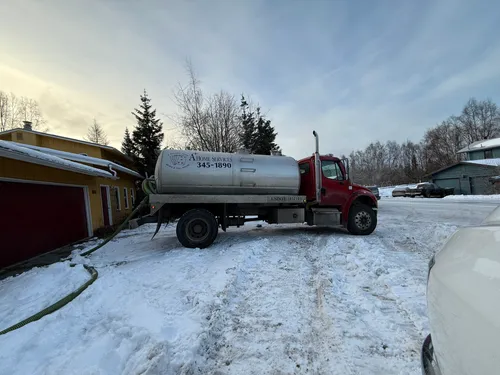
A+ Home Services, Inc.
700 W 41st Ave STE 201, Anchorage, AK 99503
A+ Home Services, Inc. provides septic system installation, pumping, inspection, repair, and drain field services in Anchorage, AK. With over 30 years of experience, they also offer excavation services including site preparation and drainage system installation for residential and commercial properties. The company specializes in a variety of septic systems, including advanced treatment options like Orenco and Advantex, and uses modern equipment to complete projects efficiently while adhering to local regulations.

Sanitary Pumpers
17545 Kahiltna Dr, Eagle River, AK 99577
Sanitary Pumpers is a family-owned septic service company serving Anchorage, AK, and nearby areas including Eagle River and Chugiak. With over 35 years of experience, they provide septic tank pumping, cleaning, inspections, drain field repair, and pump replacement services. Their team uses advanced equipment and industry methods to address issues like foul odors, slow drains, and water pooling. They also offer thorough inspections to identify septic system problems and perform maintenance to support system health and performance.
Understanding Your Drain Field's Role
The drain field, also known as a leach field or soil absorption system, is the unseen workhorse of your septic system. After solids settle in the tank, the treated liquid effluent flows into a network of perforated pipes buried in trenches filled with gravel. This effluent slowly percolates down through the soil, where natural processes provide final treatment by removing harmful bacteria, viruses, and nutrients before the water rejoins the groundwater. When this area becomes clogged, saturated, or damaged, untreated wastewater can surface, creating health hazards and environmental contamination.
Alaska's Regulatory Landscape for System Work
All work on septic systems in Alaska, especially major repairs or replacements involving the drain field, is governed by state regulations under the Alaska Department of Environmental Conservation (ADEC) 18 AAC 72. The core principle is that any modification to the system's design or function requires formal approval. This means you cannot simply hire someone to dig up and replace a failed field without going through the proper channels.
Key regulatory requirements include:
- Permits: A permit from the ADEC (or your local municipality, if they have a delegated program) is mandatory to install, modify, or replace a system.
- Professional Design: For any new or replacement drain field, a professional engineer registered in the State of Alaska must design the system. This "Approval to Construct" ensures the design is suitable for your specific soil conditions, lot size, and water table.
- Certified Installers: The physical construction must be performed by an ADEC-certified installer. While homeowners can apply for approval to install their own systems, the complexity of drain field work-especially engineered systems often required in Alaska-makes professional installation the standard and often legally necessary route.
- Local Stricter Rules: Areas like Anchorage and Valdez have additional local requirements and permitting processes through their municipal governments 1 2. Always check with both ADEC and your local office.
Signs Your Drain Field Needs Attention
Recognizing early warning signs can prevent a complete failure and potentially more costly repairs.
- Sewage Odors around the yard or drain field area.
- Slow Drains throughout the house, not isolated to one fixture.
- Gurgling Sounds in plumbing.
- Soggy Ground or Standing Water over the drain field, especially when it hasn't rained.
- Unusually Green, Lush Grass specifically over the field lines.
- Sewage Backing Up into house drains.
If you notice any of these signs, you should reduce water usage immediately and contact a qualified septic professional for an inspection 3.
The Process: From Failure to Solution
Addressing a drain field problem is a multi-step process involving assessment, design, permitting, and construction.
- Inspection and Diagnosis: A certified professional will inspect your entire system, often using a camera to scope lines, to confirm the drain field is the source of failure. In Anchorage, a specific "absorption field test" may be required, especially during a real estate transaction.
- System Design and Engineering: If repair or replacement is needed, you must hire a professional engineer to design a solution that complies with current codes. This may involve soil percolation tests and a site evaluation.
- Permitting: Your engineer or installer will typically help submit the design and application for the required ADEC or municipal permit 4.
- Construction: Once the permit is issued, an ADEC-certified installer will execute the construction according to the approved plans 5.
- Final Inspection and Documentation: After construction, a final inspection is required, and the installer submits a "Documentation of Construction" to the ADEC to close the permit.
Find the perfect drain field repair companies for your needs
Get personalized recommendations and expert advice
Costs and Considerations for Alaska Homeowners
Drain field work in Alaska is a significant investment. Costs are driven up by the mandatory engineering design, permitting fees, and the specialized materials and labor required for installation, often in challenging soils or climates.
- Permit Fees: The ADEC permit fee for a standard system is approximately $655 for systems up to 1,500 gallons per day 6.
- Engineering & Documentation: Expect fees for the professional design. There is also a $115 state fee for filing the Documentation of Construction 7.
- Installation Costs: These vary widely based on system type, size, soil conditions, and site accessibility. Engineered systems like mound or sand filter systems, commonly needed in Alaska, are more expensive than conventional trench systems 8.
- Home Sale Impact: In Anchorage, a transfer of property typically requires a Certificate of On-Site Sewer Approval (COSA), which involves an absorption field test, tank pumping, and well testing 9. A failing drain field will halt a sale until it is repaired and permitted.
Maintaining Your Drain Field to Avoid Failure
As a property owner, you are responsible for the maintenance of your entire septic system, including the drain field 10. Proper care can extend its life for decades.
- Pump Regularly: Have your septic tank pumped every 3-5 years (or as inspected) to prevent solids from flowing out and clogging the drain field 11 12.
- Conserve Water: Spread out laundry loads, fix leaks, and use water-efficient fixtures to avoid hydraulically overloading the field.
- Protect the Area: Never drive, park, or build structures over the drain field. Keep the area covered with grass to prevent erosion but avoid deep-rooted plants or trees nearby 13.
- Mind What You Flush: Only human waste and toilet paper should go down the drain. Avoid chemicals, grease, diapers, and wipes.
Special Cases: Repairs vs. Full Replacement
Not all drain field issues require a full replacement. Minor repairs, such as fixing a crushed pipe or clearing a localized clog, may be possible if the overall soil absorption capacity is still intact. These still typically require a permit 14.
Full replacement is necessary when the soil is permanently clogged (a condition called biomat formation) or the system is undersized for the home's use. In Anchorage, if a steel septic tank over 20 years old fails a liquid level inspection, authorities generally require the entire system, including the drain field, to be replaced to current standards 15.
Frequently asked questions
Sources
Footnotes
-
Wells & Septic Systems - Anchorage - Muni.org - https://www.muni.org/Departments/OCPD/development-services/wells-septic/Pages/default.aspx ↩
-
Septic System Permit - Anchorage - Muni.org - https://www.muni.org/Departments/OCPD/development-services/wells-septic/Pages/Setpic%20System%20Permit.aspx ↩
-
Blog posts labelled: water wells, septic systems & utility costs - https://www.forsaleincalgary.com/blog.html/categories/water%20wells%2C%20septic%20systems%20%26%20utility%20costs ↩
-
Installing or Upgrading a Septic System | AK Dept. of Environmental Conservation - https://dec.alaska.gov/water/wastewater/engineering/homeowners ↩
-
Becoming a Certified Installer in Alaska - https://dec.alaska.gov/water/wastewater/engineering/certified-installer/ ↩
-
Alaska Septic Tank Requirements | Onsite Disposal Systems - https://www.ntotank.com/blog/alaska-septic-tank-requirements ↩
-
Onsite Wastewater Systems in Real Estate Transactions - https://dec.alaska.gov/water/wastewater/engineering/real-estate-info ↩
-
Engineered Wastewater Disposal Systems - https://dec.alaska.gov/water/wastewater/engineering/engineered-systems ↩
-
Buying or Selling a Home with a Septic System? Here's What You Need to Know • Anchorage - https://www.connieyoshimura.com/buying-or-selling-a-home-with-a-septic-system-heres-what-you-need-to-know/ ↩
-
Who is Responsible for Maintaining My Drain Field? - https://qualitysepticincorporated.com/who-is-responsible-for-maintaining-my-drain-field/ ↩
-
On-Site Water and Wastewater Systems for Single Family Homes ... - https://www.muni.org/Departments/OCPD/development-services/wells-septic/Documents/Onsite%20Systems%20Maintenance%20Guide%20May2023.pdf ↩
-
How to Maintain Your Septic System | AK Dept. of Environmental ... - https://dec.alaska.gov/water/wastewater/engineering/maintain-septic/ ↩
-
Caring for Septic Systems - Alabama Cooperative Extension System - https://www.aces.edu/blog/topics/fish-water/caring-for-septic-systems/ ↩
-
Septic System Repair: Essential Guidelines for Homeowners - https://smartsepticpros.com/blog/septic-system-repair-guidelines/ ↩
-
Are you an Anchorage homeowner with a septic tank? You're going ... - https://www.adn.com/business-economy/2019/01/25/are-you-an-anchorage-homeowner-with-a-septic-tank-youre-going-to-want-to-know-about-this/ ↩