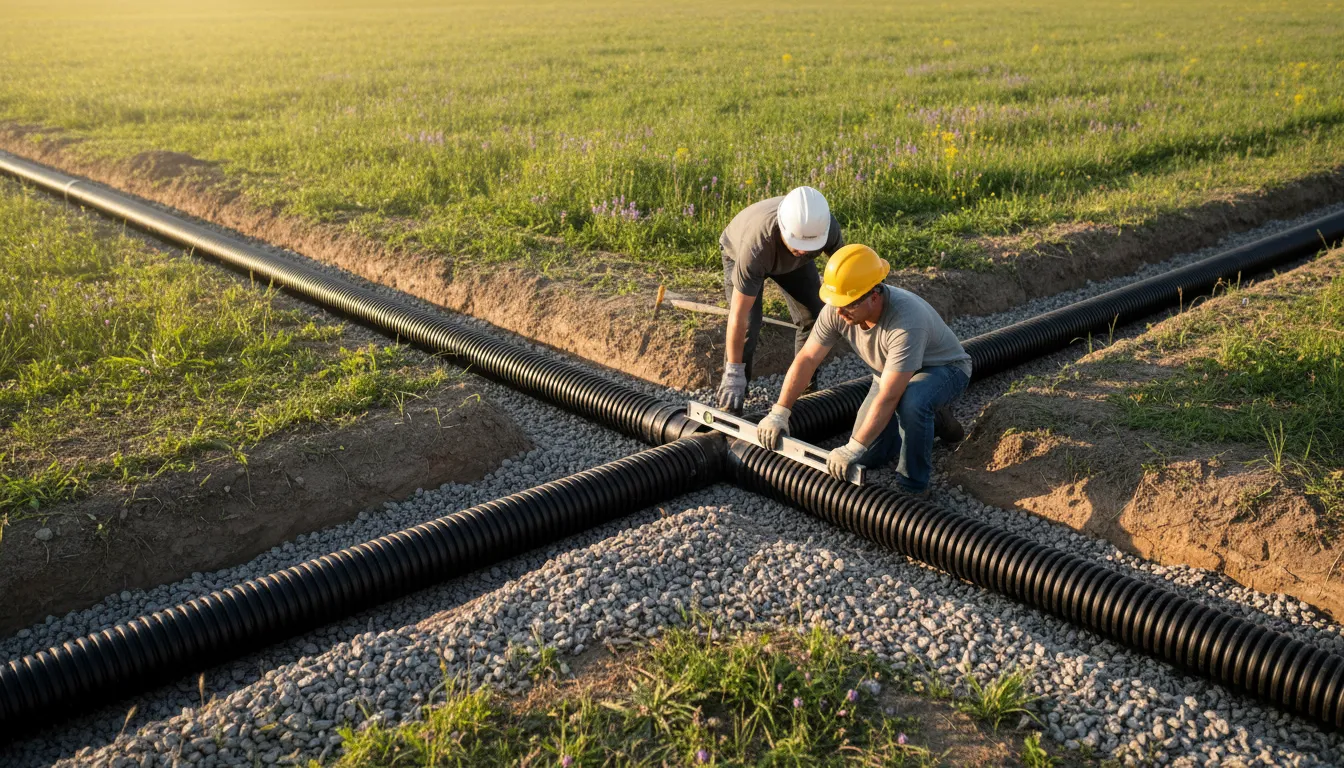
Find the Best Drain Field Repair Companies for Your Business
No obligation • Fast responses • Nationwide coverage

Why you can trust Septic Spot
Septic Spot is a leading United States resource for understanding and comparing septic services. Our editors review providers using consistent criteria and verify key business details. Listings and scores are independent, and companies cannot pay to influence our content.
Search providers near you
Top Drain Field Repair Companies in Anchorage, Alaska Ranked
A failing septic system drain field, also known as a leach field or absorption field, is a serious issue for any Anchorage homeowner. This critical component is responsible for safely dispersing treated wastewater into the soil, and its failure can lead to sewage backups, soggy yards, and environmental contamination. In Anchorage's unique climate and regulatory environment, addressing drain field problems is a highly regulated process that requires professional engineering and permits. This guide explains the local requirements, process, and costs for drain field repair or replacement, helping you understand the steps to find qualified local experts for your project.
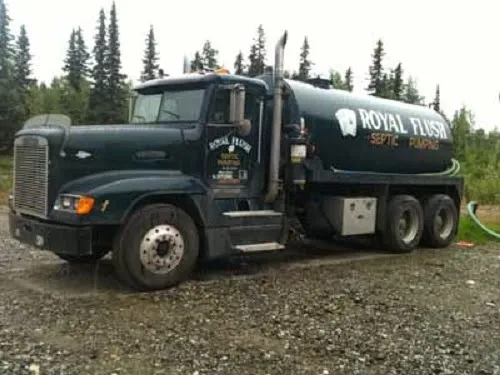
Royal Flush Septic Pumping
7241 Sunrise Dr, Wasilla, AK 99623
Royal Flush Septic Pumping provides a full range of septic services in Anchorage, AK, including septic tank pumping, inspection, repair, and installation. They also handle drain field repair and replacement, septic pump repair or replacement, and offer commercial sewer repair and pipe video inspection. The company is equipped with vacuum trucks and provides year-round service to manage the challenges posed by Alaska's harsh weather conditions. Royal Flush offers 24/7 emergency septic and sewer services to address urgent needs promptly.
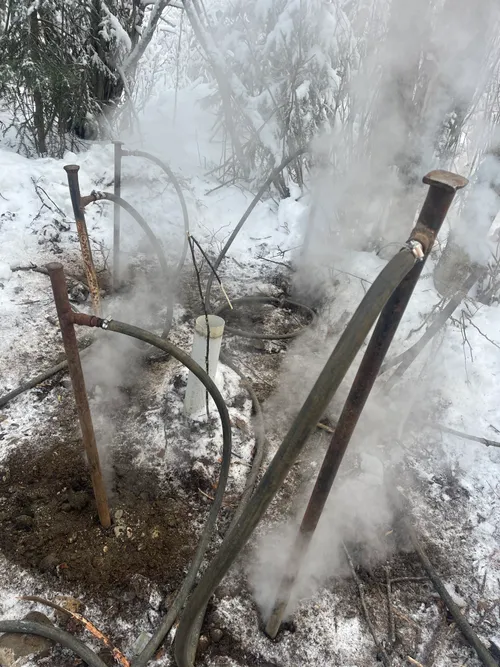
Knik Sewer, Drain and Excavation
Anchorage, AK
Knik Sewer, Drain and Excavation is a septic tank inspection, repair, and installation company located in Anchorage, AK. They provide a full range of civil construction services including site preparation and commercial tank farm construction. Their team specializes in septic system installation, drain cleaning, and drain field repair or replacement. Knik SDX works closely with engineers and inspectors to ensure projects run smoothly and meet client needs.
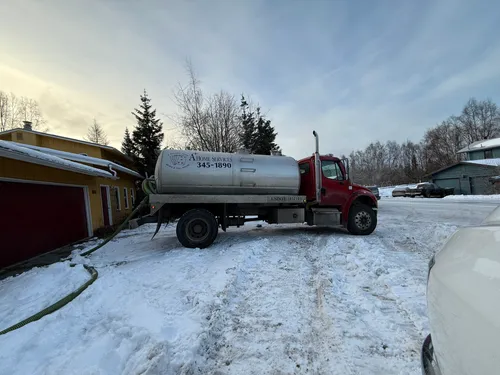
A+ Home Services, Inc.
700 W 41st Ave STE 201, Anchorage, AK 99503
A+ Home Services, Inc. provides septic system installation, pumping, inspection, repair, and drain field services in Anchorage, AK. With over 30 years of experience, they also offer excavation services including site preparation and drainage system installation for residential and commercial properties. The company specializes in a variety of septic systems, including advanced treatment options like Orenco and Advantex, and uses modern equipment to complete projects efficiently while adhering to local regulations.

Sanitary Pumpers
17545 Kahiltna Dr, Eagle River, AK 99577
Sanitary Pumpers is a family-owned septic service company serving Anchorage, AK, and nearby areas including Eagle River and Chugiak. With over 35 years of experience, they provide septic tank pumping, cleaning, inspections, drain field repair, and pump replacement services. Their team uses advanced equipment and industry methods to address issues like foul odors, slow drains, and water pooling. They also offer thorough inspections to identify septic system problems and perform maintenance to support system health and performance.
Understanding Drain Field Failure in Anchorage
A drain field operates as the final stage of a septic system. After solids settle in the tank, liquid effluent flows into a network of perforated pipes buried in trenches filled with gravel. This effluent slowly percolates into the surrounding soil, where natural processes provide final treatment. Failure occurs when the soil can no longer absorb the liquid. Common signs include:
- Sewage odors in the yard or home.
- Spongy, soggy, or overly lush grass directly over the field.
- Sewage backing up into household drains.
- Standing water or surfacing effluent.
In Anchorage's cold climate, systems are also at risk of freezing if not properly installed or maintained. Once a leach field has failed, it often requires full or partial replacement rather than a simple repair 1. The Municipality of Anchorage (MOA) On-Site Water and Wastewater Section strictly regulates all work on these systems to protect public health and groundwater 2.
Anchorage's Regulatory Framework: Permits, Engineering, and COSA
Any repair, replacement, or modification of a septic drain field in Anchorage requires a permit from the MOA 3. The process is not a simple DIY fix and is designed to ensure systems are built to last in Alaska's challenging environment.
Professional Engineering is Mandatory The design and inspection of new or replacement septic systems must be performed by a civil or environmental engineer registered in the State of Alaska. This engineer is responsible for critical steps like soil evaluation (percolation tests) and certifying that the installation complies with the approved plans and code.
The Certificate of On-Site Systems Approval (COSA) A key regulation for Anchorage homeowners is the COSA requirement. Before selling a home with a septic system, a current COSA must be obtained to prove the system is functional, has been inspected, and complies with local codes 4. The process for obtaining a COSA often reveals the need for drain field work, triggering the full repair/replacement process. The guidelines involve an engineer locating the existing system, performing an adequacy test, and submitting a detailed report.
System Sizing and Design Codes Septic systems in Anchorage must be sized based on the number of bedrooms, as defined by AMC 15.65.050 5. Furthermore, the system's total depth cannot be within 4 feet of the groundwater table or within 6 feet of bedrock. Due to freezing risks, special burial depth rules apply; for example, one inch of insulation board can be substituted for one foot of burial depth 6.
Find the perfect drain field repair companies for your needs
Get personalized recommendations and expert advice
The Step-by-Step Process for Drain Field Work
Navigating a drain field project involves a clear sequence of steps involving homeowners, engineers, contractors, and the municipality.
- Investigation and Locating: The first step is hiring a registered engineer to locate your entire existing system-tank, pipes, and drain field-especially if it is an older, unpermitted ("grandfathered") system. The engineer will perform tests to diagnose the failure and assess the property's suitability for a new field 7 8.
- Soil Evaluation and Design: The engineer conducts a percolation test to determine the soil's absorption capacity within 25 feet of the proposed system area 9. Using this data and local codes, they design a new or replacement absorption field that meets sizing, separation distance (generally 100 feet from wells or surface water), and depth requirements 10.
- Permit Application: The engineer's design plans are submitted with an application to the MOA On-Site Section for permit review and approval 11.
- Installation or Repair: Once permitted, a qualified excavation and septic contractor performs the physical installation or replacement of the leach field according to the engineered plans.
- Final Inspection and Certification: After installation, the engineer must inspect the work and certify in writing that it complies with the approved plan 12. The MOA may also conduct inspections during construction 13.
- "As-Built" Submission: Final drawings of the system as it was actually installed must be submitted to the MOA to complete the permit record 14.
Cost Considerations for Absorption Field Projects
Costs for drain field work in Anchorage can be significant and vary widely based on site conditions, system size, and materials. It's important to budget for both professional services and construction.
- Permit Fees: MOA permit fees range from approximately $115 to over $655, depending on whether a full plan review is required.
- Engineering Fees (COSA/Design): Hiring a professional engineer for soil testing, system design, and certification is a major cost component, typically estimated at several thousand dollars 15.
- Well and Septic Testing (for COSA): The full suite of testing, water sampling, and inspections needed for a COSA can cost around $3,600 or more 16.
- Construction Costs: These include excavation, gravel, piping, and labor. If an Advanced Wastewater Treatment System is needed due to poor soil conditions, costs increase substantially. Furthermore, if your existing septic tank is made of steel and is over 30 years old, it will likely need replacement if it fails inspection, adding to the project cost 17.
All costs are subject to change, and a site-specific evaluation by a professional is the only way to get an accurate estimate.
Choosing the Right Professionals for Your Leach Field
Given the complexity, selecting the right team is crucial. You will need both a state-registered civil/environmental engineer and a licensed septic system contractor experienced with MOA requirements. Look for professionals with strong local references and a track record of successfully permitted projects in Anchorage. They should be familiar with cold-climate design specifics, such as insulation and burial depth strategies, to prevent freezing. A good contractor will work closely with your engineer to ensure the installation matches the design plans exactly.
Frequently asked questions
Sources
Footnotes
-
Can Leach Fields Be Repaired? | GoodFlow Solutions - https://www.goodflow.com/can-leach-fields-be-repaired/ ↩
-
Wells & Septic Systems - Anchorage - Muni.org - https://www.muni.org/Departments/OCPD/development-services/wells-septic/Pages/default.aspx ↩
-
Septic System Permit - Anchorage - Muni.org - https://www.muni.org/Departments/OCPD/development-services/wells-septic/Pages/Setpic%20System%20Permit.aspx ↩
-
COSA - Muni.org - https://www.muni.org/Departments/OCPD/development-services/wells-septic/pages/cosa.aspx ↩
-
CHAPTER 15.65 WASTEWATER DISPOSAL - Anchorage - Muni.org - https://www.muni.org/departments/ocpd/development-services/codes-handouts/code%20archive%202018/amc%2015.65_adopted%20jan%2023%202018.pdf ↩
-
MUNICIPALITY OF ANCHORAGE - https://www.muni.org/Departments/OCPD/development-services/wells-septic/Documents/Component%20Parts%20%26%20Materials_Apr2020.pdf ↩
-
Wells & Septic Systems - Anchorage - Muni.org - https://www.muni.org/Departments/OCPD/development-services/wells-septic/Pages/default.aspx ↩
-
Septic Inspection Process: What Homeowners Should Know ... - https://www.lunspro.com/vlog/the-septic-system-inspection-process-what-homeowners-should-know ↩
-
Options for Installing or Upgrading a Septic System - https://dec.alaska.gov/water/wastewater/engineering/homeowners ↩
-
Certificate of On-Site Systems Approval Guidelines - Muni.org - https://www.muni.org/Departments/OCPD/development-services/wells-septic/Documents/COSA%20Guidelines_2025.pdf ↩
-
Options for Installing or Upgrading a Septic System - https://dec.alaska.gov/water/wastewater/engineering/homeowners ↩
-
Municipality of Anchorage - https://www.muni.org/departments/ocpd/development-services/wells-septic/documents/cosa%20guidelines_2018.pdf ↩
-
On-Site Water and Wastewater Systems - Anchorage - Muni.org - https://www.muni.org/Departments/OCPD/development-services/wells-septic/Documents/Onsite%20Systems%20Maintenance%20Guide%20May2025.pdf ↩
-
Engineering Support and Plan Review | AK Dept. of Environmental ... - https://dec.alaska.gov/water/wastewater/engineering/ ↩
-
Alaska Septic Tank Requirements | Onsite Disposal Systems - https://www.ntotank.com/blog/alaska-septic-tank-requirements ↩
-
The Anchorage Borough requires, each time a home is ... - https://youranchorageakhomesearch.com/wp-content/uploads/2017/08/001_COSAwell-septic-systems.pdf ↩
-
Are you an Anchorage homeowner with a septic tank? You're ... - https://www.adn.com/business-economy/2019/01/25/are-you-an-anchorage-homeowner-with-a-septic-tank-youre-going-to-want-to-know-about-this/ ↩