
Find the Best Drain Field Repair Companies for Your Business
No obligation • Fast responses • Nationwide coverage

Why you can trust Septic Spot
Septic Spot is a leading United States resource for understanding and comparing septic services. Our editors review providers using consistent criteria and verify key business details. Listings and scores are independent, and companies cannot pay to influence our content.
Search providers near you
Top Drain Field Repair Companies in Danbury, Connecticut Ranked
A failing drain field, also known as a leach field or absorption system, is a serious issue for any home with a septic system. When this critical component stops properly dispersing treated wastewater into the soil, it can lead to sewage backups, soggy yards, and environmental contamination. In Danbury, addressing drain field problems requires navigating specific local and state regulations. This guide explains the process, costs, and key considerations for leach field repair or replacement, helping you understand what's involved in restoring your septic system to full function.

All Pro Rooter Inc.
New York, NY
All Pro Rooter Inc. is a septic system repair and installation company serving New York, NY, with over 36 years of experience. They provide a range of services including septic tank installation, septic system repair, drain field repair and replacement, land clearing, real estate septic inspections, and general excavation. The company is known for its expertise in septic tank placement and maintenance, and it maintains strong relationships with local health and environmental departments in Westchester County. Their services cover septic tank and drain field maintenance to help ensure proper system function.
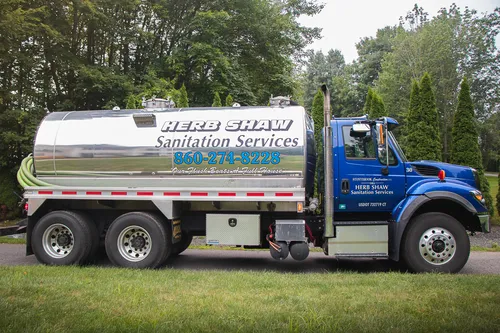
Herb Shaw Sanitation Services
1500 Echo Lake Rd, Watertown, CT 06795
Herb Shaw Sanitation Services is a septic system company based in Waterbury, CT, serving Southern Litchfield County and Northern New Haven County. With over 55 years of experience, they offer septic tank cleaning, repair, installation, pump repair, riser installation, and wastewater system services. Their team is knowledgeable and compliant with state and local waste and health codes. They provide emergency services available any day or time to address unexpected septic system failures.
Understanding Your Drain Field's Role
The drain field is the final stage of your onsite wastewater treatment system. After solids settle in the septic tank, the liquid effluent flows into a network of perforated pipes buried in trenches filled with gravel. This effluent slowly percolates into the surrounding soil, where natural processes provide final treatment. A properly functioning leaching system is vital for protecting both your property and public health. When it fails, the goal is to either repair the existing absorption area or install a completely new one that meets current standards.
Signs You Need Drain Field Service
Recognizing early warning signs can prevent more extensive damage. Common indicators of a failing leach field include:
- Sewage odors in the yard or inside the home.
- Slow drains and gurgling plumbing fixtures throughout the house.
- Standing water or soggy, spongy ground over the drain field area, especially when it hasn't rained.
- Unusually bright green, lush grass over the trenches.
- Sewage backing up into household drains.
If you notice any of these issues, a professional inspection is the crucial next step to determine if repair or a full replacement is necessary 1.
The Inspection and Diagnosis Process
Before any work begins, a thorough evaluation by a licensed septic contractor is essential. This inspection aims to diagnose the exact cause of failure. Professionals will typically:
- Conduct a pre-inspection to check tank baffles, the distribution box integrity, and look for visual signs of surfacing effluent.
- Perform system testing, which may include dye testing to trace effluent movement and checking for hydraulic overload in the drain field 2.
- Inspect under load: The tank is often inspected before pumping, as a full system can reveal how it performs under normal use 3.
- Assess site conditions like soil type and groundwater levels, which are critical factors for any new design.
This diagnosis will determine whether a targeted repair (like cleaning a clogged pipe) is possible or if a full absorption system replacement is required.
Navigating Danbury Permits and Regulations
All septic system work in Danbury requires approval and must comply with strict state and local codes. You cannot simply hire a contractor to dig a new leach field. The process is governed by the CT Public Health Code 19-13-B103 and the 2024 Technical Standards.
Key regulatory steps include:
- Professional Design: All plans for repair or replacement must be developed by a licensed Professional Engineer (PE).
- Health Department Review: The septic application, including the engineered plan, is submitted to the local health department or Engineering Department for review against building plans and code compliance before any work begins.
- Permitting: A Grading Permit from the city is required for any site clearing or construction to manage erosion and runoff 4. Separate permits are needed for the septic work itself.
- Licensed Installation: The system must be installed by a state-licensed septic contractor.
- Final Inspection: A local health department official must conduct a final inspection after the work is complete to confirm it meets all standards.
Find the perfect drain field repair companies for your needs
Get personalized recommendations and expert advice
Critical Site Factors for a New Leach Field
The design of a new leaching system isn't one-size-fits-all. It depends heavily on your property's specific characteristics, which an engineer will evaluate.
- Soil Percolation: The soil must have adequate hydraulic capacity to absorb effluent. A percolation (or "perc") test measures how quickly water drains through the soil, directly influencing the size of the drain field needed.
- High Groundwater Table: Connecticut regulations require a minimum of 18 inches of clearance between the bottom of the leaching system and the highest seasonal groundwater level 5. Properties with a high water table may need engineered, above-ground (mound) systems.
- Site Slope: The landscape must have proper slope to manage effluent dispersal and prevent surface pooling or flooding.
- Shallow Bedrock: Properties with shallow rock ledges may not have enough soil depth for a conventional trench system, necessitating an alternative design 6.
Repair vs. Full Replacement: What to Expect
The solution depends on the extent of the failure.
- Repair: Sometimes, issues are isolated. A clogged distribution box can be cleaned, or a single clogged lateral line might be jetted or replaced. These are less invasive and costly but are only viable if the majority of the drain field is still functional.
- Replacement: When the soil is saturated (a condition called "biomat" failure) or the entire pipe network is compromised, a full leach field replacement is the only permanent solution. This involves designing and constructing a completely new absorption area, often in a different location on the property if space allows.
Understanding the Costs Involved
Drain field replacement is a significant investment. In the Danbury area and surrounding region, average costs for a full septic system replacement (including tank and new leach field) typically range from $15,000 to $25,000 or more, depending on system complexity and site conditions 7 8.
Cost breakdowns can include:
- Engineered Design & Permits: $1,000 - $3,000+
- Excavation & Site Work: Costs vary widely with soil and access.
- Materials: Gravel, piping, sand, and other components.
- Installation Labor: For licensed contractor work.
- Ancillary Costs: Yard regrading after installation can cost $1,000-$3,300, and sod installation runs $1-$2 per square foot 9. An abandonment permit for the old tank may cost $100-$250 10.
Financial Assistance: Eligible homeowners in Connecticut should explore state programs that offer low-interest or deferred loans for the repair or replacement of failing septic systems 11. This can make a necessary project much more affordable.
Choosing a Licensed Septic Contractor
Given the technical and regulatory complexity, selecting the right professional is paramount. Look for a contractor who is:
- Licensed by the State of Connecticut for septic system installation.
- Experienced with Danbury's specific permitting process and local health department.
- Knowledgeable about alternative systems for challenging sites.
- Willing to provide references from past clients for similar projects.
- Clear and detailed in proposals, outlining all costs, timelines, and their role in securing permits and passing inspections.
A reputable contractor will guide you through the entire process, from initial inspection and design coordination to final health department sign-off.
Frequently asked questions
Sources
Footnotes
-
SEPTIC | Home Inspector for Danbury CT - https://www.allied123.com/septic ↩
-
Septic System Inspections: Danbury & New Milford, CT - https://westconnseptic.com/septic-inspections ↩
-
Connecticut Septic Tank Requirements - https://www.ntotank.com/blog/connecticut-septic-tank-requirements ↩
-
Highway Department - Danbury, CT - https://www.danbury-ct.gov/DocumentCenter/View/257 ↩
-
Operation and Maintenance - CT.gov - https://portal.ct.gov/dph/environmental-health/environmental-engineering/operation-and-maintenance ↩
-
Septic System Design: What CT Homeowners Need to Know - https://andersonseptic.com/septic-system-design-guide/ ↩
-
Septic Homeowners - North Central District Health Department - https://www.ncdhd.org/septic-homeowners ↩
-
Cost to Replace Septic Tank and Drain Field [2026 Data] | Angi - https://www.angi.com/articles/how-much-new-drain-fields-foot.htm ↩
-
Septic Tank Installation in Danbury, CT - Costs 02 / 2026 - Homeyou - https://www.homeyou.com/ct/septic-tank-installation-danbury-costs ↩
-
Septic System Replacement New Milford CT | Signs, Costs & Solutions - https://newmilfordseptic.com/when-is-it-time-to-replace-your-septic-system-in-new-milford-ct/ ↩
-
Septic System Repair - Connecticut eRegulations System - https://eregulations.ct.gov/eRegsPortal/Browse/RCSA/Title_8Subtitle_8-416_HTML/ ↩