
Find the Best Drain Field Repair Companies for Your Business
No obligation • Fast responses • Nationwide coverage

Why you can trust Septic Spot
Septic Spot is a leading United States resource for understanding and comparing septic services. Our editors review providers using consistent criteria and verify key business details. Listings and scores are independent, and companies cannot pay to influence our content.
Search providers near you
Top Drain Field Repair Companies in Hamden, Connecticut Ranked
A failing drain field is a serious issue for any homeowner with a septic system. When the soil absorption area, also known as a leach field, stops properly dispersing wastewater, it can lead to soggy yards, foul odors, and even sewage backups into your home. In Hamden, addressing this problem requires navigating specific local health codes and working with licensed professionals. This guide explains the critical steps for septic leach field repair or replacement, helping you understand the process, regulations, and how to connect with qualified local installers to restore your system's function.
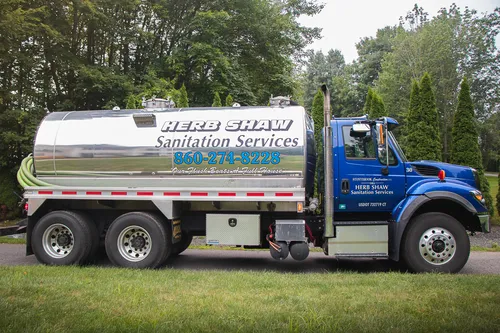
Understanding Drain Field Failure
Your septic system's drain field is its final and most crucial stage. After solids settle in the tank, liquid effluent flows into a network of perforated pipes buried in trenches filled with gravel. This effluent slowly percolates into the surrounding soil, where natural processes treat it before it rejoins the groundwater. A failure occurs when the soil can no longer absorb the liquid. Common signs include:
- Persistently wet, spongy, or soggy soil over the drain field area, even in dry weather.
- Sewage odors emanating from your yard.
- Slow drains or gurgling plumbing fixtures inside the home.
- Unusually green, lush grass over the field.
- In severe cases, sewage backing up into household drains.
Failure can be caused by hydraulic overloading (using more water than the field was designed for), compaction from driving or building over the field, biological mat buildup that clogs soil pores, or simply old age. Once a drain field fails, it often cannot be restored and must be replaced.
Hamden's Regulatory Landscape: The Quinnipiack Valley Health District
All work on septic systems in Hamden is regulated to protect public health and groundwater quality. The Quinnipiack Valley Health District (QVHD) is the local agency that generally oversees septic system approvals, including repairs and replacements. Before any construction, alteration, or repair of a septic tank or leaching system, a written permit must be obtained from the local director of health or inspector 1.
The work must comply with the Connecticut Public Health Code (Section 510), which sets the technical standards for on-site sewage disposal 2. This means you cannot simply hire an excavator to dig a new field. The process is designed to ensure the new system is sized correctly for your household and installed in suitable soil conditions.
The Critical Role of Soil and Site Evaluation
A successful leach field installation depends entirely on the property's soil characteristics. Connecticut code mandates specific site conditions that a licensed installer or soil scientist must verify. Key factors include:
- Soil Percolation: The soil must have sufficient hydraulic capacity to absorb and disperse the liquid effluent without becoming saturated. A percolation test is often required to measure this absorption rate.
- Groundwater Level: The maximum groundwater level must be a minimum of 18 inches below the bottom of the leaching system. This separation prevents untreated wastewater from contaminating groundwater.
- Deep Test Pits: A soil scientist or engineer may need to conduct deep test pits to examine soil layers, identify restrictive layers like bedrock or clay, and determine the seasonal high-water table 3.
- Setbacks and Reserve Area: The new field must be spaced a proper distance from wells, property lines, buildings, and wetlands. Health officials strongly recommend having a designated "reserve area" suitable for a future replacement system to prevent lot development from making future repairs impossible 4 5.
The Step-by-Step Process for Repair or Replacement
Navigating a drain field project involves a series of coordinated steps between you, your contractor, and the health department.
- Hire a Licensed Professional: Your first step is to contact a Connecticut-licensed septic system installer. They have the expertise to assess the failure and guide you through the entire process 6.
- System Assessment & Design: The installer will likely pump the tank to rule it out as the issue and confirm the drain field has failed. A system designer (often the installer or an engineer) will then create a repair or replacement plan based on the soil evaluation and household size 7.
- Permit Application: Your contractor will submit the design plan, along with the permit application and fee, to the QVHD for review and approval. In Hamden, building permit fees start at $25.26 for the first $1,000 of work value, plus $18.26 for each additional $1,000 8 9.
- Excavation & Installation: Once the permit is issued, installation begins. This involves excavating the old, failed field (if necessary) and installing the new leaching trenches, distribution box, and piping according to the approved plan.
- Final Inspection: Before the new system is covered with soil, a health department inspector or authorized agent must visit the site to verify the installation matches the approved plan and meets all code requirements 10 11. Only after this inspection is signed off can the system be buried and put into use.
Find the perfect drain field repair companies for your needs
Get personalized recommendations and expert advice
Understanding the Costs Involved
Drain field work is a significant investment. Costs can vary widely based on your property's complexity, soil type, system size, and whether a standard or engineered (alternative) system is needed. For a full septic system and drain field replacement in the Hamden area, homeowners can expect a range from $5,000 to over $12,000 12. Repair costs for a portion of the field may be lower, but full replacement is often necessary. The price includes excavation, new materials (pipes, gravel, etc.), labor, soil testing, design, and permit fees. It's crucial to get detailed, written estimates from multiple licensed contractors.
Maintaining Your New Drain Field
Protecting your investment is key. Once your new leaching system is installed, proper maintenance will extend its lifespan for decades. Key practices include:
- Regular Pumping: Have the septic tank pumped every 3-5 years by a licensed cleaner to prevent solids from flowing into and clogging the new field.
- Water Conservation: Spread out laundry loads, fix leaks, and install water-efficient fixtures to avoid hydraulically overloading the system.
- Mind What You Flush: Only human waste and toilet paper should go down the drain. Avoid chemicals, grease, wipes, and feminine products.
- Protect the Area: Never drive, park, or build structures over the drain field. Keep deep-rooted plants and trees away from the area.
By understanding these requirements and processes, Hamden homeowners can confidently address drain field issues, ensuring a compliant, functional, and long-lasting wastewater solution for their property.
Frequently asked questions
Sources
Footnotes
-
§ 50.04 PERMITS FOR SEPTIC TANKS AND CESSPOOLS. - https://codelibrary.amlegal.com/codes/hamden/latest/hamden_ct/0-0-0-3070 ↩
-
CONNECTICUT PUBLIC HEALTH CODE On-site Sewage Disposal ... - https://portal.ct.gov/-/media/Departments-and-Agencies/DPH/dph/environmental_health/environmental_engineering/2023-uploads/TS-Master-2023-1242023A.pdf ↩
-
Quick Reference Links: Kevin Curseaden ... - Milford, CT - https://www.milfordct.us/DocumentCenter/View/3312/Professional-Credentials-09-03-2025 ↩
-
Septic System Design: What CT Homeowners Need to Know - https://andersonseptic.com/septic-system-design-guide/ ↩
-
Operation and Maintenance - CT.gov - https://portal.ct.gov/dph/environmental-health/environmental-engineering/operation-and-maintenance ↩
-
Septic Services in CT - A.L. Talmadge Services - https://www.altalmadgeservicesllc.com/septic-services ↩
-
Septic Homeowners - North Central Distict Health Department - https://www.ncdhd.org/septic-homeowners ↩
-
Frequently Asked Questions - CivicPlus.CMS.FAQ - Hamden, CT - https://www.hamden.com/faq ↩
-
Septic System Installation: Essential Steps for a Reliable Setup - https://www.bridgewaterenviro.com/septic-system-installation/ ↩
-
Septic System Repair - Connecticut eRegulations System - https://eregulations.ct.gov/eRegsPortal/Browse/RCSA/Title_8Subtitle_8-416_HTML/ ↩
-
Septic Developers - North Central Distict Health Department - https://www.ncdhd.org/septic-developers ↩
-
Cost to Replace Septic Tank and Drain Field [2026 Data] | Angi - https://www.angi.com/articles/how-much-new-drain-fields-foot.htm ↩