
Find the Best Drain Field Repair Companies for Your Business
No obligation • Fast responses • Nationwide coverage

Why you can trust Septic Spot
Septic Spot is a leading United States resource for understanding and comparing septic services. Our editors review providers using consistent criteria and verify key business details. Listings and scores are independent, and companies cannot pay to influence our content.
Search providers near you
Top Drain Field Repair Companies in New Britain, Connecticut Ranked
A failing septic system drain field can lead to soggy yards, foul odors, and serious environmental health concerns. Drain field repair or replacement is a critical process that restores your property's wastewater treatment function, protecting your home's value and local groundwater. This guide explains the essential steps, regulations, and considerations for addressing drain field issues in New Britain, helping you understand how to connect with qualified local professionals for your project.
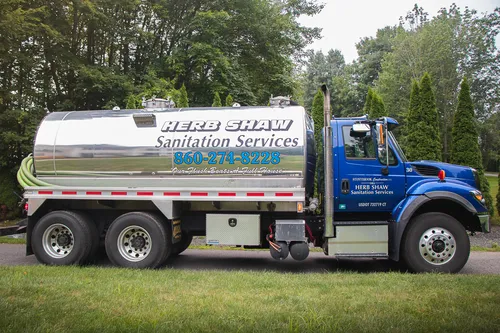
Understanding Your Septic System's Leach Field
Often called a leach field or absorption field, the drain field is the final, underground stage of a septic system. After solids settle in the tank, liquid effluent flows into a network of perforated pipes buried in gravel-filled trenches. This effluent slowly percolates through the soil, where natural processes filter and purify it before it rejoins the groundwater. When this area fails, it means the soil can no longer absorb liquid, causing backups and surface pooling. In New Britain's climate and soil conditions, common causes of failure include soil compaction, hydraulic overloading from excessive water use, and the natural aging of system components.
Connecticut and New Britain Regulations You Must Know
Any work on a septic system in New Britain is strictly regulated to protect public health and water resources. The primary governing document is the Connecticut Public Health Code, Section 19-13-B103, Technical Standards for Subsurface Sewage Disposal Systems 1. You cannot begin any repair or replacement without first obtaining a permit from the local Director of Health, which in New Britain is handled by the City of New Britain Health Department or the relevant local health district 2.
Key regulatory requirements include:
- Code-Complying Area: Your property must have a suitable area where a system can be built to meet all current code setbacks from wells, property lines, and buildings.
- Professional Design: A system design, often requiring a Connecticut-licensed professional engineer or sanitarian, must be submitted for approval. This design is based on a site evaluation.
- Soil & Percolation Testing: A licensed professional must conduct soil evaluations and percolation ("perc") tests to determine the soil's ability to absorb effluent. The bottom of the leaching system must maintain a minimum 18-inch separation from the seasonal high groundwater table.
- System Size: For systems with a design flow of less than 7,500 gallons per day (GPD), permitting is local. Larger systems require review by the Connecticut Department of Energy and Environmental Protection (DEEP).
The Step-by-Step Process for Drain Field Work
Addressing a failed leach field is a multi-stage project that involves several professionals.
1. Site Investigation and Diagnosis
The process begins with a thorough inspection by a licensed septic professional. They will locate the existing system, perform a hydraulic load test, and often conduct soil borings and percolation tests. This investigation confirms drain field failure and determines the soil conditions essential for designing a repair or new system 3.
2. System Design and Permitting
Using the site data, a septic engineer designs a system that complies with all state and local codes. The design specifies the type (conventional trench, chamber system, or possibly an engineered alternative if soil conditions are poor), size, and location. These plans are submitted to the local health department for permit approval before any excavation can start 4 5.
3. Installation or Repair
A licensed septic installer executes the approved plan. For a full replacement, this involves excavating new trenches in the designated area, installing new distribution pipes and leaching chambers or gravel, and connecting them to the existing or new septic tank. The work requires careful grading to ensure even distribution of effluent 6.
4. Final Inspection and Approval
Once installation is complete but before the trenches are backfilled, the local health inspector must perform a final inspection. Only after their approval can the system be covered and the landscape restored. This inspection is a crucial legal step to ensure the work was done correctly 7.
Find the perfect drain field repair companies for your needs
Get personalized recommendations and expert advice
Cost Considerations for Leach Field Projects
The cost for drain field work in New Britain varies significantly based on the scope, soil conditions, and system type. It's important to budget for the entire project, not just the physical installation.
- Drain Field Repair: Limited repairs to a specific section of the field typically range from $7,000 to $10,000 8.
- Complete Drain Field Replacement: Replacing the entire leaching area averages between $15,000 and $20,000 or more in Connecticut 9 10.
- Full System Replacement: If the septic tank also needs replacement, total costs can exceed $25,000.
- Additional Required Expenses: Remember to factor in the costs for the mandatory site investigation, soil testing, engineering design work, and permit fees, which can add several thousand dollars to the total project cost 11.
Planning for Long-Term System Health
A new or repaired drain field is a major investment. Protecting it starts with understanding its limits. Connecticut highly recommends, and local authorities may require, designating a reserve area on your property-a space suitable for a future drain field. This planning step is invaluable for extending the life of your property's wastewater treatment capability 12.
Proper operation and maintenance are non-negotiable. This includes regular septic tank pumping (typically every 2-5 years), conserving water to avoid hydraulically overloading the field, and never flushing chemicals or non-biodegradable materials. Diverting roof drains and surface water away from the drain field area is also critical to prevent saturation 13.
Choosing the Right Professional for the Job
Given the technical and regulatory complexity, selecting the right team is essential. You will need to engage both a licensed septic installer to perform the excavation and construction and a design professional (a licensed engineer or sanitarian) to create the approved plan. Many companies offer both services. Ensure any professional you contact is familiar with New Britain's specific health department procedures and the Connecticut Public Health Code. They should handle the permit application process on your behalf.
Frequently asked questions
Sources
Footnotes
-
CONNECTICUT PUBLIC HEALTH CODE On-site Sewage Disposal ... - https://portal.ct.gov/-/media/Departments-and-Agencies/DPH/dph/environmental_health/environmental_engineering/2023-uploads/TS-Master-2023-1242023A.pdf ↩
-
Resources for Residents - City of New Britain - https://www.newbritainct.gov/services/water-department/stormwater-quality-management/resources-for-residents ↩
-
Essential Guide to Septic System Installation NH - https://swallowandsonsexcavation.com/f/essential-guide-to-septic-system-installation-nh?blogcategory=General+Contractor+FAQ ↩
-
Connecticut Septic Tank Requirements - https://www.ntotank.com/blog/connecticut-septic-tank-requirements ↩
-
Septic Developers - North Central Distict Health Department - https://www.ncdhd.org/septic-developers ↩
-
Septic System Installation 101: A Beginner's Guide - https://www.townesseptic.com/blog/septic-system-installation-beginners-guide ↩
-
Environmental Engineering - Subsurface Sewage - CT.gov - https://portal.ct.gov/dph/environmental-health/environmental-engineering/environmental-engineering----subsurface-sewage ↩
-
Septic Homeowners - North Central Distict Health Department - https://www.ncdhd.org/septic-homeowners ↩
-
Cost to Replace Septic Tank and Drain Field [2026 Data] | Angi - https://www.angi.com/articles/how-much-new-drain-fields-foot.htm ↩
-
Septic System Replacement New Milford CT | Signs, Costs & Solutions - https://newmilfordseptic.com/when-is-it-time-to-replace-your-septic-system-in-new-milford-ct/ ↩
-
How Much Does A Septic System Cost? - https://uniquedrainseptic.com/blogs/resources/how-much-does-a-septic-system-cost ↩
-
Septic System Design: What CT Homeowners Need to Know - https://andersonseptic.com/septic-system-design-guide/ ↩
-
Operation and Maintenance - CT.gov - https://portal.ct.gov/dph/environmental-health/environmental-engineering/operation-and-maintenance ↩