
Find the Best Drain Field Repair Companies for Your Business
No obligation • Fast responses • Nationwide coverage

Why you can trust Septic Spot
Septic Spot is a leading United States resource for understanding and comparing septic services. Our editors review providers using consistent criteria and verify key business details. Listings and scores are independent, and companies cannot pay to influence our content.
Search providers near you
Top Drain Field Repair Companies in New Haven, Connecticut Ranked
A failing drain field is a serious issue for any homeowner with a septic system. When your leach field stops properly absorbing and filtering wastewater, it can lead to soggy yards, foul odors, and even environmental contamination. In New Haven, addressing these problems requires navigating specific state and local health codes. This guide explains the essentials of septic drain field repair and replacement, helping you understand the process, regulations, and costs involved so you can find qualified local professionals to restore your system's function.
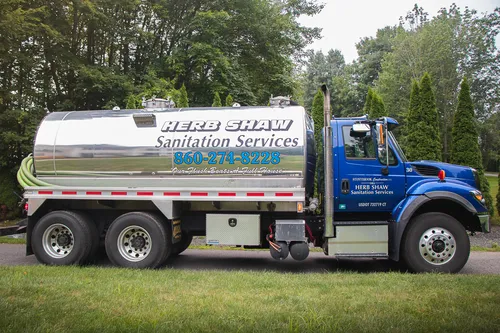
Understanding Your Septic System's Drain Field
The drain field, also known as a leach field or absorption area, is the final and most critical stage of your onsite wastewater treatment system. After solids settle in the septic tank, the liquid effluent flows into a network of perforated pipes buried in trenches filled with gravel. This effluent slowly percolates down through the soil, where natural biological processes purify it before it reaches groundwater. A properly functioning leaching system is vital for protecting both your property and public health.
In New Haven, the performance of this component is governed by strict environmental and public health standards. The soil must have adequate percolation rates, and the entire system must be designed to handle your home's daily wastewater flow based on the number of bedrooms. When this area fails, it's not just an inconvenience-it's a code violation that must be addressed promptly.
Signs You Need Drain Field Repair or Replacement
How do you know if your leach field is failing? Early detection can mean the difference between a minor repair and a full, costly replacement. Be on the lookout for these common warning signs:
- Soggy Ground or Standing Water: Persistent wet spots, lush green grass, or pooling water over the drain field area, especially when it hasn't rained.
- Slow Drains and Sewage Backups: Gurgling pipes, slow-draining sinks and toilets, or sewage backing up into your home.
- Foul Odors: Unpleasant sewage smells emanating from your yard or near the septic tank.
- Nitrate Contamination: Test results from your well water showing high levels of nitrates, which can indicate a failing system is contaminating groundwater.
If your system fails and creates a public nuisance, the permit for that system is effectively revoked, necessitating immediate repair or replacement to comply with state law.
Connecticut and New Haven Regulations You Must Follow
Any work on a septic system in New Haven must comply with the Connecticut Public Health Code and local ordinances. The Technical Standards for Subsurface Sewage Disposal Systems provide the blueprint for all installations and repairs 1. Key regulatory points include:
Permitting Authority: For most residential systems, your local Health Department or district (like the North Central District Health Department for some areas) manages the permitting process. However, systems designed for a flow of 7,500 gallons per day or more, or those using alternative/experimental technology, require approval from the Connecticut Department of Energy and Environmental Protection (DEEP).
Soil and Site Evaluation: A licensed professional engineer or sanitarian must perform a site investigation. This includes a percolation test to determine the soil's absorption rate. Critically, the maximum groundwater level must be at least 18 inches below the bottom of the proposed leaching system to ensure proper treatment and prevent contamination 2 3.
Code-Complying Area: One of the most important concepts is proving a "code-complying area" exists on your property. This is a suitable space, separate from the existing system, that meets all current standards for a new leach field. You must demonstrate this area is available not only for emergency repairs but also if you plan any home additions 4 5.
The Step-by-Step Process for Repair or Replacement
Navigating a drain field project involves a series of defined steps. Following this process ensures your project stays on track and meets all legal requirements.
- Contractor Selection: Your first step is to hire a licensed septic system installer. They will be your guide through the entire process, from design to final inspection.
- Site Assessment & Soil Testing: A licensed engineer or sanitarian will evaluate your property. They will perform soil tests, identify groundwater levels, and delineate the code-complying area for any new leach field.
- System Design & Plan Submission: Based on the site assessment, engineered plans are drawn up for the repair or new system. These plans, along with the permit application, are submitted to the local health district for review and approval.
- Permit Acquisition: Once plans are approved, the health department will issue the necessary construction permit. Do not begin any excavation or construction before receiving this permit.
- Installation: Your licensed contractor will execute the approved plan, installing the new leaching trenches, distribution box, and any necessary piping or pumps.
- Final Inspection: After installation is complete, the health district must perform a final inspection to verify the work matches the approved plans and complies with all codes. Only after passing this inspection is your system legally approved for use 6.
Find the perfect drain field repair companies for your needs
Get personalized recommendations and expert advice
Cost Considerations for Drain Field Work
The cost of addressing a failed absorption area in New Haven varies widely based on the scope of work, soil conditions, and system type. It's important to budget for both professional services and construction.
- Permits & Engineering: The design, soil testing, and permitting phase typically ranges from $500 to $3,000.
- Minor Drain Field Repair: Addressing a localized issue or replacing a section of pipe may cost between $2,000 and $10,000.
- Complete System Replacement: A full septic system and leach field replacement is a major project. For a conventional gravity-fed system, costs often start around $15,000. For more complex pressure-dosed systems or those requiring advanced treatment, costs can easily exceed $20,000 to $24,000 7 8 9.
Financial Assistance: Homeowners should be aware that the State of Connecticut offers loan programs to help finance necessary septic system repairs for eligible residential properties 10. Exploring these options can make a critical repair more affordable.
Maintaining Your New or Repaired System
Protecting your investment in a new leaching system is crucial. Proper maintenance extends its lifespan for decades. Key practices include:
- Regular Pumping: Have your septic tank pumped every 3-5 years by a licensed professional to prevent solids from clogging the drain field.
- Water Conservation: Spread out water use and fix leaks to avoid hydraulically overloading the soil absorption area.
- Mind What You Flush: Never flush chemicals, grease, diapers, wipes, or other non-biodegradable items. These can destroy the biological balance and clog pipes.
- Protect the Area: Never drive or park vehicles over the drain field, and avoid planting trees with deep roots nearby.
By understanding the regulations, process, and costs, New Haven homeowners can confidently manage a drain field crisis. Always consult with licensed local professionals and your health district for the most current information tailored to your specific property.
Frequently asked questions
Sources
Footnotes
-
CONNECTICUT PUBLIC HEALTH CODE On-site Sewage Disposal ... - https://portal.ct.gov/-/media/Departments-and-Agencies/DPH/dph/environmental_health/environmental_engineering/2023-uploads/TS-Master-2023-1242023A.pdf ↩
-
Septic System Design: What CT Homeowners Need to Know - https://andersonseptic.com/septic-system-design-guide/ ↩
-
Operation and Maintenance - CT.gov - https://portal.ct.gov/dph/environmental-health/environmental-engineering/operation-and-maintenance ↩
-
Environmental Engineering - Subsurface Sewage - CT.gov - https://portal.ct.gov/dph/environmental-health/environmental-engineering/environmental-engineering----subsurface-sewage ↩
-
Septic Developers - North Central Distict Health Department - https://www.ncdhd.org/septic-developers ↩
-
Septic Homeowners - North Central Distict Health Department - https://www.ncdhd.org/septic-homeowners ↩
-
How much does it cost for a new septic and drain field? Just an ... - https://www.facebook.com/groups/204486930758046/posts/1461789831694410/ ↩
-
How Much Does A Septic System Cost? - https://uniquedrainseptic.com/blogs/resources/how-much-does-a-septic-system-cost ↩
-
Septic Drain Field Replacement Cost - https://dillonseptic.com/septic-drain-field-replacement-cost/ ↩
-
Septic System Repair - Connecticut eRegulations System - https://eregulations.ct.gov/eRegsPortal/Browse/RCSA/Title_8Subtitle_8-416_HTML/ ↩