Find the Best Drain Field Repair Companies for Your Business
No obligation • Fast responses • Nationwide coverage

Why you can trust Septic Spot
Septic Spot is a leading United States resource for understanding and comparing septic services. Our editors review providers using consistent criteria and verify key business details. Listings and scores are independent, and companies cannot pay to influence our content.
Search providers near you
Top Drain Field Repair Companies in Wallingford, Connecticut Ranked
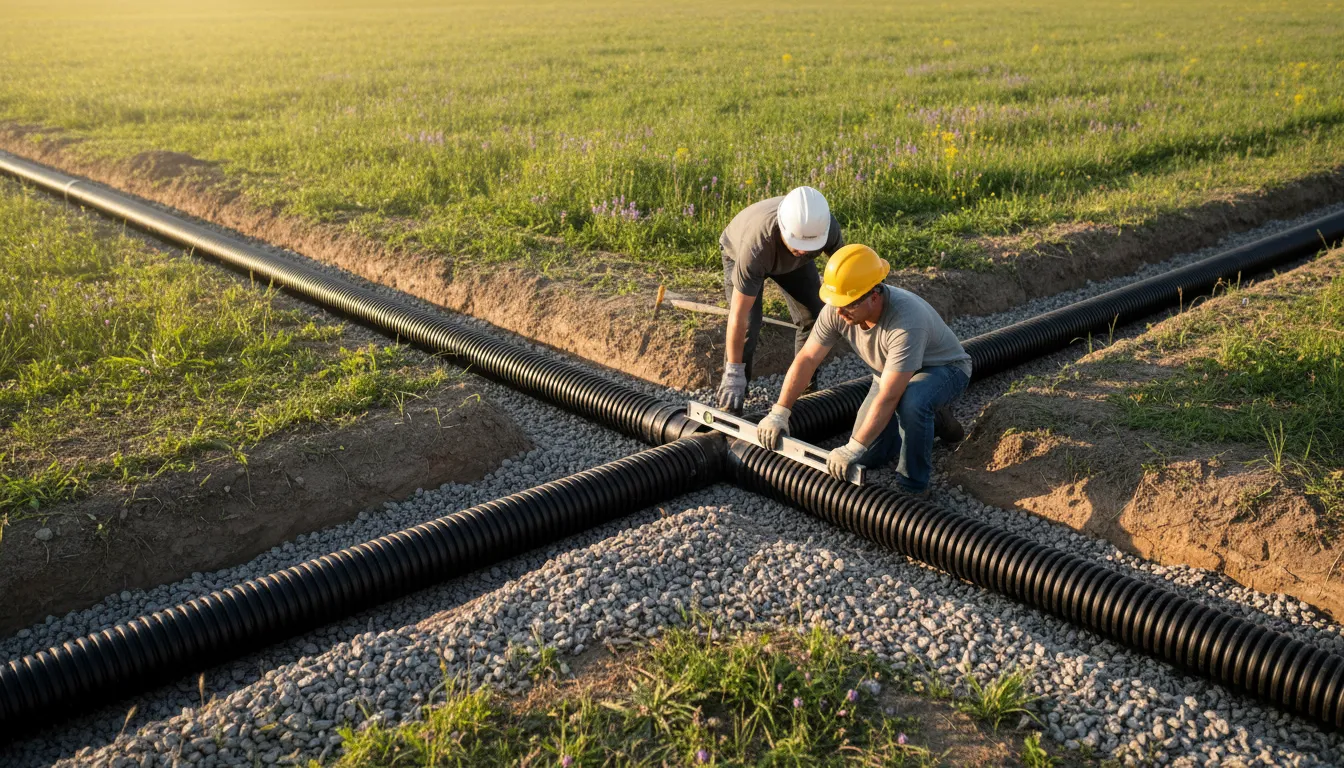
A failing drain field, also known as a leach field or absorption area, is a serious issue for any home with a septic system. When this critical component stops properly dispersing treated wastewater, it can lead to soggy yards, foul odors, and even sewage backups into your home. In Wallingford, addressing drain field problems requires navigating specific state and local health codes. This guide explains the process, costs, and key considerations for drain field repair or replacement, helping you connect with qualified local professionals to restore your property's wastewater system.
Understanding Your Drain Field's Role
The drain field is the final and most crucial stage of your onsite wastewater treatment system. After solids settle in the septic tank, the liquid effluent flows to the drain field, where it percolates through soil for final natural purification. A properly functioning leach field protects both your home's plumbing and the local groundwater. In Wallingford, soil conditions, high water tables, and aging systems can all contribute to leach field failure, making timely attention essential.
Signs You Need Drain Field Service
Recognizing early warning signs can prevent more extensive damage and costly emergency repairs. Be alert for these indicators of a failing absorption area:
- Soggy Ground or Surfacing Effluent: Puddles or consistently wet, spongy soil over the drain field, especially when it hasn't rained.
- Sewage Odors: Unpleasant smells emanating from your yard near the septic system area.
- Slow Drains and Backups: Gurgling pipes, slow-draining sinks and toilets, or sewage backups in the home.
- Unusually Green Grass: Patches of grass over the drain field that are much lusher and grow faster than the rest of the lawn.
- Failed Inspection: A routine septic inspection or a mandatory inspection for a property transfer identifies a failure in the leaching system.
If you notice any of these signs, it's time to contact a licensed septic professional in the Wallingford area for a diagnosis.
The Wallingford Regulatory Process: Permits and Approvals
All septic system work in Connecticut, including drain field repairs, is governed by the Connecticut Public Health Code (19-13-B103) and the 2024 Technical Standards. In Wallingford, the local Health Department must approve any repair or replacement. The process is designed to ensure the new system protects public health and the environment.
- Initial Evaluation and Design: A licensed installer or professional engineer must evaluate your site. This often involves a review of existing permits, a site inspection, and potentially new soil testing (like a perc test) if old records are unavailable 1. They will design a system that complies with all codes, including finding a suitable "code-complying area" for the new leaching system.
- Permit Submission: The licensed installer submits detailed plans and a permit application to the Wallingford Health Department for review and approval.
- Installation and Inspection: Once permitted, the installation proceeds. Critically, the local health department must inspect the new system components before they are backfilled and covered 2.
- Final Approval: After passing inspection, the system receives final approval from the health department.
Key Site and System Considerations
Several local factors heavily influence the feasibility and design of a drain field replacement in Wallingford:
- Soil Capacity and Percolation: The soil must have sufficient capacity to absorb and treat the wastewater. Saturated soil cannot properly disperse effluent, leading to failure.
- Groundwater Separation: State code requires a minimum 18-inch vertical separation between the bottom of the leaching trenches and the highest seasonal groundwater level. This is a critical measurement in Wallingford's variable terrain.
- Site Constraints: Shallow bedrock, high water tables, steep slopes, and limited space are common challenges that may require advanced treatment systems or specialized engineering solutions.
- Code-Complying Area: A key regulatory concept is that any repair or addition to a system requires the identification of enough space for a future full replacement system. This ensures the property has a long-term solution 3 4.
Find the perfect drain field repair companies for your needs
Get personalized recommendations and expert advice
Cost Factors for Leach Field Work
The cost to repair or replace a drain field in Wallingford varies widely based on the system size, soil conditions, extent of failure, and the technology required. According to industry data, homeowners should be prepared for significant investment.
- Drain Field Replacement Only: Costs can range from approximately $3,000 to $15,000, depending on the size and complexity of the new leaching area.
- Full System Replacement (Tank & Field): A more comprehensive replacement of both the septic tank and drain field typically averages between $15,000 and $20,000 in local districts, with high-end projects exceeding $20,000 5 6.
- Major Influencers on Price: The need for engineered designs, alternative technology (like mound systems), difficult site access, extensive excavation, and permit fees all contribute to the final cost.
Choosing a Licensed Professional
Given the technical and regulatory complexity, selecting the right contractor is paramount. Look for a professional who is:
- Licensed in Connecticut: Ensure they hold a current CT License for Subsurface Sewage Disposal System Installers.
- Familiar with Wallingford: They should have experience working with the Wallingford Health Department and know local site conditions.
- Comprehensive in Services: Ideally, they can handle the entire process-diagnosis, design, permitting, installation, and inspection coordination.
- Transparent with Estimates: They should provide a detailed written estimate that breaks down design, permitting, materials, labor, and any potential contingencies.
A reputable professional will guide you through every step, ensuring your new leaching system is built to last and complies with all health codes.
Maintenance for Longevity
Once your new drain field is installed, proper maintenance is key to extending its lifespan for decades. This includes regular septic tank pumping (typically every 3-5 years), conserving water to avoid overloading the system, and avoiding planting trees near the field or driving/parking heavy vehicles over it. The Connecticut Department of Public Health provides excellent guidance on operation and maintenance to protect your investment 7.
Frequently asked questions
Sources
Footnotes
-
Frequent Questions on Septic Systems | US EPA - https://www.epa.gov/septic/frequent-questions-septic-systems ↩
-
Connecticut Septic Tank Requirements - https://www.ntotank.com/blog/connecticut-septic-tank-requirements ↩
-
Septic System Design: What CT Homeowners Need to Know - https://andersonseptic.com/septic-system-design-guide/ ↩
-
Connecticut Public Health Code On-site Sewage Disposal ... - https://portal.ct.gov/-/media/Departments-and-Agencies/DPH/dph/environmental_health/environmental_engineering/TS-2024-Documents/2024-Technical-Standards-Final-01012024.pdf ↩
-
Septic Homeowners - North Central Distict Health Department - https://www.ncdhd.org/septic-homeowners ↩
-
Cost to Replace Septic Tank and Drain Field [2026 Data] | Angi - https://www.angi.com/articles/how-much-new-drain-fields-foot.htm ↩
-
Operation and Maintenance - CT.gov - https://portal.ct.gov/dph/environmental-health/environmental-engineering/operation-and-maintenance ↩