
Find the Best Drain Field Repair Companies for Your Business
No obligation • Fast responses • Nationwide coverage

Why you can trust Septic Spot
Septic Spot is a leading United States resource for understanding and comparing septic services. Our editors review providers using consistent criteria and verify key business details. Listings and scores are independent, and companies cannot pay to influence our content.
Search providers near you
Top Drain Field Repair Companies in West Hartford, Connecticut Ranked
A failing drain field is a serious issue for any homeowner with a septic system. This critical component, also known as a leach field or absorption area, is responsible for safely dispersing treated wastewater into the soil. When it malfunctions, it can lead to soggy yards, foul odors, and even sewage backups into your home. In West Hartford, addressing these problems requires navigating specific local and state health regulations. This guide explains the process, costs, and key considerations for drain field restoration and septic system replacement in the area, helping you connect with qualified local professionals.
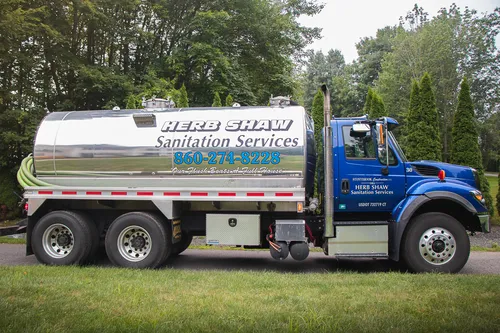
Understanding Your Drain Field and Signs of Failure
Your septic system's drain field is the final stage of wastewater treatment. After solids settle in the tank, liquid effluent flows into a network of perforated pipes buried in trenches filled with gravel. This effluent slowly percolates into the surrounding soil, where natural processes further purify it. Over time, however, the soil can become clogged with biomat-a layer of organic material-or the pipes can crack and settle. Common warning signs include:
- Persistently wet or soggy soil over the drain field area, even during dry weather.
- Sewage odors emanating from your yard or basement.
- Slow-draining sinks, tubs, and toilets throughout the house.
- Unusually lush, green grass growing over the drain field.
- Standing water or surfacing sewage.
If you notice any of these symptoms, it's crucial to act quickly. A failing leaching system is a public health concern and can cause significant property damage.
West Hartford and Connecticut Regulatory Landscape
All septic system work in West Hartford is governed by the Connecticut Public Health Code and enforced by local health districts. For residents, this typically means working with either the West Hartford-Bloomfield Health District (WHBHD) or the North Central District Health Department (NCDHD). These agencies oversee permits, site testing, and inspections to ensure public and environmental safety.
Key Regulatory Requirements:
- Permits: Any repair or replacement of a septic system component requires a permit from the local health district before work begins.
- Licensed Professionals: System designs must be created by a professional engineer, and installation must be performed by a state-licensed septic installer.
- Reserve Area: Connecticut law requires that a designated reserve area be available on your property for future system expansion or replacement. This area must be evaluated alongside the primary site.
The Step-by-Step Process for Repair or Replacement
Addressing a failed absorption field is a multi-stage process involving professionals and health department oversight.
1. Initial Site Evaluation and Testing
The first step is a thorough site investigation, which is more intensive than a routine inspection. A licensed installer or engineer will use a backhoe to dig deep test pits, typically to a depth of 10 feet. A minimum of four pits are often required to assess soil composition and, critically, the seasonal high groundwater table. The bottom of any new leaching system must maintain a minimum vertical separation of 18 inches from this groundwater level.
Following the test pits, a percolation test (or "perc test") is conducted. This measures the rate at which water drains through the soil in both the primary and reserve areas. An agent from the health department must witness this test. The results determine the size and design of the required drain field.
2. Design and Permitting
With the soil data in hand, a professional engineer designs a system tailored to your property's conditions and your household's needs. You or your contractor must then submit a detailed application packet to the health district, which includes:
- The completed permit application.
- A scaled plot plan showing the home, existing system, proposed work, test pit locations, and the reserve area.
- The engineered system design.
- House plans (for new construction or major changes) 1.
Once the permit is approved, work can be scheduled.
3. Installation and Inspection
The actual construction involves excavating the old field (if necessary) and installing the new leaching trenches, distribution box, and piping according to the approved plan. The health department conducts mandatory inspections during critical phases of the installation and a final inspection upon completion to grant approval 2.
Find the perfect drain field repair companies for your needs
Get personalized recommendations and expert advice
Cost Considerations for Drain Field Work
The cost to remedy a failing septic field in West Hartford can vary widely based on the extent of the problem, soil conditions, and the size of the system needed.
- Permit and Testing Fees: You can expect to pay several hundred dollars in fees to the health district for permits and site testing witnessing. Hiring an engineer for the soil evaluation and design adds to this upfront cost 3.
- Drain Field Installation: The labor and materials for installing a new leach field itself generally range between $5,000 and $12,000 4. This is often the core cost for a replacement when the septic tank is still functional.
- Full System Replacement: If the septic tank also needs replacement, total costs in Connecticut typically range from $10,000 to $25,000 or more 5 6 7. Complex systems for challenging sites or larger homes will be at the higher end of this spectrum.
Financial Assistance Options
Recognizing the significant expense, the State of Connecticut offers financial assistance programs for repairing or replacing failing residential septic systems. These are often administered as low-interest loans through state agencies. It's worthwhile to inquire with your installer or the health department about current program availability and eligibility requirements.
Choosing a Service Provider in West Hartford
Given the technical and regulatory complexity, selecting the right contractor is paramount. Look for a company with:
- A valid Connecticut license for septic system installation.
- Extensive local experience in West Hartford and familiarity with the NCDHD and WHBHD procedures.
- Positive references and a solid reputation for quality workmanship.
- Clear communication about the process, timelines, and costs.
- Proper insurance and warranties on their work.
A reputable provider will handle the permit process, coordinate with the health department inspector, and ensure the job meets all state and local codes.
Maintenance: Protecting Your New Investment
After investing in a new or repaired leaching system, proper maintenance is key to its longevity. This includes:
- Regular Pumping: Have your septic tank pumped every 3-5 years by a licensed pumper to prevent solids from escaping into the drain field 8.
- Water Conservation: Spread out water use and fix leaks to avoid hydraulically overloading the system.
- Mind What You Flush: Only human waste and toilet paper should go down the drain. Avoid chemicals, grease, and non-biodegradable items.
- Protect the Area: Never drive or park vehicles over the drain field, and avoid planting trees with deep roots nearby.
Taking these steps will help ensure your new absorption area functions effectively for decades.
Frequently asked questions
Sources
Footnotes
-
Permit # - https://resources.finalsite.net/images/v1774372013/westhartfordctgov/mmwbxqb1zofk86ccm50w/WHBHDSEPTICAPPLICATION.pdf ↩
-
Septic System Design: What CT Homeowners Need to Know - https://andersonseptic.com/septic-system-design-guide/ ↩
-
Septic Developers - North Central District Health Department - https://www.ncdhd.org/septic-developers ↩
-
Cost to Replace Septic Tank and Drain Field [2026 Data] | Angi - https://www.angi.com/articles/how-much-new-drain-fields-foot.htm ↩
-
Septic System Repair - Connecticut eRegulations System - https://eregulations.ct.gov/eRegsPortal/Browse/RCSA/Title_8Subtitle_8-416_HTML/ ↩
-
Septic System Replacement New Milford CT | Signs, Costs & Solutions - https://newmilfordseptic.com/when-is-it-time-to-replace-your-septic-system-in-new-milford-ct/ ↩
-
Septic System Installation Cost [2025 Data] - HomeAdvisor - https://www.homeadvisor.com/cost/plumbing/install-a-septic-tank/ ↩
-
Operation and Maintenance - CT.gov - https://portal.ct.gov/dph/environmental-health/environmental-engineering/operation-and-maintenance ↩