
Find the Best Drain Field Repair Companies for Your Business
No obligation • Fast responses • Nationwide coverage

Why you can trust Septic Spot
Septic Spot is a leading United States resource for understanding and comparing septic services. Our editors review providers using consistent criteria and verify key business details. Listings and scores are independent, and companies cannot pay to influence our content.
Search providers near you
Top Drain Field Repair Companies in West Haven, Connecticut Ranked
A failing drain field, also known as a leach field or absorption area, is a serious issue for any homeowner with a septic system. When this critical component stops properly dispersing and treating wastewater, it can lead to soggy yards, foul odors, and even environmental contamination. In West Haven, addressing drain field problems requires navigating specific local and state health regulations. This guide is designed to help you understand the process, costs, and compliance steps for septic drain field repair or replacement, connecting you with the professional expertise needed to resolve the issue correctly and legally.
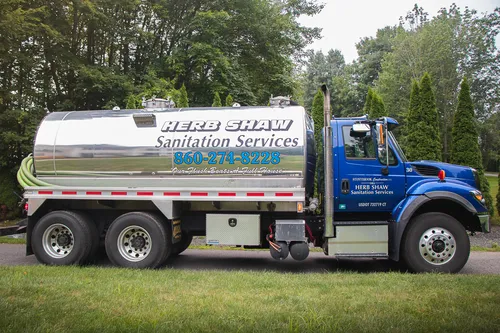
Understanding Your Septic System's Drain Field
The drain field is the final stage of your onsite wastewater treatment system. After solids settle in the septic tank, the liquid effluent flows out into a network of perforated pipes buried in trenches filled with gravel. This effluent slowly percolates down through the soil, where natural processes remove harmful bacteria, viruses, and nutrients before the water rejoins the groundwater. A healthy drain field is essential for protecting both your property and public health.
Common signs of a failing drain field include:
- Persistent soggy ground or standing water over the field area.
- Sewage odors in the yard or home.
- Slow-draining toilets and sinks, especially during wet weather.
- Unusually lush, green grass growing over the drain field.
The Regulatory Landscape in West Haven, CT
All work on septic systems in Connecticut, including drain field repairs and replacements, is governed by the Connecticut Public Health Code Section 19-13-B100a. This means you cannot simply hire an excavator to dig up and replace a field. The process is overseen by the local health department-in this case, the West Haven Health Department-to ensure public safety and environmental protection.
Key regulatory points include:
- Permits Are Mandatory: Any repair or replacement requires a permit from the local health agency. Starting work without one can result in fines and orders to stop.
- Final Inspection: Once work is complete, a final inspection by the health department is required to certify the system complies with the code.
- Code-Complying Area: If you are planning to add bedrooms, finish a basement, or change your building's use, you may need to prove a "code-complying area" exists on your property for a potential future septic system, which influences repair or replacement options.
Step-by-Step: The Repair or Replacement Process
Navigating a drain field issue follows a structured path from diagnosis to completion.
1. Professional Inspection and Diagnosis
The first step is to have your entire septic system inspected by a licensed professional. They will check tank sludge levels, inspect baffles and pipes, and most importantly, assess the condition of the drain field. This diagnosis determines whether a targeted repair is possible or if a full replacement is necessary 1.
2. Soil Testing and Site Evaluation
If replacement is likely, the next critical phase is soil testing, often called a percolation or "perc" test. The local health district must assess whether your property's soils can provide adequate wastewater treatment. This test determines the size and type of system your land can support. The Quinnipiack Valley Health District (which serves some areas; always check with West Haven directly) lists a soil testing fee of $275 for system repair or replacement 2.
3. Engineered Design and Permitting
For most replacements, especially if the original system has failed, a licensed professional or engineer must create a design for the new system. This plan maps out the new drain field location, ensuring it meets all strict setback requirements from property lines, wells, homes, and water bodies. This engineered plan is then submitted with your permit application to the health department 3.
4. Installation or Repair Work
Once permits are secured, the physical work begins. For a full leach field replacement, this involves excavating the old, failed field and installing new trenches, distribution pipes, and gravel. The specific technology-whether a conventional system, pressurized distribution, or an advanced alternative treatment system-depends on your soil test results and site limitations.
Find the perfect drain field repair companies for your needs
Get personalized recommendations and expert advice
Cost Considerations for Drain Field Work
Understanding the potential financial outlay is crucial. Costs can vary widely based on the extent of the problem and your site's conditions.
- Full System Replacement: Replacing both the septic tank and drain field is a significant investment. In Connecticut, costs for a complete new system typically range from $10,000 to over $25,000, with the final price heavily dependent on whether a conventional or more complex engineered system is required 4 5.
- Targeted Repairs: Repairing a specific issue, such as a clogged or broken distribution pipe, is generally more cost-effective than a full replacement. However, repairs are only a solution if the underlying soil and the rest of the system are still functional.
- Fees and Soft Costs: Remember to budget for non-construction costs, including the professional inspection, soil testing fees (e.g., $275), engineered design fees (another $275+), and the permit fees from the health department 6 7.
When Repairs Aren't Enough: Planning for Replacement
Sometimes, a repair is just a temporary fix. A drain field can fail due to age, soil compaction, hydraulic overloading, or biological mat buildup. If the soil is completely saturated and no longer accepts effluent, replacement is the only permanent solution.
If your site cannot support a conventional replacement system due to poor soil, high groundwater, or small lot size, alternative systems may be an option. These include mound systems, aerobic treatment units (ATUs), or sand filters. These systems require more detailed engineering, more energy, and more maintenance, but they allow for treatment in challenging conditions.
Financial Assistance: It's worth noting that if a failing system is deemed a public health nuisance, financial assistance in the form of loans may be available for Connecticut residents through state-authorized programs. Checking with the West Haven Health Department or the Connecticut Department of Public Health for current programs is advisable 8.
Maintaining Your New or Repaired System
Protecting your investment is key. After a repair or replacement, proper maintenance will extend the life of your drain field for decades.
- Pump Regularly: Have your septic tank pumped every 3-5 years, or as recommended by your inspector, to prevent solids from escaping into the drain field.
- Conserve Water: Spread out laundry loads and fix leaks to avoid hydraulically overloading the field.
- Mind What You Flush: Only human waste and toilet paper should go down the drain. Avoid chemicals, grease, and non-biodegradable items.
- Protect the Area: Never drive or park vehicles over the drain field, and avoid planting trees with deep roots nearby.
Frequently asked questions
Sources
Footnotes
-
Connecticut Septic Tank Requirements - https://www.ntotank.com/blog/connecticut-septic-tank-requirements ↩
-
Septic Systems Reports, Regulations, Guidance, and Manuals - https://www.epa.gov/septic/septic-systems-reports-regulations-guidance-and-manuals ↩
-
CONNECTICUT PUBLIC HEALTH CODE On-site Sewage ... - https://portal.ct.gov/-/media/Departments-and-Agencies/DPH/dph/environmental_health/environmental_engineering/2023-uploads/TS-Master-2023-1242023A.pdf ↩
-
Septic System Replacement New Milford CT | Signs, Costs & Solutions - https://newmilfordseptic.com/when-is-it-time-to-replace-your-septic-system-in-new-milford-ct/ ↩
-
The Ultimate Guide to Replacing a Septic Drain Field - https://www.rciseptic.com/the-ultimate-guide-to-replacing-a-septic-drain-field ↩
-
HVHD Fee Schedule 2024 - 2025 - https://hvhdct.gov/wp-content/uploads/2025/04/OPS_FY24_25-UpdatedFeeSchedule.pdf ↩
-
Septic System Design: What CT Homeowners Need to Know - https://andersonseptic.com/septic-system-design-guide/ ↩
-
Septic System Repair - Connecticut eRegulations System - https://eregulations.ct.gov/eRegsPortal/Browse/RCSA/Title_8Subtitle_8-416_HTML/ ↩