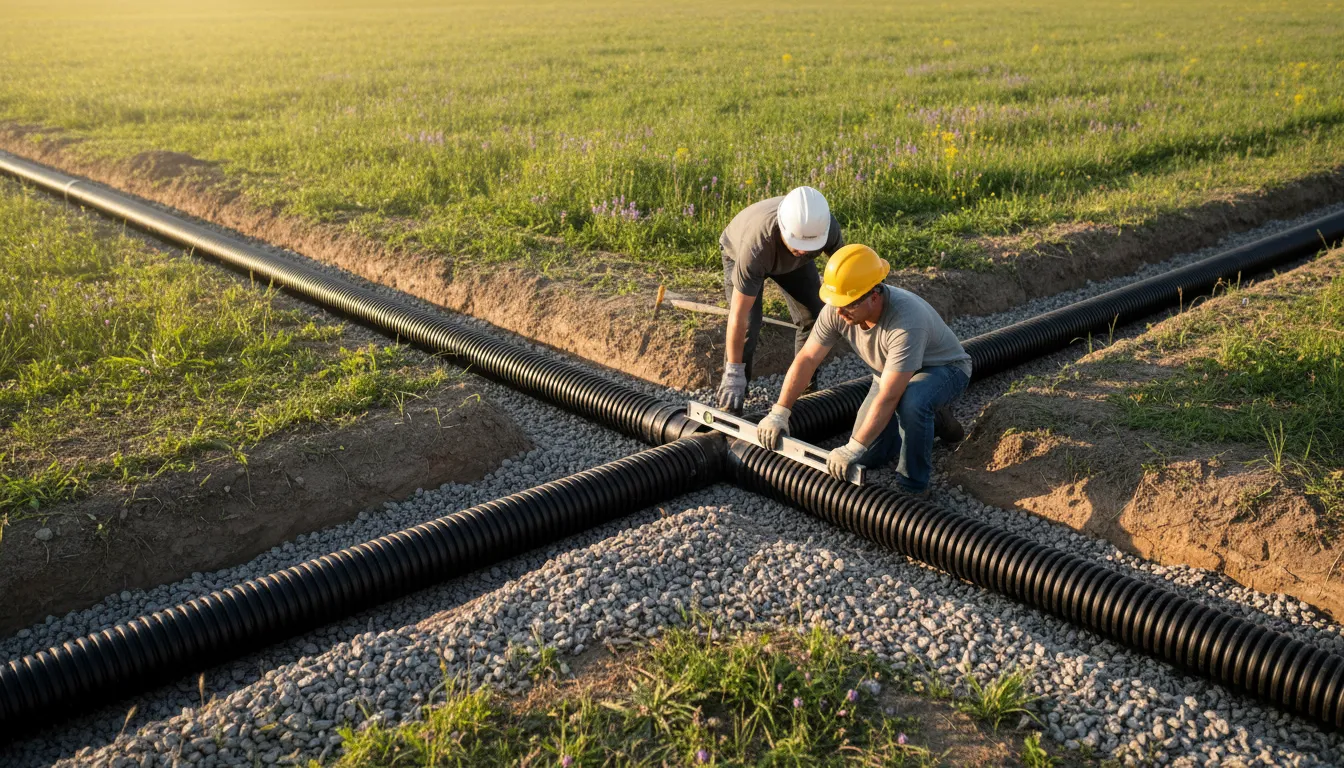
Find the Best Drain Field Repair Companies for Your Business
No obligation • Fast responses • Nationwide coverage

Why you can trust Septic Spot
Septic Spot is a leading United States resource for understanding and comparing septic services. Our editors review providers using consistent criteria and verify key business details. Listings and scores are independent, and companies cannot pay to influence our content.
Search providers near you
Best Drain Field Repair Companies in Idaho Ranked
A failing drain field is a serious issue for any Idaho homeowner with a septic system. This critical component, also known as a leach field or absorption area, is responsible for safely filtering and dispersing treated wastewater into the soil. When it fails, it can lead to soggy yards, foul odors, and environmental contamination. Navigating the repair or replacement process involves understanding Idaho's specific regulations, which are enforced by local public health districts. This guide provides the essential information you need to understand the requirements, costs, and steps for addressing drain field problems in Idaho, helping you connect with qualified local professionals.
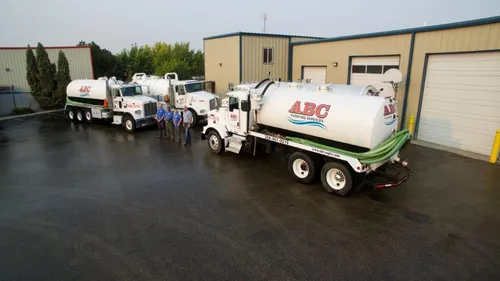
ABC Pumping Service
281 N Baltic Pl, Meridian, ID 83642
ABC Pumping Service is a septic tank and system specialist based in Boise, ID, serving Meridian and surrounding areas. They provide a range of services including septic tank pumping, inspection, repair, installation, drain field repair, and pump maintenance. With over 30 years of experience, ABC Pumping Service is familiar with both old and new septic systems and offers 24/7 emergency services. One notable capability is their expertise in repairing damaged drain fields to prevent septic system failure. They also install and maintain advanced wastewater treatment systems such as ETPS units, serving both residential and commercial clients.
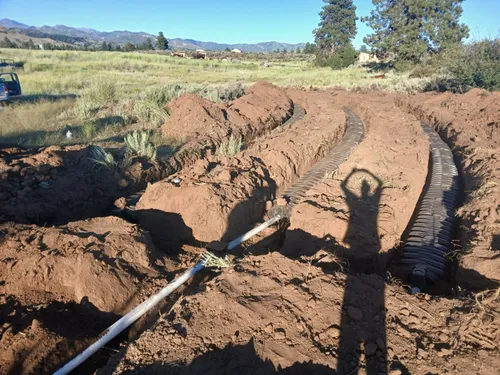
Qube Construction LLC
810 S. Quiet Creek Ln, Nampa, ID 83687
Qube Construction LLC provides septic system services including pumping, installation, repair, inspection, and drain field work in Boise, ID and the Treasure Valley. Their licensed team handles residential and commercial projects, offering 24/7 emergency service and modern equipment to maintain system efficiency. With over 15 years of experience, Qube Construction specializes in complete septic system design, code-compliant installations, and expert drain field repair and replacement. They emphasize environmental responsibility and provide detailed inspection reports with fast turnaround times.
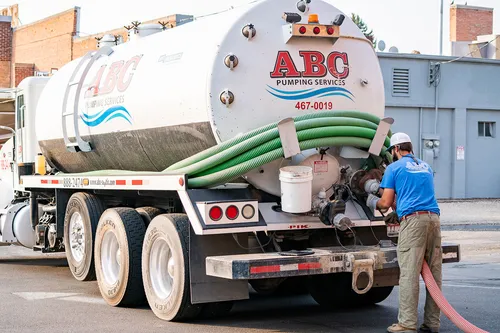
ABC Pumping Service
3716 Airport Rd, Nampa, ID 83687
ABC Pumping Service provides septic tank pumping, septic system repair, and drain field repair services in Meridian, ID. They serve both residential and commercial clients, including motels, restaurants, and car washes. The company offers specialized capabilities such as grease trap maintenance, sump and lift pump installation and repair, and commercial septic services. With over 30 years of experience in the Nampa area, ABC Pumping Service is equipped to handle a variety of septic and drainage issues. They also provide 24/7 commercial septic services to support businesses with urgent needs.
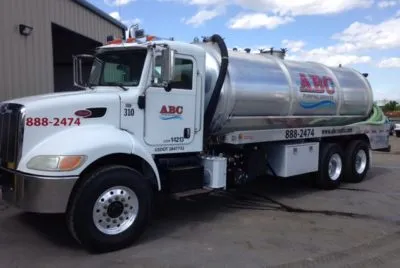
ABC Pumping Services
393 W State St f, Eagle, ID 83616
ABC Pumping Services provides septic system pumping, inspection, and repair services in Boise, ID. They specialize in maintaining residential and commercial septic systems, including drain field repair and sump pump installation. With over 30 years of experience, ABC Pumping Services offers 24/7 emergency septic pumping to address urgent issues and prevent costly damage. Their expertise includes grease trap maintenance for restaurants and car wash sump pumping, ensuring proper waste disposal and system function.
Understanding Your Drain Field and Signs of Failure
Your septic system's drain field is the final stage of wastewater treatment. After solids settle in the tank, the liquid effluent flows through pipes into a network of perforated lines buried in trenches filled with gravel. This effluent slowly percolates through the soil, where natural processes remove harmful bacteria and nutrients before the water reaches groundwater.
A system works well when the soil can absorb the effluent. Problems arise when the soil becomes clogged or saturated. Common signs of drain field failure in Idaho include:
- Soggy ground or standing water over the drain field area, especially when it hasn't rained.
- Sewage odors emanating from the yard.
- Slowly draining or backing up toilets and sinks.
- Unusually lush, green grass over the drain field compared to the rest of the lawn.
- Gurgling sounds in plumbing fixtures.
If you notice these signs, it's crucial to act quickly. Ignoring a failing drain field can lead to more extensive environmental damage, costly repairs, and potential health code violations.
Idaho's Regulatory Framework: Local Health Districts
Unlike many states with a single, centralized permit authority, Idaho delegates the regulation of onsite wastewater systems to seven regional Public Health Districts. Your specific location determines which district governs your project 1. The major districts are:
- Panhandle Health District (North Idaho)
- Public Health - Idaho North Central District
- Southwest District Health (Southwest Idaho)
- Central District Health (Boise area)
- South Central Public Health District (Twin Falls region)
- Eastern Idaho Public Health
- Southeastern Idaho Public Health
Each district has its own application forms, fee schedules, and slight variations in rules, but all operate under the overarching guidelines set by the Idaho Department of Environmental Quality (DEQ). Your first step in any repair or replacement project is to contact your local health district's environmental health department.
The Permit Process: A Step-by-Step Guide
Any new, repaired, or replaced drain field in Idaho requires a Subsurface Sewage Permit from your local health district 2. You cannot legally begin construction without one.
1. Initial Site Evaluation and Application
Before a permit is issued, the health district must evaluate your property. This often involves a site evaluation to assess soil type, depth to groundwater, slope, and proximity to wells, property lines, and water bodies 3 4. For some projects, the district may require a 10-foot deep test hole to confirm soil conditions 5. You will submit a permit application along with a site evaluation fee, which is typically around $550 for a single-family dwelling.
2. Permit Design and Requirements
Once the site is evaluated, the health district will specify the design standards for your drain field. Regulations require identifying both a primary drain field area and a separate replacement area for future use 6. The design must follow engineered or pre-approved plans, specifying the size, layout, and materials (like specific drain rock and piping) 7. A permit for repair or replacement is generally valid for one year from the date of issuance.
3. The Critical Role of Inspections
Idaho law mandates inspections during installation. You must not cover any part of the septic system before it is inspected and approved by the health district inspector. The installer (or homeowner, if self-installing) is typically required to be present for the final inspection before backfilling. After inspection, the inspector will leave a tag on-site-a green tag means approved, while a red tag indicates issues that must be corrected.
Find the perfect drain field repair companies for your needs
Get personalized recommendations and expert advice
Hiring a Professional vs. Homeowner Installation
While some Idaho health districts allow homeowners to install their own systems after obtaining a permit and often completing a training course, hiring a licensed septic installer is the standard and often required path.
Licensed installers bring essential expertise:
- Knowledge of Local Codes: They understand the specific nuances of your health district's rules.
- Proper Equipment: They have the machinery needed for efficient and correct excavation.
- Permit Navigation: They can help prepare site plans and navigate the permit process.
- Inspection Coordination: They schedule and are present for the mandatory inspections.
- Warranty: Their work is often guaranteed.
If you choose to act as your own installer, you assume full liability for the system's performance and compliance. Districts like Eastern Idaho Public Health provide detailed guides for homeowners, but strongly emphasize the complexity of the task.
Cost Considerations for Idaho Drain Field Projects
Costs for drain field repair or replacement in Idaho vary significantly based on system size, soil conditions, accessibility, and the type of technology required (e.g., conventional trench vs. advanced pressurized system). Permit fees are a fixed cost. An Individual System Repair Permit fee is approximately $950 8. The total project cost, including excavation, materials, labor, and permits, can range from several thousand dollars for a simple repair to over $10,000+ for a full replacement with challenging site constraints 8.
Protecting Your New or Repaired Drain Field
Once your drain field is functioning correctly, proper maintenance is key to its longevity. Homeowners are responsible for having their entire septic system inspected every 3 years and pumped every 3-5 years, depending on usage 9. Protect your investment by:
- Avoiding planting trees or deep-rooted shrubs near the drain field.
- Never driving or parking vehicles over the area.
- Not building structures, patios, or pools on top of it.
- Diverting roof drains and surface water away from the field.
- Practicing water conservation to avoid overloading the system.
- Never flushing non-biodegradable items, grease, or harsh chemicals 10.
Long-Term System Care and Environmental Stewardship
A well-maintained drain field is an asset that protects your property value and Idaho's groundwater. Regular pumping of the septic tank is the most important thing you can do to prevent solids from escaping into and clogging the drain field 11. Be mindful of what goes down your drains, and keep detailed records of all inspections, pumping, and repairs. This history is valuable for your own maintenance planning and is often required if you sell your property.
Frequently asked questions
Sources
Footnotes
-
A Homeowner's Guide to Septic Systems - https://idahopublichealth.com/environmental/septicsystems/474190-septic_homeowners_guide.pdf ↩
-
Septic Permits - Southeastern Idaho Public Health - https://www.siphidaho.org/environmental-health/septic-onsite.php ↩
-
So, You've Decided to Install Your Own Septic System... (Are ... - https://eiph.id.gov/wp-content/uploads/2025/09/Homeowner-Installation-Guide-9-2025.pdf ↩
-
Basic Septic System Installer Training Class - https://www.idahopublichealth.com/environmental/septicsystems/2020-Basic-Installer-Training.pdf ↩
-
Sewage System Permit Application and Installation Guidelines - https://panhandlehealthdistrict.org/wp-content/uploads/2019/05/Septic-Application-Guidelines.pdf ↩
-
Homeowner Installer Manual - Public Health - Idaho North Central District - https://idahopublichealth.com/environmental/septicsystems/New-Sewer-Installers-Manual.pdf ↩
-
Septic Permits & Records - Panhandle Health District - https://panhandlehealthdistrict.org/licensing-and-permitting/septic-permits-and-records/ ↩
-
Septic & Land Development - Southwest District Health - https://swdh.id.gov/licensing-permitting/septic-land-development/ ↩ ↩2
-
Homeowner's Guide to Septic Systems - https://phd5.idaho.gov/Documents/Environmental-Health/EPA_Septic_System_Guide_4-8-16.pdf ↩
-
Septic and Septage - Idaho Department of Environmental ... - https://www.deq.idaho.gov/water-quality/wastewater/septic-and-septage/ ↩
-
Septic Systems and Drainfields: What You Need to Know - https://cdh.idaho.gov/wp-content/uploads/2023/11/Septic-Systems-and-Drainfields-Brochure.pdf ↩