Find the Best Drain Field Repair Companies for Your Business
No obligation • Fast responses • Nationwide coverage

Why you can trust Septic Spot
Septic Spot is a leading United States resource for understanding and comparing septic services. Our editors review providers using consistent criteria and verify key business details. Listings and scores are independent, and companies cannot pay to influence our content.
Search providers near you
Top Drain Field Repair Companies in Boise, Idaho Ranked
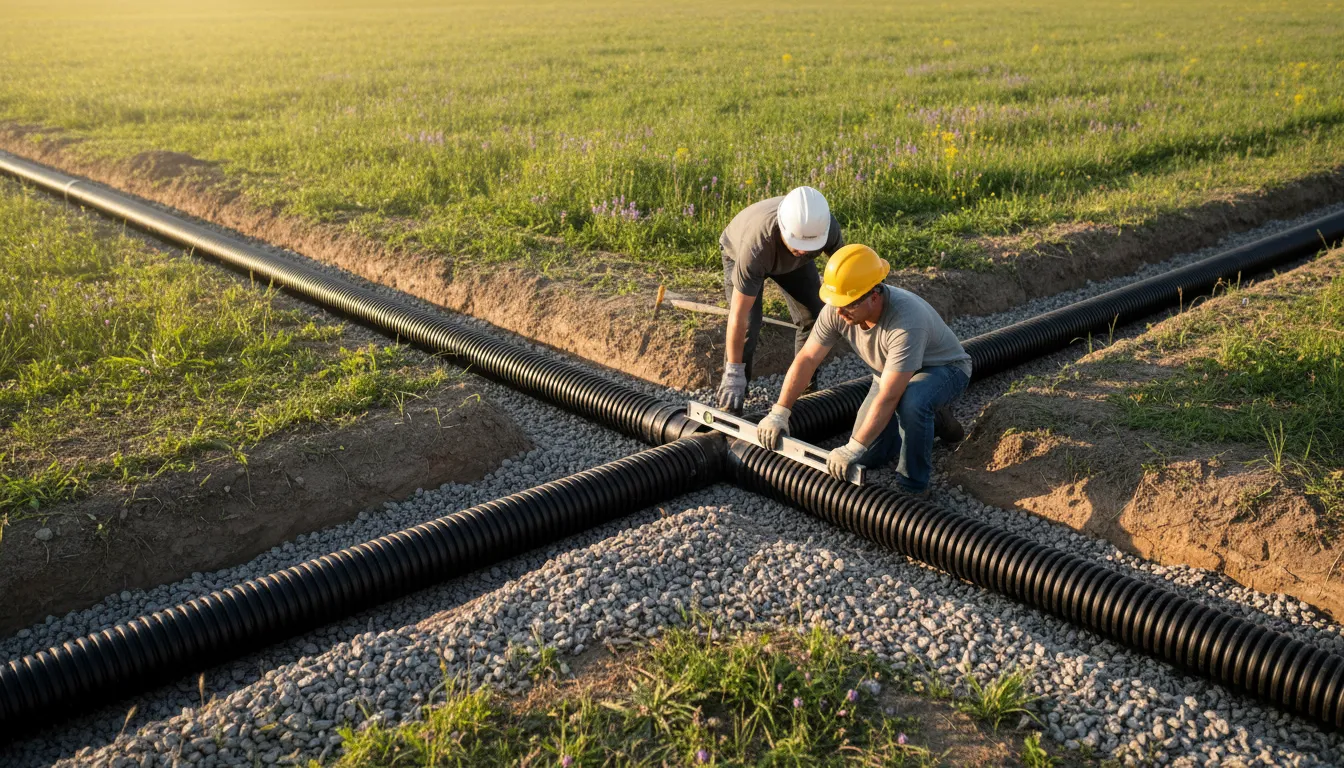
A failing septic drain field is a serious issue that can lead to property damage, environmental contamination, and costly repairs. Drain field repair or replacement involves addressing the underground network of perforated pipes and soil that treats and disperses wastewater from your home. This guide explains the critical steps, local regulations, and costs involved in fixing or replacing a leach field in Boise, helping you navigate the process with confidence and find qualified local professionals to assess and resolve your system's issues.
ABC Pumping Service
281 N Baltic Pl, Meridian, ID 83642
ABC Pumping Service is a septic tank and system specialist based in Boise, ID, serving Meridian and surrounding areas. They provide a range of services including septic tank pumping, inspection, repair, installation, drain field repair, and pump maintenance. With over 30 years of experience, ABC Pumping Service is familiar with both old and new septic systems and offers 24/7 emergency services. One notable capability is their expertise in repairing damaged drain fields to prevent septic system failure. They also install and maintain advanced wastewater treatment systems such as ETPS units, serving both residential and commercial clients.
Qube Construction LLC
810 S. Quiet Creek Ln, Nampa, ID 83687
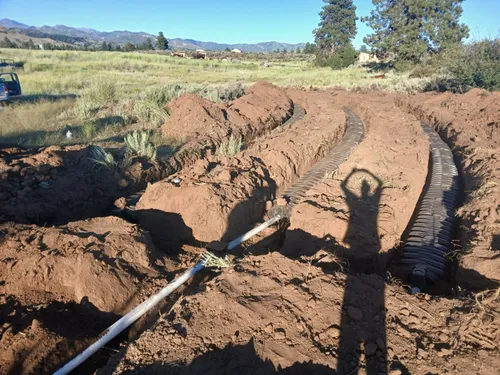
Qube Construction LLC provides septic system services including pumping, installation, repair, inspection, and drain field work in Boise, ID and the Treasure Valley. Their licensed team handles residential and commercial projects, offering 24/7 emergency service and modern equipment to maintain system efficiency. With over 15 years of experience, Qube Construction specializes in complete septic system design, code-compliant installations, and expert drain field repair and replacement. They emphasize environmental responsibility and provide detailed inspection reports with fast turnaround times.
ABC Pumping Service
3716 Airport Rd, Nampa, ID 83687
ABC Pumping Service provides septic tank pumping, septic system repair, and drain field repair services in Meridian, ID. They serve both residential and commercial clients, including motels, restaurants, and car washes. The company offers specialized capabilities such as grease trap maintenance, sump and lift pump installation and repair, and commercial septic services. With over 30 years of experience in the Nampa area, ABC Pumping Service is equipped to handle a variety of septic and drainage issues. They also provide 24/7 commercial septic services to support businesses with urgent needs.
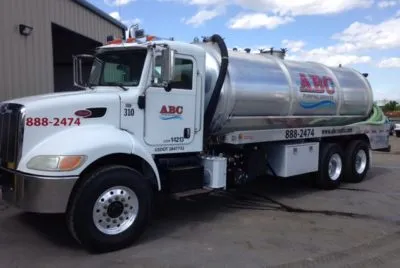
ABC Pumping Services
393 W State St f, Eagle, ID 83616
ABC Pumping Services provides septic system pumping, inspection, and repair services in Boise, ID. They specialize in maintaining residential and commercial septic systems, including drain field repair and sump pump installation. With over 30 years of experience, ABC Pumping Services offers 24/7 emergency septic pumping to address urgent issues and prevent costly damage. Their expertise includes grease trap maintenance for restaurants and car wash sump pumping, ensuring proper waste disposal and system function.
Understanding Your Septic System and Drain Field
Your septic system is a private wastewater treatment plant, and the drain field (also called a leach field or absorption field) is its most vital component. After solids settle in the septic tank, liquid effluent flows into the drain field, where it percolates through soil for final treatment and dispersal. When this area fails, untreated wastewater can surface, creating health hazards and unpleasant conditions. Recognizing the signs of a failing absorption field is the first step toward a solution.
Signs You Need Drain Field Repair or Replacement
How do you know if your leach field is failing? Look for these common warning signs:
- Soggy Ground and Surfacing Effluent: The most obvious sign is standing water or persistently soggy, mushy soil over the drain field area, especially when it hasn't rained. You might also see unusually lush, green grass growth in that specific spot.
- Persistent Sewage Odors: Foul smells of sewage around the yard, particularly near the drain field or septic tank, indicate that wastewater is not being properly treated and absorbed.
- Slow Drains and Backups: Frequent backups in household drains, gurgling sounds in plumbing fixtures, or toilets that flush slowly can signal that the entire system is overloaded because the drain field is not accepting effluent 1.
If you notice any of these issues, it's crucial to contact a licensed septic professional immediately to prevent further damage and environmental impact.
The Boise Area Regulatory Process: Permits and Inspections
All septic system work in Ada County, including Boise, is regulated by Southwest District Health (SWDH). You cannot legally begin any repair or replacement without following their specific procedures.
- Hire a Licensed Professional: Your first call should be to a licensed septic system installer or designer. They will assess the failure, determine if a repair is possible, or if a full replacement is necessary.
- Submit a Permit Application: Your contractor will typically handle the permit application with SWDH. A permit is mandatory for any repair, replacement, or expansion of a septic system.
- Site Evaluation and Soil Testing: Before a new drain field can be designed, a formal site evaluation is required. This involves digging test holes (often called "percolation tests" or soil evaluations) to determine soil suitability, depth to bedrock, and seasonal high groundwater levels 2. This evaluation dictates the size and type of system your property can support.
- System Design and Installation: Based on the soil evaluation, a system design is created, sometimes requiring a professional engineer for complex sites. Installation must follow Idaho Department of Environmental Quality (DEQ) rules and be performed by a licensed installer 3.
- Final Inspection: The City of Boise or SWDH must inspect the installed sewer lines and drain field before they are covered with soil. Passing this inspection is required to close the permit.
Key Factors Influencing Your Drain Field Project
Several site-specific factors will determine the feasibility, design, and cost of your leach field project:
- Soil Type: Soil must have adequate permeability (absorption capacity) to treat wastewater. Rocky or dense clay soils may require specialized systems or extensive bedding material, increasing cost 4.
- Groundwater Level: High groundwater can disqualify a standard drain field or mandate an advanced, above-ground system like a mound.
- Topography and Setbacks: Steep slopes can complicate installation. Regulations also enforce strict setbacks from wells, buildings, property lines, and waterways.
- Reserve Area: Idaho regulations require a designated, undisturbed "reserve area" on your property for a future drain field. This area must be identified during the initial permitting process 5.
Cost Breakdown for Drain Field Work in Boise
Costs can vary widely based on system size, soil conditions, and the type of system required. Here is a general breakdown of expected expenses:
- Permit and Site Evaluation Fees: SWDH fees for a new or replacement individual system are approximately $950. The site evaluation itself typically costs around $550 6.
- System Design and Engineering: Professional design fees can range from $500 to $3,000, depending on the complexity of the site and whether an engineer is required 7.
- Drain Field Installation: This is the most variable cost. A full leach field replacement can range from several thousand dollars to over $10,000. Factors include the size of the field, depth of trenches, soil conditions, and whether advanced treatment technology is needed 8 9.
- Additional Costs: Before any work begins, your existing septic tank will need to be pumped, which costs $500-$900 for a typical 1,000-gallon tank. Other costs may include excavation, piping, gravel, and landscaping restoration 10.
Find the perfect drain field repair companies for your needs
Get personalized recommendations and expert advice
The Step-by-Step Replacement Process
When a full drain field replacement is necessary, here is what the process typically looks like with a licensed contractor:
- Initial Assessment and Testing: The contractor confirms the failure and performs the required soil evaluation test holes to gather data for the permit application 11.
- Permitting and Design: The contractor submits the application, site data, and system design to SWDH for permit approval.
- Excavation and Installation: The old drain field may be abandoned in place. New trenches (typically 2-4 feet deep) are dug in the approved location or reserve area. Perforated pipes are laid in gravel-filled trenches, ensuring they are level and separated by at least 6 feet of undisturbed soil 12.
- Inspection and Backfill: After the SWDH or city inspector approves the installation, the trenches are carefully backfilled with soil.
- Restoration and Care: The area is graded and seeded. You'll receive guidance on proper system maintenance to protect your new investment.
Maintaining Your New Drain Field
Protect your new leach field by practicing good septic habits: conserve water, avoid pouring grease or chemicals down drains, and never drive or park over the drain field area. Have your septic tank pumped regularly (every 3-5 years) to prevent solids from clogging the new field.
Frequently asked questions
Sources
Footnotes
-
The Ultimate Guide to Replacing a Septic Drain Field - https://www.rciseptic.com/the-ultimate-guide-to-replacing-a-septic-drain-field ↩
-
Exh-10-Soil-Septic-Evaluation.pdf - Boise County - https://www.boisecounty.us/wp-content/uploads/2025/02/Exh-10-Soil-Septic-Evaluation.pdf ↩
-
Septic and Septage - Idaho Department of Environmental ... - https://www.deq.idaho.gov/water-quality/wastewater/septic-and-septage/ ↩
-
Homeowner Installer Manual - Public Health - Idaho North Central District - https://idahopublichealth.com/environmental/septicsystems/New-Sewer-Installers-Manual.pdf ↩
-
A Homeowner's Guide to Septic Systems - https://idahopublichealth.com/environmental/septicsystems/474190-septic_homeowners_guide.pdf ↩
-
Septic & Land Development - Southwest District Health - https://swdh.id.gov/licensing-permitting/septic-land-development/ ↩
-
Septic Systems and Drainfields: - Eastern Idaho Public Health - https://eiph.id.gov/wp-content/uploads/EH/Septic/WQ-Brochure-Septic-Systems-and-Drainfields-1.pdf ↩
-
Septic Drain Field Replacement Cost - https://dillonseptic.com/septic-drain-field-replacement-cost/ ↩
-
Cost to Replace Septic Tank and Drain Field [2026 Data] | Angi - https://www.angi.com/articles/how-much-new-drain-fields-foot.htm ↩
-
Residential Septic Tank Pricing | Homeowner's Guide to Costs - https://www.ntotank.com/blog/residential-septic-tank-pricing ↩
-
Septic Test Hole Application in Idaho - Freemans Construction Inc - https://freemansconstruction.com/septic-test-hole-application-idaho/ ↩
-
Residential Sewer Installation Procedures - City of Boise - https://www.cityofboise.org/media/11868/439_brochure_residential-sewer-installation_52021_final.pdf ↩