Find the Best Drain Field Repair Companies for Your Business
No obligation • Fast responses • Nationwide coverage

Why you can trust Septic Spot
Septic Spot is a leading United States resource for understanding and comparing septic services. Our editors review providers using consistent criteria and verify key business details. Listings and scores are independent, and companies cannot pay to influence our content.
Search providers near you
Best Drain Field Repair Companies in Illinois Ranked
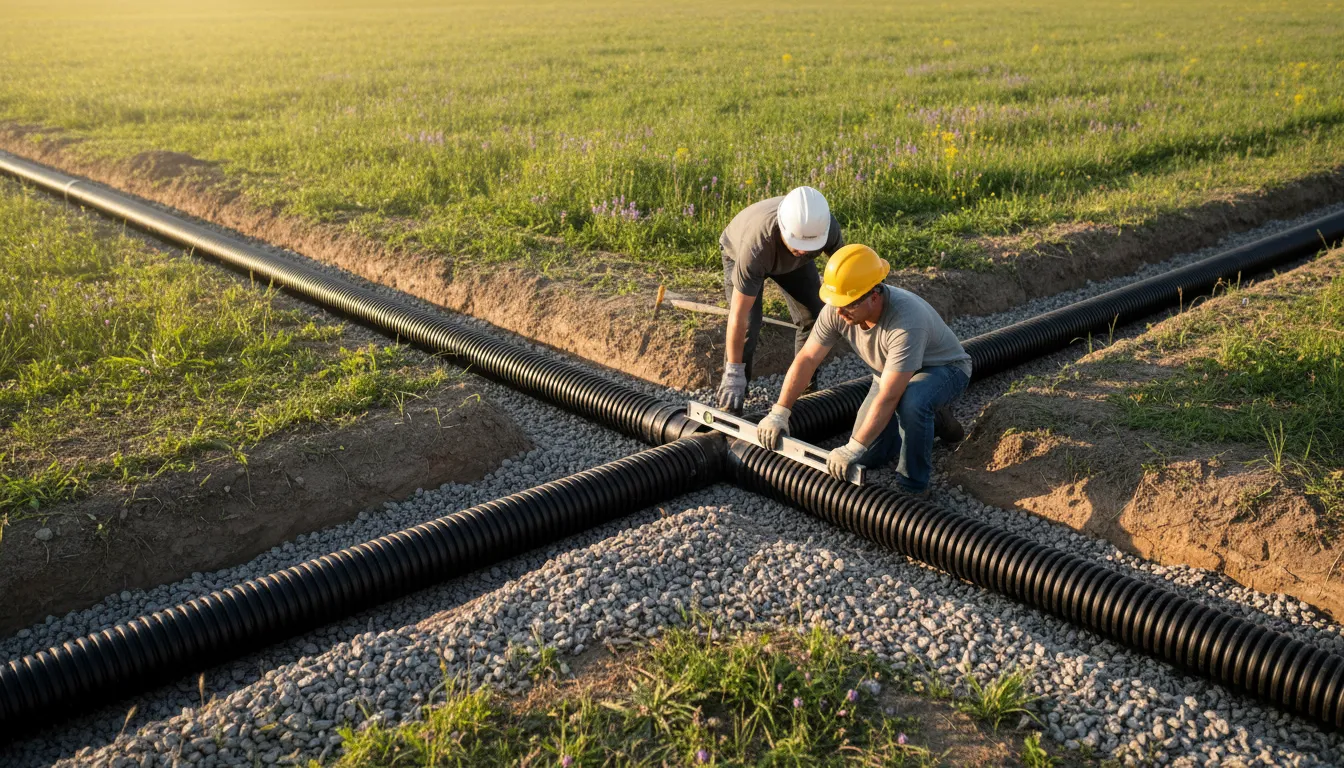
A failing drain field is a serious issue that can lead to sewage backups, foul odors, and environmental contamination. Drain field repair or replacement involves addressing the underground network of perforated pipes and soil that treats and disperses liquid effluent from your septic tank. In Illinois, this work is strictly regulated to protect public health and groundwater. This resource helps Illinois homeowners understand the critical regulations, processes, and costs involved, and connects you with experienced, licensed professionals who can assess and resolve your system's issues correctly.
Elevation Septic & Excavating, LLC
9412 W Parks School Rd, Princeville, IL 61559
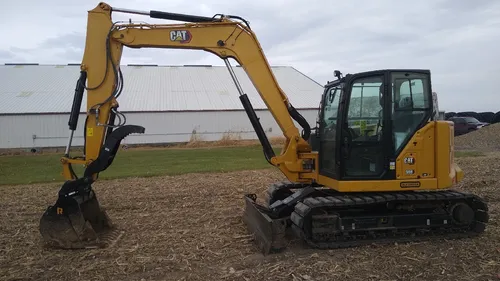
Elevation Septic & Excavating, LLC is a family-owned business based near Peoria, IL, specializing in excavation, septic system installation and repair, and sewer line services. They serve residential and commercial clients within 60 miles of Princeville, providing dependable groundwork for new construction, system replacements, and sewer emergencies. Their licensed and insured team focuses on long-term performance with capabilities including site preparation, trenching, grading, and complete septic system installs and repairs.
Ability Septic
801 N Raddant Rd, Batavia, IL 60510
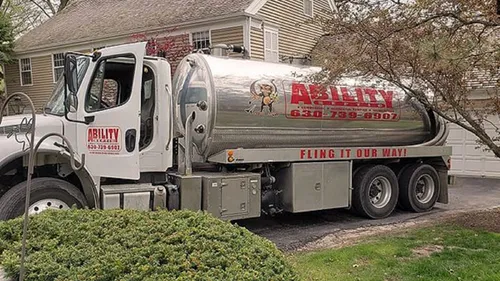
Ability Septic is a family-owned septic service provider based near Aurora, IL, serving Batavia and surrounding areas. With over 65 years of experience since 1956, they offer a full range of septic services including pumping, inspection, installation, repair, and drain field maintenance. Their team uses advanced Lenzyme bio-products for eco-friendly septic system solutions and provides 24/7 emergency services to address urgent needs promptly.
K-Fex Inc.
5885 N 800 E, New Carlisle, IN 46552
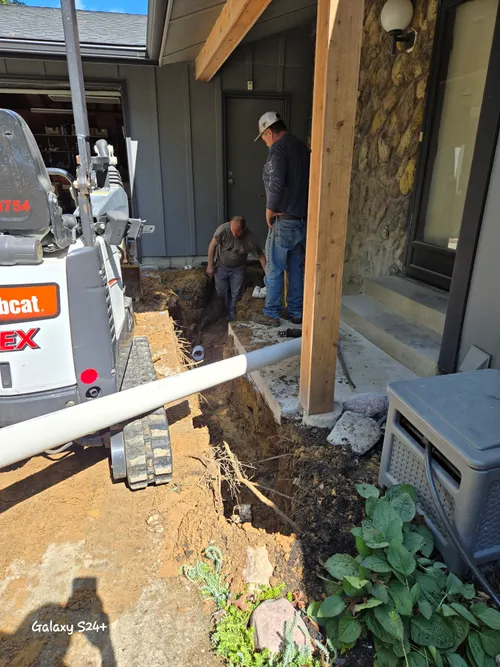
K-Fex Inc. provides septic tank pumping, inspection, repair, and installation services in Chicago, IL. They also handle drain field repair and replacement. The company offers excavation services and has a full-time office staff available during regular business hours. One notable capability is their service to locate and dig up septic tank lids when needed. K-Fex Inc. supports clients through the entire septic system process, including soil testing and health department coordination for system replacements.

Zeilinga Services, Inc.
850 Meadowview Crossing #9, West Chicago, IL 60185
Zeilinga Services, Inc. is a septic system company based in Chicago, IL. They provide septic tank pumping, inspection, repair, and installation services, along with drain field repair and septic pump replacement. Their work includes servicing various septic units such as Aqua 02, AquaKleer, and Norweco systems. They perform thorough maintenance tasks like cleaning pumps, changing filters, checking alarms, and conducting sludge tests to determine pumping needs. Zeilinga Services also offers specialized capabilities including jetting, lift station work, TV camera line inspections, and root control treatments.
JW Trenching, Inc.
28074 W Industrial Ave, Barrington, IL 60010
JW Trenching, Inc. is a septic system repair and installation company serving Chicago, IL. They provide a range of services including soil testing for septic suitability, septic field locating, system design, and consulting. Their capabilities include septic tank replacement and repair, lift station pump replacement, and septic field repair or replacement. They also install various septic systems such as stone trench, chamber trench, mound systems, sand filter, raised filter bed, constructed wetland, textile filter, peat filter, and drip irrigation systems.
Understanding Your Drain Field's Role
The drain field, also known as a leach field or absorption area, is the final and most crucial stage of a conventional septic system. After solids settle in the septic tank, the clarified liquid wastewater flows into a distribution box and then out through a series of perforated pipes buried in trenches filled with gravel. This effluent slowly percolates through the soil, where natural biological processes remove harmful bacteria, viruses, and nutrients before the water rejoins the groundwater table. When this area fails-due to soil compaction, clogging, hydraulic overload, or high groundwater-the system cannot function, creating a health hazard.
Illinois Regulations and Permit Requirements
All work on a private sewage disposal system, including drain field repairs, is governed by the Illinois Department of Public Health (IDPH) and enforced by your local county health department. Compliance is not optional; it's the law.
- Permit is Mandatory: A permit must be issued by the local Health Authority before beginning any construction, repair, or replacement of a drain field or any system component. The property owner is ultimately responsible for ensuring this permit is obtained.
- Licensed Contractors Only: Illinois requires that only IDPH-licensed contractors install, repair, or alter private sewage disposal systems. Hiring an unlicensed individual can result in failed inspections, fines, and work that must be redone.
- Code Compliance: All systems must follow 77 Illinois Administrative Code 905, the state's Private Sewage Disposal Code1 2. Local ordinances may have additional requirements.
- Inspection Before Covering: A critical rule: no part of the system can be covered or backfilled until it has been inspected and approved by the local health authority. This ensures the work meets code before it's hidden underground.
Common Causes of Drain Field Failure in Illinois
Understanding why drain fields fail can help with prevention and diagnosis:
- Clogging (Biomat Overgrowth): Over time, a layer of organic material can form on the soil and gravel, eventually sealing it and preventing percolation.
- Hydraulic Overload: Excessive water use from leaks, excessive laundry, or too many occupants floods the field, not allowing the soil time to absorb and treat the effluent.
- Compaction: Driving vehicles or heavy equipment over the drain field compacts the soil, destroying its ability to absorb water.
- Root Intrusion: Trees and shrubs planted too close to the field can send roots into the pipes, causing blockages and damage.
- High Groundwater: Illinois's variable water tables can be a major issue. If the seasonal groundwater level rises into the drain field trenches, there is no soil available to treat the effluent. In these cases, repairs may require installing a "curtain drain" to divert groundwater away from the system3.
- System Age and General Deterioration.
The Repair and Replacement Process
1. Professional Assessment and Inspection
The first step is a thorough inspection by a licensed professional to diagnose the problem's extent. This often involves a hydraulic load test, soil evaluation, and probing to locate the existing components. A professional septic inspection in Illinois can cost between $300 and over $800, with an average around $5304 5.
2. Permit Application
Your licensed contractor will typically handle the permit application with the local health department, submitting a site plan and system design for the proposed repair. Permits are generally valid for one year.
3. Repair vs. Full Replacement
- Limited Repairs: Some issues, like a clogged pipe section or minor settlement, may be repairable without a full replacement. This could involve jet-cleaning lines, replacing a damaged pipe, or adding fill soil that meets specific compaction and settling regulations6.
- Full Replacement: If the soil is permanently saturated or the entire field is clogged, a new drain field in a different location is usually required. This is a major excavation project.
4. Installation and Inspection
The contractor executes the permitted plan. Once the new or repaired trenches, pipes, and distribution box are in place but before they are backfilled, the local health inspector must visit the site to approve the work7. Only after this approval can the system be covered.
Find the perfect drain field repair companies for your needs
Get personalized recommendations and expert advice
Cost Considerations for Illinois Homeowners
Drain field work is a significant investment. Costs are highly variable based on soil conditions, system size, and the extent of the problem.
- Major Repair/Replacement: Full drain field replacement is one of the most expensive septic system projects. In Illinois, costs often approach or exceed $10,0008. Factors include excavation, new piping, gravel, and the required engineering or soil testing.
- Permit and Inspection Fees: These are paid to the local health department and vary by county.
- Annual Maintenance: To avoid future catastrophic failure, the Illinois EPA recommends annual inspections to measure sludge and scum levels, with pumping typically needed every 2-3 years9 10. Some companies offer maintenance agreements for around $200 per year, with additional sampling costs around $10011.
Homeowner Responsibilities and Best Practices
As a system owner in Illinois, you are responsible for its proper operation and maintenance12 13.
- Know Your System: Locate your tank, drain field, and inspection ports. Keep a sketch of its layout for future reference.
- Practice Water Conservation: Spread out laundry loads, fix dripping faucets and running toilets, and install water-efficient fixtures.
- Mind What You Flush: Only human waste and toilet paper should go down the drain. Avoid grease, chemicals, wipes (even "flushable" ones), and pharmaceuticals.
- Protect the Drain Field: Never drive or park on it. Keep roof drains, sump pumps, and surface water away from the area. Plant only grass over the field.
- Keep Records: Maintain all permits, inspection reports, and repair receipts. These are crucial for real estate transactions.
Frequently asked questions
Sources
Footnotes
-
Private Sewage Disposal - Illinois Department of Public Health - https://dph.illinois.gov/topics-services/environmental-health-protection/private-sewage-disposal.html ↩
-
§ 51.05 SEWAGE TREATMENT OR DISPOSAL SYSTEMS. - https://codelibrary.amlegal.com/codes/willcounty/latest/willcounty_il/0-0-0-31672 ↩
-
AMENDMENTS TO ILLINOIS PRIVATE SEWAGE DISPOSAL CODE - https://codelibrary.amlegal.com/codes/southbarringtonil/latest/southbarrington_il/0-0-0-3038 ↩
-
How Much Does a Septic Inspection Cost? [2026 Data] - Angie's List - https://www.angi.com/articles/septic-inspection-cost.htm ↩
-
Understanding the Costs: Septic Inspection and Repair in Bloomington, MN - https://mikesseptic.com/2025/07/understanding-the-costs-septic-inspection-and-repair-in-bloomington-mn/ ↩
-
9-4-7: SEPTIC TANKS (IDPH SECTION 905.40): - https://codelibrary.amlegal.com/codes/invernessil/latest/inverness_il/0-0-0-7060 ↩
-
Code of Ordinances | Boone County, IL | Municode Library - https://library.municode.com/il/boone_county/codes/code_of_ordinances?nodeId=CD_ORD_CH66SESEDI_ARTIIPRSEDISY_S66-27PERE ↩
-
Buying and Selling Homes | Septic Systems - Illinois Extension - https://extension.illinois.edu/septic-systems/buying-and-selling-homes ↩
-
septic-systems.pdf - Illinois Environmental Protection Agency - https://epa.illinois.gov/content/dam/soi/en/web/epa/documents/water/conservation/lake-notes/septic-systems.pdf ↩
-
Septic System Maintenance - Illinois EPA - https://epa.illinois.gov/topics/drinking-water/private-well-users/septic-system-maintenance.html ↩
-
Water Pollution Control | Septic Systems | Illinois Extension | UIUC - https://extension.illinois.edu/septic-systems/water-pollution-control ↩
-
Chapter 19•ONSITE WASTEWATER TREATMENT SYSTEMS - https://www.pcchd.org/DocumentCenter/View/38/Chapter-19-Peoria-County-Code---Onsite-Wastewater-Treatment-Systems-PDF ↩
-
SEPTIC SYSTEMS OWNERS - Field Street Properties, LLC - https://www.fieldstreetproperties.com/pdf/Septic%20System%20Owners.pdf ↩