Find the Best Drain Field Repair Companies for Your Business
No obligation • Fast responses • Nationwide coverage

Why you can trust Septic Spot
Septic Spot is a leading United States resource for understanding and comparing septic services. Our editors review providers using consistent criteria and verify key business details. Listings and scores are independent, and companies cannot pay to influence our content.
Search providers near you
Top Drain Field Repair Companies in Lowell, Massachusetts Ranked
A failing drain field, also known as a leach field or absorption area, is a serious issue for any home with a septic system. It's the final and most critical stage of wastewater treatment, where effluent is dispersed into the soil. When it malfunctions, it can lead to sewage backups, environmental hazards, and significant property value impacts. In Lowell, all septic system work is strictly governed by Massachusetts Title 5 regulations. This means navigating a process that involves certified inspections, local Board of Health permits, and often, engineered plans. The following information will help you understand the signs of failure, the regulatory process, and the steps involved in restoring your system to proper function.
Maznek Septic Services LLC
41 Wendover Way, Bedford, NH 03110
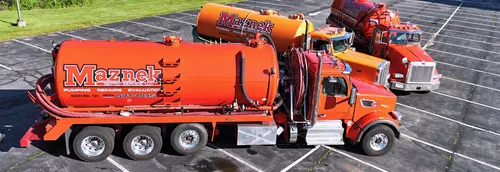
Maznek Septic Services LLC provides comprehensive septic system services in Manchester, NH, and surrounding areas of central and southern New Hampshire. Their offerings include septic tank pumping, inspections by certified evaluators, septic system repairs, and drain field maintenance. The company is skilled in septic pump replacement and grease trap pumping for commercial clients such as restaurants and hospitals. Maznek Septic Services also performs system locating and camera scans to support real estate transactions and pre-construction planning. Their approach includes thorough septic tank cleaning and component checks to help prevent costly repairs and system failures.
Titan Excavating, Inc
624 Commonwealth Ave, Newton, MA 02459
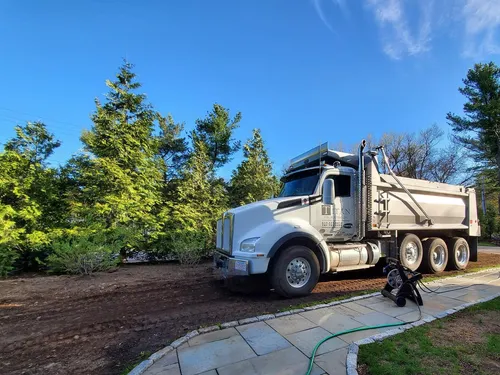
Titan Excavating, Inc is an excavation and septic services contractor located near Boston, MA. The company offers a range of sitework and septic solutions including septic tank installation, drain field installation, and drainage system services. Their capabilities include heavy-duty excavation, septic tank removal or reuse, contaminated soil removal, and installation of new drain fields. Titan Excavating, Inc is fully licensed and insured to handle excavation, trucking, hauling, and sewer services.
Understanding Your Septic System's Drain Field
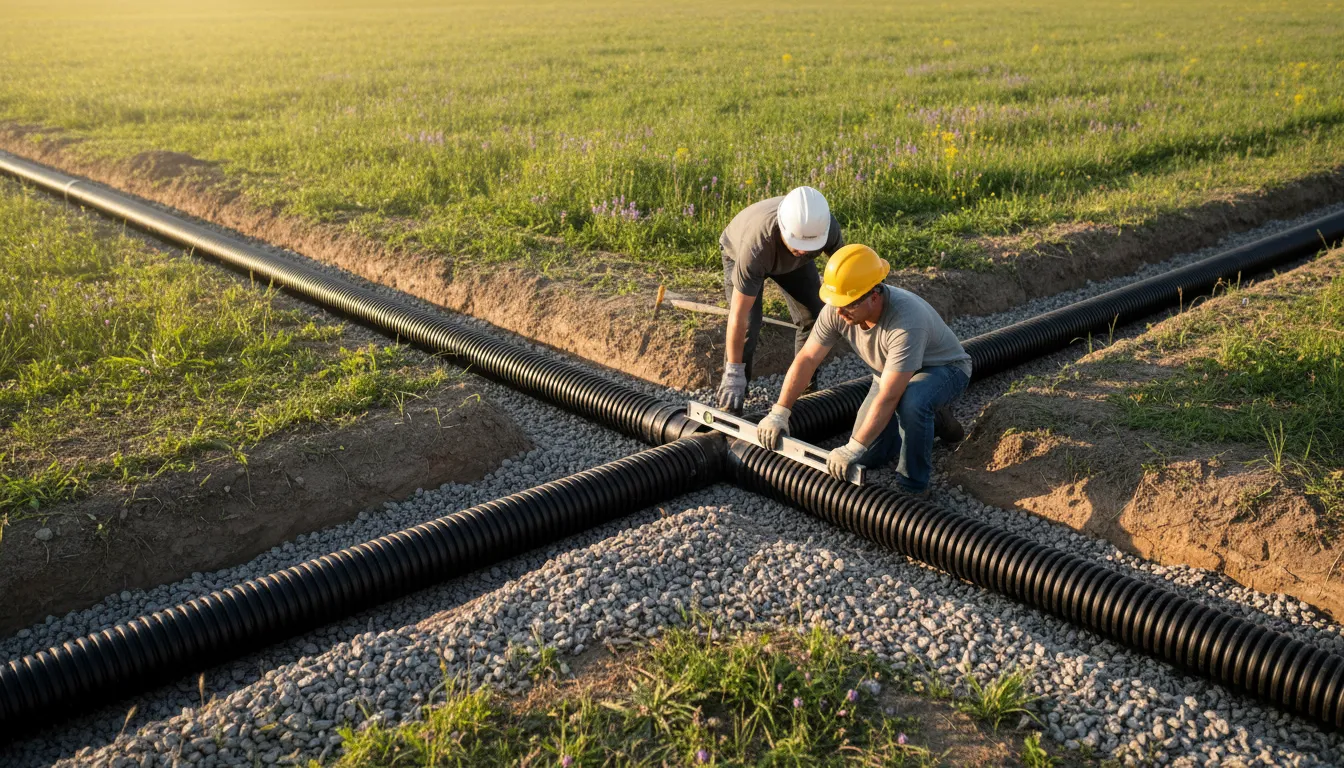
The drain field is the underground network of perforated pipes or chambers that receives liquid effluent (wastewater) from the septic tank. Its job is to distribute this effluent evenly into the soil, where natural processes filter and purify it before it rejoins the groundwater. A properly functioning leaching area is silent and invisible. Problems arise when the soil becomes clogged or saturated, a condition known as "hydraulic failure." This prevents proper absorption, causing wastewater to surface or back up into your home.
In Lowell and across Massachusetts, the design, installation, and repair of these systems must comply with the state's Title 5 environmental code. This ensures systems protect public health and water quality, especially given the proximity of many properties to wetlands, streams, and private wells.
Signs Your Lowell Drain Field Needs Attention
Catching problems early can mean the difference between a minor repair and a costly full replacement. Homeowners should be vigilant for these warning signs:
- Wet Spots and Odors: The most direct sign is the appearance of soggy, spongy, or muddy areas in your yard, particularly over the location of the leach field. You may also notice persistent sewage odors in these areas.
- Unusually Lush Vegetation: Grass or plants growing over the drain field that are noticeably greener, thicker, and grow faster than the rest of the lawn, especially during dry weather, can indicate a nutrient-rich sewage leak.
- Slow Drains and Backups: Plumbing fixtures throughout the home that drain very slowly, gurgle, or back up with sewage are classic indicators of a system failure, though these can also signal a full septic tank 1.
- Standing Water: The emergence of standing water or sewage effluent on the ground's surface is a clear sign of failure and an immediate public health concern.
If you observe any of these symptoms, it's crucial to stop using water in the home as much as possible and contact a licensed septic professional for an inspection.
The Mandatory Title 5 Inspection Process
In Massachusetts, a formal Title 5 inspection is often the first official step in addressing a suspected drain field problem. This inspection is legally required in several scenarios: during the transfer of a property, upon a suspected system failure, or if you are planning a home expansion that increases water usage.
A state-licensed inspector will evaluate the entire system:
- Septic Tank: Checking for cracks, baffle condition, and sludge/scum levels.
- Distribution Box: Ensuring it is level and distributing effluent evenly to all drain field lines.
- Leach Field: Probing for signs of breakout, ponding, and soil saturation 2.
The inspection results in one of three outcomes:
- Pass: The system is functioning adequately.
- Conditional Pass: The system is currently functional but requires specific repairs (like replacing a damaged distribution box) within a set timeframe.
- Fail: The system is malfunctioning and poses a public health or environmental threat. The property owner is then legally obligated to upgrade or replace the system, typically within two years 3.
All findings are reported to the local Lowell Board of Health, which oversees septic system permitting and compliance.
Designing a Repair or Replacement: Soil is Key
If your system fails or receives a conditional pass requiring significant work, the next step is a soil evaluation by a certified Soil Evaluator. This is not optional; state law requires it for designing any new or replacement leaching system.
The evaluator conducts percolation ("perc") tests to determine the soil's absorption rate. This often involves excavating test pits. The results dictate the entire design:
- Soil Type: Sandy soils drain quickly, while clay soils drain slowly.
- High Water Table: If the seasonal high groundwater is too close to the surface, a standard trench system won't work.
- Site Constraints: The new leaching area must be a specific distance from wells, property lines, wetlands, and buildings 4 5.
Based on these factors, an engineer or designer will create a plan. For sites with poor soil or high water tables, this may require an alternative system like a raised mound system or a more advanced treatment technology, which are more complex and expensive than conventional trench systems.
Navigating Permits and Approvals in Lowell
Before a shovel hits the ground, you must secure the proper permits. All septic system work in Lowell requires approval from the Lowell Board of Health. You or your contractor will need to submit the engineered system plans for review 6 7.
The Board of Health ensures the proposed repair or replacement:
- Complies with Title 5 regulations and local bylaws.
- Is appropriate for the soil and site conditions.
- Protects public health and environmental resources.
Only after receiving this local permit can construction legally begin. It's highly advisable to work with licensed septic installers familiar with Lowell's specific processes and inspectors.
Find the perfect drain field repair companies for your needs
Get personalized recommendations and expert advice
Understanding the Costs of Drain Field Work
The cost for drain field rehabilitation in Lowell varies dramatically based on the scope of work, soil conditions, and system type. It's one of the most significant expenses a homeowner with a septic system can face.
- Title 5 Inspection: A standard inspection typically costs between $300 and $500 8.
- Minor Repairs: Replacing a damaged distribution box or cleaning a clogged line may range from $500 to $5,000.
- Full Drain Field Replacement: This is a major undertaking. For a conventional system replacement, homeowners should expect costs starting around $15,000 and easily ranging from $20,000 to $50,000 or more. The high end applies to complex sites requiring engineered mound systems or other alternative technologies 9.
Financial Assistance for Massachusetts Homeowners
Recognizing the high cost, Massachusetts offers several forms of financial relief for necessary septic repairs:
- State Tax Credit: Homeowners who replace a failed system are eligible for an income tax credit of 40% of the cost, up to a maximum credit of $6,000, which can be spread over four years 10 11.
- Loan Programs: Programs like the MassHousing Septic Repair Loan Program offer low-interest loans specifically for Title 5 mandated repairs and replacements.
- Local Grants: Some municipalities may have additional grant or loan programs; it's worth checking with the Lowell Board of Health.
Choosing a Provider for Your System Work
Selecting the right professional is critical for a compliant and long-lasting repair. Look for companies that are:
- Licensed in Massachusetts for septic system installation, repair, and inspection.
- Familiar with Lowell and Middlesex County permitting processes.
- Experienced with the full range of systems, from conventional trenches to alternative mound systems.
- Willing to provide detailed written estimates that break down costs for design, permitting, materials, and labor.
- Recommended by previous customers or local health officials.
A reputable provider will guide you through the entire process-from the initial inspection and soil evaluation to designing the system, pulling permits, performing the work, and securing final approval from the Board of Health.
Maintaining Your New or Repaired System
Once your drain field is repaired or replaced, proper maintenance is essential to protect your investment and avoid future failures.
- Pump the Tank Regularly: Have your septic tank pumped every 2-3 years, or as recommended by your inspector, to prevent solids from washing out into the new leach field.
- Conserve Water: Use water-efficient fixtures and spread out laundry loads to avoid hydraulically overloading the system.
- Protect the Area: Never drive or park vehicles over the drain field, and avoid planting trees or deep-rooted shrubs nearby.
- Mind What You Flush: Only human waste and toilet paper should go down the drains. Avoid chemicals, grease, wipes, and other non-biodegradable items.
A well-maintained septic system, with a healthy drain field, can serve your home reliably for decades.
Frequently asked questions
Sources
Footnotes
-
The Ultimate Guide to Replacing a Septic Drain Field - https://www.rciseptic.com/the-ultimate-guide-to-replacing-a-septic-drain-field ↩
-
Septic Inspection Massachusetts - https://sherwoodinspection.com/septic-inspection-massachusetts/ ↩
-
Massachusetts Title 5 Septic Regulations Explained - https://primeengineering.org/massachusetts-title-5-septic-regulations-explained/ ↩
-
Local Septic Management - Homeowner Checklist - Mass.gov - https://www.mass.gov/guides/local-septic-management-homeowner-checklist ↩
-
Guidance for the Inspection of On-site Sewage Disposal ... - https://www.mass.gov/guides/guidance-for-the-inspection-of-on-site-sewage-disposal-systems ↩
-
Buying or Selling Property with a Septic System - Mass.gov - https://www.mass.gov/guides/buying-or-selling-property-with-a-septic-system ↩
-
Septic Systems & Title 5 New Construction - Mass.gov - https://www.mass.gov/info-details/septic-systems-title-5-new-construction ↩
-
Title 5 Overview - https://www.townofgb.org/DocumentCenter/View/542/Title-5-Overview-PDF ↩
-
How much does it cost for a new septic and drain field? Just an ... - https://www.facebook.com/groups/204486930758046/posts/1461789831694410/ ↩
-
Title V Septic Inspections in Massachusetts - Panza Home Group - https://www.panzarealestate.com/blog/2025/2/10/title-v-septic-inspections-in-massachusetts-what-home-sellers-need-to-know ↩
-
Buying a Home with a Septic System & Title 5 Inspections - https://www.lamacchiarealty.com/buying-or-selling-home-with-septic-system/ ↩