
Find the Best Drain Field Repair Companies for Your Business
No obligation • Fast responses • Nationwide coverage

Why you can trust Septic Spot
Septic Spot is a leading United States resource for understanding and comparing septic services. Our editors review providers using consistent criteria and verify key business details. Listings and scores are independent, and companies cannot pay to influence our content.
Search providers near you
Top Drain Field Repair Companies in Methuen, Massachusetts Ranked
A failing drain field, also known as a leach field or absorption area, is a serious issue for any Methuen homeowner with a septic system. When this critical component stops properly dispersing wastewater, it can lead to sewage backups, soggy yards, and environmental contamination. Understanding your repair and replacement options, guided by Massachusetts' strict Title 5 regulations, is essential for protecting your property value and public health. This guide helps you navigate the local process, from identifying failure signs to completing a compliant system upgrade with qualified professionals.
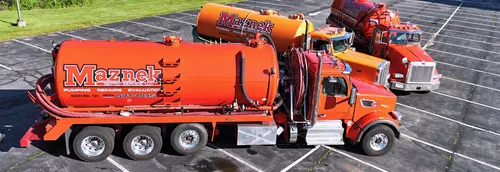
Maznek Septic Services LLC
41 Wendover Way, Bedford, NH 03110
Maznek Septic Services LLC provides comprehensive septic system services in Manchester, NH, and surrounding areas of central and southern New Hampshire. Their offerings include septic tank pumping, inspections by certified evaluators, septic system repairs, and drain field maintenance. The company is skilled in septic pump replacement and grease trap pumping for commercial clients such as restaurants and hospitals. Maznek Septic Services also performs system locating and camera scans to support real estate transactions and pre-construction planning. Their approach includes thorough septic tank cleaning and component checks to help prevent costly repairs and system failures.

Titan Excavating, Inc
624 Commonwealth Ave, Newton, MA 02459
Titan Excavating, Inc is an excavation and septic services contractor located near Boston, MA. The company offers a range of sitework and septic solutions including septic tank installation, drain field installation, and drainage system services. Their capabilities include heavy-duty excavation, septic tank removal or reuse, contaminated soil removal, and installation of new drain fields. Titan Excavating, Inc is fully licensed and insured to handle excavation, trucking, hauling, and sewer services.
Understanding Drain Field Failure
The drain field is the final stage of your onsite wastewater treatment system. After solids settle in the septic tank, liquid effluent flows into a network of perforated pipes buried in trenches filled with gravel. This area allows the effluent to slowly percolate into the soil, where natural processes provide final treatment. A system fails when the soil can no longer absorb the water, leading to "hydraulic failure."
Common signs your leach field in Methuen may be failing include:
- Sewage odors in the yard or home.
- Wet, spongy, or soggy soil over the drain field area, even during dry weather.
- Slow drains and gurgling plumbing fixtures throughout the house.
- Sewage backing up into household drains.
- Unusually green, lush grass growing over the drain field.
In Massachusetts, a formal Title 5 inspection is required to officially declare a system failed. This inspection is mandated during property transfers, but it's also the first step if you suspect a problem. A certified inspector will pump the tank and examine the system for clear evidence of failure.
Massachusetts Title 5: The Regulatory Framework
All septic system work in Methuen is governed by the State Environmental Code, Title 5 (310 CMR 15.000). These regulations are designed to protect public health and groundwater quality. The Methuen Board of Health is the local authority that enforces these rules and must approve all repairs and installations. 1
Key Title 5 requirements impacting drain field repair include:
- Inspection Mandate: A system must be inspected by a certified inspector during a property transfer, if there is a change in use (e.g., adding a bedroom), or upon suspicion of failure. 2
- Failure Response: If a system fails, the property owner must upgrade, repair, or replace it. The Board of Health typically requires action within two years of the inspection date, or immediately if the failure poses a public health threat. 3
- Soil Evaluation: Before designing a new system, a certified Soil Evaluator must perform a percolation test ("perc test") and deep observation hole analysis. This determines the soil's absorption rate and identifies constraints like high groundwater or ledge.
- Replacement Area: The system design must include a designated area on your property suitable for a future replacement drain field. This ensures the property can support a new system if the first one eventually fails. 4
Navigating these regulations is complex. Working with licensed professionals-including soil evaluators, system designers (often professional engineers), and certified installers-is not just recommended; it's legally required for a compliant repair.
The Drain Field Repair & Replacement Process in Methuen
Replacing a failed absorption system is a multi-step process that involves several professionals and local approvals. Here's what Methuen homeowners can typically expect.
Step 1: Official Inspection and Evaluation
The process begins with a Title 5 inspection by a state-certified inspector. If the system fails, the next step is a thorough site evaluation by a licensed Soil Evaluator or professional engineer. They will assess soil conditions, groundwater levels, and property layout to determine the feasibility and design requirements for a new system. 5 6
Step 2: System Design and Permitting
A licensed engineer or septic system designer uses the soil evaluation data to create a new system design that complies with current Title 5 standards. This plan is then submitted to the Methuen Board of Health for a Disposal System Construction Permit. The Board reviews the plans for compliance with setback distances from wells, property lines, and wetlands. 7
Step 3: Installation of the New System
Once permitted, a licensed septic system installer executes the construction. For a full drain field replacement, this involves:
- Excavating the old, failed leach field.
- Preparing the new site according to the engineered plan.
- Installing new distribution pipes, gravel, and protective barrier fabric.
- Connecting the new field to the existing or replacement septic tank.
- The tank itself may also need to be upgraded or replaced if it is damaged or undersized. 8
Step 4: Final Inspection and Approval
After installation, the Board of Health conducts a final inspection to ensure the work matches the approved plans and meets all code requirements. Only after this approval is the system considered legal and operational. The installer should provide you with a detailed "as-built" plan for your records. 9
Find the perfect drain field repair companies for your needs
Get personalized recommendations and expert advice
Costs and Financial Considerations
Repairing or replacing a septic system is a significant investment. Costs in Methuen are influenced by soil conditions, system size, and the extent of the work required.
- Title 5 Inspection: Typically costs between $400 and $800. 10
- System Pumping: Often done during inspection, costing $200-$300.
- Drain Field Replacement: As a standalone project, replacing the leach field can start around $7,000 or more.
- Full System Replacement: If both the tank and drain field need to be replaced, total costs frequently range from $10,000 to over $20,000. 11
Financial Assistance: Massachusetts offers some relief. Homeowners who repair or replace a failing system may be eligible for a state tax credit. It's important to consult with a tax professional and check the latest guidelines from the Massachusetts Department of Revenue to understand eligibility and credit amounts. 12
Choosing a Qualified Professional in Methuen
Given the technical and regulatory complexity, selecting the right team is critical. Look for professionals who are licensed in Massachusetts and familiar with Methuen's specific site conditions and Board of Health procedures.
- Certified Inspectors: Hire only inspectors certified by the Massachusetts Department of Environmental Protection.
- Licensed Designers/Engineers: Ensure your system designer is a licensed Professional Engineer (PE) or holds the appropriate state design license.
- Licensed Installers: Contractors must be licensed by the state to install septic systems. Ask for proof of license and references from recent jobs in the area.
- Get Multiple Quotes: For design and installation, obtain detailed written estimates from several companies. The lowest bid is not always the best; consider experience, reputation, and clarity of communication.
A properly functioning septic system, with a healthy drain field at its heart, is vital for your home's sanitation and your property's value. By understanding the signs of failure, the regulatory landscape of Title 5, and the steps to a compliant repair, Methuen homeowners can address problems proactively and ensure their wastewater system operates safely for years to come.
Frequently asked questions
Sources
Footnotes
-
Massachusetts Septic System Regulations, Title 5 (Title V), DEP, Perc - https://www.buyersbrokersonly.com/article-septic ↩
-
Guidance for the Inspection of On-site Sewage Disposal ... - https://www.mass.gov/guides/guidance-for-the-inspection-of-on-site-sewage-disposal-systems ↩
-
Massachusetts Title 5 Septic Rules | Martha's Vineyard Buyer ... - https://www.mvbuyeragents.com/title-5-septic-systems-faq ↩
-
Consumer Protection Tips: Septic System Inspections and Repairs - https://www.mass.gov/guides/consumer-protection-tips-septic-system-inspections-and-repairs ↩
-
Local Septic Management - Homeowner Checklist - Mass.gov - https://www.mass.gov/guides/local-septic-management-homeowner-checklist ↩
-
4 Steps to Septic System Peace of Mind | Coastal Engineering Co. - https://coastalengineeringcompany.com/knowledge-base/4-steps-to-septic-system-peace-of-mind ↩
-
Massachusetts Title 5 Septic Regulations Explained - https://primeengineering.org/massachusetts-title-5-septic-regulations-explained/ ↩
-
Title 5 septic system regulations - State Library of Massachusetts - https://archives.lib.state.ma.us/server/api/core/bitstreams/1a084553-08d1-43c2-a060-9daa614dbace/content ↩
-
Septic Systems & Title 5 New Construction - Mass.gov - https://www.mass.gov/info-details/septic-systems-title-5-new-construction ↩
-
What is a Title 5 Septic Inspection? When Do You Need One? - UpNest - https://www.upnest.com/post/title-5-inspection/ ↩
-
Cost to Replace Septic Tank and Drain Field [2026 Data] | Angi - https://www.angi.com/articles/how-much-new-drain-fields-foot.htm ↩
-
Massachusetts law about Title 5 and septic systems - Mass.gov - https://www.mass.gov/info-details/massachusetts-law-about-title-5-and-septic-systems ↩