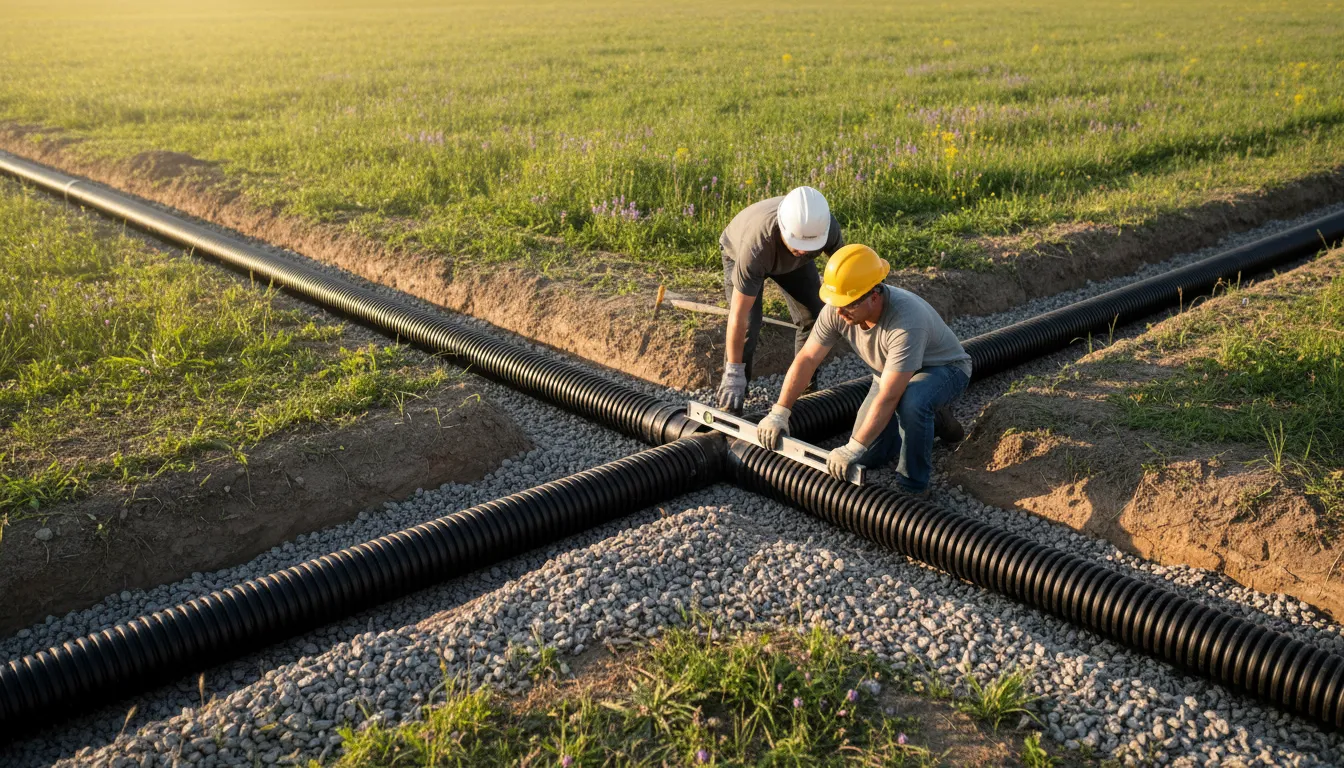
Find the Best Drain Field Repair Companies for Your Business
No obligation • Fast responses • Nationwide coverage

Why you can trust Septic Spot
Septic Spot is a leading United States resource for understanding and comparing septic services. Our editors review providers using consistent criteria and verify key business details. Listings and scores are independent, and companies cannot pay to influence our content.
Search providers near you
Top Drain Field Repair Companies in Quincy, Massachusetts Ranked
A failing drain field, also known as a leach field or soil absorption system, is a serious issue for any Quincy homeowner with a septic system. This critical component is responsible for safely filtering and dispersing treated wastewater into the ground. When it fails, it can lead to sewage backups, soggy yards, and environmental contamination. Navigating the repair or replacement process in Massachusetts requires understanding strict state and local health codes. This guide explains the key steps, regulations, and considerations for addressing drain field problems in Quincy, helping you connect with qualified local professionals to restore your system's function.
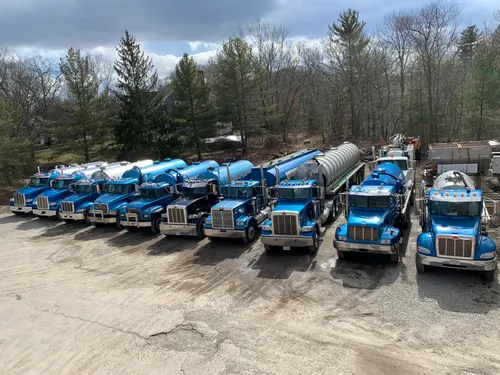
Rosano Davis Sanitary Pumping Inc
9 Rocky Ln, Cohasset, MA 02025
Rosano Davis Sanitary Pumping Inc is a family-owned septic system company serving Boston, MA. They provide a full range of services including septic system pumping, inspection, repair, and new system installation. Their capabilities include electronic locating of septic tanks and covers to minimize property disruption, as well as color video pipe inspection and high-pressure washing of leaching lines. The company manages all aspects of septic system installation, from excavation to landscaping, using their own equipment to ensure a complete service.
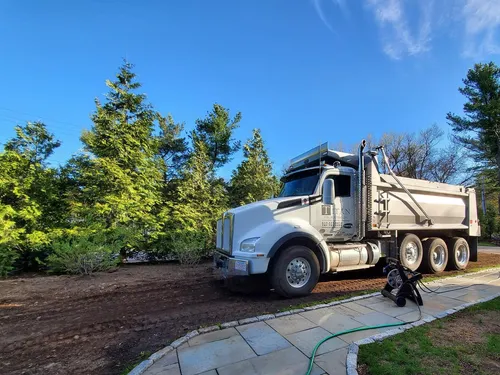
Titan Excavating, Inc
624 Commonwealth Ave, Newton, MA 02459
Titan Excavating, Inc is an excavation and septic services contractor located near Boston, MA. The company offers a range of sitework and septic solutions including septic tank installation, drain field installation, and drainage system services. Their capabilities include heavy-duty excavation, septic tank removal or reuse, contaminated soil removal, and installation of new drain fields. Titan Excavating, Inc is fully licensed and insured to handle excavation, trucking, hauling, and sewer services.
Understanding Massachusetts Title 5 Regulations
All septic system work in Quincy, including leach field repairs, is governed by 310 CMR 15.000, the State Environmental Code Title 5. This comprehensive set of rules dictates the design, construction, and inspection of on-site sewage disposal systems. The Quincy Board of Health (BOH) is the local authority that enforces these regulations, and in some cases, the Massachusetts Department of Environmental Protection (MassDEP) may also be involved 1 2.
Before any shovel hits the ground, you must obtain a Disposal System Construction Permit (DSCP) from the Quincy Board of Health 3. This is non-negotiable. If a Title 5 inspection reveals a system failure, you typically have two years to complete the necessary repairs or replacements, though the local Health Agent can require faster action if the situation poses an immediate public health hazard 4.
It's crucial to understand what constitutes a "repair" versus a "replacement." Simply replacing a component like a damaged distribution box still requires formal BOH approval and is not considered a minor fix you can handle with just a repair permit. The code also enforces strict setback distances from property lines, buildings, wells, and wetlands that must be maintained during any new construction or replacement of the absorption area 5. Furthermore, building a soil absorption system under a driveway is prohibited unless there is absolutely no other viable option on the property 6.
The Site Evaluation and Design Process
A successful drain field installation begins with a thorough understanding of your property's soil and site conditions. This process is more complex than many homeowners anticipate.
Soil Evaluation (Perc Test): A Massachusetts-certified Soil Evaluator must conduct a deep-hole test and a percolation (perc) test. The perc test measures how quickly water drains through your soil, determining its permeability and suitability for a conventional system 7. In denser urban areas like Quincy, space constraints often make this a critical first step.
High Groundwater Assessment: The system design must be based on the estimated maximum high groundwater elevation. If the seasonal high water table is too close to the surface, it can saturate the drain field, causing immediate failure and contaminating groundwater.
Absorption Area Requirements: For effective filtration, the drain field must have sufficient depth of unsaturated soil-typically at least 3 to 4 feet of suitable soil below the bottom of the leaching trenches 8. The evaluator will also assess slope and available space, which will dictate whether a conventional stone-and-pipe system is possible or if an advanced treatment system, like a raised mound or sand filter, is necessary to overcome site limitations.
The Title 5 Inspection: Diagnosing the Problem
A professional Title 5 inspection is the official method to determine if your leach field needs repair or full replacement. The inspection is a meticulous process 9:
- Record Review: The inspector reviews local Board of Health records and any existing "as-built" plans for your system.
- Locating & Exposing: The septic tank, distribution box, and any cesspools are located and their access points (manholes) are exposed for examination 10.
- Visual & Physical Exam: The inspector checks for structural issues like tank cracks, baffle damage, and evaluates liquid levels 11.
- Flow Test: Water is run into the system to confirm whether the absorption area can handle the flow without backing up 12.
- Dye Testing: Dye may be introduced to help locate seepage or surface ponding, a clear sign of drain field failure 13.
- Reporting: A formal inspection report is filed with the Quincy Board of Health, stating whether the system has passed, failed, or conditionally passed 14.
Find the perfect drain field repair companies for your needs
Get personalized recommendations and expert advice
Cost Considerations and Financial Assistance
Addressing drain field issues is a significant investment. Understanding the potential costs and available financial help is essential for planning.
Inspection Cost: A standard Title 5 inspection in the Quincy area typically ranges from $300 to $500 on average 15.
Repair vs. Replacement Costs:
- Simple Repairs: Fixing a broken pipe or a damaged distribution box may start around $500 or more.
- Full System Replacement: This is where costs escalate significantly. A complete septic system and leach field replacement in Massachusetts can range from $25,000 to $50,000 or higher. The final price depends heavily on soil conditions, site accessibility, the size of the system needed, and whether advanced treatment technology is required 16 17.
Financial Assistance Programs: Massachusetts offers two key programs to help homeowners manage these costs:
- State Tax Credit: For repairs to a primary residence, you may qualify for a personal income tax credit of up to 40% of the cost, with a maximum credit of $6,000 18.
- Septic Loan Program: The Massachusetts Home Septic Loan Program provides low-interest loans ranging from $1,000 to $25,000 specifically for septic system repair or replacement 19.
Working with Professionals and Local Authorities
Successfully navigating a drain field project requires a team of experts and clear communication with local officials.
Contact the Quincy Board of Health Early: Your first call should be to the Quincy BOH. They can provide information on local variance procedures, town-specific "betterment" programs that might offer financial aid, and clarify any municipal requirements beyond the state code 20.
Hire Licensed Professionals: Do not attempt this process alone. You will need:
- A licensed Title 5 System Inspector to perform the official inspection.
- A professional engineer (P.E.) to design the repair or replacement system. The engineer will create plans that comply with all Title 5 setbacks and site conditions, which are then submitted for the DSCP 21 22.
Commit to Ongoing Maintenance: The best way to avoid a premature and expensive drain field failure is through regular maintenance. The Massachusetts Department of Environmental Protection recommends pumping your septic tank every 3 to 5 years, or even yearly if you use a garbage disposal 23. This prevents solids from clogging and destroying your leach field.
Choosing the Right System for Your Quincy Property
Given Quincy's varied topography and often limited lot sizes, a one-size-fits-all approach doesn't work for leach fields. A conventional trench system might be suitable for some properties, but others may require alternative technologies.
Conventional Trenches: These are the most common type, using perforated pipes in gravel-filled trenches. They require adequate soil depth, permeability, and space.
Raised Mound Systems: When soil depth or permeability is insufficient, a mound system is often the solution. It involves constructing an above-ground mound of sand and gravel where the effluent is treated before dispersing into the natural soil 24.
Advanced Treatment Systems: For the most challenging sites with high groundwater, poor soils, or strict nitrogen-reduction requirements (like near coastal areas), systems with additional mechanical or biological treatment components may be necessary. These systems pre-treat the wastewater to a higher standard before it reaches the soil absorption area.
Frequently asked questions
Sources
Footnotes
-
Septic Systems & Title V | Brookfield MA - https://www.brookfieldma.us/board-health/pages/septic-systems-title-v ↩
-
Septic Systems & Title 5 New Construction - Mass.gov - https://www.mass.gov/info-details/septic-systems-title-5-new-construction ↩
-
Massachusetts Title 5 Septic Rules | Martha's Vineyard Buyer ... - https://www.mvbuyeragents.com/title-5-septic-systems-faq ↩
-
Title 5 Overview - https://www.townofgb.org/DocumentCenter/View/542/Title-5-Overview-PDF ↩
-
CHAPTER 62-6, F.A.C. Coded Draft Update .002 - https://floridadep.gov/sites/default/files/DRAFT-62-6%20.002LanguageWorkshop2.pdf ↩
-
Subsurface Sewage (MAHB Model) | MAHB - https://www.mahb.org/local-boh-regulations/subsurface-sewage-mahb-model/ ↩
-
Guidance for the Inspection of On-site Sewage Disposal ... - https://www.mass.gov/guides/guidance-for-the-inspection-of-on-site-sewage-disposal-systems ↩
-
Local Septic Management - Homeowner Checklist - Mass.gov - https://www.mass.gov/guides/local-septic-management-homeowner-checklist ↩
-
Guidance for the Inspection of On-site Sewage Disposal ... - https://www.mass.gov/guides/guidance-for-the-inspection-of-on-site-sewage-disposal-systems ↩
-
Title 5 Septic System Inspections - https://cooper-environmental.com/title-5-inspection ↩
-
The Complete Guide to Massachusetts Title 5 Inspection - https://allclearseptic.com/the-complete-guide-to-massachusetts-title-5-inspection/ ↩
-
Massachusetts Title 5 Septic Rules | Martha's Vineyard Buyer ... - https://www.mvbuyeragents.com/title-5-septic-systems-faq ↩
-
7 Del. Admin. Code § 7101-5.0 - Small Systems ([LESS THAN] 2,500 GPD) - https://www.law.cornell.edu/regulations/delaware/7-Del-Admin-Code-SS-7101-5.0 ↩
-
Septic Inspection Massachusetts - https://sherwoodinspection.com/septic-inspection-massachusetts/ ↩
-
Title 5 Inspections | Hampden, MA - https://hampdenma.gov/175/Title-5-Inspections ↩
-
Massachusetts septic system law - http://massrealestatelawblog.com/tag/massachusetts-septic-system-law/ ↩
-
Title 5 and Septic Systems - Law Office of David Rocheford - https://www.thebestclosings.com/septic-2/ ↩
-
TIR 97-12: Personal Income Tax Credit for Failed Cesspool or Septic System Title 5 Expenditures - https://www.mass.gov/technical-information-release/tir-97-12-personal-income-tax-credit-for-failed-cesspool-or-septic-system-title-5-expenditures ↩
-
What is a Title 5 Septic Inspection? When Do You Need One? - https://www.upnest.com/post/title-5-inspection/ ↩
-
Septic Systems & Title 5 New Construction - Mass.gov - https://www.mass.gov/info-details/septic-systems-title-5-new-construction ↩
-
Consumer Protection Tips: Septic System Inspections and Repairs - https://www.mass.gov/guides/consumer-protection-tips-septic-system-inspections-and-repairs ↩
-
Repairs and New Construction for Title 5: Frequently Asked Questions - https://www.mass.gov/guides/repairs-and-new-construction-for-title-5-frequently-asked-questions ↩
-
Caring for Your Septic System - Mass.gov - https://www.mass.gov/guides/caring-for-your-septic-system ↩
-
How Does Soil Impact the Septic System You Can Have? - https://www.septicconnection.com/how-does-soil-impact-the-septic-system-you-can-have ↩