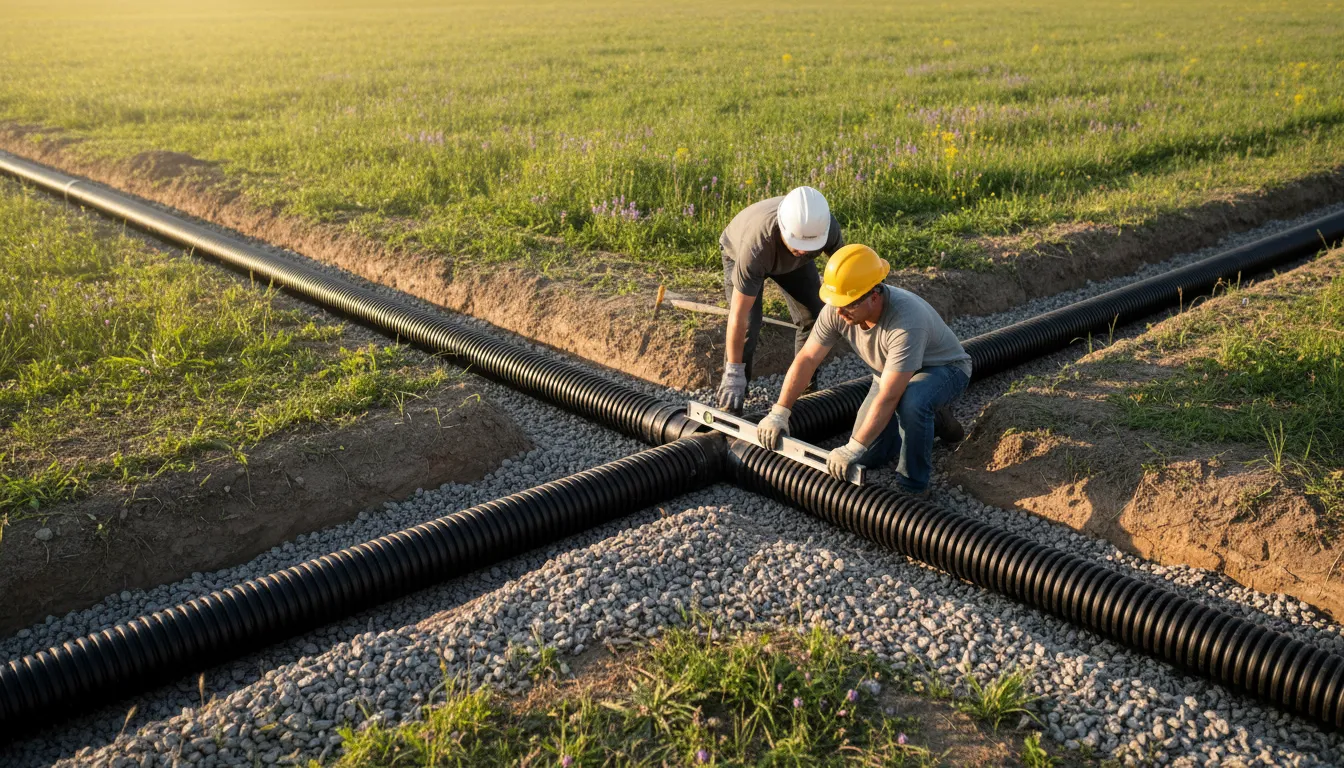
Find the Best Drain Field Repair Companies for Your Business
No obligation • Fast responses • Nationwide coverage

Why you can trust Septic Spot
Septic Spot is a leading United States resource for understanding and comparing septic services. Our editors review providers using consistent criteria and verify key business details. Listings and scores are independent, and companies cannot pay to influence our content.
Search providers near you
Top Drain Field Repair Companies in Revere, Massachusetts Ranked
A failing drain field is a serious concern for any homeowner with a septic system. This critical component, also known as a leach field or soil absorption system, is responsible for safely filtering and dispersing treated wastewater into the ground. When it malfunctions, it can lead to soggy yards, foul odors, and significant environmental and public health risks. In Revere, all septic system work is strictly regulated under Massachusetts Title 5, enforced by the local Board of Health. This guide explains the local process, regulations, and steps for addressing drain field issues, helping you connect with the certified professionals required to navigate a repair or replacement project successfully.
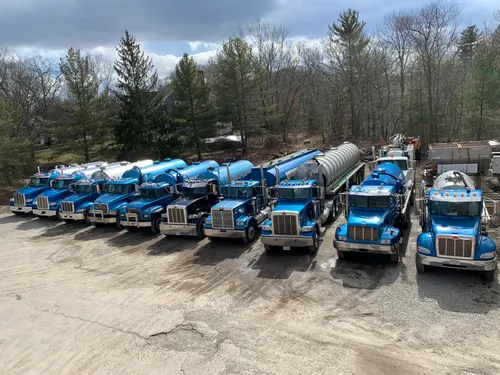
Rosano Davis Sanitary Pumping Inc
9 Rocky Ln, Cohasset, MA 02025
Rosano Davis Sanitary Pumping Inc is a family-owned septic system company serving Boston, MA. They provide a full range of services including septic system pumping, inspection, repair, and new system installation. Their capabilities include electronic locating of septic tanks and covers to minimize property disruption, as well as color video pipe inspection and high-pressure washing of leaching lines. The company manages all aspects of septic system installation, from excavation to landscaping, using their own equipment to ensure a complete service.
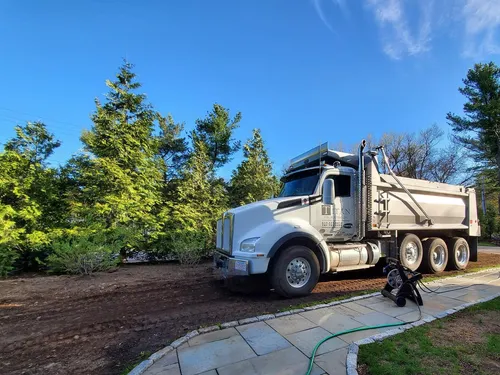
Titan Excavating, Inc
624 Commonwealth Ave, Newton, MA 02459
Titan Excavating, Inc is an excavation and septic services contractor located near Boston, MA. The company offers a range of sitework and septic solutions including septic tank installation, drain field installation, and drainage system services. Their capabilities include heavy-duty excavation, septic tank removal or reuse, contaminated soil removal, and installation of new drain fields. Titan Excavating, Inc is fully licensed and insured to handle excavation, trucking, hauling, and sewer services.
Understanding Massachusetts Title 5 and Revere's Local Authority
All septic system work in Revere, including any repair or replacement of a leaching facility, falls under the Massachusetts State Environmental Code, Title 5 (310 CMR 15.000). These regulations are administered and enforced locally by the Revere Board of Health. A key point for homeowners is the mandated timeline for action: if your system fails an official inspection, you generally have up to two years to complete the necessary repairs or replacement. However, this grace period does not apply to immediate hazards. If you have a failed cesspool or if the system is causing a "breakout" (where effluent surfaces on your property or into a water body), the Board of Health can require immediate corrective action to abate a public health hazard 1.
The Board of Health's authority is comprehensive. Before any shovel hits the ground, you must obtain a Disposal System Construction Permit (DSCP) from them 2. This permit is required for any repair, upgrade, or component replacement, including work on the distribution box or the entire drain field. Furthermore, only state-licensed professionals can perform the necessary work. This includes certified septic system inspectors, soil evaluators, and licensed installers. The process culminates with the Board of Health issuing a Certificate of Compliance upon satisfactory completion of the work, which is your official record that the system meets state code.
When is Drain Field Repair or Replacement Needed?
Recognizing the signs of a failing soil absorption system early can save you time and money. Common indicators include:
- Soggy Ground or Surfacing Effluent: Persistent wet, spongy areas or standing sewage over the drain field area, especially after recent rain.
- Sewage Odors: Foul smells emanating from the yard near the leaching trenches.
- Slow Drains and Backups: Gurgling pipes, slow-draining sinks and toilets, or sewage backups in the house, though these can also indicate tank or pipe issues.
- Unusually Green Grass: Patches of grass over the drain field that are much lusher and greener than the rest of the lawn, indicating a nutrient overload.
- Failed Title 5 Inspection: A mandatory inspection triggered by a property transfer, an increase in bedrooms, or a change in property use will formally identify any system failure 3.
A formal Title 5 inspection by a licensed inspector is the definitive way to diagnose the problem. This inspection involves uncovering and assessing the septic tank and distribution box, and often includes probing the drain field area to check for hydraulic failure and evaluating the condition of the soil absorption system 4.
The Step-by-Step Process for Revere Homeowners
Navigating a drain field project involves a series of regulated steps. Here is a typical pathway:
-
Initial Assessment and Records Search: Start by gathering any existing records of your septic system from the Revere Board of Health. This will help locate the tank and existing leaching facility. Then, hire a licensed inspector to conduct a full evaluation and confirm the nature and extent of the failure 5.
-
Soil Evaluation and System Design: If replacement is needed, the next critical step is a soil evaluation conducted by a certified soil evaluator. This includes a percolation ("perc") test to determine the soil's absorption rate and an assessment of the seasonal high groundwater table 6 7. Massachusetts law requires a minimum of 4 feet (5 feet in fast-perking soils) of separation between the bottom of the new leaching facility and the high groundwater mark 6 8. The evaluator will also identify a reserve area on your property for future expansion or replacement 9. Based on this data, a system designer (often a professional engineer) will create a new system plan. If native soil conditions are poor, an engineered system like a mounded bed or sand filter may be necessary 10 9.
-
Permitting: Your designer or installer will submit the new system plans, along with the application and fees, to the Revere Board of Health for the Disposal System Construction Permit (DSCP). The board will review the plans for compliance with all Title 5 setbacks from wells, property lines, and wetlands 11.
-
Installation and Final Approval: Once the permit is issued, a licensed installer can proceed with the drain field repair or replacement. After installation, the Board of Health will perform a final inspection. Upon passing, they will issue the crucial Certificate of Compliance, closing the permit and documenting that your system is legally functional 12 13.
Find the perfect drain field repair companies for your needs
Get personalized recommendations and expert advice
Understanding the Costs Involved
Drain field work is a significant investment, with costs varying widely based on system size, soil conditions, and the complexity of the solution. It's important to budget for the entire process, not just the excavation. Typical cost ranges in the Massachusetts area include 14 15 16:
- Title 5 Inspection: $200 - $400+
- System Design & Engineering: $1,000 - $3,000+
- Septic Tank Replacement (if needed): $3,000 - $10,000
- Drain Field Repair/Replacement: $7,000 - $20,000+
- Total System Replacement: Can easily exceed $40,000 for difficult sites requiring advanced treatment technologies.
- Permit Fees: Municipal fees vary; a typical initial submission fee is around $175.
Financial Assistance and Tax Credits
Recognizing the high cost of compliance, Massachusetts offers some financial relief options for repairing or replacing failed systems. State tax credits are available for a portion of the cost, which can be as much as $15,000 to $25,000 depending on the tax year 17. Additionally, low-income homeowners may qualify for loan programs through federal agencies like the USDA 17 18. It's worthwhile to investigate these opportunities with your tax advisor or by visiting the Mass.gov financial assistance guide for Title 5 systems.
Choosing the Right Professionals in Revere
Given the regulatory complexity, your choice of professionals is paramount. Always verify state certifications:
- Licensed Inspectors: Only they can perform the official Title 5 inspection required for sales or to formally document failure.
- Certified Soil Evaluators: Essential for conducting the legally required perc tests and determining groundwater depth.
- Licensed Installers: Must hold a state license to install or repair septic system components.
Working with a team that has extensive experience with the Revere Board of Health can streamline the permitting and inspection process. They will understand local interpretations of the state code and can help you navigate the requirements efficiently.
Maintaining Your New or Repaired Drain Field
Once your new leaching facility is installed, proper maintenance is key to ensuring its longevity. Adhere to these best practices:
- Manage Water Usage: Spread out laundry loads and fix any leaking faucets or toilets to avoid hydraulically overloading the system.
- Mind What You Flush: Only human waste and toilet paper should go down the drain. Avoid chemicals, grease, wipes, and feminine hygiene products.
- Protect the Area: Never drive or park vehicles over the drain field, and avoid planting trees or deep-rooted shrubs nearby.
- Pump the Tank Regularly: Even with a new drain field, the septic tank needs to be pumped every 2-4 years, depending on usage, to prevent solids from escaping into the leaching trenches 19.
By understanding the regulations, process, and costs, Revere homeowners can approach a necessary drain field project with confidence, ensuring their system is repaired to code, protects their property value, and safeguards the local environment.
Frequently asked questions
Sources
Footnotes
-
Massachusetts Title V rules - http://massrealestatelawblog.com/tag/massachusetts-title-v-rules/ ↩
-
Repairs and New Construction for Title 5: Frequently Asked ... - https://www.mass.gov/guides/repairs-and-new-construction-for-title-5-frequently-asked-questions ↩
-
Title 5 Inspections | Hampden, MA - https://hampdenma.gov/175/Title-5-Inspections ↩
-
Title 5 Inspections | D.F. Clark, Inc. - https://dfclark.com/real-estate-agents/title-5-inspections/ ↩
-
Septic System Inspections and Repairs | Mass.gov - https://www.mass.gov/guides/consumer-protection-tips-septic-system-inspections-and-repairs ↩
-
Repairs and New Construction for Title 5: Frequently Asked Questions - https://www.mass.gov/guides/repairs-and-new-construction-for-title-5-frequently-asked-questions ↩ ↩2
-
4 Steps to Septic System Peace of Mind - https://coastalengineeringcompany.com/knowledge-base/4-steps-to-septic-system-peace-of-mind ↩
-
Florida Septic System Requirements & Drainfield Regulations (2025 Guide) - https://www.acesepticandwaste.com/ace-guide-to-floridas-onsite-septic-system-regulations/ ↩
-
Septic Systems/Title 5 Glossary - Mass.gov - https://www.mass.gov/info-details/septic-systemstitle-5-glossary ↩ ↩2
-
Local Septic Management - Homeowner Checklist - Mass.gov - https://www.mass.gov/guides/local-septic-management-homeowner-checklist ↩
-
Septic Systems & Title 5 New Construction - Mass.gov - https://www.mass.gov/info-details/septic-systems-title-5-new-construction ↩
-
Septic System Regulations in Massachusetts - https://www.mecindustries.com/morse-engineering-and-construction-industries/septic-system-regulations-in-massachusetts ↩
-
About Massachusetts Septic System Regulations (Title 5) - https://www.buyersbrokersonly.com/article-septic ↩
-
Massachusetts Title 5 Septic Rules | Martha's Vineyard Buyer ... - https://www.mvbuyeragents.com/title-5-septic-systems-faq ↩
-
Title 5/Septic Systems - Acton, MA - https://www.acton-ma.gov/DocumentCenter/View/882/Massachusetts-DEP-Title-5-FAQs ↩
-
Cost to Replace Septic Tank and Drain Field [2026 Data] | Angi - https://www.angi.com/articles/how-much-new-drain-fields-foot.htm ↩
-
Title 5/Septic Systems: Financial Assistance Opportunities for ... - https://www.mass.gov/guides/title-5septic-systems-financial-assistance-opportunities-for-system-owners ↩ ↩2
-
Massachusetts law about Title 5 and septic systems - Mass.gov - https://www.mass.gov/info-details/massachusetts-law-about-title-5-and-septic-systems ↩
-
Caring for Your Septic System - Mass.gov - https://www.mass.gov/guides/caring-for-your-septic-system ↩