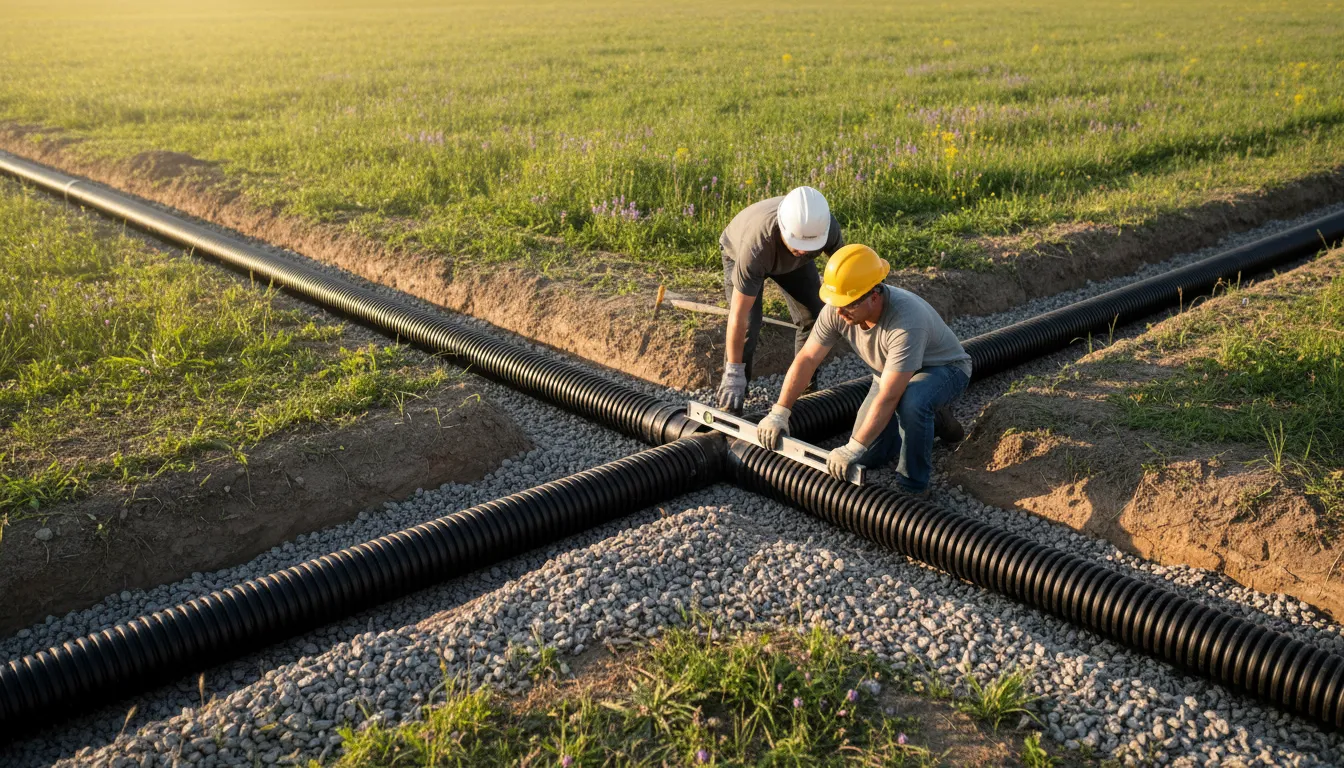
Find the Best Drain Field Repair Companies for Your Business
No obligation • Fast responses • Nationwide coverage

Why you can trust Septic Spot
Septic Spot is a leading United States resource for understanding and comparing septic services. Our editors review providers using consistent criteria and verify key business details. Listings and scores are independent, and companies cannot pay to influence our content.
Search providers near you
Top Drain Field Repair Companies in Somerville, Massachusetts Ranked
If you own one of the rare properties in Somerville with a septic system, maintaining its drain field is critical for your home's sanitation and value. Drain field repair or replacement is a complex, regulated process that requires navigating strict local and state codes. This guide explains the essential steps, regulations, and costs involved in addressing a failing leach field or absorption area in Somerville, helping you connect with qualified local professionals for this specialized work.
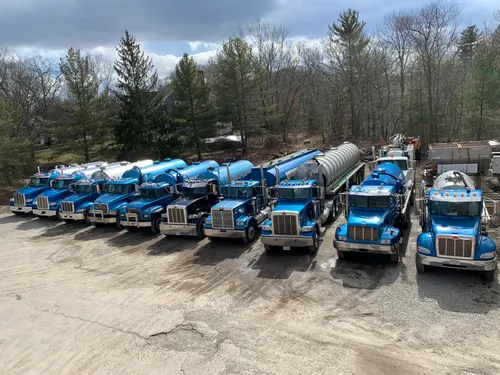
Rosano Davis Sanitary Pumping Inc
9 Rocky Ln, Cohasset, MA 02025
Rosano Davis Sanitary Pumping Inc is a family-owned septic system company serving Boston, MA. They provide a full range of services including septic system pumping, inspection, repair, and new system installation. Their capabilities include electronic locating of septic tanks and covers to minimize property disruption, as well as color video pipe inspection and high-pressure washing of leaching lines. The company manages all aspects of septic system installation, from excavation to landscaping, using their own equipment to ensure a complete service.
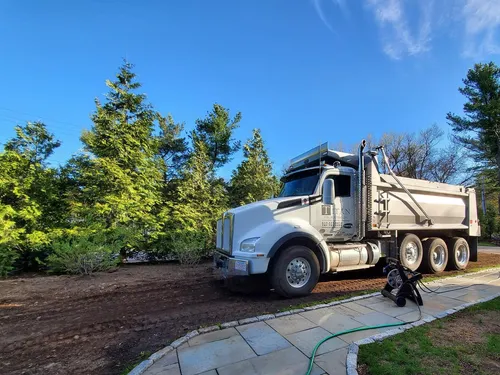
Titan Excavating, Inc
624 Commonwealth Ave, Newton, MA 02459
Titan Excavating, Inc is an excavation and septic services contractor located near Boston, MA. The company offers a range of sitework and septic solutions including septic tank installation, drain field installation, and drainage system services. Their capabilities include heavy-duty excavation, septic tank removal or reuse, contaminated soil removal, and installation of new drain fields. Titan Excavating, Inc is fully licensed and insured to handle excavation, trucking, hauling, and sewer services.
Understanding Your Septic System's Drain Field
The drain field, also known as a leach field or soil absorption system, is the final and most crucial stage of your on-site wastewater treatment. After solids settle in the septic tank, liquid effluent flows into a network of perforated pipes buried in trenches filled with gravel. This effluent slowly percolates into the soil, where natural processes provide final treatment. When this area fails, wastewater can surface, creating odors and health hazards, or it can back up into your home. In a dense urban environment like Somerville, a failing system is a serious issue that requires immediate attention from licensed experts 1 2.
The Critical Role of Massachusetts Title 5 Compliance
All septic system work in Massachusetts, including drain field repairs, is governed by the State Environmental Code, Title 5 (310 CMR 15.000). For Somerville homeowners, this means any significant repair to your leaching area will trigger a requirement to bring the entire system into full compliance with current standards. The local Board of Health is the primary authority that enforces these rules, and they must issue a Disposal System Construction Permit (DSCP) before any excavation or construction begins. Working without the proper permits can result in significant fines and an order to stop work.
The Inspection Is the First Step
You cannot plan a repair without first understanding the full scope of the problem. A state-licensed inspector must conduct a formal Title 5 inspection. This involves exposing and inspecting the tank's manholes and distribution box, and may require pumping the tank to assess its condition and determine if the drain field is the true source of failure 3 4. If the system fails this inspection, you typically have two years to complete repairs, unless it's deemed an imminent health hazard, which requires immediate action 5.
The Drain Field Repair and Replacement Process
Addressing a failed leaching area is not a simple fix; it often involves a complete redesign and installation.
- Soil Evaluation and System Design: Before a new drain field can be designed, a thorough soil evaluation is mandatory. This includes digging deep test pits and conducting percolation ("perc") tests to determine the soil's absorption rate and the depth to groundwater or bedrock. An engineer or licensed system designer then uses this data to create a system that meets Title 5 requirements for your specific property.
- Navigating Site Constraints: Somerville's dense, developed lots present unique challenges. The new drain field must meet strict setback distances from property lines, buildings, wells, and wetlands. Available space is often limited. Furthermore, drain fields generally cannot be placed under driveways, patios, or other impervious surfaces unless no other viable option exists and special approvals are granted.
- Installation and Permitting: Once a design is approved by the Board of Health and a permit is issued, licensed installers can begin work. The process involves careful excavation, placement of gravel and distribution pipes, and connection to the existing septic tank. All work is subject to inspection by the Board of Health during and after construction 6.
Find the perfect drain field repair companies for your needs
Get personalized recommendations and expert advice
Cost Considerations for Drain Field Work
Repairing or replacing a septic system drain field is a significant investment. Costs are highly variable and depend on the type of system required, soil conditions, and the complexity of the installation on your urban lot.
- Cost Range: For a conventional anaerobic system, replacement can start around $5,000. However, if poor soil conditions require an advanced, engineered system like a mound or sand filter, costs can easily exceed $12,000.
- Massachusetts Tax Credit: A significant financial benefit is the state's septic system repair or replacement tax credit. For your primary residence, you may qualify for an income tax credit of up to 40% of the cost, with a maximum credit of $6,000 7. This can substantially offset the financial burden.
- Financing and Home Sales: If a system failure is discovered during a home sale, the cost of repair is typically the seller's responsibility. Often, an escrow holdback is arranged, where a portion of the sale proceeds is held to pay for the required repairs after the transfer of ownership.
Choosing a Professional in Somerville
Given the technical and regulatory complexity, selecting the right professional is paramount. You will need a team that may include a licensed Title 5 inspector, a professional engineer or system designer, and a licensed installer. Always verify licenses with the state and check references. Be wary of anyone who suggests bypassing permits or offers a "quick fix" that doesn't involve the Board of Health-this will almost certainly lead to bigger problems and costs down the line 8. Due to Somerville's unique urban landscape, experience with tight lots and complex local regulations is a major asset.
Maintaining a Healthy System Post-Repair
After investing in a new or repaired drain field, proper maintenance is key to its longevity. This includes regular septic tank pumping (typically every 3-5 years), conserving water to avoid overloading the system, and never flushing harmful chemicals or non-biodegradable materials. Protect the area above your drain field by avoiding parking vehicles on it, planting trees nearby, or directing roof runoff onto it. A well-maintained system is your best defense against another costly failure 9.
Frequently asked questions
Sources
Footnotes
-
What is a Title 5 Septic Inspection? When Do You Need One? - https://www.upnest.com/post/title-5-inspection/ ↩
-
The Complete Guide to Massachusetts Title 5 Inspection - https://allclearseptic.com/the-complete-guide-to-massachusetts-title-5-inspection/ ↩
-
Septic Inspection Massachusetts - https://sherwoodinspection.com/septic-inspection-massachusetts/ ↩
-
Guidance for the Inspection of On-site Sewage Disposal ... - https://www.mass.gov/guides/guidance-for-the-inspection-of-on-site-sewage-disposal-systems ↩
-
Repairs and New Construction for Title 5: Frequently Asked Questions - https://www.mass.gov/guides/repairs-and-new-construction-for-title-5-frequently-asked-questions ↩
-
Septic Systems & Title 5 New Construction - Mass.gov - https://www.mass.gov/info-details/septic-systems-title-5-new-construction ↩
-
Cost to Replace Septic Tank and Drain Field [2026 Data] | Angi - https://www.angi.com/articles/how-much-new-drain-fields-foot.htm ↩
-
Consumer Protection Tips: Septic System Inspections and Repairs - https://www.mass.gov/guides/consumer-protection-tips-septic-system-inspections-and-repairs ↩
-
Local Septic Management - Homeowner Checklist - Mass.gov - https://www.mass.gov/guides/local-septic-management-homeowner-checklist ↩