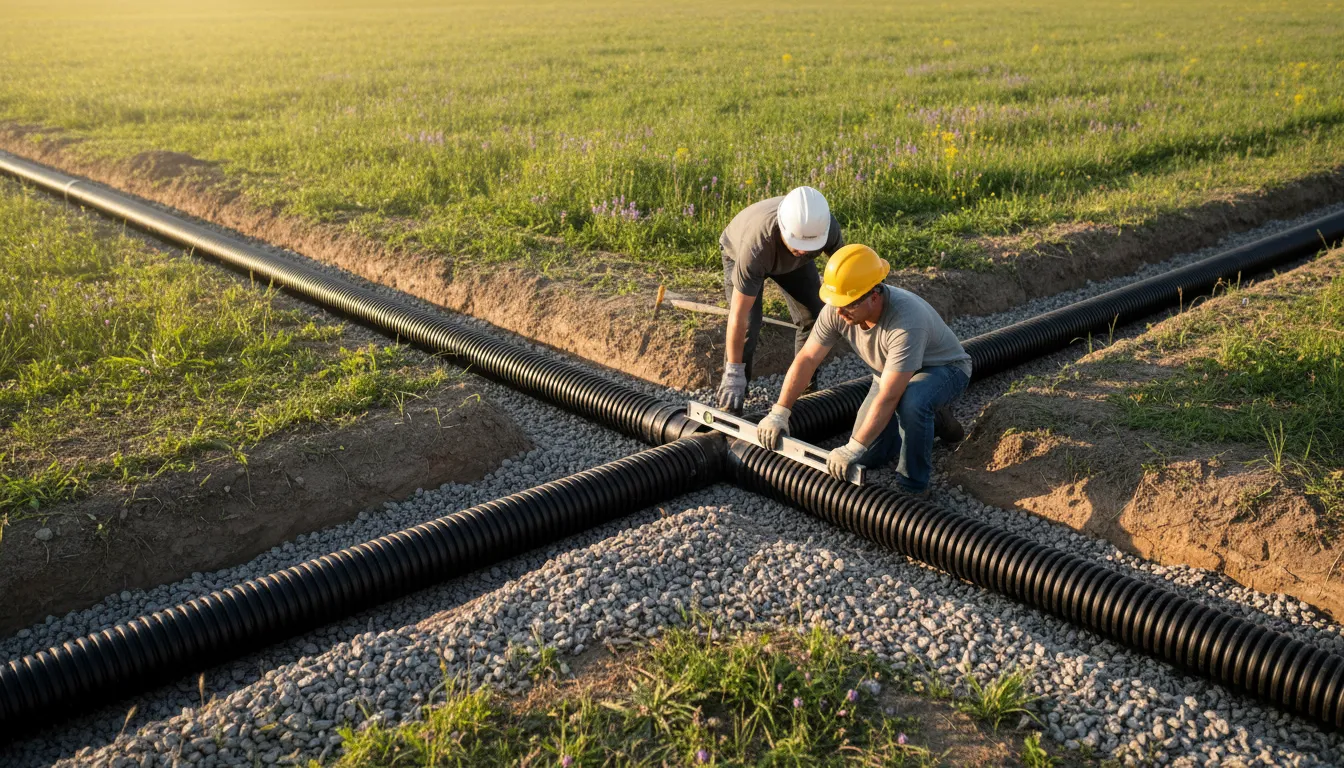
Find the Best Drain Field Repair Companies for Your Business
No obligation • Fast responses • Nationwide coverage

Why you can trust Septic Spot
Septic Spot is a leading United States resource for understanding and comparing septic services. Our editors review providers using consistent criteria and verify key business details. Listings and scores are independent, and companies cannot pay to influence our content.
Search providers near you
Top Drain Field Repair Companies in Waltham, Massachusetts Ranked
A failing drain field, also known as a leach field or soil absorption system, is a serious issue for any Waltham homeowner with a septic system. When this critical component stops properly filtering and dispersing wastewater, it can lead to soggy yards, foul odors, and even sewage backups into your home. This guide explains the local process, regulations, and costs for drain field repair and replacement, helping you understand what to expect and how to connect with qualified local professionals who can assess and resolve your system's issues.
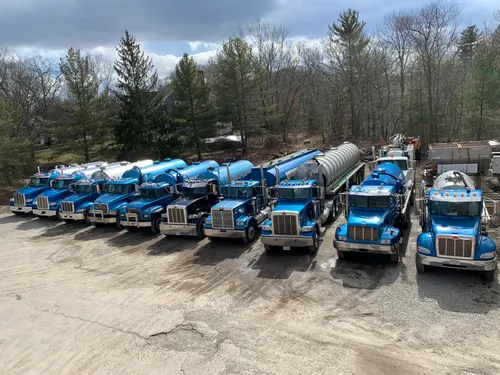
Rosano Davis Sanitary Pumping Inc
9 Rocky Ln, Cohasset, MA 02025
Rosano Davis Sanitary Pumping Inc is a family-owned septic system company serving Boston, MA. They provide a full range of services including septic system pumping, inspection, repair, and new system installation. Their capabilities include electronic locating of septic tanks and covers to minimize property disruption, as well as color video pipe inspection and high-pressure washing of leaching lines. The company manages all aspects of septic system installation, from excavation to landscaping, using their own equipment to ensure a complete service.
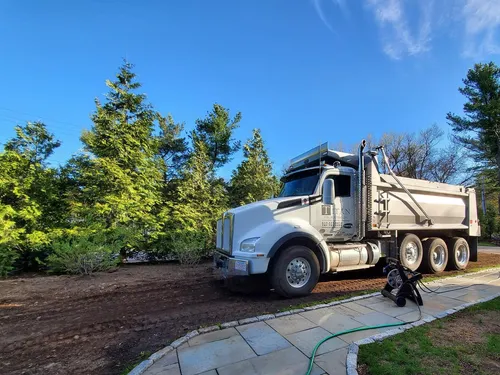
Titan Excavating, Inc
624 Commonwealth Ave, Newton, MA 02459
Titan Excavating, Inc is an excavation and septic services contractor located near Boston, MA. The company offers a range of sitework and septic solutions including septic tank installation, drain field installation, and drainage system services. Their capabilities include heavy-duty excavation, septic tank removal or reuse, contaminated soil removal, and installation of new drain fields. Titan Excavating, Inc is fully licensed and insured to handle excavation, trucking, hauling, and sewer services.
Understanding Your Waltham Septic System
A septic system is an on-site wastewater treatment system, typically consisting of a septic tank and a drain field. The tank holds solid waste, allowing liquids to flow out into a network of perforated pipes buried in trenches filled with gravel. This area is the drain field, where the final treatment happens as effluent percolates through the soil. In Waltham, like all of Massachusetts, these systems are strictly regulated under the state's Title 5 code (310 CMR 15.000) 1. The local Waltham Health Department (often called the Board of Health) enforces these rules, meaning any significant work on your leaching area requires their oversight and approval.
Signs You Need Drain Field or Leaching System Attention
Catching problems early can save you from a full, costly replacement. Be alert for these warning signs of a failing soil absorption system:
- Soggy Ground or Surfacing Sewage: Puddles or consistently wet, spongy soil over the drain field area, especially with a foul smell, indicate the soil is saturated and can't absorb more liquid 2.
- Slow Drains and Backups: If sinks, toilets, and showers drain very slowly or back up, and a septic tank pumping doesn't solve it, the problem may be a clogged or failed leach field.
- Unusually Green Grass: Patches of grass over the drain field that are much lusher and greener than the rest of the yard can signal a nutrient overload from surfacing effluent.
- Failed Title 5 Inspection: If you are selling your home, a mandatory Title 5 inspection may conditionally pass or fail your system, specifically citing issues with the leaching area that must be repaired.
The Title 5 Compliance Process for Repairs in Waltham
Any major repair or full replacement of your drain field in Waltham is not a simple excavation job. It's a permitted process designed to protect public health and groundwater. Here are the key steps:
- Initial Inspection & Diagnosis: A licensed septic system inspector or engineer must evaluate the failure. They will locate the tank, distribution box, and drain field, probe for saturated soil, and determine the exact cause 3 4. Their report is filed with the Waltham Board of Health.
- Obtaining a Repair Permit: Before any work begins, you must apply for and receive a repair permit from the Waltham Board of Health. You cannot proceed legally without this local permit 5.
- Soil Evaluation & Engineering: For a new leaching field, a percolation ("perc") test is almost always required. This test measures how fast water drains through your soil, which directly determines the size of the new field needed 6. A licensed septic system engineer then uses this data to design a system that meets Title 5 standards. This is especially critical if you are replacing an old cesspool, which is automatically considered a failing system under Massachusetts law.
- Addressing Site Constraints: The engineer's plan must account for setbacks from property lines, wells, wetlands, and your home. They must also consider the high groundwater level; if it's too high, a standard trench system may not be allowed, and a more complex (and expensive) raised mound system may be necessary 7 8.
- Installation & Inspection: A licensed installer completes the work. The Board of Health must inspect the new drain field before it is covered with soil to ensure it matches the approved plan and is installed correctly 9 10.
Find the perfect drain field repair companies for your needs
Get personalized recommendations and expert advice
Cost Breakdown for Drain Field Work
Costs can vary widely based on the extent of the failure, soil conditions, and the type of system required. The figures below are general ranges for the Waltham area 11 12.
- Minor Leach Field Repairs: Fixing a clogged pipe, adjusting the distribution box for even flow, or cleaning a section of the gravel trenches typically ranges from $500 to $2,000.
- Partial Drain Field Repair/Replacement: If a portion of the leaching area has failed but the rest is functional, partial replacement may be possible, costing between $2,000 and $5,000.
- Full Drain Field Replacement: This involves excavating and installing a completely new soil absorption system. This is a major project, with costs typically ranging from $5,000 to $20,000 or more 13 14.
- Full System Replacement (Tank & Field): If both the septic tank and drain field need replacement, expect the total project cost to start at $15,000+.
- Perc Test & Engineering Fees: The necessary soil evaluation and design work usually add $1,000 to $2,500 to the total project cost 15.
Financial Assistance Note: The Massachusetts Department of Environmental Protection (MassDEP) offers information on financial assistance programs for homeowners facing septic system repairs under financial hardship. It's worth exploring these resources if cost is a significant concern 16.
Choosing a Professional for Your Leaching System Project
Given the regulatory complexity, choosing the right team is crucial. Look for professionals who are familiar with Waltham's specific lot sizes, common soil types, and the local Health Department's processes.
- Licensing is Non-Negotiable: Ensure any inspector, engineer, or installer is licensed by the state of Massachusetts for septic system work.
- Local Experience Matters: Ask how many projects they've completed in Waltham or nearby Middlesex County. Familiarity with local inspectors can smooth the permitting process.
- Get Detailed Quotes: A reputable provider will offer a detailed written estimate that breaks down costs for design, permitting, materials, labor, and any potential contingencies related to soil or groundwater.
- Check References: Ask for and contact references from recent drain field projects to ask about their experience with the company's timeliness, communication, and work quality.
Maintaining Your New Drain Field
Once you've invested in a repair or replacement, proper maintenance will protect that investment and extend the life of your new leaching field for decades.
- Practice Water Conservation: Spread out laundry loads, fix leaky faucets, and consider installing water-efficient fixtures to avoid hydraulically overloading the system.
- Mind What You Flush: Only human waste and toilet paper should go down the drain. Avoid chemicals, grease, wipes (even "flushable" ones), and feminine hygiene products.
- Protect the Area: Never drive or park vehicles over the drain field, and avoid planting trees or deep-rooted shrubs nearby. Keep roof drains and sump pump discharges away from the area.
- Pump the Tank Regularly: Even with a new field, you must pump the septic tank every 2-3 years (or as recommended) to prevent solids from washing out and clogging the new pipes.
Frequently asked questions
Sources
Footnotes
-
Massachusetts Title 5 Septic Regulations Explained - https://primeengineering.org/massachusetts-title-5-septic-regulations-explained/ ↩
-
When You Need Septic Drain Field Repair | Western MA - https://excavationplus.net/septic/septic-drain-field-health-and-when-repair-or-replacement-is-necessary/ ↩
-
Guidance for the Inspection of On-site Sewage Disposal ... - https://www.mass.gov/guides/guidance-for-the-inspection-of-on-site-sewage-disposal-systems ↩
-
Title V Inspection - https://rodenhiser.biz/title-v-inspection/ ↩
-
TIR 97-12: Personal Income Tax Credit for Failed Cesspool or Septic System Title 5 Expenditures - https://www.mass.gov/technical-information-release/tir-97-12-personal-income-tax-credit-for-failed-cesspool-or-septic-system-title-5-expenditures ↩
-
About Massachusetts Septic System Regulations (Title 5) - https://www.buyersbrokersonly.com/article-septic ↩
-
Massachusetts Title 5 Septic Rules | Martha's Vineyard Buyer ... - https://www.mvbuyeragents.com/title-5-septic-systems-faq ↩
-
Navigating Local Septic Regulations: A Homeowner's Guide - https://www.norwayseptic.com/navigating-local-septic-regulations-a-homeowners-guide/ ↩
-
The Complete Guide to Massachusetts Title 5 Inspection - All Clear Septic - https://allclearseptic.com/the-complete-guide-to-massachusetts-title-5-inspection/ ↩
-
Guidance on Exemptions from Title 5 System Inspections for Certain Inter-family Transfers of Residential Property - https://www.mass.gov/doc/guidance-on-exemptions-from-title-5-system-inspections/download ↩
-
How Much Does Failed Septic System Cost? - https://www.septicconnection.com/how-much-does-failed-septic-system-cost ↩
-
Understanding the Costs of Septic Tank Installation and Repair - https://mathisandsonsseptic.com/mathis-sons-septic-blog-orlando-fl/understanding-the-costs-of-septic-tank-installation-and-repair/ ↩
-
How Much Does Failed Septic System Cost? - https://www.septicconnection.com/how-much-does-failed-septic-system-cost ↩
-
About Septic Systems & Buying a Home - Christine McLellan - William Raveis Real Estate - https://www.christinemclellan.com/blog/about-septic-systems-for-home-buyers ↩
-
Septic Drain Field Replacement Cost - https://dillonseptic.com/septic-drain-field-replacement-cost/ ↩
-
Septic Systems & Title 5 New Construction - Mass.gov - https://www.mass.gov/info-details/septic-systems-title-5-new-construction ↩