Find the Best Drain Field Repair Companies for Your Business
No obligation • Fast responses • Nationwide coverage

Why you can trust Septic Spot
Septic Spot is a leading United States resource for understanding and comparing septic services. Our editors review providers using consistent criteria and verify key business details. Listings and scores are independent, and companies cannot pay to influence our content.
Search providers near you
Top Drain Field Repair Companies in Manchester, New Hampshire Ranked
A failing drain field is a serious issue for any homeowner with a septic system, leading to unpleasant odors, soggy yards, and potential environmental contamination. Drain field repair and replacement involves diagnosing the problem area of your septic system's leach field and either fixing specific components or installing a completely new soil absorption system. This process is critical for protecting your property value, your family's health, and Manchester's local waterways. The following information will help you understand the local requirements, process, and costs, so you can make informed decisions when seeking professional assistance for your septic system.

Understanding Your Septic System's Drain Field
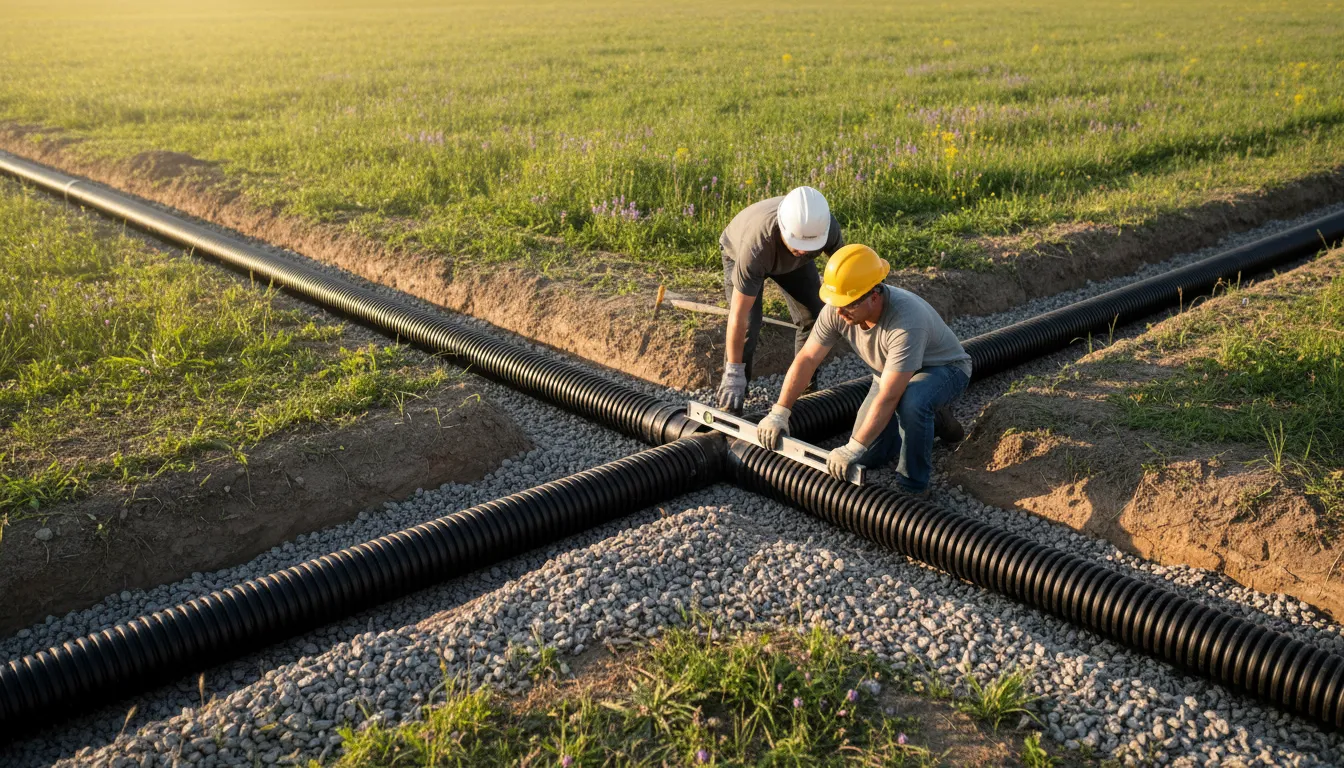
The drain field, also known as a leach field or soil absorption system, is the final and most crucial stage of wastewater treatment in a septic system. After solids settle in the tank, liquid effluent flows into a network of perforated pipes buried in trenches filled with gravel. This effluent slowly percolates down through the soil, where natural biological processes purify it before it rejoins the groundwater. A properly functioning leach field is invisible and odorless. When it fails, the soil can no longer absorb and treat the effluent, leading to the problems mentioned above. In Manchester's varied terrain, the health of this component is tightly regulated to protect public and environmental health.
Signs You Need Drain Field Service
Recognizing early warning signs can save you from a more costly full system replacement. Common indicators of a failing absorption system include:
- Soggy Ground or Surfacing Effluent: Puddles of wastewater or persistently soggy, bright green grass over the drain field area, even in dry weather.
- Slow Drains and Sewage Backups: Gurgling pipes, slow-draining sinks and toilets, or sewage backing up into household drains.
- Unpleasant Odors: Foul smells of sewage in your yard or near the drain field.
- Nitrate Contamination: Test results from a well water inspection showing high nitrate levels, which can indicate a failing system is contaminating groundwater 1.
If you notice any of these signs, it's time to contact a licensed septic system designer or installer for a professional evaluation.
The Manchester and New Hampshire Regulatory Process
Any repair or replacement of a septic system component in Manchester requires navigating a specific regulatory pathway. You cannot simply hire an excavator to dig up a new field. The process is designed to ensure the new system is sized correctly for your home and installed in suitable soil conditions to prevent future failure and environmental harm.
1. Hire a Licensed Designer: Your first step is to hire a New Hampshire Licensed Subsurface System Designer. This professional will conduct a site evaluation, which includes assessing the current system failure and determining soil suitability through deep test pits.
2. Obtain Local Approval: The designer submits a repair or replacement plan to the Manchester Health Department. The city reviews the plan for compliance with local ordinances, including minimum lot size requirements. Manchester mandates a minimum of 2,500 square feet of contiguous lot area, with at least 4,000 square feet designated for the disposal system itself 2. City staff may also witness the test pit evaluation to verify soil data.
3. Secure State Permits: After local review, the designer submits the application and plan to the New Hampshire Department of Environmental Services (NHDES) Subsurface Systems Bureau. NHDES issues the final "Approval for Construction" permit, which is mandatory before any work begins 3 4.
4. Installation and Inspection: A licensed installer executes the approved plan. The Manchester Health Department conducts a critical inspection during installation, before the new drain field is covered, to verify it matches the permitted design 5. Only after passing this inspection can the system be covered and put into use.
Key Factors Influencing Your Project
Several site-specific factors will shape your repair or replacement plan, all of which your licensed designer will evaluate.
- Soil Percolation and Type: The soil's ability to absorb water (percolation rate) is paramount. Sandy, loamy soils drain well, while clay-heavy soils do not. A formal perc test or deep observation pit is required to determine the absorption rate, which dictates the size of the drain field needed 6.
- Setback and Separation Distances: State and local rules require specific distances between the drain field and features like wells, property lines, buildings, streams, and wetlands. A crucial factor is maintaining sufficient vertical separation from the seasonal high water table and bedrock to allow for proper treatment 7.
- System Type: Depending on soil conditions and space constraints, your designer may recommend a standard trench system, a pressurized dosing system, or an advanced treatment system. Alternatives like sand filters or mound systems may be necessary for challenging sites with high water tables or poor soil 8.
Find the perfect drain field repair companies for your needs
Get personalized recommendations and expert advice
Cost Breakdown for Drain Field Projects in Manchester
Costs for septic work in Southern New Hampshire can vary widely based on system size, soil conditions, and the extent of the failure. The figures below are estimates to help you budget; always get multiple quotes from licensed professionals.
- Initial Inspection and Design: The diagnostic and planning phase typically costs between $400 and $700 for the initial inspection 9. The full site evaluation, soil testing, and creation of the engineered design plan can add another $3,000 or more, bringing the total for design and testing to around $4,000 10.
- Drain Field Replacement Alone: If your septic tank is still functional, replacing just the leach field can be a significant project. Industry estimates suggest a cost around $7,000 for the drain field portion, though this can fluctuate with size and complexity.
- Full Septic System Replacement: When both the tank and drain field need to be replaced, homeowners should prepare for a major investment. Total costs for a complete new system, including design, permits, and installation, commonly range from $20,000 to $30,000 or more in the Manchester area 11 12.
- Timeline: From the initial evaluation to the final inspection, the entire process for a drain field or system replacement typically takes 3 to 6 weeks13. This includes time for design, permit approval, scheduling contractors, and the physical installation.
Maintaining Your New Drain Field
Protecting your investment is key. Once your new leach field is installed, follow these best practices to extend its lifespan for decades:
- Practice Water Conservation: Spread out laundry loads, fix leaky faucets, and install water-efficient fixtures to avoid hydraulically overloading the field.
- Mind What You Flush: Only human waste and toilet paper should go down the drain. Avoid chemicals, grease, wipes, and feminine hygiene products.
- Protect the Area: Never drive or park vehicles, build structures, or store heavy items over the drain field. Plant only grass over the area; tree and shrub roots can clog and damage pipes 14.
- Pump the Tank Regularly: Have your septic tank pumped every 2-4 years by a licensed pumper to prevent solids from escaping into and clogging the new drain field.
Frequently asked questions
Sources
Footnotes
-
HOW TO TEST SEPTIC SYSTEMS FOR FAILURE AS A ... - NH.gov - https://www.dhhs.nh.gov/sites/g/files/ehbemt476/files/documents/2021-11/holu-septic-systems-in-failure.pdf ↩
-
City of Manchester - https://www.manchesternh.gov/health/MINIMUMLOTSIZEREQUIREMENTSFORON-SITESEWAGEDISPOSALSYSTEMS.PDF ↩
-
Septic Systems | NH Department of Environmental Services - https://www.des.nh.gov/land/septic-systems ↩
-
SEPTIC SYSTEMS - https://www.dhhs.nh.gov/sites/g/files/ehbemt476/files/documents/2021-11/holu-septic-systems.pdf ↩
-
Septic Systems - Sub Divisions - Manchester, NH - https://www.manchesternh.gov/Departments/Health/Services/Septic-Systems-Sub-Divisions ↩
-
Essential Guide to Septic System Installation NH - https://swallowandsonsexcavation.com/f/essential-guide-to-septic-system-installation-nh ↩
-
Septic System Installation in New Hampshire: Everything Homeowners Need to Know - https://www.rciseptic.com/septic-system-installation-in-new-hampshire-everything-homeowners-need-to-know ↩
-
Navigating New Hampshire Septic System Laws - A.J. Foss - https://www.ajfoss.com/regulations-and-compliance/new-hampshire-septic-system-laws/ ↩
-
Septic & Well Inspections in NH: What Buyers Need to Know - https://nhrealestate.com/blog/septic-well-inspections-nh ↩
-
Perc test and septic plan costs : r/newhampshire - Reddit - https://www.reddit.com/r/newhampshire/comments/1hg15tm/perc_test_and_septic_plan_costs/ ↩
-
Cost to Replace Septic Tank and Drain Field [2026 Data] | Angi - https://www.angi.com/articles/how-much-new-drain-fields-foot.htm ↩
-
What to Expect During a Septic System Replacement - https://www.townesseptic.com/blog/what-to-expect-during-a-septic-system-replacement ↩
-
What Home Buyers and Sellers Should Know About Septic ... - https://www.lamacchiarealty.com/home-buyers-sellers-septic-systems-new-hampshire/ ↩
-
New Septic System New Hampshire - https://www.townesseptic.com/new-septic-system ↩