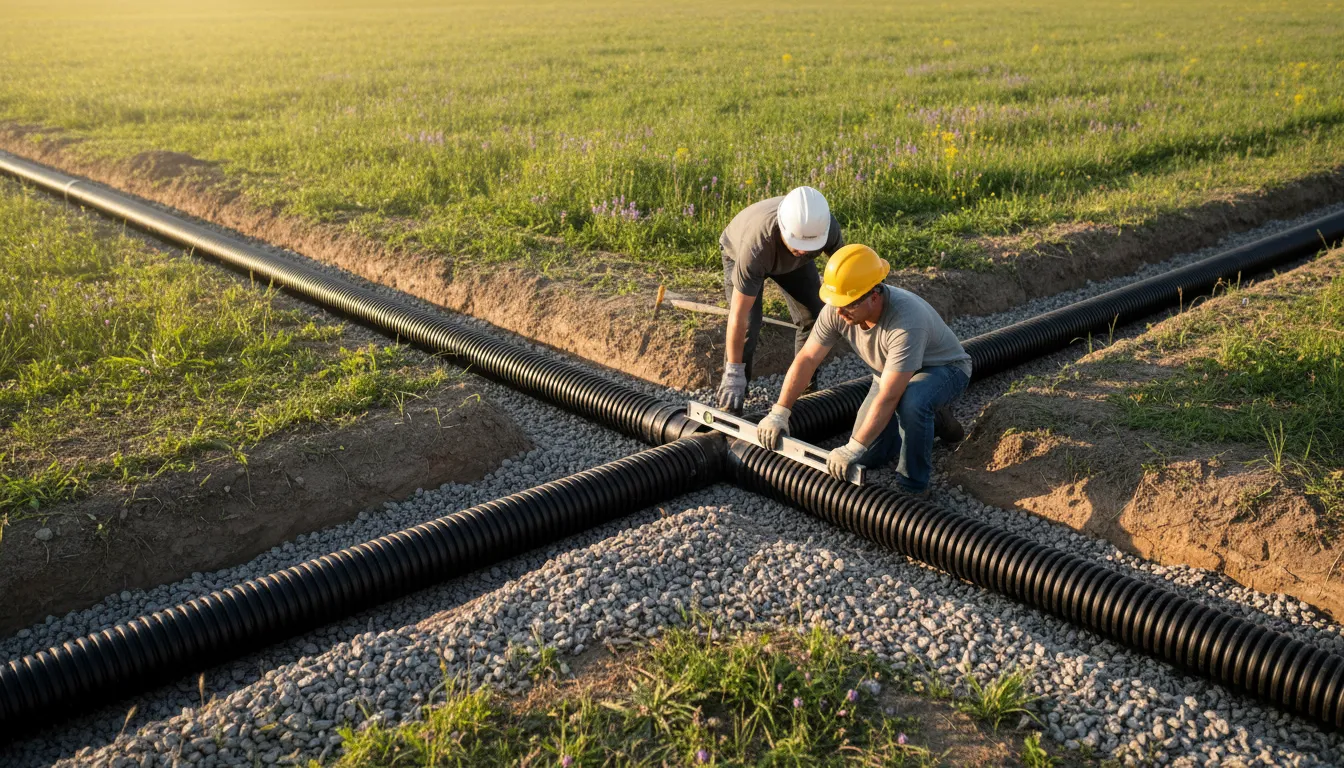
Find the Best Drain Field Repair Companies for Your Business
No obligation • Fast responses • Nationwide coverage

Why you can trust Septic Spot
Septic Spot is a leading United States resource for understanding and comparing septic services. Our editors review providers using consistent criteria and verify key business details. Listings and scores are independent, and companies cannot pay to influence our content.
Search providers near you
Best Drain Field Repair Companies in Oregon Ranked
A failing drain field is a serious issue for any Oregon homeowner with a septic system. This critical component, also known as a leach field or soil absorption area, is responsible for safely dispersing and filtering treated wastewater. When it fails, it can lead to soggy yards, foul odors, and environmental contamination. Understanding Oregon's specific regulations, permit requirements, and repair processes is essential for addressing problems effectively and legally. This guide provides clear, actionable information to help you navigate finding qualified professionals and managing your drain field project in compliance with state rules.

Byers Septic Tank Service
Portland, OR
Byers Septic Tank Service is a septic tank pumping and installation company based in Portland, OR. They provide septic tank pumping, new septic system installation, and drain field repair or replacement. The company offers same-day service in most cases and does not charge extra for mileage or after-hours work. Byers Septic Tank Service emphasizes honest and affordable septic services backed by years of experience.
NW Sewer & drain
1223 24th St NE, Salem, OR 97301
NW Sewer & Drain is a licensed and insured company based in Salem, OR, specializing in septic tank inspections and drain field repair or replacement. They offer a range of services including hydro jetting for sewer and rain drains, camera inspections with detailed video reports, and various drain repair and replacement solutions. Their capabilities include locating and inspecting sewer and rain drain lines as well as repairing or replacing exterior sewer and rain drain pipes.

MT.HOOD SEPTIC
Portland, OR
MT.HOOD SEPTIC is a full-service septic company based near Portland, OR, serving residential and commercial clients across Clackamas County and surrounding areas. Established in 2012, the company offers a wide range of septic services including tank pumping, maintenance, installation, repairs, drain field installation, and drain cleaning. They provide emergency septic services and have experience handling complex repairs and installations, including working after hours when needed.
Mr. Rooter Plumbing of Salem - Keizer Office
8030 Wheatland Rd N, Keizer, OR 97303
Mr. Rooter Plumbing of Salem - Keizer Office provides a range of plumbing services in Salem, OR, including septic tank inspections, septic system repairs, and drain field maintenance. They use advanced tools such as HydroScrub Drain Jetting and sewer camera inspections to diagnose and address sewer and drain issues efficiently. Their services also include trenchless sewer line replacements to minimize property disruption. The company offers comprehensive septic system care to help prevent backups and leaks, ensuring system longevity. Additionally, they provide emergency plumbing services to handle urgent situations promptly.
American On Site
Portland, OR
American On Site is a full-service septic provider based in Portland, OR, serving residential, commercial, and civil clients. They offer a wide range of septic services including inspections, pumping, installation, maintenance, and repairs such as drain field replacement and septic pump servicing. The company is experienced in handling all aspects of septic systems, using quality components to ensure proper function and longevity. Since 2003, American On Site has been serving the greater Willamette Valley area, providing expertise in septic system installation and maintenance. They cover multiple counties in Oregon and focus on delivering comprehensive septic solutions to their customers.
Understanding Your Drain Field and Signs of Failure
Your septic system's drain field is the final stage of wastewater treatment. After solids settle in the tank, liquid effluent flows into a network of perforated pipes buried in trenches filled with gravel. This effluent slowly percolates through the soil, where natural processes remove harmful bacteria and nutrients.
A system works until the soil becomes clogged or "biomat" forms, preventing proper drainage. Common signs of drain field trouble in Oregon include:
- Soggy ground or standing water over the drain field area, especially when it hasn't rained.
- Sewage odors emanating from the yard.
- Slowly draining or gurgling household fixtures (toilets, sinks, showers).
- Unusually green, lush grass specifically over the drain field lines.
- Backups into the home itself.
If you notice these signs, it's crucial to act quickly. Ignoring a failing drain field can lead to complete system failure, property damage, and violations of Oregon Department of Environmental Quality (DEQ) regulations.
Oregon's Regulatory Framework: DEQ and Local Agencies
In Oregon, all septic system work, especially drain field repair and replacement, is regulated. The state DEQ sets the overarching rules (OAR 340-71 and 340-73), but the permitting and inspection process is administered by local county environmental health departments or DEQ-contracted local agents 1 2. This means you will work directly with your county's office.
Key statewide requirements include:
- Mandatory Permits: You must obtain a permit before starting any repair or replacement work. There is no legal "DIY" option for drain field work without going through the proper permitting channels.
- Replacement Area: Oregon law requires that a suitable "set aside" area be identified on your property for a future replacement system. This is assessed during the initial site evaluation.
- System Maintenance Responsibility: The property owner is legally responsible for the proper operation and maintenance of their septic system, including the drain field. This includes regular pumping (typically every 3-5 years) and avoiding practices that damage the field.
The Permit Process: Minor vs. Major Repairs
Oregon distinguishes between two types of repair permits, which dictate the complexity of the project 3.
Minor Repair Permit
A Minor Repair Permit covers work that does not alter the soil absorption area (drain field). This typically includes:
- Replacing a damaged septic tank with a new one of similar capacity and location.
- Repairing or replacing inlet/outlet pipes to the tank.
- Fixing distribution boxes.
- Addressing minor issues not related to the drain field's function.
Major Repair Permit
A Major Repair Permit is required for any work involving the drain field, a treatment unit, or the soil absorption area itself 4. This includes:
- Repairing sections of a failing leach field.
- Expanding an existing drain field.
- Complete drain field replacement.
- Installing or repairing advanced treatment components (like sand filters or ATUs).
The key difference is that a Major Repair Permit requires a new or updated Site Evaluation, which is a critical first step.
Step-by-Step: From Failure to a Repaired System
Navigating a drain field project involves a defined sequence. Skipping steps can lead to delays, denied permits, and costly mistakes.
1. Initial Assessment and Hiring a Professional
When you suspect a problem, contact a DEQ-licensed onsite wastewater professional. They can perform a diagnostic inspection to confirm drain field failure versus a tank issue. They will check for proper hydraulic flow, drain field saturation, and tank sludge levels (which should not exceed one-third of the tank's depth) 5 6.
2. The Mandatory Site Evaluation
For a Major Repair Permit, a licensed professional must conduct a formal Site Evaluation. This involves digging soil test pits in the proposed repair or replacement area to determine 7:
- Soil type and texture (percolation rate).
- Depth to seasonal high groundwater or bedrock.
- Overall suitability for a new soil absorption system. The findings from this evaluation directly inform the design of the new drain field.
3. Applying for the Permit
Your licensed professional will typically help you submit the permit application, along with the site evaluation report and system design plans, to your local county health department. The agency reviews the materials for compliance with state and local standards.
4. Installation and Construction
Once the permit is issued, construction can begin. All work must follow the approved design. Using licensed and insured contractors is highly recommended to ensure the work meets code.
5. Final Inspection and Approval
This is a non-negotiable step. Before the new or repaired drain field is covered with soil, the local permitting agency must inspect the installation 8 9. The inspector verifies that the construction matches the permitted plans. Only after passing this inspection can the system be buried and put into use. Failure to get this inspection can result in enforcement action and the system being deemed illegal.
Find the perfect drain field repair companies for your needs
Get personalized recommendations and expert advice
Costs of Drain Field Repair and Replacement in Oregon
Costs vary widely based on system size, soil conditions, accessibility, and the extent of the failure. It's important to get multiple quotes from licensed professionals. General cost ranges in Oregon are 10:
- System Inspection & Tank Pumping: $200 - $500. This is always the first diagnostic step.
- Minor Repairs (e.g., pipe replacement, baffle repair): $2,000 - $5,000.
- Major Drain Field Repair or Partial Replacement: $5,000 - $15,000.
- Complete System Replacement (including new drain field): $15,000 and often significantly higher, especially on the coast or with challenging sites.
These figures are estimates; always obtain detailed, written quotes.
Maintenance is Key to Prevention
The best "repair" is prevention. Proper maintenance extends the life of your drain field significantly.
- Pump Regularly: Have your septic tank pumped by a professional every 3-5 years, or as recommended based on usage and tank size.
- Conserve Water: Spread out laundry loads and fix leaks to avoid hydraulically overloading the field.
- Mind What You Flush: Only human waste and toilet paper. Never flush chemicals, wipes, feminine products, or grease.
- Protect the Area: Never drive or park on the drain field. Keep roof drains, sump pumps, and other surface water away from it. Plant only grass over the field; deep roots from trees and shrubs can clog and damage pipes.
- Service Contracts: If your system includes an Alternative Treatment Technology (ATT) or sand filter, state rules require you to maintain a service contract with a DEQ-certified technician 11 12.
Choosing a Qualified Professional in Oregon
Selecting the right contractor is critical for a successful, permitted repair.
- Verify Licensure: Ensure the company or individual holds a current DEQ License for Onsite Wastewater System Installation, Service, or Pumping. You can verify this through the DEQ or your local county office.
- Check Insurance: Ask for proof of liability and workers' compensation insurance.
- Local Experience: Choose professionals familiar with your county's specific inspectors, processes, and common soil types.
- Get Detailed Quotes: Quotes should be itemized, including costs for site evaluation, permit application assistance, materials, labor, and any equipment rentals.
- Ask for References: A reputable company should provide references from recent, similar projects in your area.
Frequently asked questions
Sources
Footnotes
-
Septic Systems - Linn County Health Services - https://www.linncountyhealth.org/services/water-systems/septic/ ↩
-
Department of Environmental Quality : Residential Septic Permitting - https://www.oregon.gov/deq/residential/pages/residentialseptic.aspx ↩
-
Septic Permits: New Construction, Repairs, and Alterations - https://www.portland.gov/ppd/septic-permits ↩
-
Repair Permit Guide for Septic Systems - Oregon.gov - https://www.oregon.gov/deq/FilterDocs/os-RepairPermit.pdf ↩
-
How to Get Septic to Pass Inspection - https://www.guardianangelinspections.com/how-to-get-septic-to-pass-inspection ↩
-
Septic Inspection Report Template: Free PDF Download - https://www.servicetitan.com/templates/septic/inspection-report ↩
-
SITE EVALUATION FOR A SEPTIC SYSTEM PROCEDURE ... - https://www.washingtoncountyor.gov/hhs/documents/site-eval-packet/download?inline ↩
-
About Septic Systems : Residential Resources - Oregon.gov - https://www.oregon.gov/deq/residential/pages/onsite-about.aspx ↩
-
SEPTIC SELF INSTALLERS INFORMATION.pmd - Lincoln County, OR - https://www.co.lincoln.or.us/DocumentCenter/View/1017/Self-Install-Septic---a-guide-that-provides-information-for-self-install-septic-projects-PDF ↩
-
Septic Systems Oregon Coast Guide for Homeowners - https://audrascoasthomes.com/blog/septic-systems-and-sewer-lines-what-every-oregon-coast-homeowner-should-know ↩
-
Annual Operation and Maintenance - Lincoln County, OR - https://www.co.lincoln.or.us/1206/Annual-Operation-and-Maintenance ↩
-
Who is Responsible for Maintaining My Drain Field? - https://qualitysepticincorporated.com/who-is-responsible-for-maintaining-my-drain-field/ ↩