Find the Best Drain Field Repair Companies for Your Business
No obligation • Fast responses • Nationwide coverage

Why you can trust Septic Spot
Septic Spot is a leading United States resource for understanding and comparing septic services. Our editors review providers using consistent criteria and verify key business details. Listings and scores are independent, and companies cannot pay to influence our content.
Search providers near you
Top Drain Field Repair Companies in Salem, Oregon Ranked
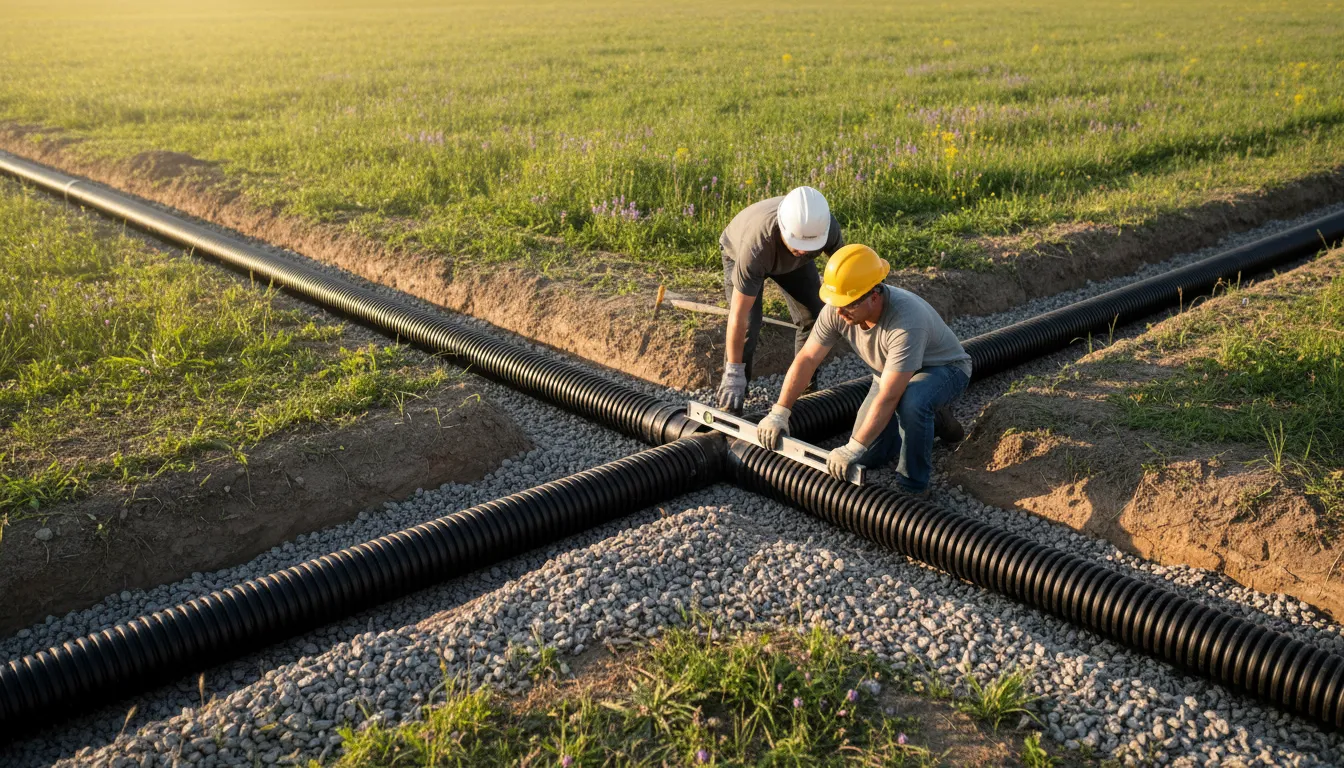
A failing drain field, also known as a leach field or soil absorption system, is a serious issue for any Salem homeowner with a septic system. When this critical component stops properly dispersing and filtering wastewater, it can lead to soggy yards, foul odors, and environmental contamination. Understanding your options for drain field repair or a full septic system replacement is essential for protecting your property and complying with Oregon's strict onsite wastewater regulations. This guide will help you navigate the process, from recognizing failure signs to understanding local permit requirements and connecting with qualified professionals in the Salem area.
NW Sewer & drain
1223 24th St NE, Salem, OR 97301
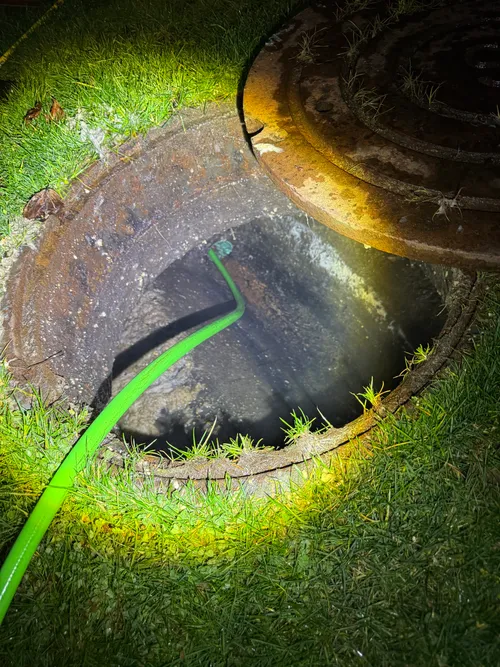
NW Sewer & Drain is a licensed and insured company based in Salem, OR, specializing in septic tank inspections and drain field repair or replacement. They offer a range of services including hydro jetting for sewer and rain drains, camera inspections with detailed video reports, and various drain repair and replacement solutions. Their capabilities include locating and inspecting sewer and rain drain lines as well as repairing or replacing exterior sewer and rain drain pipes.
Mr. Rooter Plumbing of Salem - Keizer Office
8030 Wheatland Rd N, Keizer, OR 97303
Mr. Rooter Plumbing of Salem - Keizer Office provides a range of plumbing services in Salem, OR, including septic tank inspections, septic system repairs, and drain field maintenance. They use advanced tools such as HydroScrub Drain Jetting and sewer camera inspections to diagnose and address sewer and drain issues efficiently. Their services also include trenchless sewer line replacements to minimize property disruption. The company offers comprehensive septic system care to help prevent backups and leaks, ensuring system longevity. Additionally, they provide emergency plumbing services to handle urgent situations promptly.
American On Site
Portland, OR
American On Site is a full-service septic provider based in Portland, OR, serving residential, commercial, and civil clients. They offer a wide range of septic services including inspections, pumping, installation, maintenance, and repairs such as drain field replacement and septic pump servicing. The company is experienced in handling all aspects of septic systems, using quality components to ensure proper function and longevity. Since 2003, American On Site has been serving the greater Willamette Valley area, providing expertise in septic system installation and maintenance. They cover multiple counties in Oregon and focus on delivering comprehensive septic solutions to their customers.
Recognizing a Failing Drain Field
The first step is identifying a problem with your leach field. Catching issues early can mean the difference between a minor repair and a costly full replacement. Common signs include:
- Sewage odors or effluent surfacing in your yard, especially near the drain field area.
- Persistently soggy or spongy ground over the drain field, even during dry weather.
- Slow drains and gurgling plumbing fixtures throughout your home.
- Unusually lush, green grass growing over the drain field compared to the rest of your lawn.
- Backups in your home's lowest drains, like basement or first-floor fixtures.
If you notice any of these signs, it's crucial to stop using water excessively and contact a licensed septic professional for an inspection immediately.
The Regulatory Landscape in Marion County
In Salem and the surrounding Marion County, all work on septic systems, including drain field repairs, is regulated. The overseeing authority is typically the Marion County Building Inspection Division's Onsite Sewage Disposal Program, with the Oregon Department of Environmental Quality (DEQ) providing the overarching rules (Oregon Administrative Rules 340-071)1 2. A Permit to Construct is required for any repair or replacement activity.
Understanding Repair vs. Replacement Permits
The type of permit you need depends on the scope of work 3:
- Minor Repair Permit: This covers the replacement of individual components like septic tanks, connecting pipes, or distribution boxes without altering the soil absorption facility (the drain field itself).
- Major Alteration Permit: This is required if you need to repair or replace any part of the soil absorption facility. This permit process is more involved and will likely require a new Site Evaluation.
The Critical Site Evaluation and Soil Test
Before any major drain field work can be approved, a Site Evaluation must be conducted. This evaluation determines the suitability of your soil to treat wastewater and identifies the location for a new or replacement leach field. A key part of this evaluation is the Soil Test Pit.
A licensed evaluator will dig test pits, typically to a depth of at least five feet, to examine soil structure, texture, and the seasonal high groundwater level. The findings from these pits dictate:
- System Type: Suitable soil may allow for a standard gravity-fed system. Poorer drainage or high groundwater may require an engineered system like a pressure-dosed drain field, sand filter, or aerobic treatment unit (ATU).
- Replacement Area: Oregon law requires that a designated, suitable area be reserved on your property for a 100% future replacement field. This area must meet all the same setback and soil requirements as the initial field4.
Navigating Setback Requirements
Oregon's rules enforce strict setbacks (minimum distances) that a new or repaired drain field must maintain from various features:
- Property lines
- Wells and other water supplies
- Streams, rivers, and other surface water
- Building foundations
- Cut and fill slopes These setbacks are non-negotiable and can significantly impact where a new leach field can be placed on your property.
The Path from Evaluation to Installation
Once you decide to proceed, the process generally follows these steps 5:
- Professional Assessment: Hire a licensed septic professional to diagnose the problem and recommend a solution.
- Site Evaluation & Design: If a new drain field is needed, a site evaluator performs the soil test pits. An engineer or designer then creates a system plan based on the results.
- Permit Application: Your septic professional or you submit the repair application, system design, site plan, and fee to Marion County Building Inspection for review.
- Permit Issuance: Once approved, you receive your Permit to Construct.
- Installation: A licensed installer constructs the new tank and/or drain field according to the approved plans.
- Final Inspection: Before the new drain field is covered with soil, a county inspector must visit the site to approve the installation6 7. This is a mandatory step.
- Backfill and Restoration: After passing inspection, the system can be covered and your yard restored.
Find the perfect drain field repair companies for your needs
Get personalized recommendations and expert advice
Understanding Costs for Drain Field Work in Salem
Costs for leach field work vary widely based on the system type, soil conditions, and excavation difficulty. The figures below are estimates to help you budget; always get multiple quotes from local providers 8.
- Drain Field Repair/Replacement: Addressing just the soil absorption system can start around $7,000 or more, depending on the extent of the work.
- Full Gravity System Replacement: Installing a new 1,000-gallon tank (the minimum size in Oregon) and a new gravity-fed drain field typically ranges from $15,000 to $18,000.
- Full Pressure-Dose System Replacement: If your site requires a more complex pressure-dosed system, costs often range from $20,000 to $24,000+9.
- New Septic Tank Only: If your drain field is sound but the tank needs replacement, costs generally fall between $3,000 and $10,000.
Remember, these are base costs. Expenses can increase with challenging access, rocky soil, the need for engineered plans, or additional requirements like pump chambers for pressure systems.
Choosing the Right System for Your Property
The results of your site evaluation will point to the appropriate system type:
- Gravity System: The most common and least expensive option, suitable for properties with deep, permeable soil and low groundwater.
- Pressure-Dose System: Often required in Marion County for new replacements where the original system failed. It uses a pump to evenly distribute effluent across the entire drain field, improving treatment and longevity.
- Sand Filter or Aerobic System: These are alternative treatment technologies used when soil conditions are very poor (e.g., high groundwater, impermeable clay, or limited space). They provide advanced treatment before the effluent reaches the drain field.
Maintaining Your New Drain Field
Protecting your investment is key. Proper maintenance includes:
- Regular Septic Tank Pumping: Pump your tank every 3-5 years to prevent solids from clogging the drain field.
- Water Conservation: Spread out laundry loads and fix leaks to avoid hydraulically overloading the system.
- Mind What You Flush: Only human waste and toilet paper should go down the drain. Avoid chemicals, grease, wipes, and feminine products.
- Protect the Area: Never drive or park over the drain field, and avoid planting trees or deep-rooted shrubs nearby.
Frequently asked questions
Sources
Footnotes
-
Onsite Sewage Disposal Program (Septic) - Marion County - https://www.co.marion.or.us/PW/BuildingInspection/Pages/onsite.aspx ↩
-
Residential Septic Permitting - Oregon.gov - https://www.oregon.gov/deq/residential/pages/residentialseptic.aspx ↩
-
Repair Permit Guide for Septic Systems - Oregon.gov - https://www.oregon.gov/deq/FilterDocs/os-RepairPermit.pdf ↩
-
Procedures and Requirements for Installing a New Septic System - https://www.oregon.gov/deq/FilterDocs/newsysinstprocs.pdf ↩
-
SITE EVALUATION to SYSTEM INSTALLATION - Marion County - https://www.co.marion.or.us/PW/BuildingInspection/Documents/s29setosysteminstallation.pdf ↩
-
Septic Repair Instructions - Marion County - https://www.co.marion.or.us/PW/BuildingInspection/Documents/Septic%20Repair%20Instructions%202025.pdf ↩
-
The Beginners Guide to Installing a Septic System in Central Oregon - https://www.blacksagedirtworks.com/blog/beginners-guide-installing-septic-system ↩
-
Cost to Replace Septic Tank and Drain Field [2026 Data] | Angi - https://www.angi.com/articles/how-much-new-drain-fields-foot.htm ↩
-
How much does it cost for a new septic and drain field? Just an ... - https://www.facebook.com/groups/204486930758046/posts/1461789831694410/ ↩