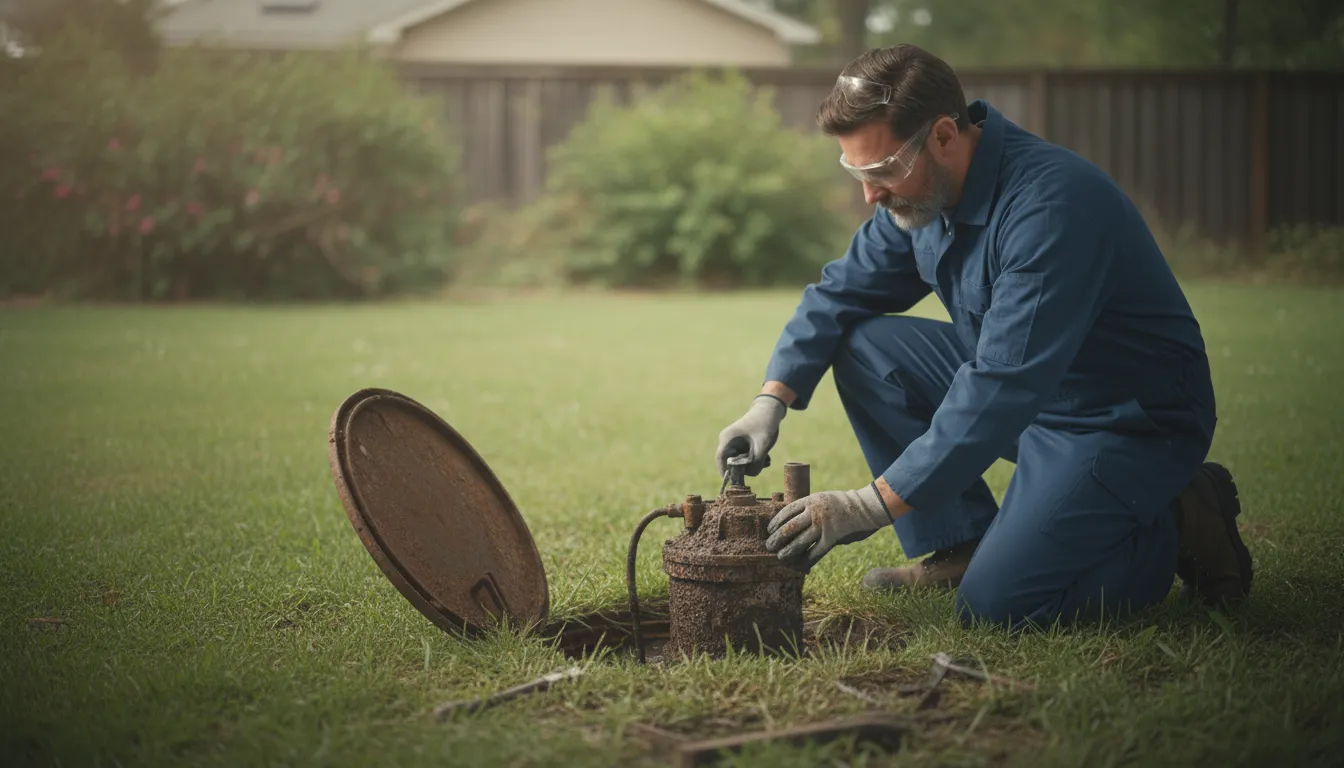
Find the Best Septic Pump Repair Companies for Your Business
No obligation • Fast responses • Nationwide coverage

Why you can trust Septic Spot
Septic Spot is a leading United States resource for understanding and comparing septic services. Our editors review providers using consistent criteria and verify key business details. Listings and scores are independent, and companies cannot pay to influence our content.
Search providers near you
Top Septic Pump Repair Companies in Longmont, Colorado Ranked
Maintaining a functional septic system is crucial for any Longmont home not connected to municipal sewer lines. Septic pump repair and replacement services address the critical components that move wastewater from your tank to the drain field, ensuring your entire system operates safely and efficiently. When a pump fails or a system reaches the end of its lifespan, timely professional intervention is essential to prevent backups, property damage, and environmental contamination. This guide will help you understand the local factors, processes, and costs involved, empowering you to make informed decisions when seeking service for your septic pumping system or effluent pump.
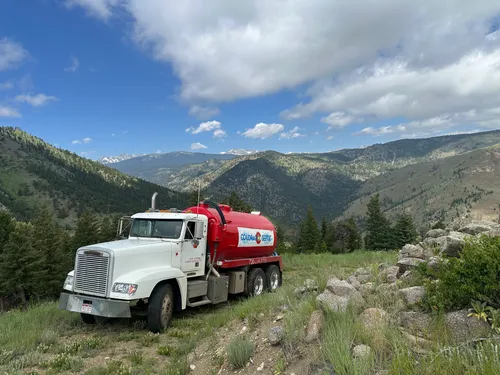
Understanding Your Septic System's Pump
Not all septic systems in Longmont use a pump. Traditional gravity-fed systems rely on slope to move liquid waste. However, due to local soil conditions and lot layouts, many homes require a more advanced septic pumping system. These are often called pressure distribution systems, mound systems, or aerobic treatment units (ATUs). The heart of these systems is an effluent pump or sewage ejector pump, which is installed in a separate chamber or directly in the tank. This pump is activated by float switches and pushes treated wastewater (effluent) under pressure through a network of small pipes in the drain field. Understanding whether you have a gravity system or a pump-assisted system is the first step in diagnosing any issue.
Common Signs of Pump or System Failure
Ignoring early warning signs can turn a simple repair into a catastrophic system replacement. Be alert for these red flags:
- Slow Drains and Backups: Sinks, toilets, and showers that drain slowly or back up, especially after heavy water use, can indicate a pump failure or a clogged system.
- Alarm Sounds: Many pressurized systems have an audible alarm (often located in the garage or basement) that activates when the pump fails or the water level in the pump tank gets too high.
- Soggy Ground or Surfacing Effluent: Puddles of wastewater or unusually lush, green grass over the drain field are signs of a failing leach field or a pump that isn't distributing effluent properly.
- Unpleasant Odors: Foul smells near the tank, drain field, or inside the home are a clear indicator of a system problem.
- Pump Running Constantly or Not At All: You may hear the pump running non-stop or notice it never turns on, both of which signal a mechanical or electrical issue.
How Local Longmont Conditions Impact Repairs
The cost and complexity of septic pump service in Longmont are heavily influenced by our unique Northern Colorado environment. Two primary factors set the stage for most repair and installation projects.
Boulder County Clay Soil
Much of Longmont and the surrounding area is characterized by dense, impermeable clay soil. Clay absorbs water very slowly, which is a significant challenge for a traditional leach field that relies on percolation. Because of this, Boulder County Public Health often requires engineered alternative systems for new installations and major replacements. These can include:
- Mound Systems: A constructed sand mound is built above the natural grade to provide proper drainage.
- Pressure Distribution Systems: Effluent is pumped through a network of small-diameter pipes to ensure even distribution across the entire drain field area.
- Advanced Treatment Systems: These systems provide additional treatment before the effluent reaches the drain field.
Repairing or replacing a pump in these advanced systems is more technically complex than in a simple gravity system, which impacts labor and part costs 1 2.
Boulder County Regulations and Permits
All significant septic work in Longmont requires approval from Boulder County Public Health. This regulatory oversight ensures repairs protect public health and groundwater. The permitting process involves:
- Site Evaluation and Soil Testing: A licensed professional must perform a percolation test and deep hole test to confirm soil suitability.
- System Design Submission: For replacements, a new system design must be engineered and submitted for county approval.
- Permits for Repairs: Even many repairs, like replacing a pump or repairing a baffle, require a county permit before work begins.
- Final Inspection: County officials must inspect the work before the excavation is backfilled.
Working with a county-licensed installer is not just a recommendation-it's a necessity for obtaining the required permits and ensuring your system is legally compliant 3.
The Repair vs. Replacement Decision
When faced with a system failure, a professional diagnosis is critical to determine the most cost-effective and long-term solution. The core question is whether to repair a component or plan for a full septic system replacement.
When Repair is the Viable Option
Repair is typically the best path when the problem is isolated, the system is relatively young, and the drain field is still functioning. Common repairable issues include:
- Failed Pump or Float Switch: The most common repair. Pumps wear out, and float switches can become stuck or waterlogged.
- Clogged Filters or Outlet Baffles: These can be cleaned or replaced to restore flow.
- Electrical Issues: Problems with the control panel, wiring, or circuit breaker.
- Minor Tank Damage: Repairing a cracked inlet/outlet pipe or a damaged riser lid.
A reputable contractor will perform a thorough inspection, often using tank cameras, to pinpoint the exact issue before recommending a repair.
When Full System Replacement is Necessary
Sometimes, a pump failure is a symptom of a larger, systemic problem. Replacement becomes the only option when:
- The Drain Field Has Failed: This is the most common reason for full replacement. Signs include chronic surfacing effluent and sewage backups that persist even after the tank is pumped.
- The Tank is Structurally Compromised: Severe cracks, collapse, or deterioration of a concrete tank cannot be reliably repaired.
- The System is Obsolete or Under-Sized: Older systems or those designed for a smaller home may no longer meet current codes or household demand.
- Multiple Major Components Fail Simultaneously: The cost of repairing several failed parts may approach the cost of a new, more efficient system 4 5.
Find the perfect septic pump repair companies for your needs
Get personalized recommendations and expert advice
Cost Breakdown for Septic Services in Longmont
Costs for septic pump repair and full system replacement in Northern Colorado vary widely based on system type, soil, and scope of work. The following estimates are based on local industry data for the Longmont area 6.
Septic Pump and Component Repairs
These costs cover common fixes that do not involve replacing the tank or drain field.
- Pump or Float Switch Replacement: $300 - $5,000+. The wide range depends on the pump type (effluent vs. grinder), its horsepower, and the accessibility of the pump chamber. A simple submersible effluent pump replacement is on the lower end, while replacing a pump in a complex mound system costs significantly more.
- Baffle or Riser Repair/Replacement: $300 - $1,200. Repairing the inlet/outlet baffles or installing new, secure riser lids for tank access.
- Control Panel or Electrical Repair: $150 - $800. Fixing wiring, replacing a breaker, or installing a new control panel.
Major Replacement Costs
When repair is not enough, homeowners must budget for a significant investment.
- Septic Tank Replacement Only: $9,500 - $11,500. This involves removing the old tank and installing a new one, assuming the existing drain field is still viable.
- Full Engineered System Replacement (3-5 Bedroom Home): $28,000 - $35,000+. This is the typical cost range for a complete new system in Longmont, including a new tank, pressure distribution pump, and a replacement drain field (like a mound) designed for clay soil. Costs can exceed $40,000 for larger homes or particularly challenging sites 7 8.
The Professional Service Process
Knowing what to expect when you hire a professional for septic pump repair or replacement can make the process smoother.
- Initial Diagnosis and Consultation: A technician will discuss your symptoms, review any available system records, and perform a visual inspection. They may check the pump chamber, listen for alarms, and test electrical components.
- Site Evaluation and Permitting: For replacements or major alterations, the contractor will manage the soil testing, system design, and permit application with Boulder County.
- Excavation and Inspection: The tank and pump chamber are carefully excavated and opened. The technician will inspect all components to confirm the diagnosis.
- Execution of Work: The repair or replacement is performed. This could involve swapping out a pump, repairing pipes, or the full installation of a new tank and drain field.
- Testing and Final Inspection: The new pump or system is tested for proper operation. For permitted work, a Boulder County inspector will visit to approve the installation before the site is backfilled 9 10 11.
Maintaining Your System to Avoid Costly Repairs
Proactive maintenance is the most effective way to avoid premature pump failure and extend the life of your entire septic system.
- Regular Pumping: Have the solid waste in your tank pumped every 3-5 years by a licensed service.
- Conserve Water: Spread out laundry loads and fix leaky fixtures to avoid hydraulically overloading the system.
- Mind What You Flush: Only human waste and toilet paper should go down the drain. Avoid chemicals, grease, wipes, and feminine hygiene products.
- Protect the Drain Field: Never drive or park heavy vehicles over it, and keep roof drains and sump pumps directed away from the area.
- Annual Inspections: Consider having a professional inspect your pump, floats, and electrical components annually, especially for complex pressure systems.
Frequently asked questions
Sources
Footnotes
-
How Soil Type Affects Septic System Performance - https://www.septicblueraleigh.com/how-your-soil-determines-your-septic-systems-success.html ↩
-
Understanding the Costs of Septic Tank Installation and Repair - https://mathisandsonsseptic.com/mathis-sons-septic-blog-orlando-fl/understanding-the-costs-of-septic-tank-installation-and-repair/ ↩
-
What to Know About Septic System Installation | Boulder, CO - https://www.sullivanseptic.net/blog/what-to-know-about-septic-system-installation ↩
-
Septic Repair vs. Replacement: How to Decide What's Best for Your System - https://www.townesseptic.com/blog/septic-repair-vs-replacement ↩
-
Septic Tank Replacement Explained: Costs, Lifespan, And What To ... - https://www.theseptictankman.com/blog/septic-tank-replacement-explained-costs-lifespan-and-what-to-expect ↩
-
Septic Repair vs. Replacement: A Guide to Costs & Red Flags - https://prosepticri.com/septic-repair-vs-replacement-guide/ ↩
-
The True Cost of a 4-Bedroom Septic System in Colorado - https://www.soiltestandseptic.com/post/the-true-cost-of-a-4-bedroom-septic-system-in-colorado-why-prices-range-from-the-low-20ks-to-the ↩
-
Septic System Replacement Costs, Repair & Pumping in Northern CO - https://boonstraexcavation.com/septic-systems/ ↩
-
What to Know About Septic System Installation | Boulder, CO - https://www.sullivanseptic.net/blog/what-to-know-about-septic-system-installation ↩
-
Colorado Septic Tank Requirements | On-site Wastewater ... - https://www.ntotank.com/blog/colorado-septic-tank-requirements ↩
-
Cost Breakdown: How Much to Repair a Septic Tank? - https://www.wepumpitsepticservice.com/how-much-does-it-cost-to-repair-septic-tank ↩