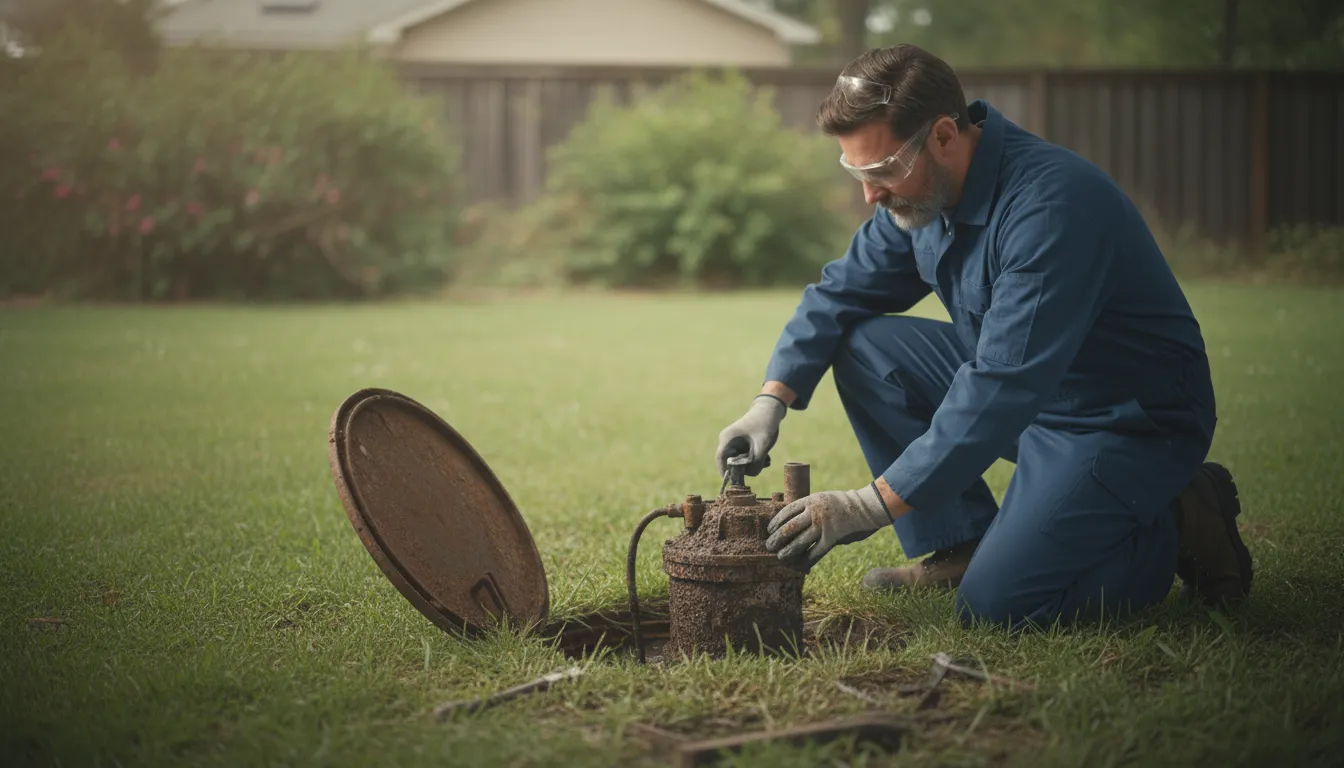
Find the Best Septic Pump Repair Companies for Your Business
No obligation • Fast responses • Nationwide coverage

Why you can trust Septic Spot
Septic Spot is a leading United States resource for understanding and comparing septic services. Our editors review providers using consistent criteria and verify key business details. Listings and scores are independent, and companies cannot pay to influence our content.
Search providers near you
Top Septic Pump Repair Companies in Atlanta, Georgia Ranked
Maintaining a functional septic system is a critical responsibility for homeowners in Atlanta. When your system's pump fails or the entire system reaches the end of its lifespan, it can lead to messy backups, property damage, and significant environmental concerns. This guide explains the unique challenges of septic repair and replacement in the Atlanta area, outlines the process and costs, and helps you understand how to find qualified local professionals to restore your home's wastewater treatment.
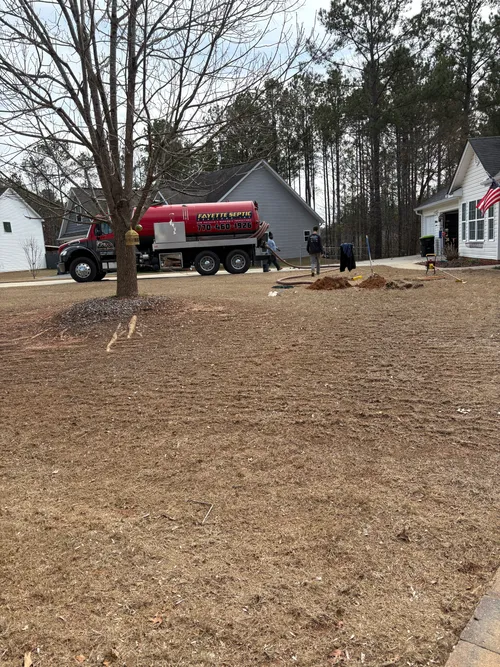
Fayette Septic Services, Tank Pumping & Repairs
186 Busbin Rd, Fayetteville, GA 30215
Fayette Septic Services, Tank Pumping & Repairs provides septic system maintenance and repair services in South Fulton, GA. They handle septic tank pumping, drain field repair, and septic pump replacement, among other septic system components. The company offers customized pumping schedules based on tank size, household size, and water usage to help maintain septic systems and prevent failures.
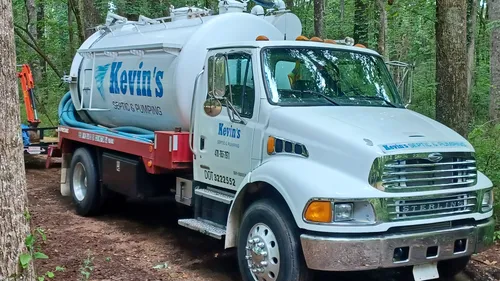
Kevin's Septic and Plumbing Service
Atlanta, GA
Kevin's Septic and Plumbing Service is a locally owned company serving Atlanta, GA, and surrounding counties including Newton, Rockdale, Walton, and Butts. They offer a full range of septic services such as tank pumping, installation, repair, and pump replacement, along with comprehensive plumbing solutions. The company has over 28 years of experience and provides same-day services as well as 24-hour emergency assistance to address urgent plumbing and septic needs. Their licensed and certified team works closely with insurance companies to support clients through the service process.

Firehouse Septic
104 Regan Way, Tyrone, GA 30290
Firehouse Septic is a firefighter-owned and family-operated septic service company based in South Fulton, GA. They provide septic tank pumping, inspections, minor repairs inside the tank, and septic pump repair or replacement. Serving Fayette County and Coweta County, including Tyrone and nearby areas, Firehouse Septic specializes in 24/7 septic emergencies and maintenance services. With over 30 years of experience, they focus on transparent pricing and customer care.
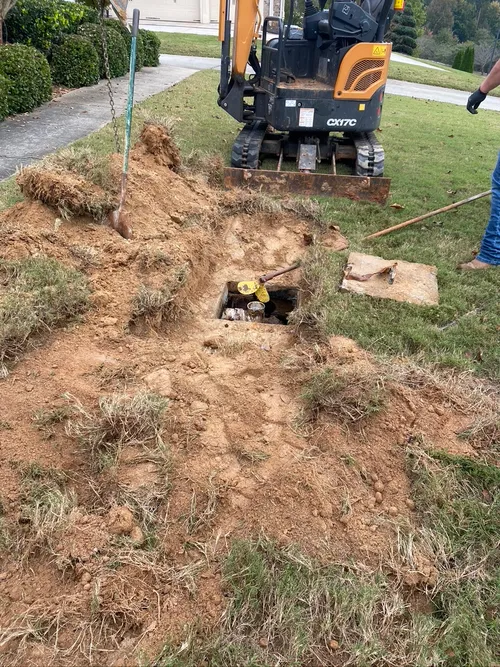
Express Plumbing & Septic
2172 GA-155 N, McDonough, GA 30252
Express Plumbing & Septic is a family-owned plumbing and septic service provider based near Atlanta, GA. Serving McDonough and surrounding communities, they offer residential and commercial plumbing solutions, including septic tank pumping, inspections, repairs, and pump maintenance. Established in 1995, the company has over two decades of experience handling a wide range of plumbing and septic system needs with certified technicians. Their services include septic filtering and flushing, and they provide free estimates before any work begins.
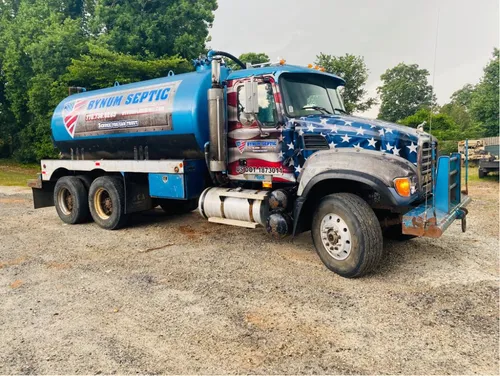
Bynum Septic
2120 McDaniels Bridge Rd SW, Lilburn, GA 30047
Bynum Septic, now operating as Grump's Pumps and Septic, provides comprehensive septic system services in Atlanta, GA. This family-owned company has over 18 years of experience serving residential and commercial clients. Their services include septic tank pumping, inspection, repair, installation, and drain field repair or replacement. They also specialize in commercial lift station installation, repair, and maintenance, offering capabilities such as grease control, debris removal, and pump inspections. Grump's Pumps and Septic is licensed, insured, and actively involved in the local community, ensuring knowledgeable and careful service. They provide 24/7 emergency septic tank pumping to address urgent needs promptly.
Understanding Atlanta's Unique Septic Challenges
Atlanta's geography presents specific hurdles for septic systems that directly impact repair and replacement strategies. The most significant factor is the region's prevalent red clay soil. Unlike sandy or loamy soils, dense clay has very poor drainage and absorption rates. This means effluent (liquid waste) from a septic tank struggles to percolate through the soil in a conventional drain field, leading to premature system failure, surface ponding, and backups into the home.
Because of this soil composition, many properties, especially those developed in the last few decades, may not have a standard gravel trench system. Instead, they often require advanced treatment systems to function properly 1. Common solutions in the Atlanta area include:
- Aerobic Treatment Units (ATUs): These systems use oxygen to break down waste more efficiently, producing a higher-quality effluent that is easier for clay soil to absorb.
- Low-Pressure Pipe (LPP) Systems: These systems use a pump to distribute effluent evenly across a wider, shallower drain field, improving absorption in difficult soils.
- Drip Irrigation Systems: Treated effluent is slowly dispersed through a network of small pipes, which is often the most effective method for heavy clay.
When a pump fails or a drain field clogs, the underlying soil condition is a primary factor in determining whether a simple fix or a major system overhaul is necessary.
Signs You Need Septic Pump Service or System Work
How do you know if you're dealing with a minor pump issue or a full system failure? Recognizing the red flags early can save you money and prevent a health hazard.
- Frequent Backups: Sewage backing up into household drains is the most urgent sign of a problem, potentially indicating a full tank, pump failure, or a clogged drain field.
- Gurgling Sounds: Persistent gurgling in your pipes, especially after flushing toilets or running water, can signal a blockage or a failing system.
- Slow Drains: While a single slow drain may be a localized clog, multiple slow drains throughout the house often point to a septic issue.
- Unpleasant Odors: Foul smells around the yard, particularly near the tank or drain field area, indicate that sewage is not being properly contained or treated.
- Lush, Wet Grass: A conspicuously green, soggy patch of lawn over the drain field, even during dry weather, is a classic sign of effluent surfacing due to a saturated or failed drain field.
- Alarm Sounds: Many modern systems, especially those with pumps or ATUs, have alarm systems that activate when the water level in the tank is too high, signaling an immediate need for service.
The Septic Repair and Replacement Process
Addressing a septic issue is a multi-step process that should always begin with a professional diagnosis. Here's what you can expect when you hire a licensed septic contractor in Atlanta.
1. Inspection and Diagnostics The first step is a thorough inspection by a licensed professional. They will locate the tank and drain field, check for signs of surfacing effluent, and often use a camera to inspect the tank's interior, baffles, and outlet pipe. For systems with pumps, electrical components and float switches will be tested. This diagnostic visit typically costs between $150 and $300 and is essential for determining the exact cause of the problem.
2. Tank Pumping Before most repairs can begin, the septic tank needs to be pumped out2. This allows the technician to safely enter the tank (if necessary) and inspect all components clearly. Routine pumping in Atlanta costs between $300 and $500 and is a critical maintenance task that should be performed every 3-5 years.
3. Permitting For any significant repair or replacement, a permit from the local county health department (e.g., Cobb & Douglas, Fulton, DeKalb) is required in Georgia3 4. Your contractor will usually handle this process. Permit fees can range from $500 to $1,200, depending on the scope of work and the county3.
4. Repair or Replacement Work The scope of work depends entirely on the diagnosis:
- Pump or Alarm Replacement: Replacing a submersible sewage pump, float assembly, or control panel.
- Baffle Repair or Riser Installation: Repairing or replacing the inlet/outlet baffles inside the tank or installing risers for easier future access.
- Drainfield Repair: This can range from cleaning a clogged effluent filter to excavating and replacing a section of failed lateral pipes. In clay soils, this is often a complex task 5.
- Full System Replacement: This involves designing a new system suitable for the site's soil, obtaining permits, excavating, installing a new tank and drain field, and connecting it to the home.
5. Final Inspection and Backfill Once work is complete, a final inspection from the county health department is usually required. After passing inspection, the excavation site is backfilled, compacted, and the landscape is restored as much as possible.
Find the perfect septic pump repair companies for your needs
Get personalized recommendations and expert advice
Cost Breakdown for Septic Work in Atlanta
Costs for septic system work in Atlanta vary widely based on system type, soil conditions, and the extent of the problem. The challenging clay soil often necessitates more expensive solutions, pushing costs toward the higher end of national averages 6.
- Routine Septic Pumping: $300 - $500
- Septic Pump Repair or Replacement: $800 - $5,000. This covers replacing the submersible pump, floats, and associated electrical components.
- Baffle Repair or Riser Installation: $300 - $1,200.
- Partial Drainfield Repair: $3,000 - $15,000. The cost depends heavily on how much of the field needs to be excavated and replaced.
- Full Septic System Replacement: $10,000 - $40,000+7 8 9. A conventional system replacement starts around $10,000, but the advanced systems (ATU, LPP, drip) required for Atlanta's clay often range from $20,000 to $40,000 or more.
Financial Assistance for Atlanta Homeowners
The high cost of a major septic repair or replacement can be a burden. Fortunately, some local programs offer assistance. For example, Cobb County offers a Septic Tank Incentive Program that provides grants of up to $15,000 for income-eligible residents who need to repair or replace a failing septic system10. It's worth contacting your local county health department to inquire about any available grant or loan programs for which you may qualify.
Choosing a Service Provider in Atlanta
Selecting the right contractor is crucial for a job that is both compliant with regulations and built to last. Look for a company that:
- Is licensed and insured for septic system work in Georgia.
- Has extensive local experience with Atlanta's specific soil challenges.
- Can provide references from recent jobs in your area.
- Handles the entire process, including diagnostics, permitting, installation, and final inspection.
- Offers clear, detailed written estimates and explains the "why" behind their recommended solution.
Frequently asked questions
Sources
Footnotes
-
Off-Grid Septic Systems: Solutions in Marietta, GA - https://smartsepticpros.com/blog/off-grid-septic-systems/ ↩
-
Septic Pumping: What to Expect | Atlanta, GA - https://www.metroseptic.com/blog/septic-pumping-what-to-expect/ ↩
-
Septic Tank Installation Cost in Georgia | Expert Guide - https://dandhsepticservices.com/septic-tank-installation-cost/ ↩ ↩2
-
Septic Repair vs. Replacement: What's Best for Your System - https://www.townesseptic.com/blog/septic-repair-vs-replacement ↩
-
Septic Tank Replacement Explained: Costs, Lifespan, And What To ... - https://www.theseptictankman.com/blog/septic-tank-replacement-explained-costs-lifespan-and-what-to-expect ↩
-
The Financial Side of Septic Tank Installation: Understanding Costs and Savings - https://canadiansanitationinc.ca/blog/the-financial-side-of-septic-tank-installation-understanding-costs-and-savings/ ↩
-
Septic Repair vs. Replacement: A Guide to Costs & Red Flags - https://prosepticri.com/septic-repair-vs-replacement-guide/ ↩
-
Understanding the Costs of Septic Tank Installation and Repair - https://mathisandsonsseptic.com/mathis-sons-septic-blog-orlando-fl/understanding-the-costs-of-septic-tank-installation-and-repair/ ↩
-
Expert Atlanta Septic Tank Services - Reliable Solutions - https://smartsepticpros.com/septic/atlanta/ ↩
-
Low-Income Septic System Pump/Repair Project - https://cobbanddouglaspublichealth.com/programs/environmental-health/septic-systems/septic-tank-incentive-program/ ↩