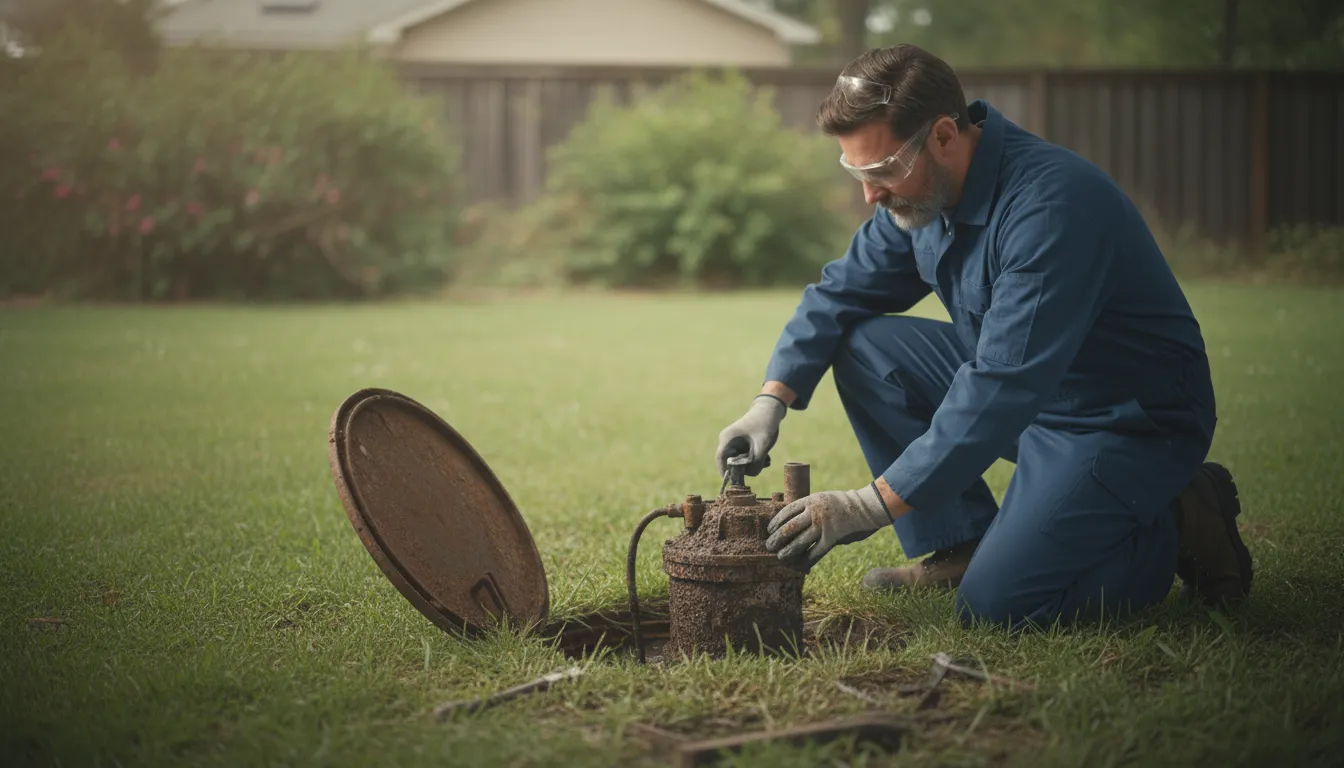
Find the Best Septic Pump Repair Companies for Your Business
No obligation • Fast responses • Nationwide coverage

Why you can trust Septic Spot
Septic Spot is a leading United States resource for understanding and comparing septic services. Our editors review providers using consistent criteria and verify key business details. Listings and scores are independent, and companies cannot pay to influence our content.
Search providers near you
Top Septic Pump Repair Companies in Savannah, Georgia Ranked
Maintaining a functional septic system is crucial for any home not connected to a municipal sewer line. In Savannah, this task is complicated by the region's unique coastal geology, making specialized knowledge essential for effective septic pump repair and replacement. This guide explains the local challenges, common repair scenarios, and typical costs, helping you understand what to expect and how to find qualified local professionals for your septic system service needs.
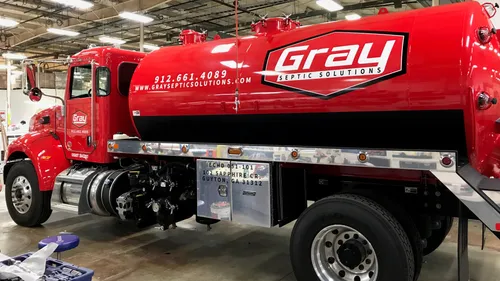
Gray Septic Solutions
Savannah, GA
Gray Septic Solutions is a locally owned septic service provider based in Savannah, GA. Since 2015, they have offered a range of services including septic tank pumping, inspections, repairs, installations, and drain field replacements. The company handles both residential and commercial septic needs with in-house design, permitting, and installation, ensuring quality control without subcontractors. They also provide 24/7 emergency septic services to address urgent issues promptly. Gray Septic Solutions is fully licensed and insured, with expertise in managing the unique challenges of Savannah's coastal soil and water conditions.
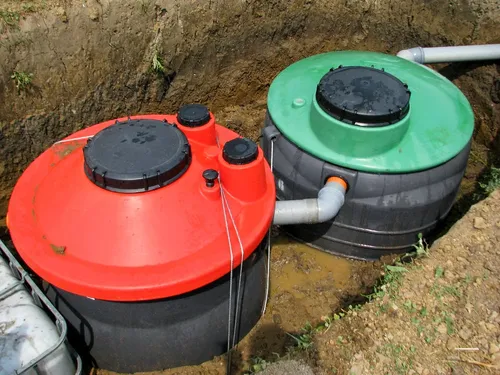
Southern Septic Tank Services
Savannah, GA
Southern Septic Tank Services has been locally owned and operated for over 40 years, serving residential and commercial properties in Savannah, GA, and surrounding areas. They provide a full range of septic services including tank pumping, cleaning, repairs, installations, and pump repairs. The company is fully insured, bonded, and certified by the State of Georgia, with extensive experience handling common and uncommon septic system issues.
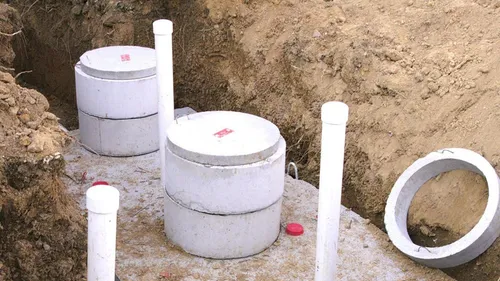
J.H. Wilson Construction
5130 Ogeechee Rd, Savannah, GA 31405
J.H. Wilson Construction is a family-owned business serving Savannah, GA, since 2007 with over 25 years of industry experience. They specialize in septic system installation, repair, and maintenance, including drain field services, grinder pump and lift station installations, and property drainage solutions. The company is licensed by the Georgia Department of Public Health and offers grading, excavation, and dewatering services as well. Emergency septic services are available, with non-emergency work scheduled within 24 to 48 hours.
Understanding Savannah's Unique Septic Challenges
The picturesque coastal environment of Savannah presents specific hurdles for septic system function. Two primary soil conditions dominate the landscape and directly impact system design and repair strategies.
High Water Table: Coastal areas frequently have a high water table, meaning the level of saturated soil is close to the surface. This reduces the soil's natural ability to treat and filter wastewater, as the drain field cannot properly absorb and purify effluent. In these conditions, standard gravity-fed systems often fail, necessitating more complex solutions like aerobic treatment units (ATUs) or elevated mound systems to ensure proper treatment before discharge 1.
Clay Soils: Much of the local soil contains heavy clay, which is notoriously slow to absorb water (has low percolation rates) 2. This restricts the drain field's ability to percolate and disperse liquid waste. To combat this, engineered solutions such as "curtain drains" may be required to redirect groundwater away from the drain field area, or larger, specially designed absorption fields must be installed 3.
Common Septic System Repairs in the Savannah Area
When issues arise, they often involve key components that manage the flow and treatment of wastewater. Understanding these common repairs can help you identify problems early.
Pump and Lift Station Issues: Due to Savannah's relatively flat, low-lying topography, many systems rely on pumps or lift stations to move effluent from the septic tank uphill to the drain field. These mechanical components can fail due to electrical problems, float switch malfunctions, or general wear and tear. Repair or replacement involves accessing the pump chamber, diagnosing the fault, and installing new equipment.
Drain Field Problems: This is often the most serious and costly area for septic system repair. Failures can manifest as soggy ground, sewage odors, or slow-draining fixtures. Causes include soil compaction from parking vehicles on the field, biomat buildup (a layer of sludge that clogs the soil), or hydraulic overload from excessive water use. Solutions range from drain field restoration techniques to a complete replacement of the absorption area 4.
Tank and Structural Repairs: The septic tank itself can develop cracks, have damaged baffles (which keep solids from exiting the tank), or corroded risers (access ports). While pumping and inspecting the tank can identify these issues, repairs often require excavation to expose the tank for patching, sealing, or component replacement.
The Septic Repair and Replacement Process
A major septic system project is more than just a quick fix; it's a regulated construction process. For homeowners in Chatham County, understanding the steps involved is key.
- Inspection and Diagnosis: The first step is a thorough evaluation by a licensed professional. This often involves locating the tank and drain field, pumping the tank to inspect its interior for structural soundness, and using a dye test or probing to assess the drain field's performance 5. A clear diagnosis is essential for determining whether repair or full replacement is necessary.
- Permitting and Design: Any significant repair or new installation requires a permit from the Georgia Department of Public Health or the local county health department. For complex situations involving poor soils or high water tables, an engineered design by a soil scientist or professional engineer is typically mandated. This design will specify the exact type of system required, such as a low-pressure pipe (LPP) system or a mound system 6. Permit acquisition and design work can add time and cost to the project.
- Excavation and Installation: With permits in hand, the physical work begins. This involves heavy machinery to excavate the old tank and drain field (if replacing) or to access specific components for repair. For new drain fields, the specified gravel, piping, and sand or fill material are installed according to the engineered plan. For pump repairs, the wet well or pump chamber is opened to service the equipment.
- Final Inspection and Backfill: Once installation is complete, a county health inspector will visit to ensure the work complies with the approved permit and design. After passing inspection, the area can be backfilled and the landscape restored.
Find the perfect septic pump repair companies for your needs
Get personalized recommendations and expert advice
Cost Factors for Septic Services in Savannah
The cost of septic work in Savannah varies widely based on the system's complexity, the extent of the problem, and local soil conditions. Here's a breakdown of typical price ranges based on available data:
- Septic Tank Pumping & Inspection: A routine service to remove solids and inspect system components typically costs between $200 and $1,237 7. This is a critical maintenance task that can identify small issues before they become major failures.
- Component Repairs: Fixing or replacing tank baffles, risers, or a damaged lid generally falls in the range of $300 to $1,200.
- Septic Pump Repair or Replacement: Replacing a failed effluent pump or lift station pump in Savannah typically costs between $800 and $3,000, including parts and labor 8.
- Major System Repairs or Partial Replacement: Addressing serious drain field issues or replacing a failed tank can cost $5,000 to $15,000, depending on accessibility and materials.
- Full System Replacement: Installing a completely new engineered septic system in Savannah, which is often necessary due to soil constraints, represents the most significant investment. Costs frequently range from $10,000 to $40,000 or more9 10 11. This high cost reflects the need for specialized equipment like pumps, advanced treatment units, and significant amounts of fill material for mound systems.
- Permits and Labor: Don't forget to factor in the cost of obtaining the necessary permits, which can range from $500 to $1,200, and the labor for excavation and installation, which can add $1,500 to $7,000 or more to the total project cost 12.
Maintaining Your System to Avoid Costly Repairs
Proactive maintenance is the most effective way to manage septic system costs and longevity.
- Schedule Regular Pumping: Have your tank pumped and inspected every 3-5 years, or as recommended by your service provider based on household size and usage.
- Conserve Water: Reduce hydraulic load on the system by fixing leaks, using high-efficiency fixtures, and spreading out laundry loads.
- Mind Your Drain Field: Never park vehicles, build structures, or plant trees with deep roots on or near your drain field. Keep roof drains and sump pump discharges directed away from it.
- Watch What You Flush: Only human waste and toilet paper should go into the system. Avoid flushing chemicals, fats, oils, grease, wipes (even "flushable" ones), and feminine hygiene products.
Frequently asked questions
Sources
Footnotes
-
How Much Does a Septic Tank Installation Cost? - https://www.thisoldhouse.com/plumbing/septic-tank-installation ↩
-
Best Soil Type for Septic Systems - What to Know First - https://superiorsewersolutions.com/septic/best-soil-type-for-septic-systems/ ↩
-
Septic System Essentials: A Guide To Key Components & Functions - https://www.soilworx.ca/septic-system-design-101-key-components-and-their-functions/ ↩
-
Understanding the Costs of Septic Tank Installation and Repair: A Guide for Homeowners - https://mathisandsonsseptic.com/mathis-sons-septic-blog-orlando-fl/understanding-the-costs-of-septic-tank-installation-and-repair/ ↩
-
Gray Septic Solutions: Septic System Service in Savannah, GA - https://graysepticsolutions.com/ ↩
-
DIY Septic Maintenance Tips for Georgia Homeowners - https://smartsepticpros.com/blog/diy-septic-system-maintenance-georgia/ ↩
-
Septic Tank Pumping Cost: Guide & Pricing in 2025 - Splash Plumbing - https://www.splashplumbing.com/how-much-does-it-cost-to-pump-septic-tank-understanding-pricing-and-factors-involved/ ↩
-
Septic Pump Replacement in Savannah, GA - https://graysepticsolutions.com/septic-pump-replacement/ ↩
-
Septic Repair vs. Replacement: A Guide to Costs & Red Flags - https://prosepticri.com/septic-repair-vs-replacement-guide/ ↩
-
Costs of Replacing a Septic Tank - https://www.scorpionsepticservices.com/blog/understanding-the-costs-of-replacing-a-septic-tank ↩
-
Septic System Installation Cost | New Septic System Cost - https://www.fixr.com/costs/install-septic-tank-system ↩
-
Septic Tank Installation Cost in Georgia | Expert Guide - https://dandhsepticservices.com/septic-tank-installation-cost/ ↩