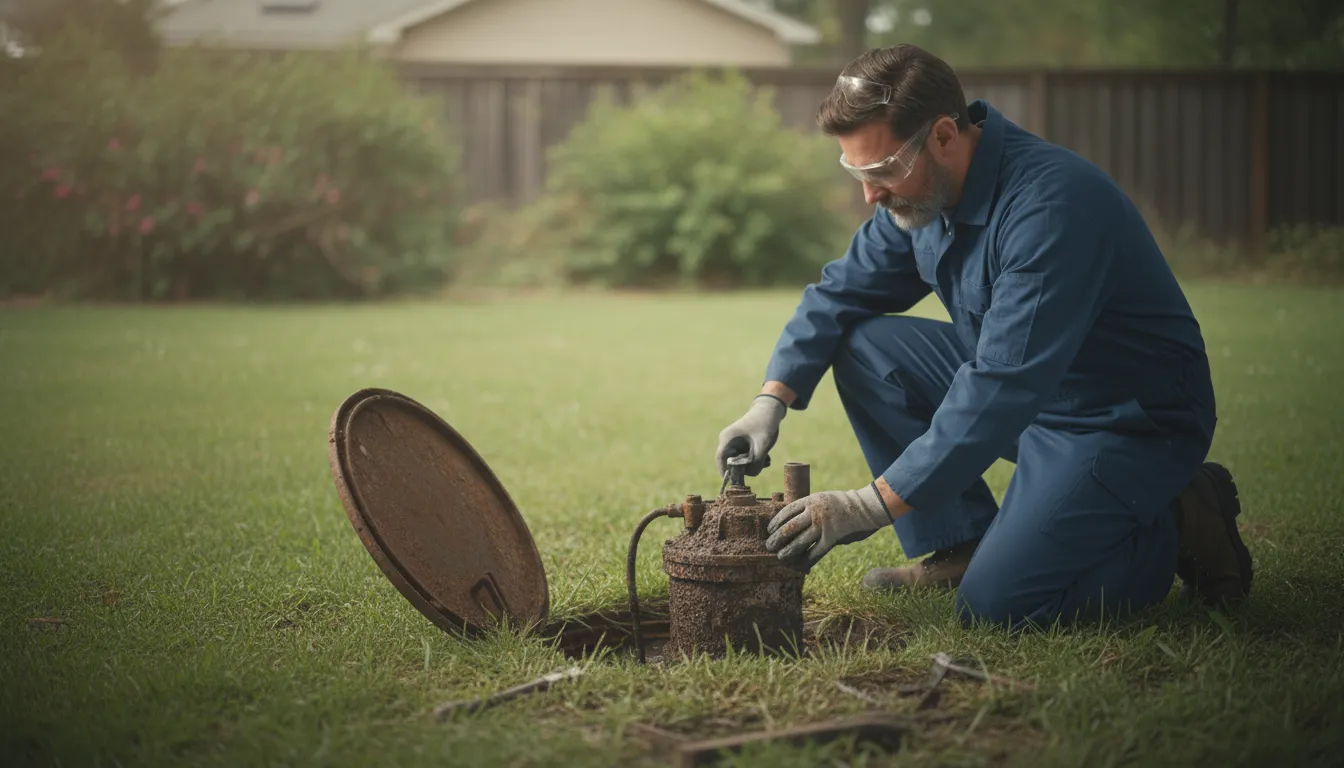
Find the Best Septic Pump Repair Companies for Your Business
No obligation • Fast responses • Nationwide coverage

Why you can trust Septic Spot
Septic Spot is a leading United States resource for understanding and comparing septic services. Our editors review providers using consistent criteria and verify key business details. Listings and scores are independent, and companies cannot pay to influence our content.
Search providers near you
Top Septic Pump Repair Companies in Gainesville, Georgia Ranked
A failing septic pump can lead to sewage backups, property damage, and serious health hazards. Septic pump repair and replacement are specialized services that restore the critical function of moving wastewater from your tank to the drainfield. This guide explains how these systems work in Georgia, outlines the repair process, and details state regulations, helping you understand what to expect and how to connect with qualified, licensed professionals in your area.
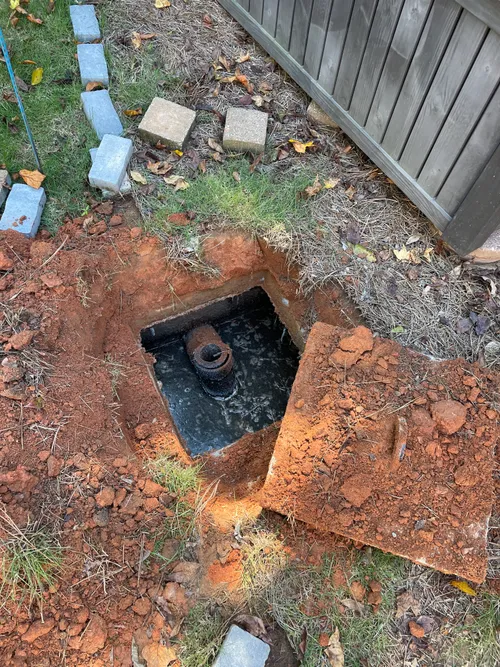
S&S Septic Services
5708 Toombs St, Lula, GA 30554
S&S Septic Services is a septic pumping, repair, and installation company serving South Fulton, GA, as well as northeast Georgia and Upstate South Carolina. They provide comprehensive septic solutions for residential, commercial, and government clients, including septic tank pumping, system repairs, new installations, and drain field cleaning through high-pressure jetting. The company also offers certified inspections, tank locating, and riser installations to support long-term maintenance. With over 20 years of experience, S&S Septic Services operates 24/7 to address emergency needs promptly.
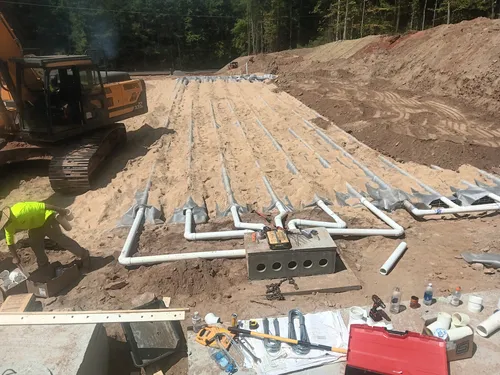
AC Septic Services
7460 Heardsville Cir, Cumming, GA 30028
AC Septic Services is a septic system company based in South Fulton, GA, offering a range of services including septic tank pumping, inspection, repair, installation, and drain field replacement. With 10 years of experience, they serve Cumming and surrounding areas, using advanced technology to provide efficient and tailored septic solutions. The company also offers 24/7 emergency services to address urgent septic system issues promptly.
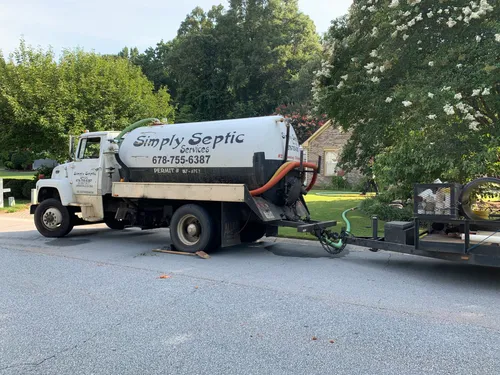
Simply Septic Service
350 Crafton Ct, Lawrenceville, GA 30043
Simply Septic Service is a family-owned septic company serving Atlanta, GA, and surrounding areas including Lawrenceville, Lilburn, and Athens. They provide a wide range of septic services such as septic tank pumping, inspections, repairs, installations, and drain field repair. Their licensed technicians are experienced in handling septic system issues and offer 24/7 emergency services to address urgent problems. Simply Septic Service has been operating for several years and is known for its certified professionals and comprehensive septic solutions.
Understanding Your Septic System's Pump
Not all septic systems in Georgia have a pump. Traditional gravity-fed systems rely on natural slope to move effluent. However, many properties require a pump, or dosing system, to transport wastewater uphill to a drainfield located at a higher elevation than the tank.
The two primary pumped system types in Georgia are:
- Pump/Dosage Systems: These use a submersible pump inside a separate chamber (a pump tank) to push effluent to the drainfield in controlled doses.
- Low-Pressure Pipe (LPP) Systems: A specific type of pump system that uses a network of small-diameter pipes with small holes to distribute effluent evenly across the drainfield.
- Aerobic Treatment Units (ATUs): These advanced systems use an electric pump to inject air into the treatment tank, requiring specialized maintenance and more frequent servicing 1 2.
If your home has a bathroom in a basement, is built on a sloped lot, or has dense soil, you likely have a system that depends on a pump. Knowing your system type is the first step in addressing repair needs.
Signs Your Septic Pump Needs Attention
Ignoring pump problems can lead to complete system failure. Be alert for these common warning signs:
- Alarms Sounding: Most modern pump tanks have a high-water alarm (a buzzer or light) that activates when the pump fails and the tank fills.
- Slow Drains & Backups: Toilets, showers, and sinks draining slowly or backing up, especially in lower levels of the home, can indicate the pump isn't moving effluent out.
- Sewage Odors: Unpleasant smells indoors or near the drainfield area are a strong indicator of a problem.
- Wet, Soggy Soil: Puddles or overly lush, green grass over the drainfield when it hasn't rained suggest effluent is surfacing because it's not being pumped away 3.
- Electrical Issues: A tripped circuit breaker on the pump's dedicated circuit may point to a pump motor failure.
The Septic Pump Repair & Replacement Process in Georgia
Repairing or replacing a septic pump is a regulated process that should always be handled by a licensed professional. Here's a typical step-by-step overview:
- Diagnosis & Inspection: A certified contractor will first inspect the system. This involves checking the electrical control panel for tripped breakers, testing the pump and float switches, and assessing the overall tank and drainfield condition 4. An inspection fee for this diagnosis typically ranges from $150 to $350.
- Permitting: In Georgia, most septic system repairs and modifications require a permit from the local county health department before work begins. Your contractor should handle this process, which ensures the repair complies with state code.
- Pumpout & Cleaning: Before any repair inside the tank can occur, a licensed pumper must evacuate all solids and liquids. This is a crucial safety and regulatory step.
- Repair or Replacement: The technician will address the issue. This could be a simple repair like replacing a stuck float switch or cleaning a clogged impeller. If the pump motor has failed, the entire pump unit will need replacement.
- System Testing & Final Inspection: Once the new pump or components are installed, the system is tested to ensure it cycles correctly. The local health department may require a final inspection to close out the permit.
Georgia Regulations and Licensing Requirements
Georgia has strict rules governing on-site sewage management systems to protect public health and groundwater. Homeowners should be aware of these key regulations:
- Licensed Professionals Only: All installation, modification, and repair work must be performed by a state-licensed septic system contractor 5. Always verify a contractor's license.
- Permits Are Mandatory: Any repair beyond simple maintenance (like replacing a pump, repairing a baffle, or modifying piping) requires a permit from the Georgia Department of Public Health or your local county health department 6 7.
- System Design Plans: For repairs, contractors often refer to the original system design plan (a "plat") filed with the health department to ensure work meets the original approved specifications.
- Tank Requirements: Georgia code requires an approved effluent filter on the outlet end of the septic tank to protect the pump and drainfield from solids 8.
- Recommended Inspections: While not always mandated by law for all systems, annual inspections are highly recommended, especially for systems with pumps, ATUs, or other complex components.
Find the perfect septic pump repair companies for your needs
Get personalized recommendations and expert advice
Cost Guide for Pump Services in Georgia
Costs can vary based on system type, pump horsepower, depth, and local labor rates. The following are typical price ranges for Georgia homeowners:
- Pump Repair: Fixing a float switch, clearing a blockage, or addressing minor electrical issues generally costs between $250 and $400.
- Pump Replacement: Replacing a failed submersible pump, including labor and parts, typically ranges from $500 to $1,300 9.
- Baffle Repair/Replacement: Repairing or replacing the inlet or outlet baffle in your septic tank, which is often done during pump service, can cost $300 to $900.
- Drainfield Repair: If pump failure has caused a drainfield to become saturated and fail, repair or replacement costs are significantly higher, ranging from $3,000 to $14,000 or more 10.
- Diagnostic Inspection: As noted, a professional inspection to diagnose a problem typically costs $150 to $35011 12.
Maintaining Your Septic Pump System
Preventive maintenance is the most cost-effective strategy. For systems with pumps:
- Schedule Regular Inspections: Have a licensed professional inspect the pump, floats, alarm, and electrical components annually 13.
- Pump the Tank Regularly: Even with a pump, the main septic tank needs to be pumped every 3-5 years to prevent solids from washing into the pump tank and causing damage.
- Conserve Water: Reduce heavy water usage (like multiple laundry loads in one day) to avoid overwhelming the pump and drainfield.
- Protect the System: Never flush anything besides human waste and toilet paper. Avoid pouring grease, chemicals, or medications down the drain.
Choosing a Service Provider in Georgia
When you need pump service, selecting the right contractor is critical. Look for a provider who is:
- State-Licensed: Confirm their license is current with the Georgia Department of Public Health.
- Experienced with Your System Type: Ask if they regularly service LPP, ATU, or standard pump systems.
- Permit-Savvy: They should proactively manage the permitting and inspection process with your local health department.
- Transparent with Pricing: Provide a detailed, written estimate that breaks down diagnosis, parts, labor, and permit fees.
Frequently asked questions
Sources
Footnotes
-
Types of Septic Systems 🟢 Conventional 🟢 Aerobic 🟢 Sand Filter - https://www.expresswastewater.com.au/septic-systems/information/types-of-septic-systems ↩
-
Types of Septic Systems - https://www.septicconnection.com/types-of-septic-systems ↩
-
A Beginner's Guide to Septic Systems | CAES Field Report - https://fieldreport.caes.uga.edu/publications/B1421/a-beginners-guide-to-septic-systems/ ↩
-
2026 Guide to Septic Tank Installation - https://dandhsepticservices.com/septic-tank-installation/ ↩
-
Residential-Study-Guide.pdf - GNR Health - https://gnrhealth.com/wp-content/uploads/2012/01/Residential-Study-Guide.pdf ↩
-
Septic Systems | DeKalb Public Health - https://dekalbpublichealth.com/environmental-health/septic-systems/ ↩
-
GA R&R - GAC - Subject 511-3-1 ON-SITE SEWAGE MANAGEMENT SYSTEMS - https://rules.sos.ga.gov/gac/511-3-1 ↩
-
HOMEOWNERPS GUIDE - to Septic SyStem maintenance - https://www.gwinnettcounty.com/static/departments/publicutilities/pdf/SepticTankKit.pdf ↩
-
Septic System Cost Adairsville GA: 2025 Price Guide - https://anytime-septic.com/septic-system-cost-in-adairsville-ga/ ↩
-
How Much Does Septic Tank System Repair Cost? (2026) - HomeGuide - https://homeguide.com/costs/septic-tank-repair-cost ↩
-
Complete Guide to Septic Inspection in Georgia - https://dandhsepticservices.com/septic-inspection-in-georgia/ ↩
-
Septic Tank Pumping Cost in Georgia (2026) - https://callseptic.com/costs/georgia ↩
-
DIY Septic Maintenance Tips for Georgia Homeowners - https://smartsepticpros.com/blog/diy-septic-system-maintenance-georgia/ ↩