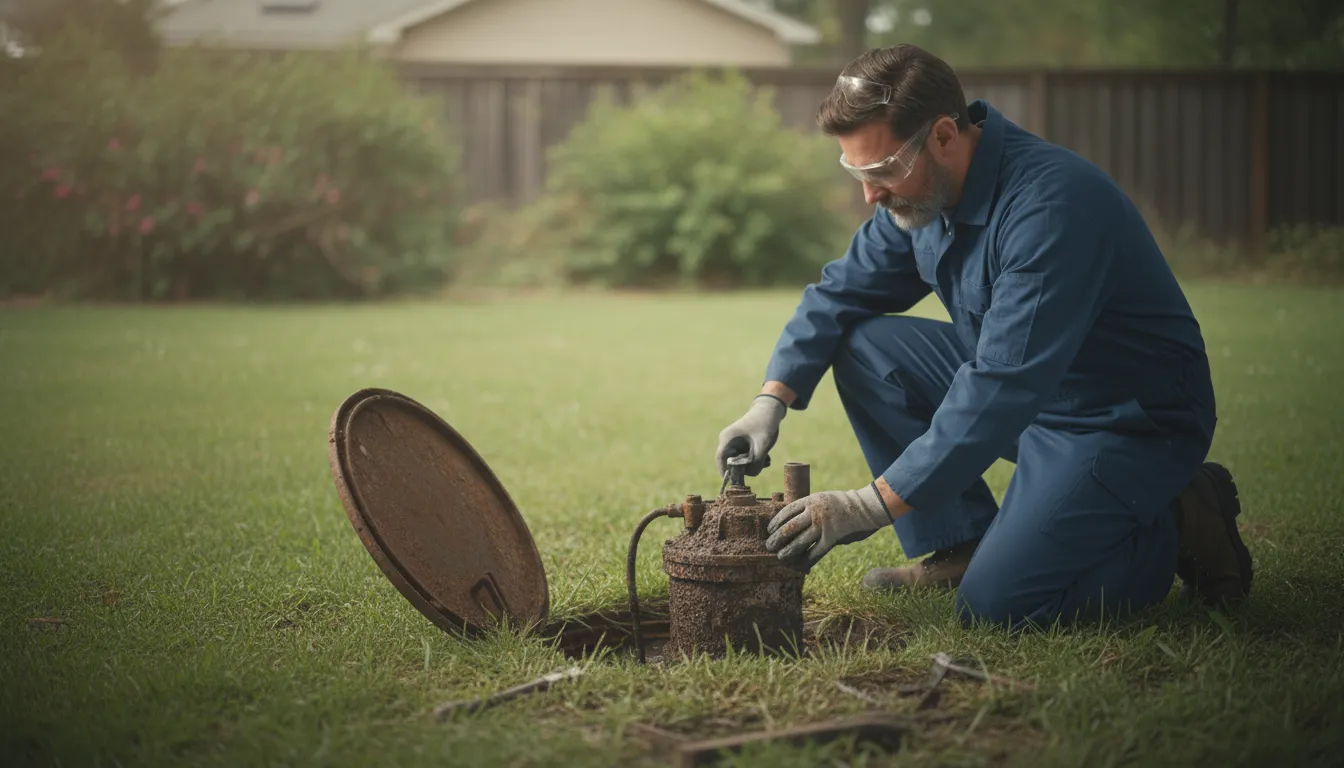
Find the Best Septic Pump Repair Companies for Your Business
No obligation • Fast responses • Nationwide coverage

Why you can trust Septic Spot
Septic Spot is a leading United States resource for understanding and comparing septic services. Our editors review providers using consistent criteria and verify key business details. Listings and scores are independent, and companies cannot pay to influence our content.
Search providers near you
Top Septic Pump Repair Companies in Johns Creek, Georgia Ranked
A functioning septic pump is the heart of many modern septic systems, actively moving treated wastewater from the tank to the drain field. When a pump fails, it can lead to sewage backups, property damage, and serious health hazards. For homeowners in Johns Creek, understanding local repair options, costs, and the unique challenges posed by Georgia's clay soils is essential for maintaining a safe and efficient home wastewater system. This guide provides detailed information to help you identify issues, navigate the repair process, and connect with qualified local specialists for your septic pump service needs.
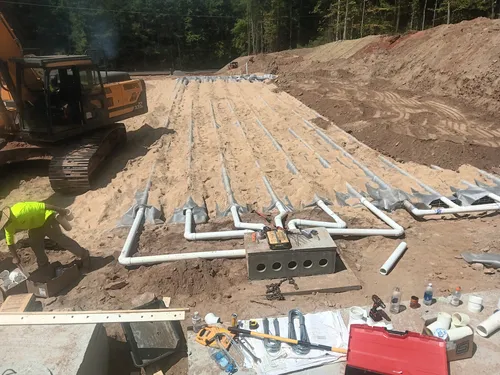
AC Septic Services
7460 Heardsville Cir, Cumming, GA 30028
AC Septic Services is a septic system company based in South Fulton, GA, offering a range of services including septic tank pumping, inspection, repair, installation, and drain field replacement. With 10 years of experience, they serve Cumming and surrounding areas, using advanced technology to provide efficient and tailored septic solutions. The company also offers 24/7 emergency services to address urgent septic system issues promptly.
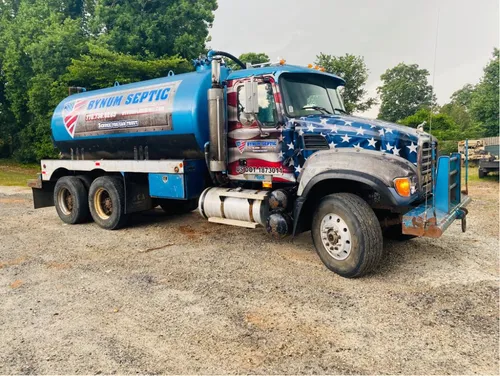
Bynum Septic
2120 McDaniels Bridge Rd SW, Lilburn, GA 30047
Bynum Septic, now operating as Grump's Pumps and Septic, provides comprehensive septic system services in Atlanta, GA. This family-owned company has over 18 years of experience serving residential and commercial clients. Their services include septic tank pumping, inspection, repair, installation, and drain field repair or replacement. They also specialize in commercial lift station installation, repair, and maintenance, offering capabilities such as grease control, debris removal, and pump inspections. Grump's Pumps and Septic is licensed, insured, and actively involved in the local community, ensuring knowledgeable and careful service. They provide 24/7 emergency septic tank pumping to address urgent needs promptly.

Precision Septic
South Fulton, GA
Precision Septic is a septic service provider based in South Fulton, GA, serving Fayetteville, Senoia, Sharpsburg, and nearby areas. They specialize in septic tank pumping, inspection, repair, and drain field repair or replacement. With three generations of experience, they focus on diagnosing root causes of septic issues, often repairing original gravel systems rather than recommending full replacements. Their expertise includes identifying problems like root intrusion and crushed pipes to extend system life and reduce unnecessary costs.
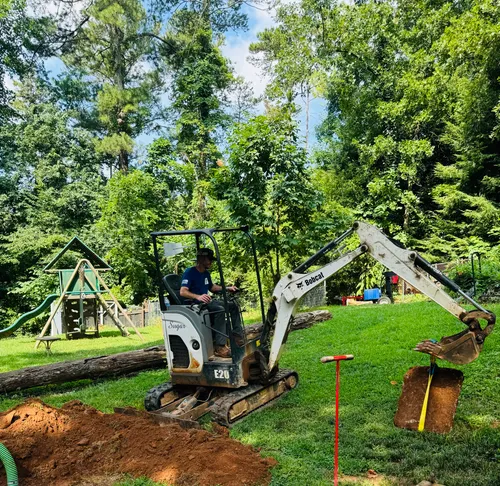
Septic Service and Repair
4221 Wayside Ct SW, Lilburn, GA 30047
Septic Service and Repair provides a full range of septic system services in Atlanta, GA. They handle septic tank pumping, system repairs, new installations, and drain field replacements. Their team is skilled in septic pump repair and leak detection, offering solutions for both routine maintenance and complex issues. The company covers all aspects of septic care to ensure systems function properly.
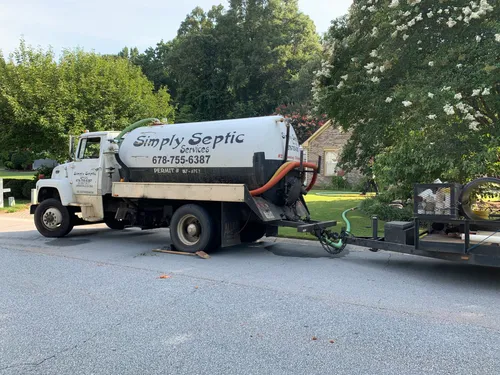
Simply Septic Service
350 Crafton Ct, Lawrenceville, GA 30043
Simply Septic Service is a family-owned septic company serving Atlanta, GA, and surrounding areas including Lawrenceville, Lilburn, and Athens. They provide a wide range of septic services such as septic tank pumping, inspections, repairs, installations, and drain field repair. Their licensed technicians are experienced in handling septic system issues and offer 24/7 emergency services to address urgent problems. Simply Septic Service has been operating for several years and is known for its certified professionals and comprehensive septic solutions.
Understanding Your Septic System's Pump
Not all septic systems have a pump. Conventional gravity-fed systems rely on slope to move effluent. However, in areas where the drain field is located uphill from the tank or where soil conditions require a more controlled distribution, a pump system is necessary. In Johns Creek, these are often low-pressure pipe (LPP) systems, mound systems, or aerobic treatment units (ATUs). The pump, typically a submersible or grinder pump, is housed in a separate chamber or directly in the septic tank and is controlled by floats and an electrical panel. Its job is to push effluent out in timed, measured doses to ensure even absorption in the drain field.
Common Signs of Pump Failure
Ignoring early warning signs can turn a simple pump repair into a catastrophic system failure. Be alert for these indicators:
- Alarms Sounding: Most pump systems have a high-water alarm (audible and/or visual). This is the most direct signal that the pump is not cycling properly.
- Slow Drains or Backups: Toilets, showers, and sinks draining slowly or backing up, especially in lower-level bathrooms, can indicate the tank is full because the pump isn't evacuating it.
- Soggy Ground or Odors: Puddles, overly lush grass, or sewage smells near the tank or drain field suggest effluent is not being pumped to the intended area and is surfacing.
- Electrical Panel Issues: A tripped breaker, blinking lights, or a completely dead control panel point to electrical problems with the pump or its circuitry.
The Cost of Septic Pump Service in Johns Creek
Repair and replacement costs vary widely based on the pump type, the complexity of the repair, and local factors like soil conditions. Based on local service data, here's a general cost framework for Johns Creek homeowners 1.
Diagnostic Inspection: A professional inspection to identify the problem, which may include video line scoping, typically costs between $200 and $600 2.
Common Repair & Replacement Scenarios:
- Control Panel or Float Switch Repair: Fixing electrical components, alarms, or float switches often ranges from $300 to $1,200.
- Standard Pump Replacement: Replacing a failed submersible or grinder pump generally costs between $1,000 and $2,000 for parts and labor 3.
- Major Electrical or Component Repair: Complex jobs involving the control panel, wiring, or pump replacement in difficult-to-access tanks can run from $800 up to $5,000.
- Minor Tank Repairs: Installing risers for easier access or repairing baffles during a pump service can add $300 to $1,200 to the total bill.
It's critical to view pump repair in the context of your entire system. Neglecting a faulty pump can cause effluent to overload and clog the drain field, leading to repair costs of $3,000 to $15,000 or even a full system replacement costing $10,000 to $40,000+ 4 5.
Find the perfect septic pump repair companies for your needs
Get personalized recommendations and expert advice
Why Johns Creek Soil Makes Pump Systems Critical
The local geology plays a massive role in septic system design and maintenance. Johns Creek and much of North Georgia are known for dense, poor-draining clay soils 6. Clay absorbs water very slowly, making traditional gravity drain fields inefficient and prone to failure. This is why engineered systems with pumps are so common.
Pump systems solve this by:
- Overcoming Elevation: Pumping effluent uphill to a drain field located in a slightly more suitable soil area.
- Precise Dosing: Low-pressure pipe systems use the pump to distribute small, pressurized doses of effluent evenly across the entire drain field pipe network, preventing saturation in one spot 7.
- Enabling Advanced Treatment: Aerobic treatment units (ATUs), which often require pumps, add oxygen to break down waste more thoroughly, producing effluent clean enough for spray dispersal-a necessity in tight soils.
Local regulations are strict to protect public health and groundwater. Homeowners must preserve a designated "future repair area" on their property for potential drain field expansion or replacement, underscoring the long-term investment in proper system care 8.
The Professional Repair Process: What to Expect
When you call a specialist for suspected pump issues, they will follow a systematic process to diagnose and resolve the problem 9 10 11.
- Inspection & Diagnosis: The technician will check the control panel for power and error codes, listen for the pump, and manually test the floats. They will often pump the tank to access and inspect the pump itself. Video inspection of the lines leading to the drain field may be used to rule out blockages.
- Pumping: The tank is pumped out. This is a necessary step to safely access the pump chamber and is a good maintenance practice regardless.
- Repair or Replacement: The faulty component is addressed. This could be a simple float adjustment, wiring repair, or a full pump swap. For replacement, the technician will match the pump's specifications (horsepower, head pressure, voltage) to your system's design.
- Testing & Verification: After repair, the system is restored and tested. The technician will verify that the pump turns on at the correct water level, runs through its cycle, and shuts off properly, ensuring the drain field is receiving effluent as designed.
Maintaining Your System to Avoid Costly Repairs
Proactive maintenance is the most cost-effective strategy. For systems with pumps, this includes:
- Annual Inspections: Have a professional inspect the pump, floats, alarm, and electrical components yearly.
- Regular Pumping: Pump the tank every 3-5 years (or as recommended) to prevent solids from entering and damaging the pump or drain field.
- Alarm Awareness: Know where your alarm is and what it sounds like. Test it periodically as per the manufacturer's instructions.
- Protect the Drain Field: Never park vehicles or place heavy structures over the drain field or future repair area. Direct rainwater runoff away from it.
Local providers like D&H Septic Services, One Way Septic, and other licensed contractors are familiar with the specific demands of Johns Creek systems and can provide tailored maintenance plans 12 13.
Frequently asked questions
Sources
Footnotes
-
How Much Does Septic Tank Repair Cost? [2026 Data] | Angi - https://www.angi.com/articles/how-much-does-repairing-septic-tank-cost.htm ↩
-
2026 Guide to Septic Inspection in Georgia - https://dandhsepticservices.com/septic-inspection-in-georgia/ ↩
-
How Much Does a Septic System Cost: Replacement and New - https://www.jkawelldrilling.com/how-much-does-a-septic-system-cost-replacement-and-new/ ↩
-
Dependable Septic Tank Pumping & Cleaning in Johns Creek, GA - https://www.septicblue.com/septic-tank-pumping-johns-creek-ga-septic-cleaning ↩
-
Septic Repair vs. Replacement: A Guide to Costs & Red Flags - https://prosepticri.com/septic-repair-vs-replacement-guide/ ↩
-
Homeowner's Guide to Septic System Maintenance - https://www.gwinnettcounty.com/static/departments/water/pdf/Septic_Kit.pdf ↩
-
Septic System Design & Installation | Kawartha Lakes - https://imrieseptic.ca/septic-system-design-installation/ ↩
-
Septic Installations - https://www.jcsiteworks.com/septic-installations ↩
-
Septic Services in Johns Creek, GA - GoSeptic & Sewer - https://gosepticandsewer.com/service-area/johns-creek ↩
-
Repairing Septic Systems: A Detailed Manual - https://ky-pd.com/blog/fixing-septic-system/ ↩
-
Septic Tank Repair Kennesaw GA | Septic System Repair | IPS - https://www.ipsplumber.com/septic-services/septic-tank-repair/ ↩
-
Septic Tank Installation Cost in Georgia | Expert Guide - https://dandhsepticservices.com/septic-tank-installation-cost/ ↩
-
THE BEST 10 Septic Services in JOHNS CREEK, GA - Yelp - https://m.yelp.com/search?cflt=septicservices&find_loc=Johns+Creek%2C+GA ↩