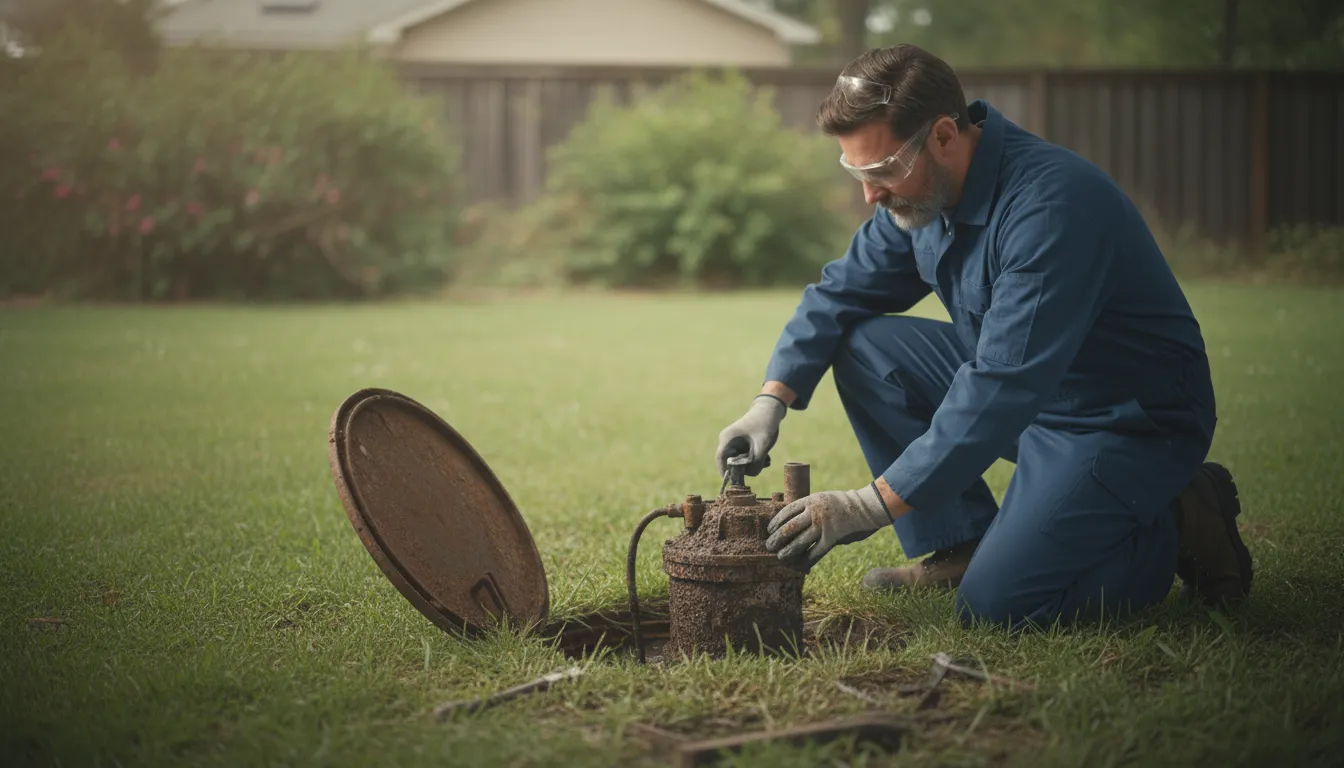
Find the Best Septic Pump Repair Companies for Your Business
No obligation • Fast responses • Nationwide coverage

Why you can trust Septic Spot
Septic Spot is a leading United States resource for understanding and comparing septic services. Our editors review providers using consistent criteria and verify key business details. Listings and scores are independent, and companies cannot pay to influence our content.
Search providers near you
Top Septic Pump Repair Companies in Peachtree Corners, Georgia Ranked
Maintaining a functional septic system is crucial for any home not connected to a municipal sewer line. In Peachtree Corners, specialized septic pump repair and replacement services ensure your system's critical components-like effluent pumps, grinder pumps, and lift stations-operate correctly to move wastewater from your tank to the drain field. This guide explains why these services are vital, especially given local soil conditions, and helps you understand the process and costs involved so you can connect with qualified local professionals for your system's needs.
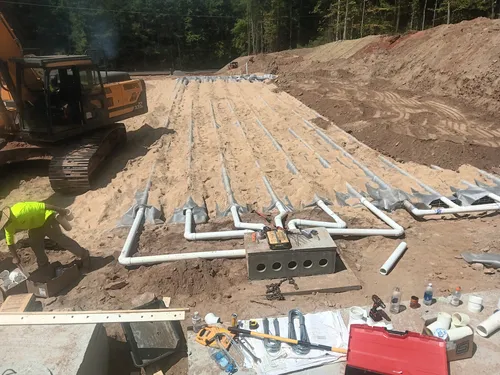
AC Septic Services
7460 Heardsville Cir, Cumming, GA 30028
AC Septic Services is a septic system company based in South Fulton, GA, offering a range of services including septic tank pumping, inspection, repair, installation, and drain field replacement. With 10 years of experience, they serve Cumming and surrounding areas, using advanced technology to provide efficient and tailored septic solutions. The company also offers 24/7 emergency services to address urgent septic system issues promptly.
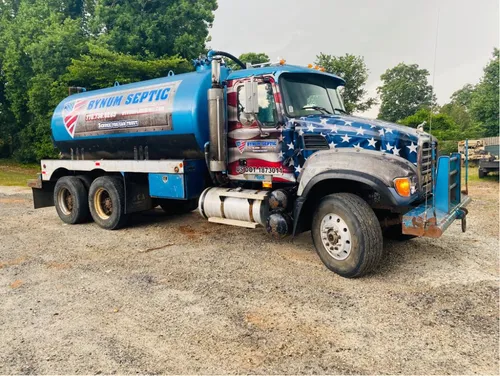
Bynum Septic
2120 McDaniels Bridge Rd SW, Lilburn, GA 30047
Bynum Septic, now operating as Grump's Pumps and Septic, provides comprehensive septic system services in Atlanta, GA. This family-owned company has over 18 years of experience serving residential and commercial clients. Their services include septic tank pumping, inspection, repair, installation, and drain field repair or replacement. They also specialize in commercial lift station installation, repair, and maintenance, offering capabilities such as grease control, debris removal, and pump inspections. Grump's Pumps and Septic is licensed, insured, and actively involved in the local community, ensuring knowledgeable and careful service. They provide 24/7 emergency septic tank pumping to address urgent needs promptly.

Precision Septic
South Fulton, GA
Precision Septic is a septic service provider based in South Fulton, GA, serving Fayetteville, Senoia, Sharpsburg, and nearby areas. They specialize in septic tank pumping, inspection, repair, and drain field repair or replacement. With three generations of experience, they focus on diagnosing root causes of septic issues, often repairing original gravel systems rather than recommending full replacements. Their expertise includes identifying problems like root intrusion and crushed pipes to extend system life and reduce unnecessary costs.
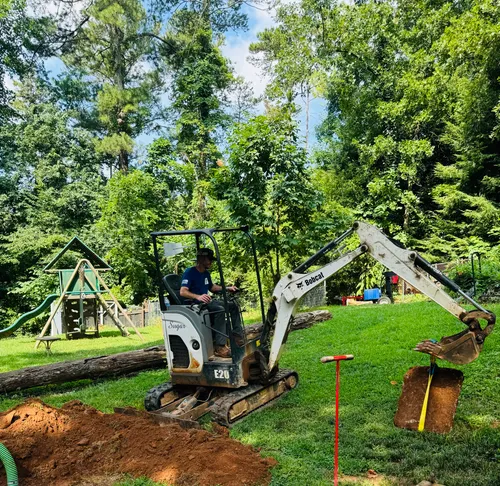
Septic Service and Repair
4221 Wayside Ct SW, Lilburn, GA 30047
Septic Service and Repair provides a full range of septic system services in Atlanta, GA. They handle septic tank pumping, system repairs, new installations, and drain field replacements. Their team is skilled in septic pump repair and leak detection, offering solutions for both routine maintenance and complex issues. The company covers all aspects of septic care to ensure systems function properly.
Simply Septic Service
350 Crafton Ct, Lawrenceville, GA 30043
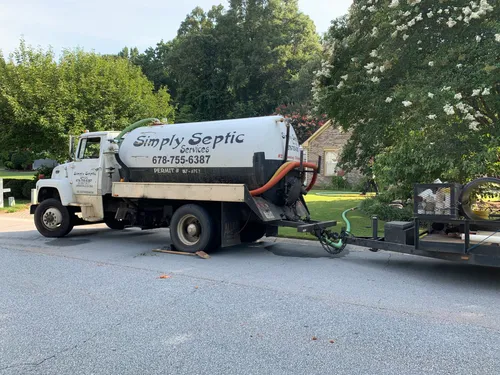
Simply Septic Service is a family-owned septic company serving Atlanta, GA, and surrounding areas including Lawrenceville, Lilburn, and Athens. They provide a wide range of septic services such as septic tank pumping, inspections, repairs, installations, and drain field repair. Their licensed technicians are experienced in handling septic system issues and offer 24/7 emergency services to address urgent problems. Simply Septic Service has been operating for several years and is known for its certified professionals and comprehensive septic solutions.
Understanding Your Septic System's Pump
Not all septic systems rely on gravity. In many homes in Peachtree Corners, the layout of the land requires a mechanical assist to move treated wastewater (effluent) from the septic tank to the drain field. This is where a septic pump comes in. There are two primary types:
- Effluent Pumps: These move pre-treated liquid from a pump chamber to the drain field.
- Grinder Pumps: These macerate solid waste before pumping it under pressure to a distant tank or drain field, often used in low-pressure dosing systems.
When these pumps fail, wastewater can back up into your home or saturate the area around the tank, leading to system failure and health hazards. Recognizing the signs of a failing pump is the first step toward a solution.
Common Signs You Need Pump Repair or Replacement
How do you know if your septic pump is the problem? Look for these warning signs:
- Sewage Backups: The most direct sign. Slow drains, gurgling toilets, or sewage backing up into showers or sinks often point to a pump not moving effluent out of the tank.
- Alarms Sounding: Many modern pump systems have high-water alarm floats that trigger an audible or visual alarm inside your home when the pump chamber is too full.
- Unusual Noises: Grinding, humming, or clicking sounds from the pump itself can indicate mechanical failure or a jammed impeller.
- Standing Water or Odors: Puddles of foul-smelling water near the septic tank or drain field area, or sewage odors around your property, suggest the pump isn't functioning and the system is overflowing.
- Abnormally Green Grass: While a small area of healthy grass over the drain field is normal, a large, lush, and soggy patch can signal a saturated drain field due to a lack of proper effluent distribution from a failed pump.
The Impact of Peachtree Corners' Red Clay Soil
A critical factor in all septic work in our area is the heavy red clay soil prevalent in Gwinnett County. This soil type has poor drainage and percolation rates, meaning it absorbs liquid very slowly. This has a direct impact on your system:
- Drain Field Stress: A malfunctioning pump that releases too much effluent at once can quickly saturate clay soil, leading to immediate drain field failure.
- System Design Requirements: Due to the clay, many homes require engineered or alternative systems, like Aerobic Treatment Units (ATUs) or mound systems, which are more complex and rely heavily on functioning pumps 1.
- Higher Repair Complexity: Fixing a pump issue in a standard system is one thing; diagnosing and repairing a pump in an advanced ATU system requires specialized knowledge, as these systems have aerators, timers, and controls in addition to the pump.
Understanding this soil challenge underscores why hiring a technician familiar with local conditions is essential for effective and lasting repairs.
The Repair and Replacement Process: What to Expect
When you contact a professional for septic pump service, a systematic process follows to diagnose and solve the problem.
1. Inspection and Diagnosis A licensed technician will first inspect your system. This involves checking the electrical components (breakers, control panels, floats), testing the pump's operation, and performing a hydraulic loading test to see if the drain field is accepting effluent. They will determine if the issue is a simple clog, electrical fault, mechanical pump failure, or a more serious drain field problem.
2. Permitting For any significant repair or full pump replacement that alters the system, a permit from the Gwinnett County Department of Health is typically required. Reputable professionals will handle this permitting process.
3. Excavation and Repair/Replacement For pump replacement, the technician will excavate to access the pump chamber, safely disconnect and remove the old pump, and install a new, compatible unit. If the issue is related to clogged or broken pipes leading to the drain field, those will be excavated and repaired or replaced.
4. Installation, Testing, and Backfilling The new pump is wired and connected, the system is tested under load to ensure proper operation, and the excavation site is carefully backfilled. The technician should also advise on adding or inspecting risers for easier future access 2.
5. Final Inspection For permitted work, a final inspection by the county health department is usually required to ensure the repair meets all local and state codes 3.
Find the perfect septic pump repair companies for your needs
Get personalized recommendations and expert advice
Cost Factors for Pump Repair and System Work
Costs in Peachtree Corners can vary widely based on the system type and the extent of the problem. Here's a breakdown of what you might expect:
- Minor Pump Repairs: Fixing electrical issues, replacing a float switch, or clearing a minor clog can range from $50 to $600 4.
- Septic Pump Replacement: The cost to replace the pump unit itself, including labor, typically falls between $300 and $600, though high-capacity or specialty pumps for alternative systems cost more 5.
- Full System Replacement: If a pump failure has led to or is part of a complete system failure, replacement costs are significantly higher. For a conventional system, full replacement ranges from $5,000 to $12,000 in Georgia. For the advanced alternative systems (like ATUs or mound systems) common in clay-heavy areas, replacement can cost $10,000 to $50,000+ 6 7.
- Add-On Services: Installing risers for easier future access costs roughly $100 to $200+8.
The final price depends on the pump type, depth of excavation, local permit fees, and whether your system is conventional or an advanced alternative type.
Maintaining Your System After a Repair
Once your pump is repaired or replaced, proper maintenance is key to preventing future issues.
- Regular Pumping: Have your septic tank pumped every 3-5 years to prevent solids from escaping into the pump chamber and causing clogs or damage.
- Conserve Water: Reduce sudden surges of water that can overwhelm the pump and drain field. Spread out laundry loads and fix leaky fixtures.
- Mind What You Flush: Never flush anything besides human waste and toilet paper. Avoid grease, chemicals, wipes, and feminine hygiene products.
- Protect the Drain Field: Keep vehicles, patios, and storage sheds off the drain field area. Direct rainwater runoff away from it.
- Annual Inspections: For systems with pumps, especially ATUs, an annual inspection by a professional is recommended to check electrical components, alarms, and mechanical parts 9.
Choosing a Service Provider in Peachtree Corners
Selecting the right professional is crucial. Look for a licensed, insured contractor with specific experience in the type of system you have (conventional, ATU, mound). They should be familiar with Gwinnett County permitting and the challenges of local red clay soil. Ask for references, detailed written estimates, and a clear explanation of the diagnosed problem and proposed solution. A trustworthy provider will prioritize proper permitting and final inspections to ensure your system is compliant and functional for the long term.
Frequently asked questions
Sources
Footnotes
-
Septic Tank Repair Peachtree Corners - https://www.septicblue.com/septic-tank-repair-and-installation-peachtree-corners.html ↩
-
Residential Septic Install & Repair - https://www.southgasepticservices.com/services/residential-septic-installation-repair ↩
-
Peachtree Corners - Action Septic Tank Service - https://actionseptictankservice.com/?tag=peachtree-corners ↩
-
Septic Pumping Cost Peachtree Corners GA: How Much Does ... - https://atlantaseptictankpros.com/septic-pumping-cost-peachtree-corners-ga/ ↩
-
Cost of Septic System: From Planning to Install -- Call (404) 998-8812 - https://atlantaseptictankpros.com/cost-of-septic-system-from-planning-to-install/ ↩
-
Complete Guide to Septic Inspection in Georgia - https://dandhsepticservices.com/septic-inspection-in-georgia/ ↩
-
9 Types of Septic Systems: Pros, Cons, and Costs | Angi - https://www.angi.com/articles/types-septic-systems.htm ↩
-
Septic Tank Installation Cost in Georgia | Expert Guide - https://dandhsepticservices.com/septic-tank-installation-cost/ ↩
-
Georgia Septic System Guide: Regulations & Maintenance Tips - https://smartsepticpros.com/blog/georgia-septic-system-regulations/ ↩