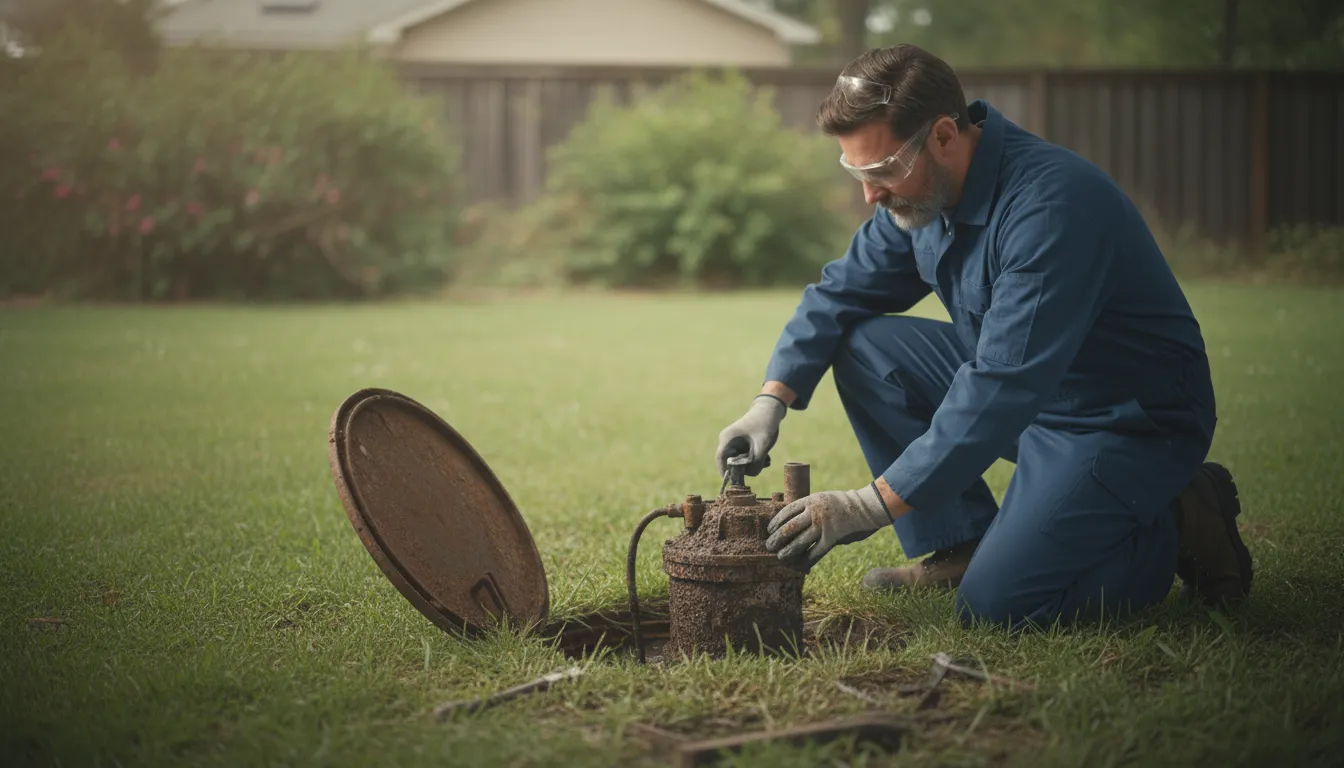
Find the Best Septic Pump Repair Companies for Your Business
No obligation • Fast responses • Nationwide coverage

Why you can trust Septic Spot
Septic Spot is a leading United States resource for understanding and comparing septic services. Our editors review providers using consistent criteria and verify key business details. Listings and scores are independent, and companies cannot pay to influence our content.
Search providers near you
Top Septic Pump Repair Companies in Sandy Springs, Georgia Ranked
When your septic system's pump fails or components wear out, it's more than an inconvenience-it's a threat to your home's sanitation and property value. Septic pump repair and replacement services are critical for maintaining a functional wastewater system, especially in areas with challenging soil conditions like Sandy Springs. This guide explains the local factors that impact your system, outlines common repair scenarios and costs, and helps you understand how to find qualified local professionals to address your specific needs.
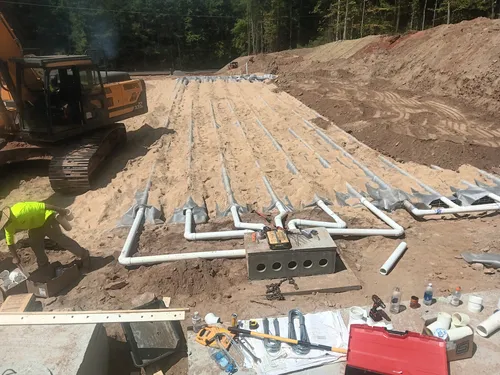
AC Septic Services
7460 Heardsville Cir, Cumming, GA 30028
AC Septic Services is a septic system company based in South Fulton, GA, offering a range of services including septic tank pumping, inspection, repair, installation, and drain field replacement. With 10 years of experience, they serve Cumming and surrounding areas, using advanced technology to provide efficient and tailored septic solutions. The company also offers 24/7 emergency services to address urgent septic system issues promptly.
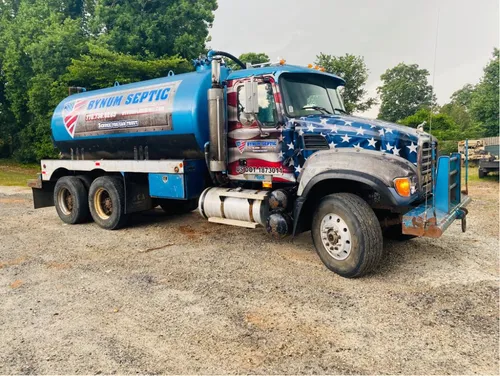
Bynum Septic
2120 McDaniels Bridge Rd SW, Lilburn, GA 30047
Bynum Septic, now operating as Grump's Pumps and Septic, provides comprehensive septic system services in Atlanta, GA. This family-owned company has over 18 years of experience serving residential and commercial clients. Their services include septic tank pumping, inspection, repair, installation, and drain field repair or replacement. They also specialize in commercial lift station installation, repair, and maintenance, offering capabilities such as grease control, debris removal, and pump inspections. Grump's Pumps and Septic is licensed, insured, and actively involved in the local community, ensuring knowledgeable and careful service. They provide 24/7 emergency septic tank pumping to address urgent needs promptly.

Precision Septic
South Fulton, GA
Precision Septic is a septic service provider based in South Fulton, GA, serving Fayetteville, Senoia, Sharpsburg, and nearby areas. They specialize in septic tank pumping, inspection, repair, and drain field repair or replacement. With three generations of experience, they focus on diagnosing root causes of septic issues, often repairing original gravel systems rather than recommending full replacements. Their expertise includes identifying problems like root intrusion and crushed pipes to extend system life and reduce unnecessary costs.
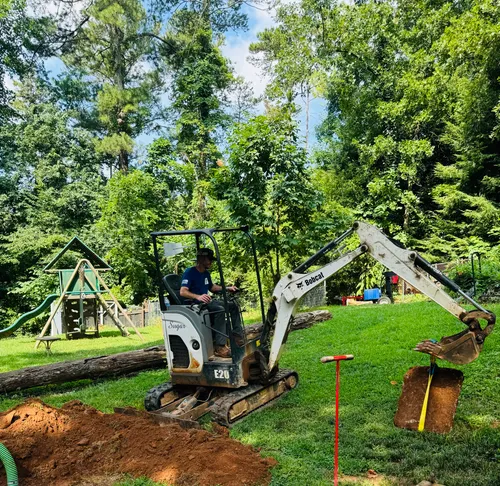
Septic Service and Repair
4221 Wayside Ct SW, Lilburn, GA 30047
Septic Service and Repair provides a full range of septic system services in Atlanta, GA. They handle septic tank pumping, system repairs, new installations, and drain field replacements. Their team is skilled in septic pump repair and leak detection, offering solutions for both routine maintenance and complex issues. The company covers all aspects of septic care to ensure systems function properly.
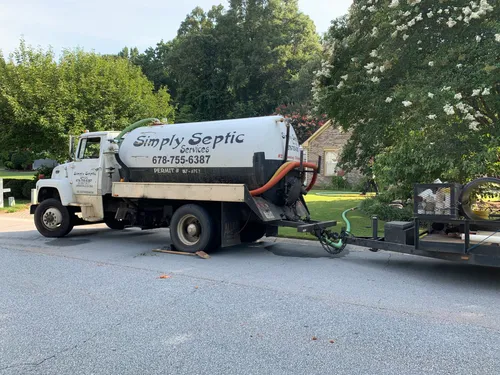
Simply Septic Service
350 Crafton Ct, Lawrenceville, GA 30043
Simply Septic Service is a family-owned septic company serving Atlanta, GA, and surrounding areas including Lawrenceville, Lilburn, and Athens. They provide a wide range of septic services such as septic tank pumping, inspections, repairs, installations, and drain field repair. Their licensed technicians are experienced in handling septic system issues and offer 24/7 emergency services to address urgent problems. Simply Septic Service has been operating for several years and is known for its certified professionals and comprehensive septic solutions.
Understanding Your Septic System in Sandy Springs
A residential septic system is a private wastewater treatment plant, and its pump is the heart that moves effluent from the tank to the drain field. In Sandy Springs, the health of your septic pump and its related components is heavily influenced by local geology. Much of Georgia's soil is clay-rich, which drains slowly and can lead to system stress if not properly managed 1. This slow drainage often requires larger drain fields or more expensive engineered systems to prevent pooling and catastrophic failures. Understanding these constraints is the first step in recognizing why timely septic pump service and system maintenance are non-negotiable investments for homeowners here.
Why Soil Type Dictates System Health
The heavy clay common in our area doesn't just affect landscaping; it directly impacts your septic system's longevity. Clay soil has tiny particles that compact easily, severely limiting its ability to absorb and filter wastewater. When a drain field becomes saturated or "clogged," it can cause effluent to back up into your home or pool on your lawn. This is a primary reason why some homes in Sandy Springs require complex, more expensive aerobic treatment units (ATUs) or mound systems instead of conventional gravity systems. A failing pump in these sophisticated systems can lead to rapid, expensive problems, making expert diagnosis and repair essential.
Common Septic Repair and Replacement Scenarios
Not every septic issue requires a full system overhaul. Local specialists typically categorize problems into a few key areas, starting with diagnostics.
Inspection and Initial Diagnostics: Before any work begins, a professional will perform an inspection to pinpoint the issue. This often involves clearing blockages and assessing the system's overall health, with costs typically ranging from $200 to $600. This step is crucial to avoid unnecessary repairs and to develop an accurate, cost-effective solution.
Pump and Electrical Control Repair: The most direct issue homeowners face is a failed effluent pump or its control floats and alarms. Replacing these electrical components or the pump itself is a common repair, with costs generally between $800 and $5,000, depending on the pump's capacity and accessibility.
Component Replacement: Over time, non-mechanical parts of the tank can fail. This includes repairing or replacing broken baffles (which keep solids in the tank), damaged tank risers (which provide access), or cracked inlet/outlet pipes. These repairs are vital for proper system function and typically cost between $300 and $1,200.
Drain Field Restoration: When the soil in the drain field becomes clogged with biomat (a layer of sludge), the system can fail. Solutions may include partially replacing lateral lines, cleaning the distribution box, or more advanced treatments. Due to the excavation and material involved, drain field restoration can cost between $3,000 and $15,000 2.
Find the perfect septic pump repair companies for your needs
Get personalized recommendations and expert advice
When Repair Turns to Full System Replacement
Sometimes, repairs are a temporary fix for a system at the end of its life. A full septic system replacement is a major undertaking but may be necessary for aging systems, severely damaged tanks, or completely failed drain fields, particularly after prolonged wet conditions 3.
Cost Factors for Replacement: In Sandy Springs, a conventional gravity system replacement might cost between $3,500 and $8,500. However, if your property's clay soil necessitates an engineered alternative like an aerobic system or a mound system, replacement costs can easily range from $10,000 to $20,000 or more 4 5. A full system replacement, including a new drain field, represents a significant investment, often between $10,000 and $40,000+.
The Value of Proactive Maintenance: This stark cost difference highlights why regular septic maintenance can save you thousands 6. Routine pumping every 3-5 years and immediate attention to warning signs (like slow drains or soggy yard patches) can extend the life of your drain field and delay the need for a five-figure replacement.
Navigating Costs and Financial Assistance
Understanding the potential costs for septic work helps in planning and decision-making. Here's a breakdown of common service price ranges in the Sandy Springs area:
- Baffle or Riser Repair: $300 - $1,200
- Pump or Controller Replacement: $800 - $5,000
- Conventional System Replacement: $3,500 - $8,500
- Full System Replacement (with drain field): $10,000 - $40,000+
Financial Aid for Homeowners: The financial burden of a major repair or replacement can be daunting. Importantly, grant assistance is available for eligible households. Qualified low-income homeowners in the area may access repair grants of up to $15,000 through local health department initiatives 7 8. It's worth investigating these programs if cost is a concern.
Choosing a Local Septic Service Provider
For services in Sandy Springs, connecting with experienced, local professionals is key. They understand the specific soil challenges and county health regulations you face. Look for providers with strong local reputations, proper licensing, and experience with the type of system you have, whether it's a conventional system or a more complex engineered solution. Local expertise is invaluable for navigating permits, soil evaluations, and ensuring any work meets Georgia's septic drain field requirements 9 10.
Frequently asked questions
Sources
Footnotes
-
How Does Soil Impact the Septic System? - https://www.metrosepticpumping.com/how-does-soil-impact-the-septic-system ↩
-
Septic Repair vs. Replacement: A Guide to Costs & Red Flags - https://prosepticri.com/septic-repair-vs-replacement-guide/ ↩
-
How Much Does Septic Tank Repair Cost? [2026 Data] | Angi - https://www.angi.com/articles/how-much-does-repairing-septic-tank-cost.htm ↩
-
Sandy Springs | Action Septic Tank Service - https://actionseptictankservice.com/?tag=sandy-springs ↩
-
Septic Tank Installation Cost in Georgia | Expert Guide - https://dandhsepticservices.com/septic-tank-installation-cost/ ↩
-
Why Regular Septic Maintenance Can Save You Thousands ... - https://www.metroseptic.com/blog/why-regular-septic-maintenance-can-save-you-thousands-in-2026/ ↩
-
Low-Income Septic System Pump/Repair Project FAQs - https://cobbanddouglaspublichealth.com/programs/environmental-health/septic-systems/septic-tank-incentive-program-faqs/ ↩
-
Septic System Repair Project - Cobb & Douglas Public Health - https://cobbanddouglaspublichealth.com/programs/environmental-health/septic-systems/septic-system-repair-project/ ↩
-
Complete Guide to Septic Inspection in Georgia - https://dandhsepticservices.com/septic-inspection-in-georgia/ ↩
-
Georgia's Septic Drain Field Requirements: Homeowner's Guide - https://smartsepticpros.com/blog/georgias-septic-drain-field-requirements/ ↩