Find the Best Septic Pump Repair Companies for Your Business
No obligation • Fast responses • Nationwide coverage

Why you can trust Septic Spot
Septic Spot is a leading United States resource for understanding and comparing septic services. Our editors review providers using consistent criteria and verify key business details. Listings and scores are independent, and companies cannot pay to influence our content.
Search providers near you
Top Septic Pump Repair Companies in Rockford, Illinois Ranked
Maintaining a functional septic system is crucial for any home not connected to a municipal sewer line. In Rockford, where local soil conditions can present unique challenges, understanding your septic pump and related components is especially important. This guide explains what septic pump repair and system replacement entail, why these services are vital for property value and environmental health, and how you can find qualified local professionals to assess and address your needs.
Understanding Your Septic System's Pump
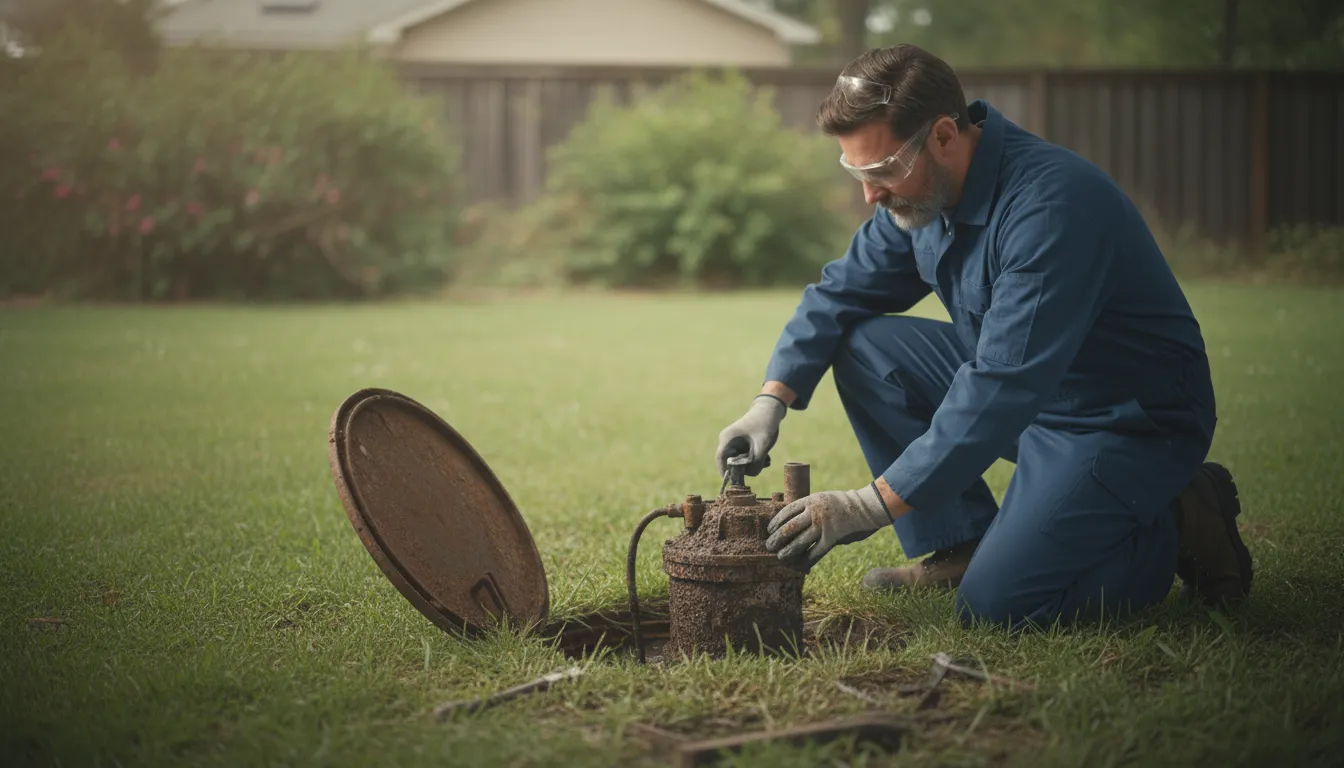
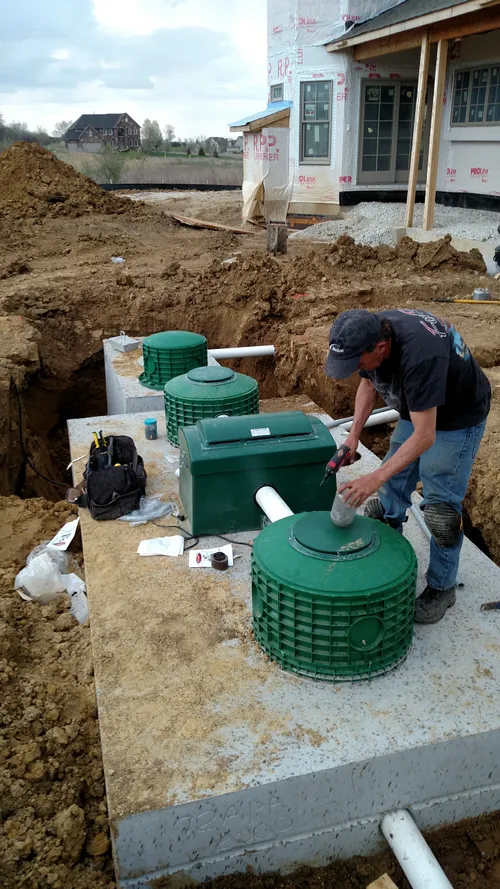
At the heart of many modern septic systems is a pump, often called an effluent or septic pump. This component is responsible for moving treated wastewater (effluent) from the septic tank to the drain field. In traditional gravity systems, this flow happens naturally, but many properties in the Rockford area require a pump due to the local topography or soil composition. When this pump fails, wastewater can back up into your home or pool on your property, creating health hazards and potential environmental issues. Recognizing early signs of pump trouble, such as alarms sounding, slow drains, or soggy areas near the drain field, can help you address problems before they escalate into a full system failure.
Why Rockford's Soil Makes Systems More Complex
A primary factor influencing septic system design, cost, and repair in Winnebago County is the prevalent soil type. Much of the area around Rockford is characterized by heavy clay soils and high-water tables. Clay soil has very poor permeability, meaning it does not absorb water easily. This limits the effectiveness of standard gravity-fed drain fields.
Consequently, many homes require engineered or alternative septic systems, such as:
- Mound Systems: Where effluent is pumped to an elevated sand-filled mound for treatment.
- Drip Irrigation Systems: Which use a network of small pipes to slowly disperse effluent.
- Aerobic Treatment Units (ATUs): That add oxygen to break down waste more thoroughly before dispersal.
These advanced systems rely more heavily on mechanical components like pumps, control panels, and alarms. Repairing or replacing a pump in these systems is often more technically complex and costly than in a simple gravity system 1. Furthermore, if a system fails, current health department codes often mandate replacing it with a superior treatment technology suitable for the difficult soil, which significantly increases replacement costs compared to a like-for-like swap.
Common Septic Pump and System Repairs
Not every system problem requires a full replacement. Many issues can be resolved with targeted repairs, extending the life of your existing infrastructure. A licensed professional will diagnose the issue to determine the most cost-effective solution.
- Pump or Control Panel Replacement: The most direct repair involves replacing a failed effluent pump or its electrical control panel. Technicians will safely remove the old unit and install a new, correctly sized pump, ensuring floats and alarms are properly calibrated.
- Riser Installation: Older tanks often have buried lids, making inspection and pumping difficult and expensive. Installing risers (vertical pipes that bring the tank access to ground level) is a common upgrade that simplifies future maintenance and can be done during a repair visit.
- Baffle Repair: The baffles inside your septic tank are crucial for preventing scum and solids from exiting into the drain field. Cracked or deteriorated baffles can be repaired or replaced to restore proper tank function and protect your drain field from clogging.
- Drain Field Rehabilitation: Sometimes, a failing drain field (leach field) can be rehabilitated without full excavation. Methods like hydro-jetting to clear clogged pipes or adding specialized treatments to restore soil porosity can be effective solutions.
Find the perfect septic pump repair companies for your needs
Get personalized recommendations and expert advice
The Septic Repair and Replacement Process
Engaging a professional for septic work in Rockford involves a structured process to ensure safety, compliance, and effectiveness.
- Diagnosis and Inspection: A technician will inspect the pump, check electrical controls and floats, and assess tank levels. They will determine if the issue is a simple mechanical failure, an electrical problem, or a symptom of a larger structural or drain field issue.
- Permitting: The Winnebago County Health Department requires permits for most septic system repairs, alterations, and all new installations 2. Your chosen professional should handle this permitting process, ensuring all work meets local codes.
- System Preparation: For most pump repairs, the septic tank will need to be pumped out to provide safe, clear access for the technician to work 3.
- Execution of Work: The repair or replacement is performed. This could involve pulling a pump from its riser, excavating to access tank components, or installing a new engineered system in the case of a full replacement.
- Testing and Finalization: Once work is complete, the system is tested to ensure proper operation. The professional will provide you with documentation of the repair and any necessary paperwork for the health department 4.
Cost Considerations for Rockford Homeowners
Costs for septic work in Rockford vary widely based on system type, soil conditions, and the scope of the problem. The clay-heavy soil and potential need for engineered systems are significant price drivers. Below are general estimated price ranges based on common repairs and replacements in the region 5 6.
- Septic Pump Replacement: $800 - $3,000. This covers removing the old pump and installing a new one, including basic electrical connections.
- Control Panel or Float Repair: $300 - $800. Fixing or replacing the electrical components that control the pump's operation.
- Riser Installation: $200 - $600. Adding access risers for future ease of maintenance.
- Tank Baffle Repair: $300 - $1,200. Repairing or replacing the inlet/outlet baffles inside the septic tank.
- Full System Replacement: $10,000 - $40,000+. This wide range accounts for the type of system required. A simple gravity system replacement is at the lower end, while a new engineered mound or drip system for challenging soil can far exceed the upper estimate 7 8.
Important Note: These are estimates. The final cost for your project will depend on your specific system's accessibility, the exact nature of the failure, and the permitting and installation requirements dictated by local soil conditions. Always seek multiple quotes from licensed, insured septic professionals serving the Rockford area.
Repair vs. Replacement: Making the Right Choice
Deciding whether to repair a component or invest in a new system is a significant financial decision. Consider replacement if:
- Your system is over 20-30 years old and experiencing frequent failures.
- The drain field has completely failed and cannot be rehabilitated.
- Major tank structural damage, like severe cracking or collapse, is present.
- Local regulations require an upgrade to a newer technology due to a failure or property expansion 9.
A repair is often the sensible choice if:
- The system is relatively new and otherwise functioning well.
- The problem is isolated to a single component, like a pump or float.
- A professional assessment confirms the drain field is still viable.
- The cost of repair is substantially less than replacement and extends the system's life for many years 10 11.
Frequently asked questions
Sources
Footnotes
-
What Really Determines Your Septic Installation Costs - https://www.lanikseptic.com/septic-installation-costs/ ↩
-
Illinois Septic Tank Requirements - https://www.ntotank.com/blog/illinois-septic-tank-requirements ↩
-
Septic Tank Service Essentials: Maintenance and Repairs for Long-Term Efficiency - https://www.bridgewaterenviro.com/septic-tank-service/ ↩
-
The Importance Of Your Septic System Drainfield Leach Field Repairs: What You Need To Know BioMicrobics | Septic System Drainfield Leach Field Repair - https://biomicrobics.com/articles/importance-septic-system-drainfield-leach-field-repair/ ↩
-
How Much Does It Cost to Replace a Septic System? - https://alphaenvironmental.net/blog/how-much-cost-replace-septic-system/ ↩
-
Septic Repair vs. Replacement: How to Decide What's Best for Your System - https://www.townesseptic.com/blog/septic-repair-vs-replacement ↩
-
Costs of Replacing a Septic Tank - https://www.scorpionsepticservices.com/blog/understanding-the-costs-of-replacing-a-septic-tank ↩
-
Septic Drain Field Replacement Cost - https://dillonseptic.com/septic-drain-field-replacement-cost/ ↩
-
Should You Repair or Replace Your Septic Tank? - https://www.superiorsewerco.com/should-you-repair-or-replace-your-septic-tank ↩
-
Septic Repair vs. Replacement: A Guide to Costs & Red Flags - https://prosepticri.com/septic-repair-vs-replacement-guide/ ↩
-
Septic System Repair: Essential Guidelines for Homeowners - https://smartsepticpros.com/blog/septic-system-repair-guidelines/ ↩