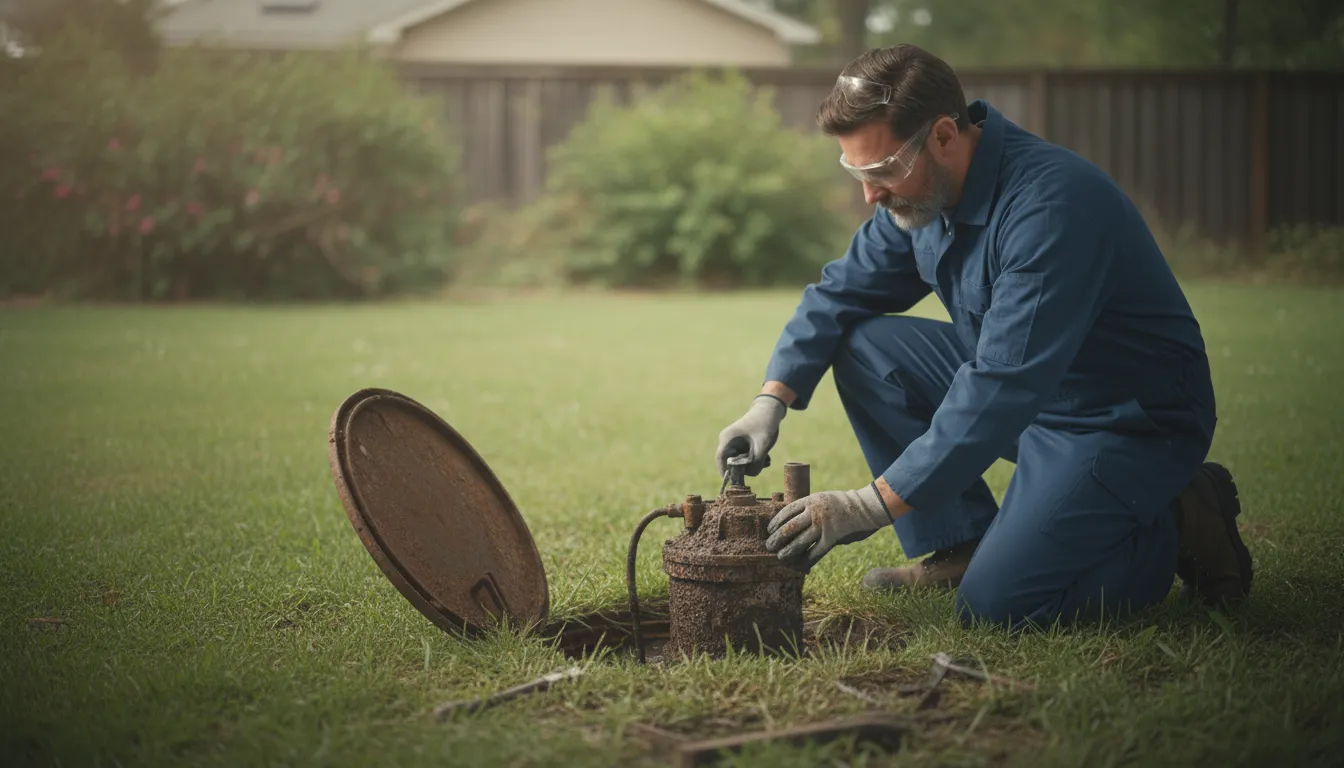
Find the Best Septic Pump Repair Companies for Your Business
No obligation • Fast responses • Nationwide coverage

Why you can trust Septic Spot
Septic Spot is a leading United States resource for understanding and comparing septic services. Our editors review providers using consistent criteria and verify key business details. Listings and scores are independent, and companies cannot pay to influence our content.
Search providers near you
Top Septic Pump Repair Companies in Yonkers, New York Ranked
A failing septic pump or system can bring your household to a standstill, posing health risks and potential property damage. For Yonkers homeowners, navigating septic system issues requires understanding the unique local landscape-from rocky soil to strict county regulations. This guide explains the critical aspects of septic pump repair and full system replacement, helping you recognize problems, understand the process, and find qualified local specialists to restore your home's essential wastewater management.
The Pump Guys Pump & Motor Specialist
1177 6th Ave 5th floor, New York, NY 10036
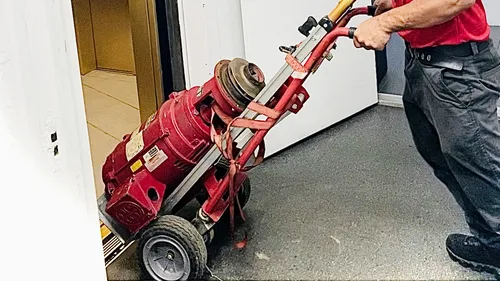
The Pump Guys Pump & Motor Specialist provides pump repair, rebuild, and maintenance services in New York, NY. They handle a wide range of pumps including industrial, commercial, residential, and marine types, along with alarm signals and controls. Their expertise covers troubleshooting, diagnosing, and servicing major pump brands to ensure proper operation.
Emergency Sewer & Drain Service, Inc.
75 Virginia Rd, White Plains, NY 10603
Emergency Sewer & Drain Service, Inc. provides septic pump repair and replacement services in New York, NY. Based in White Plains, they serve clients across Westchester County, NY, and Fairfield County, CT. The company offers a wide range of plumbing and drainage services, including pump repairs, main sewer line repair, and flooded basement pumping. Established in 1984, they bring over four decades of experience to both residential and commercial systems. They are available 24 hours a day, seven days a week to address urgent plumbing needs.
Citywide Grease Trap Maintenance | Cesspool Pumping Service Long Island
110 Voice Rd, Carle Place, NY 11514
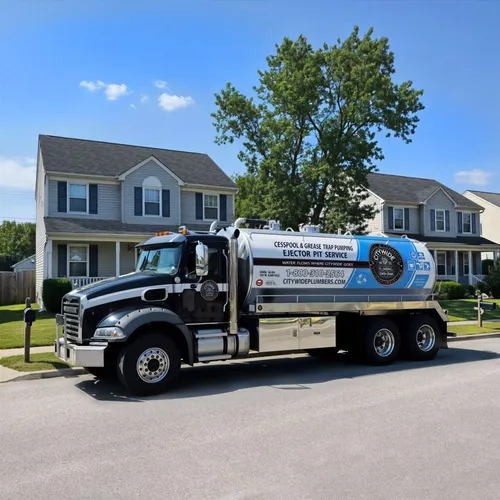
Citywide Grease Trap Maintenance | Cesspool Pumping Service Long Island provides septic and cesspool pumping, inspection, repair, and installation services in New York, NY. Serving both residential and commercial clients, they offer comprehensive maintenance and cleaning to prevent system failures. Their skilled technicians use advanced equipment for installations and repairs, including grease trap pumping and sewage ejector pit services. With over 65 years of experience, Citywide operates 24/7 to address emergency needs promptly.
A & A Systems Control Inc
47 Larkin St Unit 5 A, Stamford, CT 06907
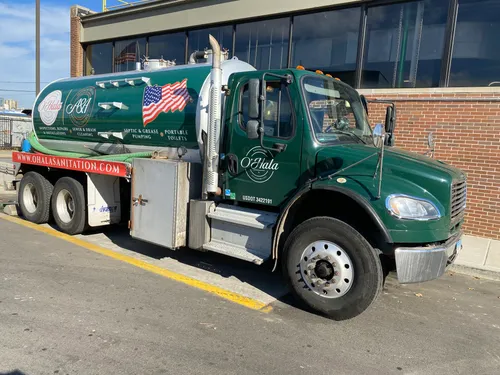
A & A Systems Control Inc is a family-owned septic and excavating services company based in Stamford, CT. They provide a full range of septic system services including pumping, inspections, repairs, installations, and drain cleaning for residential and commercial clients. Their expertise extends to excavation, drainage solutions, grease trap cleaning, and percolation testing, serving Stamford and nearby communities such as Greenwich, Darien, and New Canaan. The company offers 24/7 availability and emphasizes routine maintenance plans to minimize emergencies and system backups. With a background in utility construction, A & A Systems Control Inc combines technical knowledge with local service to support well-maintained septic systems.
Al Dexter Septic & Drainage
New York, NY
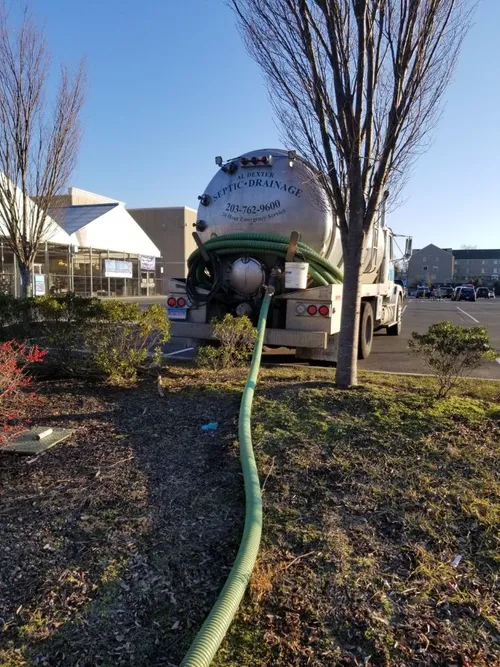
Al Dexter Septic & Drainage is a septic service provider located in New York, NY. They offer a range of services including septic tank cleaning, installation, inspection, and repair. Their capabilities include jetting and snaking lines, camera inspections, odor testing, and pump repair or replacement. The company also handles grease trap cleaning and dry well pumping, providing comprehensive septic system maintenance and repair solutions.
Understanding Your Septic System's Components
Before diving into repairs, it's helpful to know the key parts of a typical septic system. The septic tank is a buried, watertight container that holds wastewater from your home. Solids settle to the bottom as sludge, while oils and grease float to the top as scum. The liquid effluent then exits the tank into the drain field (or leach field) for final soil treatment. In many Yonkers homes, especially those with basements or where the drain field is uphill from the tank, a septic pump (or effluent pump) is essential. This pump moves the treated liquid from the tank to the drain field. Other critical components include float switches that activate the pump and a control panel 1.
When any part of this system fails, from a burnt-out pump motor to a collapsed drain field, timely intervention by a licensed professional is crucial to prevent sewage backups and environmental contamination.
Common Signs You Need Septic Pump Service or System Repair
How do you know if you're facing a simple pump repair or a major system failure? Watch for these warning signs:
- Slow Drains and Gurgling Sounds: Sinks, showers, and toilets that drain slowly or make gurgling noises can indicate a full tank or a pump struggling to move effluent.
- Sewage Backups: The most alarming sign is wastewater backing up into household drains. This often points to a severe blockage or pump failure.
- Unpleasant Odors: Foul smells around the tank or drain field area suggest a leak or that the system is not processing waste properly.
- Soggy Lawn or Lush Grass: An unusually wet, spongy, or overly green patch of grass over the drain field can signal a leak or hydraulic failure, meaning effluent is surfacing.
- Alarm Sounds: Many modern systems have an alarm that sounds when the pump fails or water levels in the tank are too high.
If you notice any of these issues, it's time to call for a professional inspection. Ignoring them can lead to more extensive and costly damage 2.
Why Yonkers Presents Unique Septic Challenges
Yonkers and the broader Westchester County area have specific geographical and regulatory factors that directly impact septic system work.
- Soil Composition: The local soil is often rocky or heavy with clay. Clay soil has very slow permeability, which hinders drainage and can cause drain fields to fail. Rocky soil requires specialized excavation equipment, increasing labor time and costs for both repairs and new installations.
- High Water Tables: Properties in lower-lying areas of Yonkers may have a high water table, especially seasonally 3. This can flood conventional drain fields, rendering them ineffective. It often necessitates the use of watertight tanks and more advanced, elevated mound systems to keep the drain field above the saturated soil.
- System Types: Due to these conditions, many local homes cannot use simple gravity-fed systems. Alternative systems, such as aerobic treatment units (ATUs) or the aforementioned mound systems, are frequently required. These systems are more complex, have higher installation costs, and require more diligent maintenance.
- Strict Local Regulations: Westchester County has stringent health department codes governing septic systems to protect groundwater and the nearby Hudson River watershed. Any significant repair or full replacement requires obtaining the proper permits before work begins. Professionals familiar with these codes are essential for a compliant installation.
The Step-by-Step Process for Repair or Replacement
Whether you need a new pump or a whole new system, the process follows a structured path.
- Inspection and Diagnosis: A licensed professional will first inspect the entire system. This may involve locating the tank, checking pump operation, assessing the drain field, and often using a camera to inspect pipes. This diagnosis determines if repair is possible or if replacement is necessary.
- Permitting: For all but the most minor component swaps, a permit from the Westchester County Health Department is required. Your service provider will typically handle this, submitting system plans and soil test results (perk tests) for approval.
- The Repair or Replacement Work:
- Pump/Component Repair: This involves replacing the faulty part, such as the effluent pump, float switches, or control panel. The old component is disconnected, and the new one is installed and tested 4.
- Full System Replacement: This is a major excavation project. The old tank and drain field are safely pumped out and excavated. The new, often larger or more advanced system is then installed according to the permitted plans. For challenging sites, this may involve bringing in special sand and gravel to construct a mound system.
- Backfill and Restoration: Once the new tank and piping are in place and inspected, the area is backfilled. The contractor will then restore your landscaping as much as possible, reseeding grass or replanting affected areas.
Find the perfect septic pump repair companies for your needs
Get personalized recommendations and expert advice
Cost Factors for Septic Services in Yonkers
Costs can vary widely based on the scope of work and your property's specifics. Here's a general breakdown based on regional data:
- Septic Pump or Component Replacement: Repairing or replacing just the pump and its associated controls typically ranges from $250 to $1,000 for the part, with total service costs for a pump system overhaul often falling between $800 and $5,000 5 6.
- Septic Tank Replacement: Installing a new 1,000-1,500 gallon tank can cost between $5,000 and $15,000, depending on material (concrete is common) and excavation difficulty.
- Drain Field Repair or Replacement: Fixing or replacing a failed leach field is a significant expense, generally ranging from $3,000 to $15,000 7.
- Full System Replacement: For a complete new conventional system, expect costs from $10,000 to $25,000. If your Yonkers property requires an advanced alternative system like a mound or aerobic unit, the price can jump to $15,000 to $40,000 or more8 9 10.
Additional factors that influence cost: The accessibility of your yard (steep, wooded, or rocky lots cost more), the need for engineered designs, and local permit fees can all add to the final price 11.
Maintenance: The Best Defense Against Costly Repairs
The most effective way to avoid a major septic system crisis is through regular maintenance. For Yonkers households, this primarily means routine septic tank pumping. Experts recommend pumping your tank every 3-5 years, depending on household size and usage. This service, which typically costs $300-$600, removes accumulated solids before they can clog and destroy your drain field 12 13. Think of it as essential, preventative healthcare for your property's wastewater system.
Choosing a Local Septic Service Provider
Selecting the right professional is critical. Look for a contractor who is:
- Licensed and Insured for septic work in New York State and Westchester County.
- Experienced with Local Conditions and familiar with the permit process for Yonkers.
- Transparent in Communication, providing detailed written estimates and explaining the recommended solution.
- Equipped for the Job, with the right machinery to handle rocky or difficult terrain.
Always ask for references and verify they will handle all necessary permits and post-installation inspections.
Frequently asked questions
Sources
Footnotes
-
Septic Systems and Their Maintenance | NC State Extension Publications - https://content.ces.ncsu.edu/septic-systems-and-their-maintenance ↩
-
A Homeowner's Ultimate Guide to Septic Replacement or Repair - https://excavationplus.net/septic/a-homeowners-ultimate-guide-to-septic-replacement-or-repair-everything-you-need-to-know/ ↩
-
Septic vs. Sewer: What Every Homeowner Should Know - https://bluecollars.com/blog/septic-vs-sewer-what-every-homeowner-should-know/ ↩
-
#1 Septic Services in Yonkers, NY, With 220+ 5-Star Reviews - https://www.fredcook.com/septic-services-yonkers/ ↩
-
Septic Repair vs. Replacement: A Guide to Costs & Red Flags - https://prosepticri.com/septic-repair-vs-replacement-guide/ ↩
-
How Much Does Septic Tank Repair Cost? [2026 Data] | Angi - https://www.angi.com/articles/how-much-does-repairing-septic-tank-cost.htm ↩
-
Expert Septic Tank Repair and Replacement Services - https://www.unitedsewerservice.com/septic-tank-repair-and-replacement-services/ ↩
-
Expert Hudson Valley Septic Tank Installation - HV Ground Solutions - https://hvgroundsolutions.com/services/expert-hudson-valley-septic-tank-installation/ ↩
-
A Look Into the Expectations and Cost of a Septic Field Replacement in Chappaqua, NY - Santucci Construction - https://www.santucciconstruction.com/blog/a-look-into-the-expectations-and-cost-of-a-septic-field-replacement-in-chappaqua-ny ↩
-
How Much Does Septic System Replacement Cost? - https://proguardplans.com/how-much-does-septic-system-replacement-cost/ ↩
-
Septic Tank Replacement Explained: Costs, Lifespan, And ... - https://www.theseptictankman.com/blog/septic-tank-replacement-explained-costs-lifespan-and-what-to-expect ↩
-
Cost Of Septic System Restoration Vs Septic System Replacement - https://www.aero-stream.com/cost-of-septic-system-restoration-vs-septic-system-replacement/ ↩
-
The Importance of Regular Septic Tank Pumping - https://reddirtseptic.com/the-importance-of-regular-septic-tank-pumping/ ↩