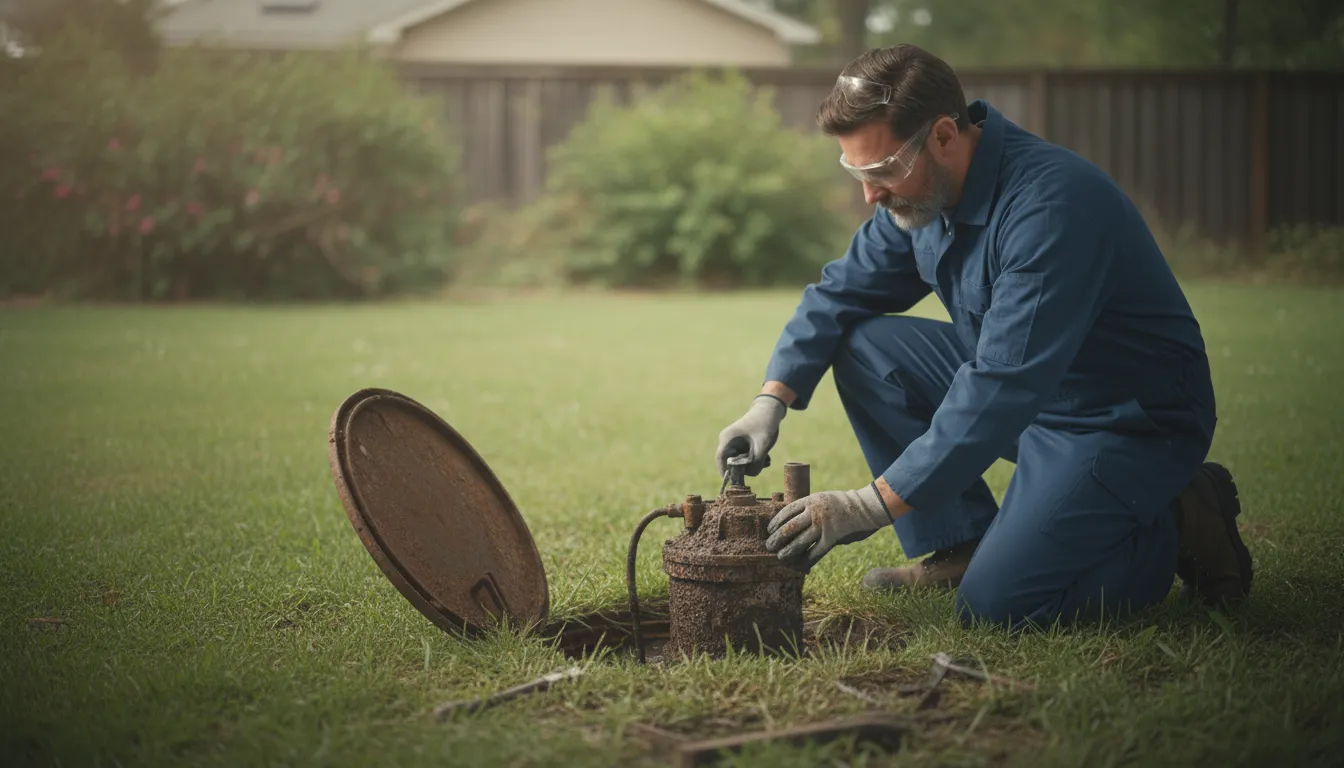
Find the Best Septic Pump Repair Companies for Your Business
No obligation • Fast responses • Nationwide coverage

Why you can trust Septic Spot
Septic Spot is a leading United States resource for understanding and comparing septic services. Our editors review providers using consistent criteria and verify key business details. Listings and scores are independent, and companies cannot pay to influence our content.
Search providers near you
Top Septic Pump Repair Companies in Charleston, South Carolina Ranked
Maintaining a functional septic pump is critical for any home in Charleston not connected to the municipal sewer. When a sewage ejector or grinder pump fails, it can lead to backups, unpleasant odors, and potential environmental issues, especially given the area's unique coastal conditions. This guide explains what septic pump service involves, why local soil and regulations matter, and how you can find qualified professionals to diagnose, repair, or replace your system's crucial components.
Understanding Charleston's Unique Septic Challenges
Charleston's picturesque lowcountry environment presents specific hurdles for septic system performance. The combination of a high water table, frequent wet conditions, and varied soil types means that a one-size-fits-all approach to septic pump maintenance doesn't work here. Understanding these factors is the first step in addressing any pump-related issue.
- High Water Tables & Clay Soils: Many areas in and around Charleston have a naturally high water table, especially in low-lying regions. This is often coupled with dense, slow-draining clay soils. These conditions can saturate a drain field, making it difficult for effluent to percolate. Systems in these areas often require specialized engineered solutions, such as elevated drain fields or pressure-dosed systems, which rely heavily on functional pumps to operate correctly 1.
- Sandy Soil Considerations: While less common in some parts, sandy soil allows for rapid drainage 2. This can be beneficial but may also lead to premature clogging of the drain field as solids move through the system too quickly. Pump failures in sandy soil systems might be easier to access and repair, but the root cause often ties back to overall system overload.
- Prevalence of Advanced Systems: Due to these environmental factors, simple gravity-fed septic systems are less common. Many Charleston homes utilize pressure-dosed systems, aerobic treatment units (ATUs), or systems with grinder pumps 3. These advanced systems are more efficient in challenging soils but are also more mechanically complex and sensitive to pump and electrical control failures, often requiring more technical and specialized repair expertise.
Common Septic Pump Services and Repairs
When you suspect a problem with your septic system's pumping component, a professional will typically follow a diagnostic and repair process. Here are the most common services related to sewage ejector pump and grinder pump repair in Charleston.
- Inspection and Diagnostics: The first step is always a thorough inspection to pinpoint the issue. This can involve checking for pump failure, malfunctioning float switches, tripped circuit breakers, or faults in the alarm panel. A proper diagnosis prevents unnecessary repairs and costs.
- Pump Replacement or Repair: This is the core service. A submersible sewage pump that has burned out or failed will need to be pulled from the tank or wet well and replaced. Grinder pumps, which macerate solids, are more expensive to replace but are sometimes necessary for specific system types.
- Control Panel and Alarm Repair: The electrical brains of the operation, the control panel and high-water alarm, are critical for system automation and warning you of problems. Repairing faulty wiring, switches, or alarm sirens is a common fix.
- Site Evaluation and Permitting: For any major repair or replacement, compliance with South Carolina Department of Health and Environmental Control (SC DHEC) regulations is mandatory. Reputable providers will handle or guide you through any necessary permitting to ensure your system meets all environmental standards.
Find the perfect septic pump repair companies for your needs
Get personalized recommendations and expert advice
What Influences Repair and Replacement Costs?
The cost for septic pump servicing in Charleston can vary widely based on the system type, the extent of the problem, and the required parts. Below is a general overview of potential cost ranges, though always seek a detailed, written estimate from your service provider.
- Standard Sewage Pump Replacement: Replacing a standard submersible effluent or sewage ejector pump typically ranges from $800 to $3,000, including labor and parts. The final cost depends on pump horsepower, brand, and accessibility.
- Grinder Pump Replacement: Found in many low-pressure dose systems, grinder pump units are more complex and fall on the higher end of the replacement cost spectrum, often exceeding $3,000 4.
- Electrical Control Repair: Fixing issues with the alarm panel, float switches, or wiring generally costs between $200 and $500.
- Emergency Service Fees: For after-hours or urgent calls, you can expect a premium trip charge, often starting around $200 or more, on top of the repair costs.
- Additional Component Repair: Other repairs, such as fixing or replacing tank baffles or effluent filters, can add $300 to $1,200 to the total bill 5.
Proactive Maintenance to Avoid Costly Repairs
Regular maintenance is the most effective way to avoid sudden and expensive pump failures and septic system repairs. A proactive approach saves money and stress in the long run.
- Schedule Regular Inspections: Have your entire septic system, including the pump, float switches, and alarm, inspected by a professional at least every two to three years 6. For systems with ATUs or grinder pumps, annual servicing may be recommended.
- Practice Smart Drain Habits: Avoid pouring fats, oils, grease, harsh chemicals, or non-biodegradable items down your drains. These can clog pumps, disrupt the bacterial balance in the tank, and damage components.
- Ensure Easy Access: Install risers on your septic tank and pump chamber if they are buried deep. This provides much easier and cheaper access for routine inspection and pump service, potentially saving hundreds of dollars in digging costs later.
- Listen to Your Alarm: If your system's high-water alarm sounds, address it promptly. It is a warning that the pump has failed or the water level is too high, preventing a raw sewage backup into your home.
Navigating Local Regulations and Choosing a Provider
All significant septic work in Charleston County requires awareness of SC DHEC guidelines. A qualified local professional will be familiar with the permit process for repairs and replacements, ensuring your system remains compliant 7. When searching for service, look for companies with specific experience in Charleston's soil conditions and with the type of system you have (e.g., pressure-dosed, aerobic). Verify they are licensed and insured, and don't hesitate to ask for references or details about their diagnostic process.
Frequently asked questions
Sources
Footnotes
-
What You Should Know About Septic Systems - https://jadeengineering.biz/septic-systems-birmingham/ ↩
-
How Soil Type Affects Septic System Performance - https://www.septicblueraleigh.com/how-your-soil-determines-your-septic-systems-success.html ↩
-
Basics for Septic Systems in Upstate SC - https://carolinacountrysideproperties.com/septic-systems-in-upstate-sc/ ↩
-
Understanding the Costs of Replacing a Septic Tank and Other Components - https://www.scorpionsepticservices.com/blog/understanding-the-costs-of-replacing-a-septic-tank ↩
-
Septic Repair vs. Replacement: A Guide to Costs & Red Flags - https://prosepticri.com/septic-repair-vs-replacement-guide/ ↩
-
Septic Systems and Their Maintenance - https://content.ces.ncsu.edu/septic-systems-and-their-maintenance ↩
-
Septic Tanks - Residential, Single Home Builder - https://des.sc.gov/permits-regulations/septic-tanks/permits-licenses/septic-tanks-residential-single-home-builder ↩