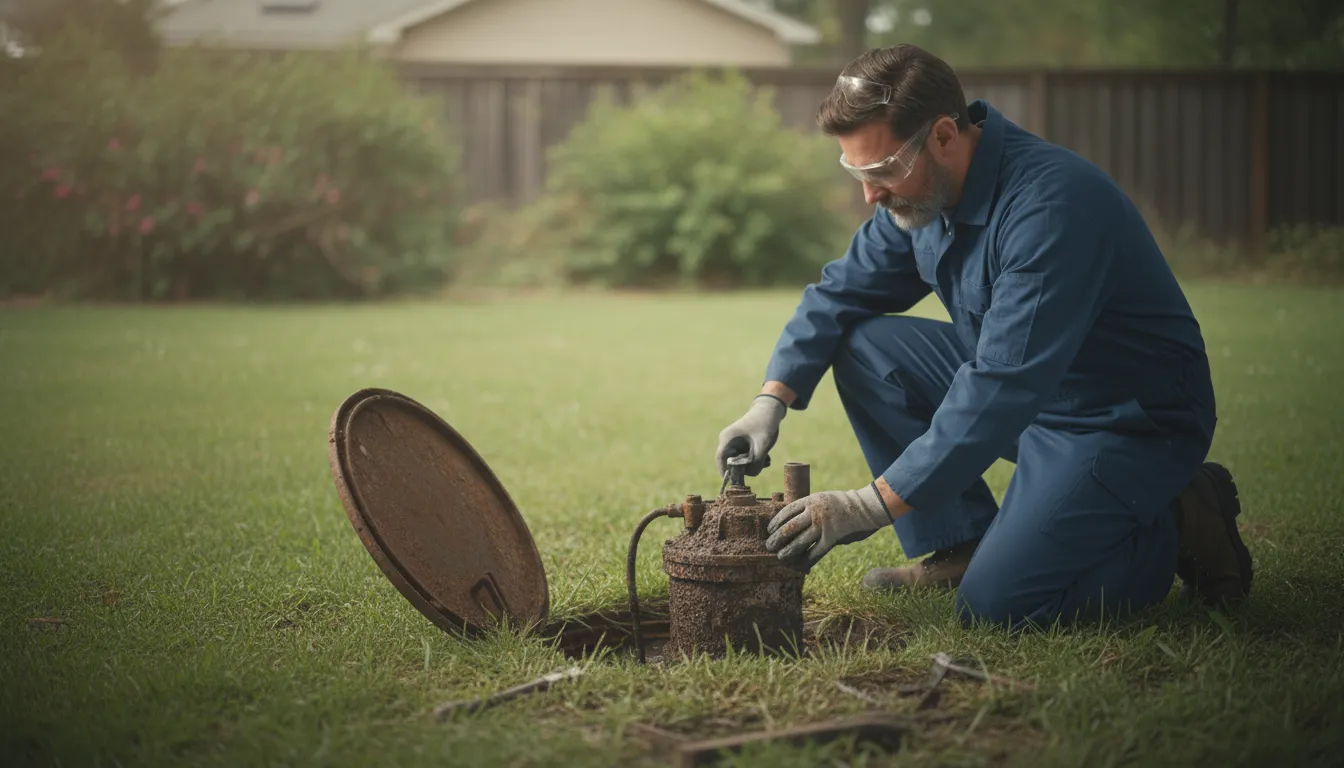
Find the Best Septic Pump Repair Companies for Your Business
No obligation • Fast responses • Nationwide coverage

Why you can trust Septic Spot
Septic Spot is a leading United States resource for understanding and comparing septic services. Our editors review providers using consistent criteria and verify key business details. Listings and scores are independent, and companies cannot pay to influence our content.
Search providers near you
Top Septic Pump Repair Companies in Columbia, South Carolina Ranked
When your septic system's pump fails, it's more than an inconvenience-it's a potential health hazard and a threat to your property. Septic pump repair and replacement services are critical for maintaining a functional wastewater system, especially in Columbia's unique soil conditions. This guide explains what these services entail, why local expertise is essential, and how you can find qualified professionals to diagnose and fix your system efficiently.

Superior Vac & Septic LLC
109 Hollow Tree Ct, Lugoff, SC 29078
Superior Vac & Septic LLC is a veteran-owned business based near Columbia, SC, offering septic tank pumping, inspections, and system repairs. They serve Kershaw County and surrounding areas with services including septic tank cleaning, mainline hydro-jetting for clog and root removal, pump replacement, lift station cleaning, and camera inspections. The company operates 24/7 to provide continuous support for septic system needs.
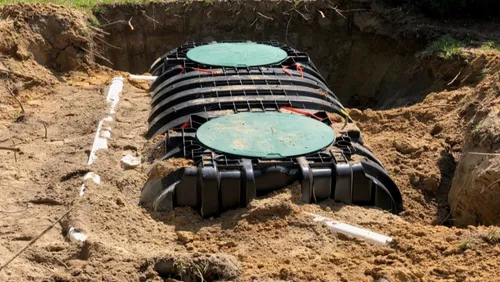
C.E. Taylor & Son Inc
128 Taylor Ln, Lexington, SC 29073
C.E. Taylor & Son Inc is a full-service septic tank company serving Augusta, GA. They provide residential and commercial septic tank pumping, inspection, repair, installation, and maintenance. Their services include drain field repair or replacement, grease trap pumping, high-pressure jetting, and sewer line repairs. With decades of experience, they use current techniques and quality products to address various septic system issues. The company is also available for emergency septic tank services.
Sharpe's Septic Tank & Well Drilling Service LLC
3660 Fish Hatchery Rd, Gaston, SC 29053
Sharpe's Septic Tank & Well Drilling Service LLC provides septic system installation, inspection, pumping, repair, and maintenance services in Augusta, GA. The company also handles grease interceptors, sewer lift stations, and drain field repairs. With over 50 years of experience since 1966, Sharpe's follows state specifications and offers a range of services including septic system installation, pump repair, and septic inspections. The business is licensed, bonded, and insured, serving both residential and commercial clients in the area.
Understanding Your Septic System's Pump
The pump, often called a lift station or effluent pump, is the heart of many modern septic systems. Its job is to move wastewater from the septic tank to the drainfield. In gravity-fed systems, this isn't necessary, but in homes where the drainfield is at a higher elevation than the tank, or in systems using a low-pressure pipe (LPP) design, a functional pump is non-negotiable. When it stops working, wastewater can back up into your home or pool on your property. Recognizing the signs of pump failure early-like alarms sounding, soggy ground around the drainfield, or slow drains-can prevent more extensive and costly damage.
Why Columbia's Environment Demands Specialized Service
Columbia isn't just any city when it comes to septic work. The local geology and regulations directly impact every repair and replacement job.
The Clay Soil Challenge: Much of the Columbia area features dense clay soils, which drain very slowly 1. This poor percolation rate is a leading cause of premature drainfield failure. It also means that when repairs are needed, the solutions often go beyond a simple fix. Technicians may need to design specialized drainfield solutions or recommend engineered systems, like aerobic treatment units, to compensate for the soil's limitations 1.
Regulatory Landscape: In South Carolina, the Department of Health and Environmental Control (DHEC) oversees all septic system work. A permit from SC DHEC is required for most repairs and any component replacements. This isn't just red tape; it ensures the work protects public health and groundwater. Furthermore, wet weather can delay projects, as DHEC inspectors may not be able to evaluate a site if the soil is too saturated. A knowledgeable local provider will navigate these permit processes and weather-related scheduling issues seamlessly.
Common System Types and Their Repair Needs
Knowing what kind of system you have helps understand potential repair issues. In Columbia and the Midlands, you'll typically encounter:
- Gravity-Fed Systems: These rely on slope to move effluent. Repairs here often focus on the tank itself (baffles, risers) or the drainfield lines.
- Pump/Grinder Systems: These use a pump to move effluent. A grinder pump, which macerates solids, is common and more expensive to repair or replace than a standard effluent pump.
- Low-Pressure Pipe (LPP) Systems: These use a pump and a network of small-diameter pipes to distribute effluent evenly across the drainfield. Pump failure here halts the entire system.
- Engineered Systems: For sites with high water tables or very poor soil, more complex systems like aerobic treatment units or mound systems are installed. These require specialized maintenance and repair expertise.
The Step-by-Step Repair and Replacement Process
When you call a professional for septic pump service, a structured process ensures a safe, code-compliant resolution.
- Inspection and Diagnosis: A licensed technician will first determine the root cause. Is it a burned-out pump motor, a faulty float switch or control panel, a clogged pipe, or a sign of broader drainfield failure? Accurate diagnosis prevents unnecessary costs 2.
- Permitting: For any major repair or pump replacement, your provider will secure the necessary SC DHEC permit before work begins 3.
- Excavation and Repair/Replacement: The technician will excavate to access the pump chamber or tank. They may replace the pump, repair or replace corroded risers and baffles, or clear/repair clogged lateral lines.
- System Inspection and Testing: Once the work is complete, the system is tested. In many cases, a DHEC representative will inspect the work to ensure it meets state code 4.
- Site Restoration: The excavation area is backfilled and compacted. Final restoration, like re-sodding or reseeding, is often needed to return your yard to its original condition.
Find the perfect septic pump repair companies for your needs
Get personalized recommendations and expert advice
What Determines the Cost of Service?
The cost for septic pump repair and replacement in Columbia varies widely based on the problem's complexity and the required materials. Here's a breakdown of typical price ranges based on local and regional data:
- Septic Pump Replacement: Replacing a standard effluent pump typically costs between $800 and $3,000. Grinder pump replacements are on the higher end of this range or exceed it.
- Baffle or Riser Repair: Fixing or replacing damaged tank baffles or installing new risers for easier access generally ranges from $300 to $1,200 5.
- Lateral Line or Drainfield Repair: Addressing problems in the drainfield itself is more invasive. Spot repairs can cost $1,500 to $5,000, while extensive drainfield repairs can reach $15,000.
- Full System Replacement: When a system is beyond repair, full replacement is necessary. In Columbia, this major project can range from $10,000 to over $40,000, depending on system type and site conditions 6 7.
- Minor Repairs: Fixing issues like a stuck float switch or a clogged pipe may cost between $500 and $2,000 8 9.
It's important to get detailed estimates, as additional costs for permits, mandatory inspections, and complex excavation in difficult soils can add $1,500 to $7,000 or more to a project 10. Local specialists, such as those with decades of experience in the Midlands, are best equipped to provide accurate quotes that account for these variables 11.
Maintaining Your System to Avoid Major Repairs
The best repair is the one you never need. Proactive maintenance is key, especially in demanding clay soils.
- Regular Pumping: Have your septic tank pumped every 3-5 years, or more frequently if recommended by a professional based on your household size and usage 12.
- Conserve Water: Reducing water flow into the system lessens the strain on the pump and drainfield.
- Mind What You Flush: Only human waste and toilet paper should go down the drain. Avoid chemicals, grease, and non-biodegradable items.
- Protect the Drainfield: Never drive or park over it, and keep rainwater drainage systems directed away from the area.
Choosing the Right Service Provider in Columbia
Selecting a qualified professional is crucial. Look for a provider with:
- Proper Licensing: Ensure they are licensed by the state of South Carolina to perform septic work.
- Local Experience: Choose a company familiar with DHEC regulations and the specific soil challenges of the Midlands 13.
- Detailed Estimates: A reputable technician will provide a clear, written estimate that breaks down labor, parts, permit fees, and restoration costs.
- Good Communication: They should explain the problem, the proposed solution, and the permitting process clearly.
Frequently asked questions
Sources
Footnotes
-
How Soil Type Affects Septic System Performance - https://www.septicblueraleigh.com/how-your-soil-determines-your-septic-systems-success.html ↩ ↩2
-
Be Septic Safe: Septic Failures | Home & Garden Information Center - https://hgic.clemson.edu/factsheet/be-septic-safe-septic-failures/ ↩
-
Septic Connectionsin Columbia, SC - Merritt Plumbing - https://merrittsc.com/services/septic-connections/ ↩
-
Septic Tanks - Residential, Single Home Builder - https://des.sc.gov/permits-regulations/septic-tanks/permits-licenses/septic-tanks-residential-single-home-builder ↩
-
Cost Of Septic System Restoration Vs Septic System Replacement - https://www.aero-stream.com/cost-of-septic-system-restoration-vs-septic-system-replacement/ ↩
-
Cost to Replace Septic Tank and Drain Field [2026 Data] | Angi - https://www.angi.com/articles/how-much-new-drain-fields-foot.htm ↩
-
How Much Does Failed Septic System Cost? - https://www.septicconnection.com/how-much-does-failed-septic-system-cost ↩
-
Septic Repair vs. Replacement: A Guide to Costs & Red Flags - https://prosepticri.com/septic-repair-vs-replacement-guide/ ↩
-
Basics for Septic Systems in Upstate SC - https://carolinacountrysideproperties.com/septic-systems-in-upstate-sc/ ↩
-
Understanding the Costs of Replacing a Septic Tank and Other Components - https://www.scorpionsepticservices.com/blog/understanding-the-costs-of-replacing-a-septic-tank ↩
-
Sharpe's Septic Tank & Well Drilling - Serving the Midlands for 50 Years - https://www.sharpessepticandwelldrilling.com/ ↩
-
How Often Should You Pump Your Septic Tank in South Carolina? - https://moreheadsepticservices.com/how-often-should-you-pump-your-septic-tank-south-carolina/ ↩
-
Residential Septic Tank Installation - WeCo Rooter | Columbia, SC - https://wecorooter.com/septic-service/residential-septic-tank-installation/ ↩