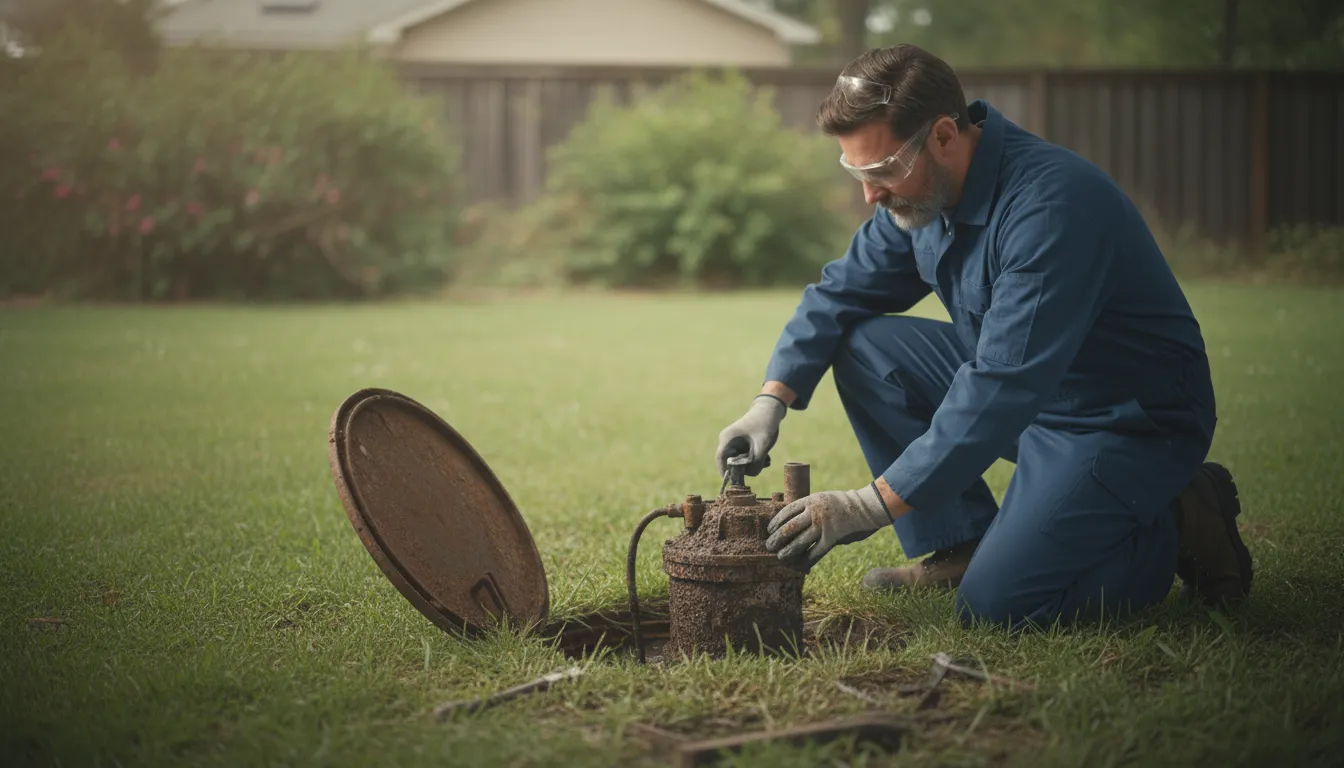
Find the Best Septic Pump Repair Companies for Your Business
No obligation • Fast responses • Nationwide coverage

Why you can trust Septic Spot
Septic Spot is a leading United States resource for understanding and comparing septic services. Our editors review providers using consistent criteria and verify key business details. Listings and scores are independent, and companies cannot pay to influence our content.
Search providers near you
Top Septic Pump Repair Companies in Arlington, Texas Ranked
When your septic system's pump fails, it's more than an inconvenience-it's a critical issue that can lead to backups, property damage, and environmental hazards. Septic pump repair and replacement services are essential for maintaining the health and functionality of your onsite sewage facility (OSSF). For Arlington homeowners, navigating the complexities of local soil conditions, Texas regulations, and system types is key to a successful fix. This guide provides the detailed information you need to understand the process, costs, and local considerations for septic pump services, helping you connect with qualified local professionals.
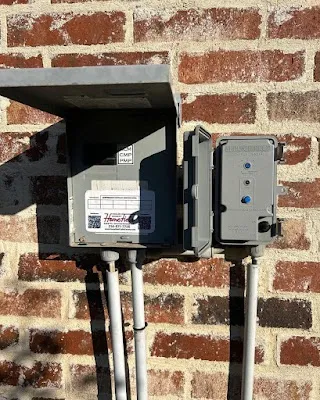
HomeField Parker County
617 Pine St, Aledo, TX 76008
HomeField Parker County is a septic service provider based in Fort Worth, TX, offering comprehensive septic system solutions for both residential and commercial clients. Their services include septic tank pumping, inspections, repairs, installations, drain field replacement, and system design. They also provide real estate septic inspections and maintenance plans to help customers stay compliant with local regulations. HomeField Parker County serves Parker, Johnson, and Hood counties, bringing local expertise to every job. Their team is equipped to handle emergency septic repairs and routine maintenance, ensuring systems operate efficiently and meet current standards.
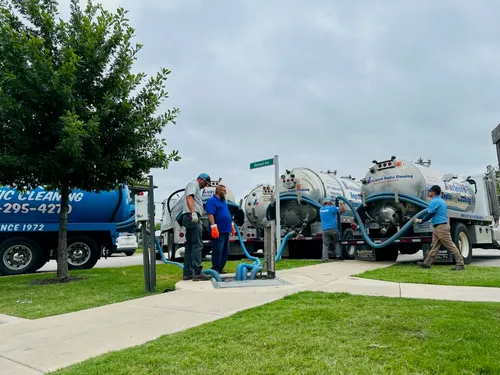
Burleson Septic Cleaning
2410 SW Hulen St, Burleson, TX 76028
Burleson Septic Cleaning is a family-owned septic service provider based near Dallas, TX, serving Tarrant and Johnson Counties. Since 1972, they have offered residential and commercial septic tank pumping, system cleaning, and repair services. Their team uses state-of-the-art commercial vacuum trucks and specializes in lift station maintenance and repair. With over 50 years of experience, Burleson Septic Cleaning provides true 24/7 emergency service with live operators to handle septic issues anytime.
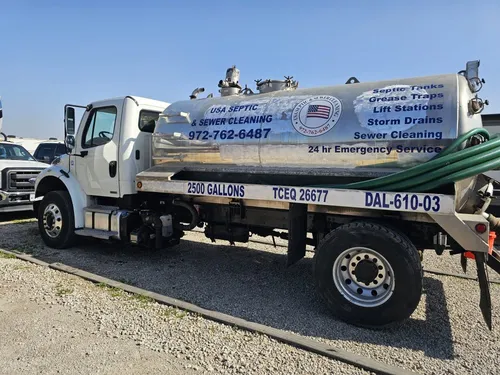
USA Septic and Sewer Cleaning
4661 Ray White Rd, Fort Worth, TX 76244
USA Septic and Sewer Cleaning is a licensed septic service provider based near Dallas, TX, serving Fort Worth, Keller, and Tarrant County. They offer septic tank pumping, inspection, system repair, lift station maintenance, and grease trap cleaning for residential and commercial clients. The company provides 24/7 emergency septic and lift station repair services to address backups, overflows, and pump failures promptly. Their team uses advanced equipment to maintain system efficiency and compliance, helping prevent costly repairs and blockages.
B2 Septic Services
9301 County Rd 519, Alvarado, TX 76009
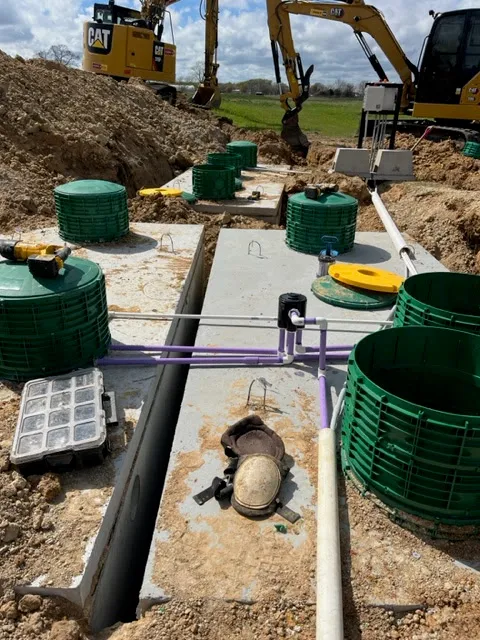
B2 Septic Services is a licensed septic system repair and installation company based near Dallas, TX. They provide septic tank installation, septic pump repair, and lift station services tailored to individual customer needs. Their licensed status allows them to handle a range of septic system solutions efficiently.
Texway Wastewater Services LLC
880 Prairie Timber Rd, Burleson, TX 76028
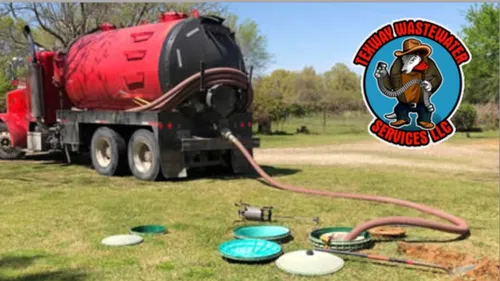
Texway Wastewater Services LLC is a septic service provider based in Dallas, TX, serving Johnson County. The company offers septic tank pumping, grease trap pumping, septic system inspections including video inspections, and septic system repairs and replacements. They operate with multiple high-capacity pump trucks and an excavator, enabling them to handle both routine maintenance and complex septic system issues. Texway Wastewater Services emphasizes maintaining and protecting septic systems to ensure efficient operation.
Understanding Your Septic Pump System
The pump is the heart of many modern septic systems, especially in areas like North Texas where soil conditions can challenge standard gravity-fed systems. Its primary job is to move effluent (liquid waste) from the septic tank to the drain field or to a specialized treatment unit. There are two main types of pumps you might encounter:
- Effluent Pumps: These move pre-treated liquid from a pump chamber to a drain field, often used in mound systems or when the drain field is at a higher elevation than the tank.
- Aerobic System Pumps: Common in Arlington, these systems use multiple pumps-one to circulate air (an air compressor or blower) and often another to pump treated effluent to a spray or drip irrigation field.
A failure in any of these components can halt your system's operation. Recognizing early signs, such as alarms sounding, slow drains, gurgling pipes, or soggy ground around the drain field, can help you address problems before they escalate into a full system failure.
Why Arlington's Soil Makes a Difference
The local geology in Arlington and surrounding Tarrant County significantly influences what type of septic system you have and, consequently, the nature of pump repairs. The area is known for its heavy clay soils, which have very poor drainage.
- Clay Soil Challenges: Because clay doesn't allow water to percolate quickly, traditional septic drain fields often fail. To compensate, many properties utilize aerobic treatment systems (ATS). These systems use oxygen-loving bacteria to break down waste more efficiently and then pump the treated effluent to a spray or drip field 1.
- Impact on Repairs: Repairing an aerobic system is typically more complex and costly than fixing a conventional gravity system. The repairs often involve sensitive electrical components like air compressors, control panels, and submersible pumps for drip irrigation 2. Technicians working on these systems require specific knowledge of their mechanical and electrical workings.
- Sandy Soil Areas: In the less common pockets of sandy soil, conventional systems with simpler pump configurations might be used, which generally involve more straightforward and less expensive repairs 3.
The Septic Pump Service Process: From Diagnosis to Completion
Professional septic pump repair or replacement follows a structured process to ensure safety, compliance, and long-term functionality.
- Inspection and Diagnosis: A licensed technician will first inspect the system. This involves checking the pump itself, the float switches that control its operation, the electrical controls and alarm panel, and the overall health of the tank and drain field. They will determine if a repair is sufficient or if a full pump replacement is necessary 4.
- Permitting: In Texas, many septic system repairs, especially those involving major components of an aerobic system, require a permit from the Texas Commission on Environmental Quality (TCEQ) or a delegated local authority. Your provider should handle this process, which ensures the work meets state health and environmental codes 5.
- Repair or Replacement Work: This is the core service. It may involve:
- Replacing a failed submersible effluent pump.
- Repairing or replacing float switches.
- Fixing electrical issues in the control panel.
- Replacing an air compressor or blower in an aerobic unit.
- Cleaning clogged filters or spray heads.
- Testing and Final Inspection: After the work is complete, the system will be tested to ensure it operates correctly. In some cases, a final inspection by the permitting authority may be required to close out the permit.
Find the perfect septic pump repair companies for your needs
Get personalized recommendations and expert advice
Cost Factors for Septic Pump Services in Arlington
Understanding the potential costs helps in planning and decision-making. Prices in Arlington are influenced by system type, the extent of the problem, and local soil conditions.
- Basic Pump or Float Switch Replacement: For a standard effluent pump repair, homeowners can expect costs ranging from $300 to $800 6.
- Aerobic System Repairs: Due to their complexity, repairs for aerobic system components like air pumps, control panels, or drip irrigation pumps can range from $800 to $5,000, heavily dependent on the specific part and labor involved.
- Tank Pumping/Cleaning: Often performed alongside repairs to assess the tank's condition, this service typically costs $200 to $600.
- Complete System Replacement: If the pump failure is symptomatic of a larger system collapse (like a failed drain field), a full septic system replacement may be necessary. In Arlington's clay soils, this often means installing an engineered aerobic system, with costs ranging from $8,000 to over $20,0007 8.
Note on Drain Field Issues: If the problem originates in the drain field, repair or replacement costs can add significantly to the project. Replacing a drain field in heavy clay can cost between $5,000 and $12,000 or more due to the need for advanced engineering 9 10.
Maintenance: Preventing Costly Pump Repairs
Proactive maintenance is the most effective strategy to avoid emergency pump repairs and extend the life of your entire septic system.
- Annual Maintenance Contracts: For aerobic systems, an annual maintenance contract is not just recommended-it's often essential. A professional will inspect and service the air pump, electrical components, spray heads, and chlorine tablets (if applicable) to keep everything running smoothly.
- Regular Pumping: Have your septic tank pumped every 3-5 years, depending on usage. A full tank can send solids into the pump chamber, causing clogs and rapid pump burnout.
- Mind What You Flush: Never flush non-biodegradable items (wipes, feminine products, grease) or harsh chemicals, which can damage pumps and disrupt the bacterial treatment process.
- Protect the Drain Field: Keep heavy vehicles and structures off the drain field area to prevent soil compaction and pipe damage.
Choosing a Service Provider in Arlington
Selecting the right professional is critical for a job that meets regulatory and quality standards.
- Licensing is Non-Negotiable: Always verify that the company or individual is a licensed OSSF installer in the state of Texas. They should be familiar with TCEQ regulations and local Arlington/Tarrant County requirements 11.
- Experience with Local Systems: Look for providers with specific experience repairing and replacing the types of aerobic and pump-assisted systems common in North Texas clay soils.
- Comprehensive Services: A good provider will offer full-service diagnostics, repair, replacement, and can assist with the permitting process from start to finish.
- Get Detailed Estimates: Before work begins, obtain a written estimate that details the diagnosis, proposed solution, parts, labor, and any potential permit fees.
Frequently asked questions
Sources
Footnotes
-
Aerobic Septic Systems vs. Conventional Septic Systems: A Comparison - https://www.ameritexseptic.com/aerobic-septic-systems-vs-conventional-septic-systems-a-comparison ↩
-
FAQ | Environmental Septic - https://www.septictx.com/beginners-guide-to-how-your-septic-system-works ↩
-
Types of Septic Systems Suitable for Texas - Weaver Excavating - https://weaverexcavating.net/types-of-septic-systems-suitable-for-texas/ ↩
-
Septic Pump Repair Service in Tucson - https://www.grossseptic.com/blog/septic-pump-repair-service-in-tucson/ ↩
-
Septic Permits - Environmental Control - Jefferson County TX - https://jeffersoncountytx.gov/env_cntrl/septicpermits.htm ↩
-
Septic Repair vs. Replacement: A Guide to Costs & Red Flags - https://prosepticri.com/septic-repair-vs-replacement-guide/ ↩
-
Septic Repair vs. Replacement: How to Decide What's Best for Your System - https://www.townesseptic.com/blog/septic-repair-vs-replacement ↩
-
Cost of a Septic System in Texas - https://dillonseptic.com/cost-of-a-septic-system-in-texas/ ↩
-
How Much Does It Cost to Replace a Septic System? - https://alphaenvironmental.net/blog/how-much-cost-replace-septic-system/ ↩
-
Septic System: Costs, Pros and Cons, FAQs Explained - https://www.maxrealestateexposure.com/septic-system-cost/ ↩
-
Getting a Permit for an OSSF - Such as a Septic System - https://www.tceq.texas.gov/permitting/ossf/ossfpermits.html ↩