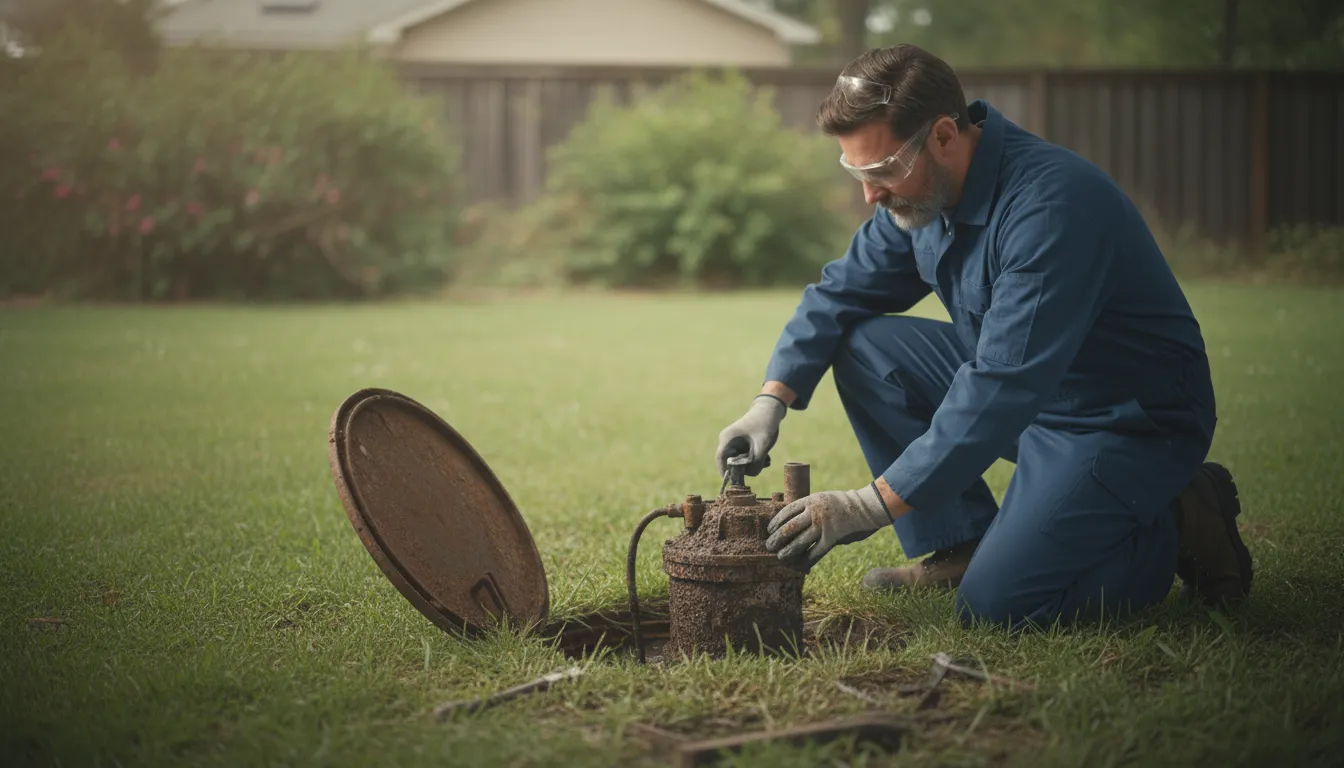
Find the Best Septic Pump Repair Companies for Your Business
No obligation • Fast responses • Nationwide coverage

Why you can trust Septic Spot
Septic Spot is a leading United States resource for understanding and comparing septic services. Our editors review providers using consistent criteria and verify key business details. Listings and scores are independent, and companies cannot pay to influence our content.
Search providers near you
Top Septic Pump Repair Companies in Round Rock, Texas Ranked
When your septic system's pump fails, it's more than an inconvenience-it's a threat to your home's sanitation and property value. Septic pump repair and replacement services are critical for maintaining the health of your onsite wastewater system, especially in Round Rock where unique soil conditions and common aerobic systems demand specialized knowledge. This guide will help you understand the local factors, processes, and costs involved, empowering you to find qualified professionals to restore your system's function.

Good Clean Plumbing - Cedar Park
720 S Bell Blvd Unit 5A, Cedar Park, TX 78613
Good Clean Plumbing - Cedar Park is a residential plumbing service provider based in Round Rock, TX. They offer a full range of plumbing services including septic pump repair and replacement, supported by licensed and experienced technicians using modern tools. The company has over 25 years of experience in residential plumbing, led by a Responsible Master Plumber. Their services come with industry-leading warranties and a satisfaction guarantee, reflecting their commitment to quality and customer care.
HomeField Williamson County
40203 Industrial Park Cir, Georgetown, TX 78626
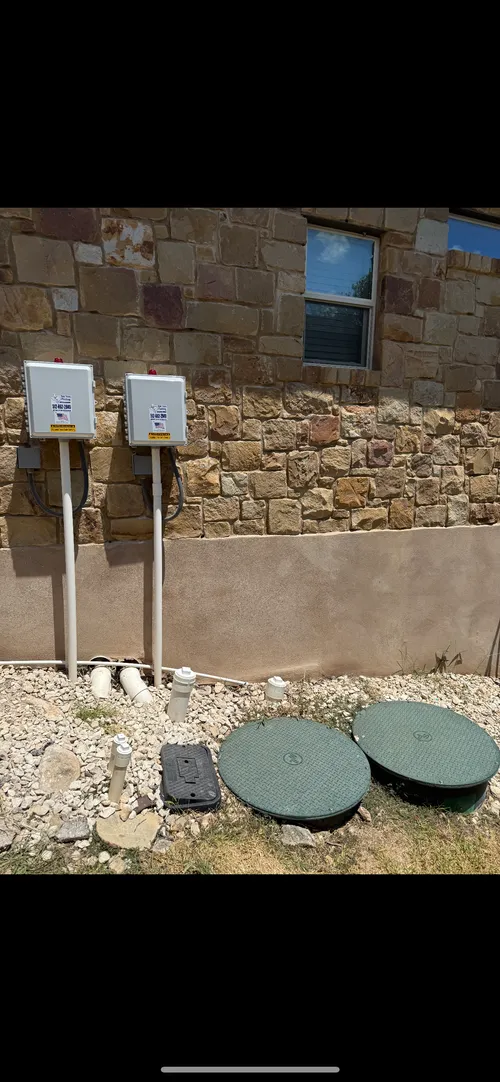
HomeField Williamson County provides comprehensive septic system services in Austin, TX, covering residential and commercial needs. Their offerings include septic tank pumping, inspections, repairs, installations, drain field replacements, and system design. The company emphasizes local expertise and proactive maintenance plans to help prevent future problems. They serve Williamson County with a team familiar with local regulations and conditions, ensuring septic systems meet current requirements. HomeField also offers various maintenance plans tailored to different levels of coverage and support.
Real Texas Plumbing - Heating and Air
20811 Dawn Dr UNIT #706, Lago Vista, TX 78645
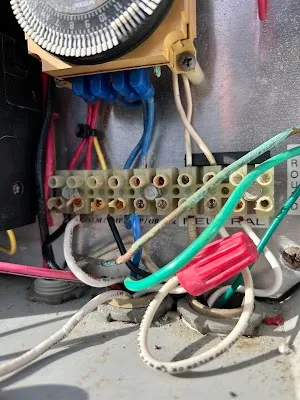
Real Texas Plumbing - Heating and Air is a septic system repair company based in Austin, TX. They specialize in septic pump repair and replacement, with a focus on diagnosing and fixing grinder pump and alarm issues. The company is known for identifying and addressing problems that other plumbers have missed, such as improper floaters and exposed wiring. Owner Efrain and his team provide clear explanations and practical solutions to septic system challenges.
Septic Service Experts
Austin, TX
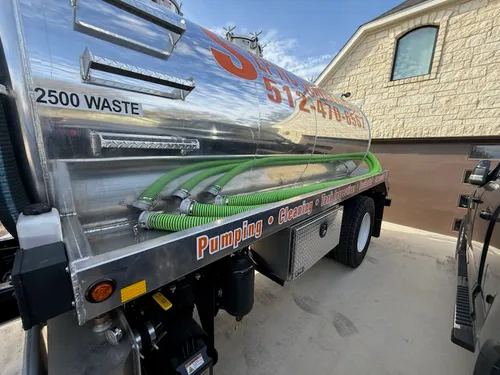
Septic Service Experts is a septic tank pumping, inspection, and repair company serving Austin, TX, and the surrounding Hill Country communities including Spicewood, Lakeway, Bee Cave, Dripping Springs, and Marble Falls. They specialize in maintaining residential septic systems, including advanced configurations such as grinder pumps common in lake-area and hillside homes. Their services include routine septic pumping, thorough system inspections tailored to local terrain, pump repair, and grinder pump installation. The team uses professional-grade equipment and follows a clear, methodical approach to ensure reliable system performance. Septic Service Experts operates with local knowledge and offers 24/7 availability to meet the needs of homeowners in this region.
Godinez Septics Inc
5407 Phillips Cir, Austin, TX 78734
Godinez Septics Inc is a family-owned septic system company serving Austin, TX, and the surrounding Lake Travis area. They provide a range of services including septic tank pumping, inspection, repair, installation, and drain field replacement. The company is licensed by TCEQ for septic system maintenance and installation, offering specialized services such as aerobic system maintenance contracts and hydro-jetting to clear sewer lines. With over 40 years of experience in the septic and excavation business, Godinez Septics is led by Orlando Godinez, a longtime local resident and licensed installer.
Understanding Your Septic Pump System
At the heart of many modern septic systems, particularly in areas like Round Rock, is the septic pump. This component is responsible for moving effluent (liquid waste) from the septic tank to the drain field or, in the case of aerobic systems, to a spray distribution area. Unlike simple gravity-fed systems, pumped systems are essential when the drain field is located uphill from the tank or when using advanced treatment technologies. Keeping this pump in working order is key to preventing backups, foul odors, and environmental contamination.
Common System Types in Round Rock
The type of system you have is the single biggest factor influencing repair needs and costs. Round Rock homeowners typically encounter two main setups:
- Aerobic Treatment Systems (ATS): Extremely common in the area, especially where soil percolation is poor. These systems use an electric pump to move effluent and often a separate blower to inject air into a treatment tank, fostering bacteria that break down waste more thoroughly. They frequently include a sprinkler system for dispersal. The pumps and blowers in these units are complex and require more frequent maintenance and repair, typically every 5-8 years.
- Traditional (Gravity) Systems with a Pump: Some homes with challenging topography have a standard septic tank but rely on a pump, often in a separate chamber, to lift effluent to a drain field at a higher elevation. The repair focus here is primarily on the pump itself and its associated controls.
How Local Geology Impacts Repairs
Round Rock's terrain isn't just scenic hills; it directly affects your septic service costs. The area is known for its heavy clay soil and shallow limestone bedrock 1. This geology presents specific challenges:
- Excavation Difficulties: Digging down to access a pump chamber or repair underground components is much more labor-intensive in solid rock or dense clay. This often translates to higher labor costs for any repair requiring excavation.
- System Design Constraints: The poor drainage of clay soil is a primary reason many homes require engineered aerobic systems with pumps and sprayers instead of simpler gravity systems. This inherently means more mechanical components that can fail.
- Installation Complexity: The initial difficulty of installing systems in rocky ground can sometimes influence how accessible components are for future repair or replacement.
The Repair and Replacement Process: What to Expect
A professional septic pump service follows a logical sequence to diagnose and fix the problem safely and effectively.
- Comprehensive Diagnosis: A technician won't just replace parts blindly. They will check the control panel for electrical faults, test pump pressure, inspect for clogs in the intake or discharge lines, and listen to the pump and blower operation. This step identifies whether a simple repair or a full replacement is needed.
- Tank Pump-Out: Before any work inside the pump chamber begins, the septic tank is usually pumped out. This is a critical safety and practical step that prevents accidental sewage spills during the repair and allows clear access to the pump.
- Pump Removal & Replacement: The faulty pump is disconnected and pulled from its chamber. A new, compatible pump is then installed, along with new seals and fittings. For aerobic systems, this step may also involve servicing or replacing the air blower.
- Component Upgrades: It is common and often advisable to replace ancillary components during a pump swap. This includes the effluent filter (if present), check valves that prevent backflow, and float switches that control pump operation 2. Upgrading these can prevent near-term future failures.
- System Testing & Verification: Once reassembled, the entire system is powered and tested. The technician will verify that the pump cycles on and off correctly, achieves proper pressure, and that the high-water alarm system (a crucial safety feature) is fully functional.
Find the perfect septic pump repair companies for your needs
Get personalized recommendations and expert advice
Cost Factors for Septic Pump Service in Round Rock
Understanding the potential investment helps in planning and selecting a service provider. Costs in Round Rock are influenced by system type, repair complexity, and the challenging soil.
- Basic Pump Inspection & Minor Repair: Troubleshooting and fixing a simple issue like a stuck float switch or wiring problem typically ranges from $250 to $1,000.
- Aerobic System Component Repair: Repairing or replacing an aerobic control panel, blower motor, or spray pump is more specialized, often costing between $800 and $1,500+.
- Full Pump System Replacement: Swapping out a failed pump, including labor, parts, and tank pump-out, generally falls between $1,000 and $5,000+. The higher end includes complex aerobic pump replacements or situations with difficult access 3 4.
- Emergency Service Fees: For after-hours, weekend, or immediate-response calls, expect a premium trip charge, often adding $300 to $700 to the total bill 5.
- Permit Costs: It's important to note that many septic repairs in Texas, particularly those involving aerobic systems, require a permit from the local authority (often the county). Permit fees can add several hundred dollars to your project cost 6.
Repair vs. Replacement: Making the Decision
A professional can guide this choice, but generally, replacement is recommended if the pump is old (beyond its 7-10 year service life), has suffered catastrophic mechanical failure, or if repair costs approach 50% or more of the replacement cost. Investing in a new, reliable pump often provides better long-term value and peace of mind than repeatedly repairing an aging unit 7 8.
Maintaining Your System to Avoid Costly Repairs
Proactive maintenance is the most effective way to avoid unexpected pump failure and expensive emergency repairs.
- Schedule Regular Inspections: Have your entire system, including the pump, alarms, and electrical components, inspected every 1-3 years.
- Pump the Tank Regularly: Even with a functioning pump, the septic tank itself must be pumped every 3-5 years to prevent solids from clogging the pump intake.
- Conserve Water: Reducing sudden surges of water into the tank gives the pump and drain field time to work effectively.
- Mind What You Flush: Never flush chemicals, grease, wipes, or feminine hygiene products. These can clog pumps and destroy the biological treatment process.
Finding the Right Service Professional
When your system alarm sounds or you suspect a pump issue, choosing the right technician is crucial. Look for providers with specific experience in the type of system you have (especially aerobic systems). They should be licensed, insured, and familiar with Williamson County's permit requirements. A reputable professional will provide a clear, detailed estimate that breaks down diagnosis, parts, labor, and potential permit fees before starting work.
Frequently asked questions
Sources
Footnotes
-
Understanding the Costs of Septic Tank Installation and Repair - https://mathisandsonsseptic.com/mathis-sons-septic-blog-orlando-fl/understanding-the-costs-of-septic-tank-installation-and-repair/ ↩
-
Septic Repair/Maintenance - https://www.advancedsepticandpumping.com/septic-repair/maintenance ↩
-
Cost of a Septic System in Texas - https://dillonseptic.com/cost-of-a-septic-system-in-texas/ ↩
-
Cost Breakdown: How Much to Repair a Septic Tank? - https://www.wepumpitsepticservice.com/how-much-does-it-cost-to-repair-septic-tank ↩
-
How Much Does Septic Tank Repair Cost? [2026 Data] | Angi - https://www.angi.com/articles/how-much-does-repairing-septic-tank-cost.htm ↩
-
Average Cost to Install Septic System in Texas - https://dillonseptic.com/average-cost-to-install-septic-system-in-texas/ ↩
-
Septic Repair vs. Replacement: A Guide to Costs & Red Flags - https://prosepticri.com/septic-repair-vs-replacement-guide/ ↩
-
Septic Tank Replacement Explained: Costs, Lifespan, And What To ... - https://www.theseptictankman.com/blog/septic-tank-replacement-explained-costs-lifespan-and-what-to-expect ↩