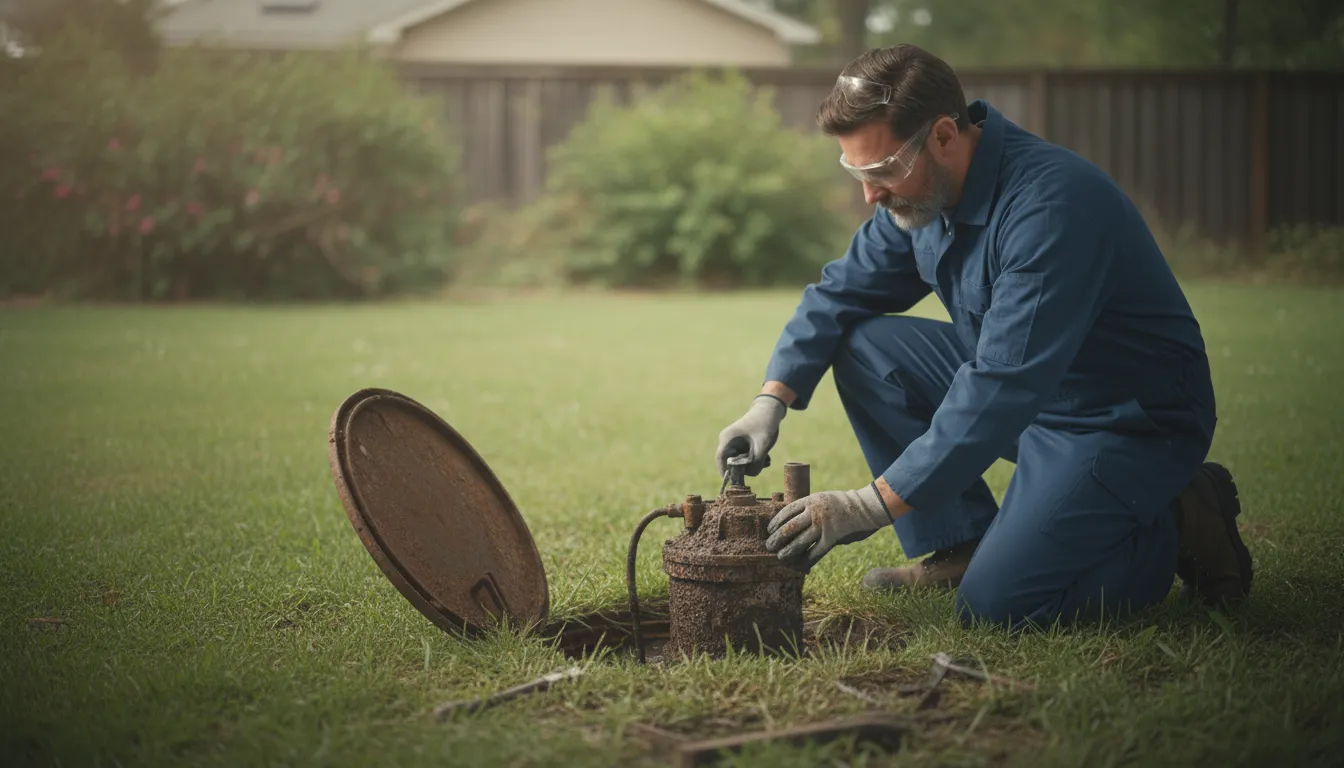
Find the Best Septic Pump Repair Companies for Your Business
No obligation • Fast responses • Nationwide coverage

Why you can trust Septic Spot
Septic Spot is a leading United States resource for understanding and comparing septic services. Our editors review providers using consistent criteria and verify key business details. Listings and scores are independent, and companies cannot pay to influence our content.
Search providers near you
Top Septic Pump Repair Companies in Georgetown, Texas Ranked
A failing septic pump can quickly turn from a minor nuisance into a major household emergency, leading to backups, odors, and potential environmental issues. For Georgetown homeowners, understanding the unique demands of local soil and system types is crucial for effective maintenance and timely repair. This guide provides a detailed look at septic pump repair and full system replacement, helping you identify local professionals who can diagnose issues, navigate Texas regulations, and restore your system's function.
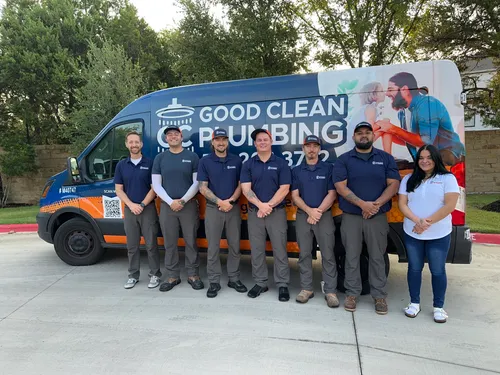
Good Clean Plumbing - Cedar Park
720 S Bell Blvd Unit 5A, Cedar Park, TX 78613
Good Clean Plumbing - Cedar Park is a residential plumbing service provider based in Round Rock, TX. They offer a full range of plumbing services including septic pump repair and replacement, supported by licensed and experienced technicians using modern tools. The company has over 25 years of experience in residential plumbing, led by a Responsible Master Plumber. Their services come with industry-leading warranties and a satisfaction guarantee, reflecting their commitment to quality and customer care.
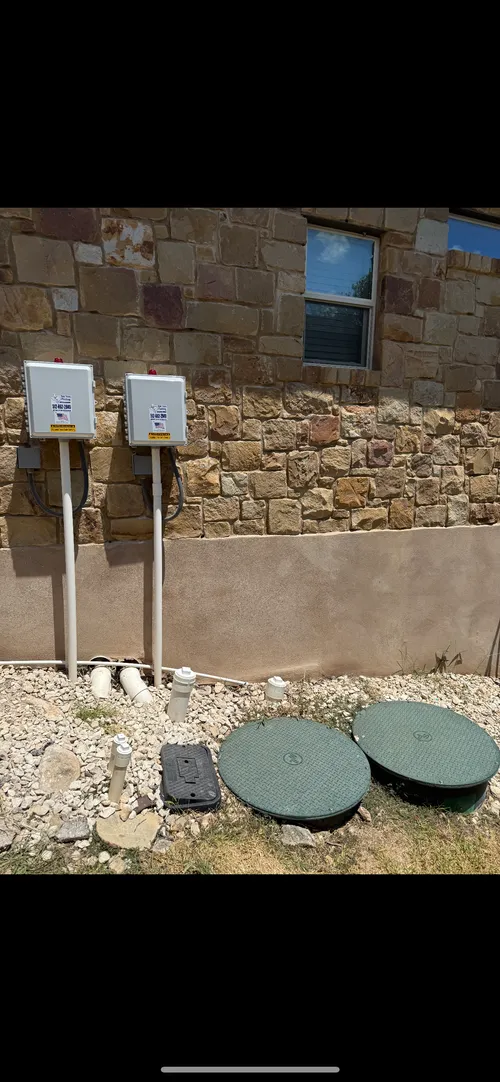
HomeField Williamson County
40203 Industrial Park Cir, Georgetown, TX 78626
HomeField Williamson County provides comprehensive septic system services in Austin, TX, covering residential and commercial needs. Their offerings include septic tank pumping, inspections, repairs, installations, drain field replacements, and system design. The company emphasizes local expertise and proactive maintenance plans to help prevent future problems. They serve Williamson County with a team familiar with local regulations and conditions, ensuring septic systems meet current requirements. HomeField also offers various maintenance plans tailored to different levels of coverage and support.
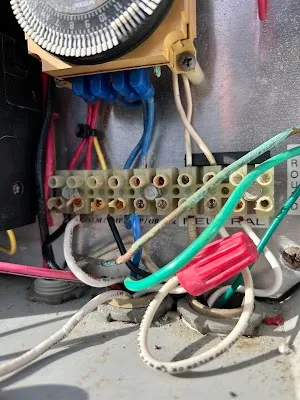
Real Texas Plumbing - Heating and Air
20811 Dawn Dr UNIT #706, Lago Vista, TX 78645
Real Texas Plumbing - Heating and Air is a septic system repair company based in Austin, TX. They specialize in septic pump repair and replacement, with a focus on diagnosing and fixing grinder pump and alarm issues. The company is known for identifying and addressing problems that other plumbers have missed, such as improper floaters and exposed wiring. Owner Efrain and his team provide clear explanations and practical solutions to septic system challenges.
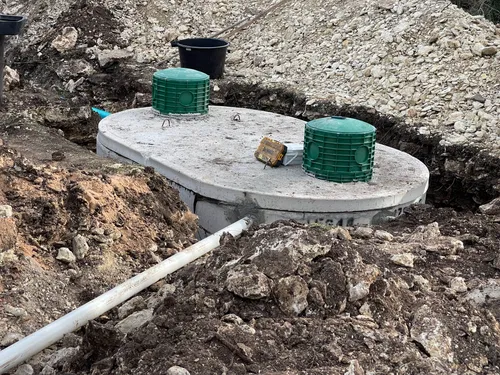
Godinez Septics Inc
5407 Phillips Cir, Austin, TX 78734
Godinez Septics Inc is a family-owned septic system company serving Austin, TX, and the surrounding Lake Travis area. They provide a range of services including septic tank pumping, inspection, repair, installation, and drain field replacement. The company is licensed by TCEQ for septic system maintenance and installation, offering specialized services such as aerobic system maintenance contracts and hydro-jetting to clear sewer lines. With over 40 years of experience in the septic and excavation business, Godinez Septics is led by Orlando Godinez, a longtime local resident and licensed installer.

Eco Septic Tank Pumping Austin
Austin, TX
Eco Septic Tank Pumping Austin provides septic tank pumping, inspection, repair, and installation services in Austin, TX. They handle routine septic system cleaning, emergency septic sewer cleaning, and biological treatments to maintain system health. The company also offers septic system repairs and drain field replacement, ensuring compliance with local regulations. Their technicians follow a detailed pumping process and dispose of waste properly at licensed facilities. Eco Septic Tank Pumping Austin serves multiple areas around Austin and emphasizes regular maintenance to prevent system failures.
Understanding Georgetown's Unique Septic Landscape
The health and repair needs of your septic system are deeply influenced by Georgetown's specific geology. Located in the Texas Hill Country, the area is known for its shallow, rocky soil. This terrain presents distinct challenges that directly impact the type of systems installed and the complexity-and cost-of their upkeep 1.
- Soil and Rock: The prevalent limestone and clay soils have poor percolation rates, meaning wastewater doesn't filter down easily. This often makes traditional gravity-fed drainfields ineffective.
- System Implications: Due to this soil composition, aerobic treatment systems (ATS) are very common in and around Georgetown. Unlike conventional systems that rely solely on gravity and bacterial action, aerobic systems use electric pumps, aerators, and spray heads to treat and disperse effluent. This mechanical complexity means there are more components-like pumps and control panels-that can require repair.
- Excavation Challenges: Performing any significant septic work, whether it's accessing a buried pump tank for repair or installing a new drainfield, can be more expensive here. Specialized equipment is often needed to excavate through rock, which adds to labor time and project costs.
Aerobic vs. Conventional Systems: Repair Focus
Knowing which type of system you have is the first step in understanding potential repair needs.
Aerobic System Repair & Maintenance
These are the workhorses for many Georgetown properties with difficult soil. Key repairable components include:
- Submersible Pumps: Move effluent from the pump tank to the spray field. Failure causes no dispersal.
- Aerators: Inject oxygen into the treatment tank. If broken, treatment fails.
- Control Panels & Alarms: The electrical brain of the system. Malfunctions can shut down the entire process.
- Spray Heads: Can become clogged or damaged, leading to poor distribution.
Repairing these components requires a technician skilled in both plumbing and electrical systems specific to wastewater treatment.
Conventional Gravity System Upkeep
While less common in rocky areas, some older homes may have these. Repairs here typically focus on:
- Tank Integrity: Cracks, baffle failures, or collapse.
- Drainfield (Leach Field): The most common point of failure, often requiring repair or replacement due to biomat buildup or soil saturation.
- Piping: Blockages or root intrusion in the lines between the house and tank or tank and field.
Recognizing Signs You Need Repair or Replacement
Catching problems early can mean the difference between a relatively simple pump fix and a catastrophic system replacement. Be alert for these warning signs:
- Sewage Backups: The most urgent sign, often indicating a blockage, pump failure, or saturated drainfield.
- Foul Odors: Persistent smells around the tank, drainfield, or inside the home suggest a system is not processing waste properly.
- Drainfield Issues: Soggy ground or unusually lush, green grass over the drainfield area, especially during dry weather.
- Gurgling Sounds: From toilets or drains, which can indicate a full tank or blockage.
- Alarm Activation: For aerobic systems, a buzzing alarm is a direct alert that the pump has failed or water levels are too high.
- Slow Drains: Throughout the house, not isolated to one fixture.
Find the perfect septic pump repair companies for your needs
Get personalized recommendations and expert advice
The Step-by-Step Process for Pump Repair and System Replacement
Whether you're facing a pump outage or a complete system failure, understanding the process helps set expectations.
For a Pump or Component Repair 2 3 4:
- Inspection & Diagnosis: A licensed technician will inspect the system, often checking the control panel, pump tank water level, and electrical components to pinpoint the failed part.
- System Pump-Out: For safety and access, the pump tank (and often the main tank) will be pumped out.
- Component Repair/Replacement: The faulty pump, aerator, float switch, or control board is repaired or swapped with a new unit.
- Testing & Verification: The system is restarted and tested to ensure the pump activates at the correct pressure, alarms are reset, and spray heads function properly.
For a Full System Replacement 5 6:
- Comprehensive Evaluation & Permitting: This critical first step involves a site evaluation (often called a "soil test") by a licensed designer or engineer. The results are submitted to the Williamson County health department to obtain the necessary permit-a non-negotiable step in Texas.
- System Design: Based on the evaluation, a new system is designed to meet current codes and suit your property's layout.
- Excavation & Removal: The old tank and drainfield are safely pumped out and excavated. The old components are removed and disposed of properly.
- Installation: The new tank(s), pump tank (if aerobic), and carefully constructed drainfield or spray field are installed.
- Final Inspection & Approval: The local permitting authority inspects the installation before it is covered. Once approved, the system is activated.
Cost Considerations for Georgetown Homeowners
Costs for septic work in Georgetown are influenced by system type, terrain, and scope. Here's a general breakdown based on local factors 7 8:
- Septic Pump Repair or Replacement: Repairing or replacing a failed pump typically ranges from $500 to $1,500. The final cost depends on the pump's horsepower, brand, and accessibility.
- Full Aerobic System Replacement: This is a major investment. For a standard aerobic system installation, homeowners can expect costs between $10,000 and $20,000. For properties with significant rock, high slopes, or other complexities, this price can exceed $28,000.
- Excavation Premium: The rocky Hill Country soil can add a $1,500 to $4,500 premium to any job requiring significant digging.
- Annual Maintenance Contracts: For aerobic systems, an annual maintenance contract (highly recommended) usually costs $300 to $600 per year. This regular servicing is key to preventing costly emergency repairs 9.
Choosing a Local Service Provider
When your system is failing, you need a professional familiar with Georgetown's specific codes and challenges. Look for providers who are licensed by the Texas Commission on Environmental Quality (TCEQ) and have extensive experience with aerobic systems. They should be able to clearly explain the permitting process, provide detailed estimates, and offer emergency services. Local companies like All In One Septic Solutions, Kountry Fresh Septic, and Septic Cheetah are examples of providers serving the Georgetown area 10.
Maintaining Your System to Avoid Major Repairs
Proactive maintenance is the most cost-effective strategy. For aerobic systems, adhere to the annual maintenance contract. For all systems, practice water conservation, avoid flushing non-biodegradables, and have the solids in your tank pumped out every 3-5 years, or as recommended by your inspector. Protecting your drainfield from vehicle traffic and directing rainwater runoff away from it are also essential habits 11.
Frequently asked questions
Sources
Footnotes
-
Types of Septic Systems Suitable for Texas - https://weaverexcavating.net/types-of-septic-systems-suitable-for-texas/ ↩
-
Septic Tank Replacement Explained: Costs, Lifespan, And What To ... - https://www.theseptictankman.com/blog/septic-tank-replacement-explained-costs-lifespan-and-what-to-expect ↩
-
Georgetown Septic Tank Pumping - https://aplussepticaustin.com/georgetown-septic-tank-pumping/ ↩
-
Septic System Repair: Essential Guidelines for Homeowners - https://smartsepticpros.com/blog/septic-system-repair-guidelines/ ↩
-
The Ultimate Guide to Septic System Design & Installation in Central ... - https://epicseptic.com/the-ultimate-guide-to-septic-system-design-installation-in-central-texas-what-every-homeowner-builder-needs-to-know/ ↩
-
Septic Repair vs. Replacement: A Guide to Costs & Red Flags - https://prosepticri.com/septic-repair-vs-replacement-guide/ ↩
-
Understanding the Factors That Influence Septic Pumping Cost - https://brighteyestexas.com/2026/01/06/understanding-the-factors-that-influence-septic-pumping-cost/ ↩
-
Aerobic Septic System Cost in Texas (Updated 2026) - https://dillonseptic.com/aerobic-septic-system-cost-in-texas/ ↩
-
Average Cost to Install Septic System in Texas - https://dillonseptic.com/average-cost-to-install-septic-system-in-texas/ ↩
-
THE BEST 10 SEPTIC SERVICES in GEORGETOWN, TX - Yelp - https://m.yelp.com/search?cflt=septicservices&find_loc=Georgetown%2C+TX ↩
-
How to Avoid Costly Septic System Repairs - Take Care of Texas - https://takecareoftexas.org/about-us/blog/how-avoid-costly-septic-system-repairs ↩