Find the Best Septic Pump Repair Companies for Your Business
No obligation • Fast responses • Nationwide coverage

Why you can trust Septic Spot
Septic Spot is a leading United States resource for understanding and comparing septic services. Our editors review providers using consistent criteria and verify key business details. Listings and scores are independent, and companies cannot pay to influence our content.
Search providers near you
Top Septic Pump Repair Companies in Mesquite, Texas Ranked
When your septic system's pump fails or your entire system reaches the end of its life, it's more than an inconvenience-it's a critical home maintenance issue that requires immediate, professional attention. In Mesquite, the dense clay soil common to North Texas presents unique challenges that directly impact the type of system you need and the complexity of repairs. This guide explains the essentials of septic pump service and system replacement, helping you understand the process, local considerations, and how to connect with qualified professionals in your area.
Understanding Your Septic System's Components
A functioning septic system is a multi-part assembly working out of sight. The tank itself holds solid waste, while the liquid effluent travels to a drain field for dispersal. The component most often requiring repair or replacement is the pump, which is crucial in systems where gravity alone isn't sufficient. In conventional systems, a sewage ejector pump may be needed. In the aerobic systems common around Mesquite, pumps are essential for moving air and treated effluent. Other key parts include control panels, aerators, baffles, and risers. A failure in any of these can lead to backups, odors, or surfacing sewage, signaling the need for professional diagnosis.
Why Mesquite's Clay Soil Demands Special Attention
The heavy, dense clay soil prevalent in Mesquite and surrounding North Texas counties is the single biggest factor influencing septic system design, performance, and repair. Clay particles are tiny and compact tightly, severely restricting the percolation rate-the speed at which water drains through the soil.
- Drainage Restriction: When effluent cannot drain properly, it can pool in the drain field, saturate the area, and eventually rise to the surface, creating a health hazard and unpleasant mess.
- System Type Mandate: Because standard gravel drain fields often fail in tight clay, local regulations frequently require engineered solutions. The most common is an aerobic treatment system (ATS). These systems use electricity to power pumps and blowers that inject oxygen into the wastewater, breaking down waste more efficiently and treating the effluent to a higher standard before it's dispersed via sprinklers.
- Impact on Repairs: The complexity of aerobic systems means repairs often involve electrical components, pumps, and spray heads, which can be more costly than repairs to a simpler gravity-based system.
The Professional Repair Process: From Diagnosis to Completion
When you suspect a problem, a structured professional approach ensures the job is done correctly and complies with Texas Commission on Environmental Quality (TCEQ) rules.
- Inspection and Diagnosis: A licensed professional will first inspect the system. This involves checking the tank, testing the pump and controls, assessing the drain field for saturation, and identifying the root cause-whether it's a broken pump, clogged line, failed aerator, or a more serious drain field issue 1.
- Permitting and Design: For major repairs or any system replacement, proper permitting is non-negotiable. In Mesquite, you must submit an approved system design to the county. This is especially critical if upgrading from an older, failing system to a modern, code-compliant one.
- Excavation and Implementation: The site is carefully excavated to access the tank, pump chamber, or drain field lines. Old, failed components are removed. For a pump repair, this may mean replacing the pump unit, float switches, or control panel. For broader issues, it could involve repairing or replacing lateral lines.
- Testing and Backfill: After new components are installed, the system is tested thoroughly to ensure everything operates as designed. Once it passes inspection, the site is backfilled with appropriate soil to restore your landscape 2.
When to Repair vs. When to Replace Your System
This is a critical financial decision. A general rule of thumb is to consider full replacement if the cost of repairs approaches or exceeds 50% of the value of the existing system or if the drain field itself has failed 3.
Opt for Repair When:
- The issue is isolated to a single component, like a pump motor or control panel.
- The drain field is still absorbing effluent effectively.
- The tank is structurally sound, but a baffle or riser is damaged.
- The system is relatively new, and the repair restores full function.
Consider Replacement When:
- The drain field is saturated and failing, often evidenced by soggy ground or sewage surfacing, especially in clay soils.
- The septic tank is cracked or structurally compromised.
- You face recurring repairs, indicating systemic failure.
- You are expanding your home and the existing system is undersized.
- An inspection reveals that an old system does not meet current TCEQ standards and cannot be cost-effectively upgraded 4.
Find the perfect septic pump repair companies for your needs
Get personalized recommendations and expert advice
Cost Considerations for Mesquite Homeowners
Costs for septic work in Mesquite are significantly influenced by the required system type. Given the clay soil, aerobic systems are often the standard, placing costs on the higher end of the spectrum 5.
- Pump or Control System Replacement: Repairing or replacing a failed sewage pump, aerator pump, or control panel typically ranges from $800 to $5,000, depending on the system's complexity and pump horsepower.
- Component Repairs: Fixing tank baffles, repairing or extending risers for better access, or unclogging lines can cost between $300 and $1,200 6.
- Drain Field Spot Repair: If only a section of the lateral lines is damaged, a limited repair may be possible, costing $1,500 to $8,000. However, in failing clay fields, spot repairs are often a temporary fix.
- Full Aerobic System Installation/Replacement: This is the most significant investment. Installing a new aerobic treatment system, including the tank, pump chamber, aerobic unit, and spray field, generally ranges from $10,000 to $28,000 or more in the Mesquite area 7 8.
- Permitting and Design Fees: Professional design work and county permit fees for a new system or major upgrade typically add $1,000 to $2,000 to the total project cost 9.
Maintaining Your System to Avoid Premature Failure
Proactive maintenance is the most cost-effective "repair" strategy. For aerobic systems, this is particularly important due to their mechanical components 10.
- Regular Pumping: Have the solid waste in your tank pumped every 3-5 years, depending on household size and usage.
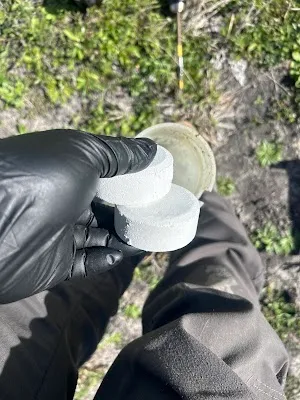
- Aerobic System Maintenance: Contract a service provider for quarterly or semi-annual inspections. They should check the aerator, pumps, spray heads, and chlorine tablets (if applicable) to ensure proper operation.
- Water Conservation: Reducing overall water flow into the system extends its life. Fix leaks, install efficient fixtures, and spread out laundry loads.
- Mind What You Flush: Only human waste and toilet paper should go into the system. Avoid grease, chemicals, wipes, and other non-biodegradables that clog pumps and tanks.
Choosing a knowledgeable professional familiar with Dallas County and TCEQ regulations is crucial for a successful outcome. They can navigate the permitting process, design a system suitable for your property's soil, and ensure the installation or repair is built to last.
Frequently asked questions
Sources
Footnotes
-
What You Should Know About Septic Systems When Building a ... - https://riverhillsbuilder.com/septic-systems-hill-country/ ↩
-
Repairing Septic Systems: A Detailed Manual - https://ky-pd.com/blog/fixing-septic-system/ ↩
-
Septic Repair vs. Replacement: What's Best for Your System - https://www.townesseptic.com/blog/septic-repair-vs-replacement ↩
-
Texas Septic System Regulations - https://dillonseptic.com/texas-septic-system-regulations/ ↩
-
Septic Repair vs. Replacement: A Guide to Costs & Red Flags - https://prosepticri.com/septic-repair-vs-replacement-guide/ ↩
-
Aerobic Septic System Cost in Texas (Updated 2026) - https://dillonseptic.com/aerobic-septic-system-cost-in-texas/ ↩
-
Cost of a Septic System in Texas - https://dillonseptic.com/cost-of-a-septic-system-in-texas/ ↩
-
Average Cost to Install Septic System in Texas - https://dillonseptic.com/average-cost-to-install-septic-system-in-texas/ ↩
-
How to Avoid Costly Septic System Repairs - Take Care of Texas - https://takecareoftexas.org/about-us/blog/how-avoid-costly-septic-system-repairs ↩