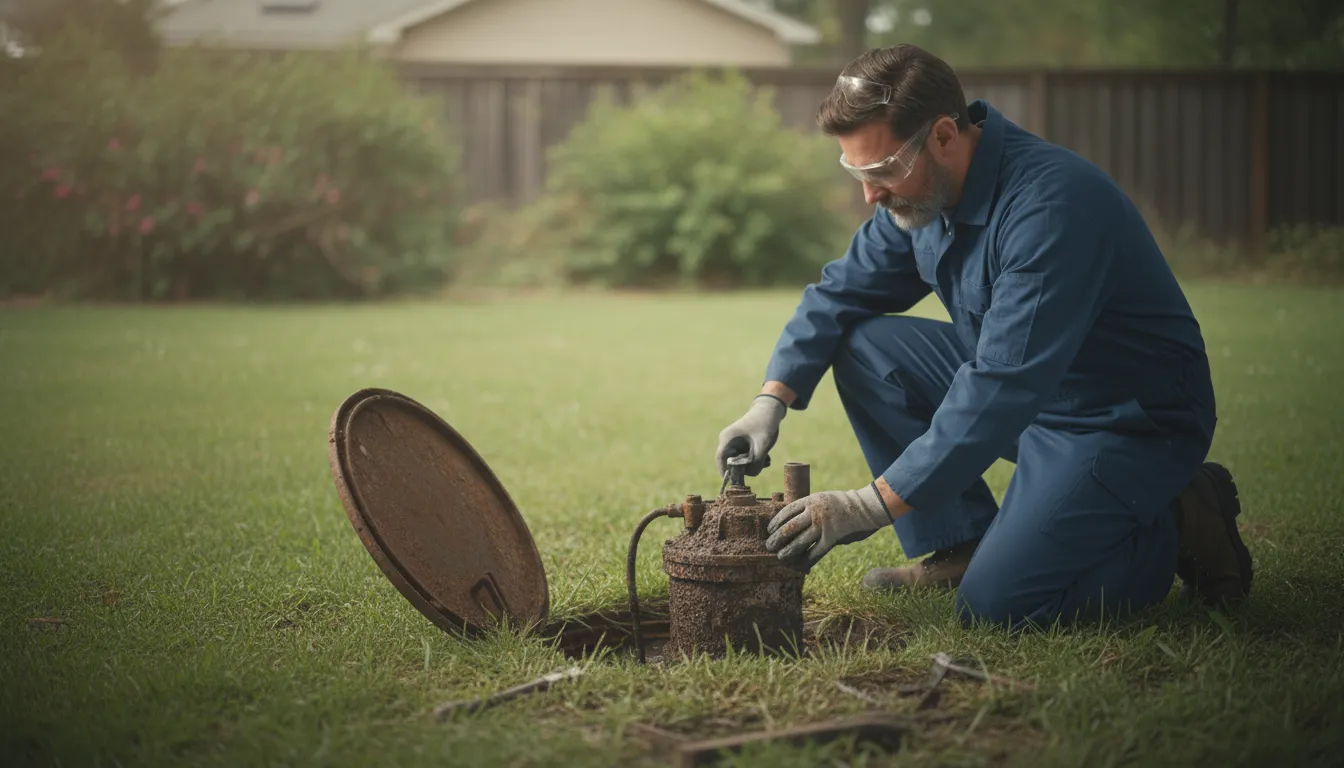
Find the Best Septic Pump Repair Companies for Your Business
No obligation • Fast responses • Nationwide coverage

Why you can trust Septic Spot
Septic Spot is a leading United States resource for understanding and comparing septic services. Our editors review providers using consistent criteria and verify key business details. Listings and scores are independent, and companies cannot pay to influence our content.
Search providers near you
Top Septic Pump Repair Companies in Rockwall, Texas Ranked
A failing septic pump can bring your household to a standstill, leading to unpleasant odors, soggy yards, and potential health hazards. For homeowners in Rockwall, maintaining a functional septic system is not just a matter of convenience-it's a critical responsibility for property value and environmental safety. This guide provides essential information on septic pump repair and system replacement, helping you understand local costs, common issues, and how to connect with qualified professionals in the Rockwall area to address your wastewater needs.
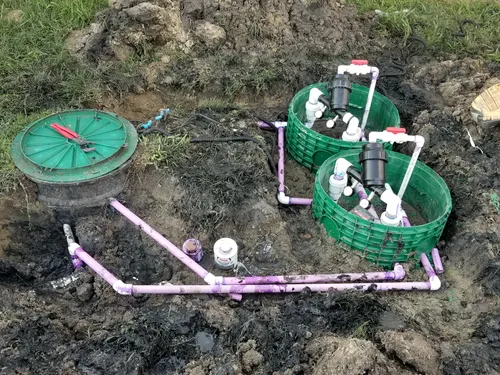
Quality Septic
836 Nob Hill Rd, Quinlan, TX 75474
Quality Septic is a septic service company based in Dallas, TX, serving Quinlan and surrounding areas including Greenville, Rockwall, and Fairview. They provide installation, maintenance, pumping, and repair services for residential and commercial septic systems. The company is an authorized dealer for Norweco and Fuji Clean aerobic systems and also installs low-pressure dosing systems. They stock most parts for aerobic systems to enable faster emergency repairs. Quality Septic offers 24/7 emergency repair services to address septic issues promptly. The company emphasizes honesty, integrity, and ethical treatment in its customer interactions.
HomeField Collin County
McKinney, TX
HomeField Collin County provides septic system services in McKinney, TX, including septic tank pumping, inspection, repair, installation, and pump replacement. The company is known for thorough septic system repairs and maintenance, with technicians who explain system components clearly to customers. HomeField Collin County serves residential clients throughout the area, offering knowledgeable and responsive service to address various septic needs.
Understanding Your Rockwall Septic System
Most homes in Rockwall County rely on one of two primary types of onsite wastewater systems: conventional gravity-fed systems or more complex aerobic treatment systems (ATUs). Knowing which type you have is the first step in diagnosing a problem.
- Conventional Systems: These older systems use a single tank where solids settle. The liquid effluent then flows by gravity into a drain field (or leach field) for absorption into the soil. Problems here often involve clogged pipes or a failing drain field rather than a pump.
- Aerobic Treatment Systems (ATS): These are far more common in newer Rockwall developments. An aerobic system uses multiple tanks and includes electrical components like pumps, aerators, and spray heads to actively treat wastewater. The pump is a critical component, moving effluent from one chamber to another and often to a sprinkler system for dispersal. These systems are more efficient but also more complex, requiring regular, legally mandated maintenance to keep all mechanical parts, especially the pump and aerator, in working order.
Why Septic Pumps Fail in Rockwall
Several factors unique to the North Texas environment contribute to septic pump and system failures.
The Challenge of Clay and Rock: The soil in and around Rockwall is predominantly heavy clay, which has very poor drainage 1 2. When a system is overloaded or poorly maintained, this dense soil can quickly become saturated, causing effluent to pool on the surface or back up into the home. Furthermore, the presence of limestone bedrock close to the surface can complicate excavations for repairs or a full system replacement, potentially increasing labor costs by $1,500 to $4,500.
Aerobic System Complexity: The very components that make an aerobic system effective-pumps, aerators, float switches, control panels, and spray heads-are also points of potential failure. A malfunctioning float switch can burn out a pump motor, while a clogged spray head can cause the pump to overwork and fail. Regular maintenance contracts (typically $450-$650 annually) are designed to catch these issues early and are often a condition of your system's warranty and local health code compliance.
Age and Wear: Like any mechanical device, septic pumps have a finite lifespan, often between 7-10 years with proper care. Lack of routine pumping (which should be done every 3-5 years) allows excess solids to enter the pump chamber, causing premature wear and clogs.
The Repair vs. Replacement Decision
Facing a septic system problem requires a careful diagnosis to determine the most cost-effective and long-term solution.
When Repair is Feasible: Isolated component failures often warrant repair. This includes:
- Replacing a failed effluent pump or sump pump.
- Fixing or replacing a faulty float switch or control panel.
- Unclogging or replacing obstructed spray heads in an aerobic system.
- Sealing minor cracks in a tank or repairing a small section of damaged inlet/outlet pipe.
Repair costs for these components in Rockwall typically range from $800 to $5,000, depending on the part and labor involved.
Signs You Need a Full System Replacement: Sometimes, repairing one part is a temporary fix for a larger failure. Red flags that indicate a need for replacement include:
- Chronic Drain Field Failure: Persistent soggy ground or sewage odors in the yard, even after pumping and repairs, often signal a drain field that can no longer absorb effluent.
- Major Structural Damage: Large cracks, collapse, or deterioration of the main septic tank.
- System is Under-Sized: The original system cannot handle the wastewater load from home additions or increased occupancy.
- Multiple Component Failures: When the pump, drain field, and tank all show signs of failure simultaneously, replacement is usually more economical.
A complete septic system replacement in Rockwall is a significant investment, with costs ranging from $10,000 to over $40,000, heavily influenced by soil conditions, system type, and permitting.
Find the perfect septic pump repair companies for your needs
Get personalized recommendations and expert advice
The Professional Service Process
Addressing a major septic issue is not a DIY project. Licensed professionals follow a structured process to ensure the repair or replacement is safe, effective, and compliant with Rockwall County regulations.
- Inspection & Diagnosis: The process begins with a professional inspection, which almost always includes pumping the tank ($200-$600) to fully assess the tank's condition and locate the source of the problem 3.
- Permitting: For any major repair or replacement, a permit from Rockwall County is required. Permit fees typically range from $400 to $800 and are necessary to ensure the work meets local health and environmental codes.
- Repair or Replacement Execution: For a pump repair, this involves excavating to the pump chamber, replacing the faulty component, and testing the system. A full replacement requires excavating the old system, installing new tanks and field lines, and connecting all components.
- Site Restoration: Once the new system is in place or the repair is complete, the excavation site is backfilled with soil.
- Final Inspection: A county inspector will visit to approve the installation before the system is covered, ensuring it meets all standards for performance and safety.
Cost Breakdown for Rockwall Homeowners
Understanding potential costs helps in planning and budgeting. Here's a closer look at what you might expect to pay for septic services in the area:
- Septic Pump Replacement: $800 - $5,000. This covers the cost of a new pump and installation labor. High-head pumps for aerobic systems or those requiring longer wiring runs will be at the higher end of the scale.
- Aerobic System Maintenance Contract: $450 - $650 annually. This recurring cost covers multiple inspections per year, adjustment of aerators and pumps, and cleaning of spray heads, which is legally required to keep your system operational.
- Major System Repairs (Line/Tank): $1,000 - $8,000+. This includes repairing or replacing sections of drain field lines, fixing significant tank cracks, or replacing a damaged distribution box 4 5.
- Complete System Replacement: $10,000 - $40,000+. The final cost depends on system type (aerobic systems are more expensive), soil conditions (rocky soil increases cost), and the size of your home 6 7.
- Emergency Service Fee: $300 - $700 extra. Services required after hours, on weekends, or for immediate health hazards incur a premium fee 8.
Maintaining Your System to Avoid Costly Repairs
Proactive maintenance is the most effective way to avoid unexpected repair bills and system failure.
- Schedule Regular Pumping: Have your tank pumped every 3-5 years, or as recommended by your service provider based on usage.
- Commit to Aerobic Maintenance: If you have an aerobic system, do not let the maintenance contract lapse. This service is critical for its mechanical components.
- Conserve Water: Spread out laundry loads, fix leaky faucets, and use water-efficient fixtures to avoid hydraulically overloading the system.
- Mind What You Flush: Only human waste and toilet paper should go down the drain. Avoid flushing wipes (even "flushable" ones), feminine hygiene products, cooking grease, and chemicals.
- Protect Your Drain Field: Never park vehicles or place heavy structures on it. Direct rainwater drainage away from the field to prevent saturation.
Frequently asked questions
Sources
Footnotes
-
What You Should Know About Septic Systems When Building ... - https://riverhillsbuilder.com/septic-systems-hill-country/ ↩
-
How Soil Type Affects Septic System Performance - https://www.septicblueraleigh.com/how-your-soil-determines-your-septic-systems-success.html ↩
-
Understanding the Factors That Influence Septic Pumping Cost - https://brighteyestexas.com/2026/01/06/understanding-the-factors-that-influence-septic-pumping-cost/ ↩
-
Cost Breakdown: How Much to Repair a Septic Tank? - https://www.wepumpitsepticservice.com/how-much-does-it-cost-to-repair-septic-tank ↩
-
How Much Does Septic Tank Repair Cost? [2026 Data] | Angi - https://www.angi.com/articles/how-much-does-repairing-septic-tank-cost.htm ↩
-
Aerobic Septic System Cost in Texas (Updated 2026) - https://dillonseptic.com/aerobic-septic-system-cost-in-texas/ ↩
-
Average Cost to Install Septic System in Texas - https://dillonseptic.com/average-cost-to-install-septic-system-in-texas/ ↩
-
Septic Repair vs. Replacement: A Guide to Costs & Red Flags - https://prosepticri.com/septic-repair-vs-replacement-guide/ ↩