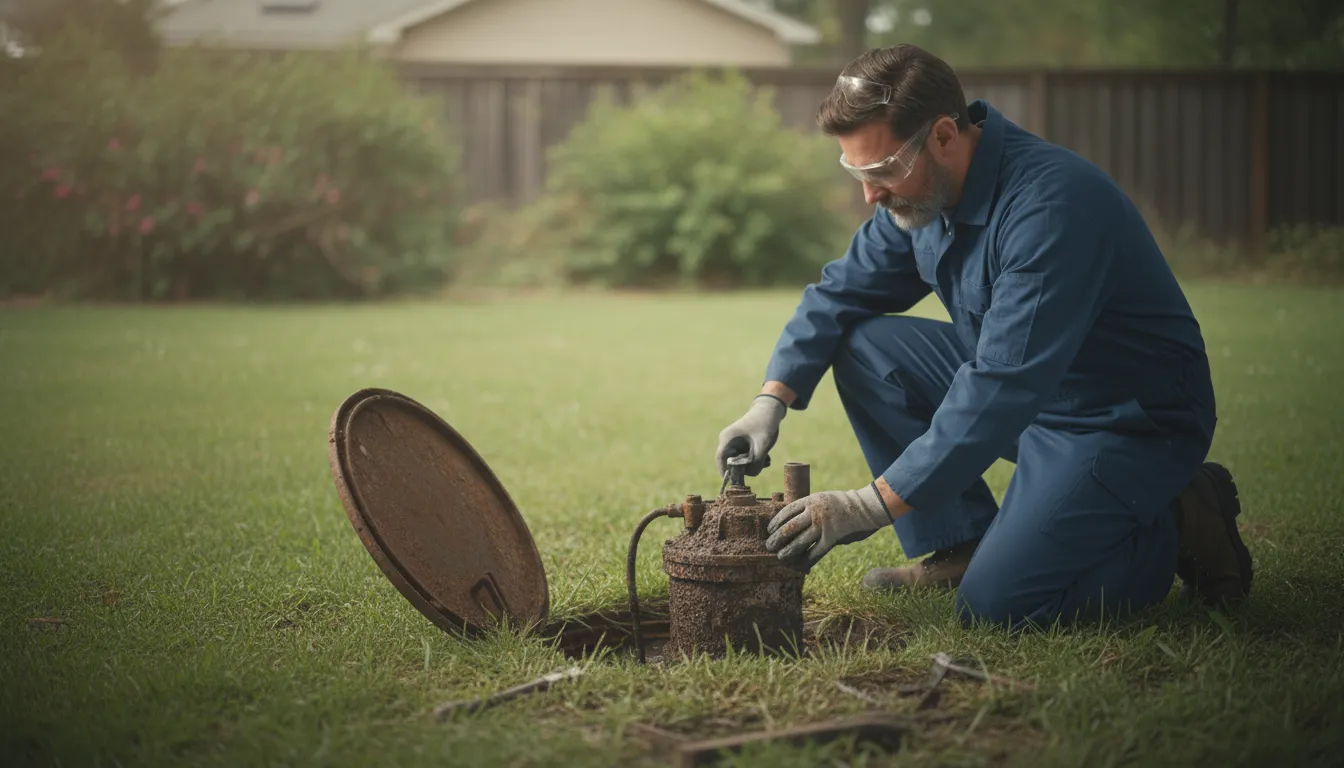
Find the Best Septic Pump Repair Companies for Your Business
No obligation • Fast responses • Nationwide coverage

Why you can trust Septic Spot
Septic Spot is a leading United States resource for understanding and comparing septic services. Our editors review providers using consistent criteria and verify key business details. Listings and scores are independent, and companies cannot pay to influence our content.
Search providers near you
Top Septic Pump Repair Companies in Sugar Land, Texas Ranked
A failing septic pump can bring your household to a standstill, leading to backups, odors, and potential environmental issues. For homeowners in Sugar Land, understanding the unique demands of local soil and common system types is the first step to effective septic care. This resource helps you navigate the specifics of septic pump service, from recognizing warning signs to understanding repair and replacement processes, so you can make informed decisions about maintaining your home's wastewater system.
Why Sugar Land's Soil Makes Septic Systems Unique
The foundation of any septic system's performance is the soil it's buried in. In the Sugar Land area, the predominant soil type is heavy clay 1. This dense, compact soil has very low permeability, meaning it absorbs and filters water extremely slowly. For a conventional septic system that relies on a drain field to gradually disperse treated effluent into the ground, this is a significant challenge. Poor drainage can cause wastewater to pool, leading to soggy yards, surfacing sewage, and premature system failure 1 2.
Because of this soil composition, many homes in and around Sugar Land utilize Aerobic Treatment Units (ATUs). These are more complex, engineered systems that actively treat wastewater before dispersal. An aerobic system uses an electric air compressor to inject oxygen into a treatment tank, fostering aerobic bacteria that break down waste more efficiently than the anaerobic bacteria in a conventional tank. A critical component of these systems is a submersible pump, often called a effluent pump or septic pump, which moves the treated effluent to a spray field for final dispersal. This complexity means repairs often involve electrical components and specialized knowledge not always needed for simpler systems.
Common Septic Pump Issues and Signs of Trouble
Whether you have a conventional system with a pump to a raised drain field or a full aerobic unit, pump failure is a common repair need. Understanding the warning signs can help you address problems before they escalate into costly emergencies or replacements.
- Slow Drains and Backups: The most immediate sign of a pump problem is slow-draining sinks, toilets, and showers throughout the house. If the pump isn't moving effluent out of the pump tank, the entire system can back up.
- Alarm Sounds: Aerobic systems are typically equipped with a control panel and alarm. A buzzing or beeping alarm is a direct alert that there is a problem, such as a pump failure, high water level in the pump tank, or an issue with the aerator.
- Soggy Lawn or Foul Odors: If you notice unusually soggy ground or a persistent sewage smell in your yard, especially near the drain field or spray heads, it could indicate that the pump has failed and effluent is not being properly distributed or is surfacing.
- Unusually High Electricity Bills: A septic pump that is running continuously in an attempt to clear a blockage or because of a stuck float switch can cause a noticeable spike in your home's energy usage.
For aerobic systems, issues can also stem from the air compressor or control panel, which are integral to the pump's operation. Regular maintenance is legally required for many aerobic systems in Texas to ensure these components are functioning correctly and to prevent pump overload.
The Repair and Replacement Process: What to Expect
When you contact a professional for septic pump service, a certified technician will follow a systematic process to diagnose and resolve the issue.
- Inspection and Diagnosis: The process begins with a thorough site evaluation. A technician will check the sludge and scum levels in your tanks, inspect the pump and floats, and may use specialized cameras for diagnostic testing of the lines and drain field 3. For aerobic systems, they will test the air compressor, spray heads, and control panel.
- Permitting and Planning: If a full system replacement is necessary, the professional will handle obtaining the required permits from local environmental health departments. This step ensures the new system complies with all Texas Commission on Environmental Quality (TCEQ) and Fort Bend County regulations 4.
- Execution of Work:
- For a Pump Repair: This typically involves accessing the pump tank, removing the faulty pump or aerator, and installing a new unit. The complexity of wiring and system integration, especially for ATUs, is why this is a job for licensed experts.
- For a System Replacement: This is a major excavation project. The old tank and field lines are safely removed, the area is excavated to precise specifications, and the new tank, pump chamber, and drain field or spray field are installed. The site is then carefully graded and restored 5.
- Final Testing and Compliance: After repairs or a new installation, the system will be tested to ensure it is operating efficiently. A final inspection may be required by the local authority to close out the permit and provide you with certification of compliance 6.
Find the perfect septic pump repair companies for your needs
Get personalized recommendations and expert advice
Cost Considerations for Septic Services in Sugar Land
Costs for septic work can vary widely based on your system type, the extent of the problem, and site accessibility. The heavy clay soil and prevalence of aerobic systems in Sugar Land directly influence these price ranges.
- Septic Pump or Aerator Replacement: Repairing a system by replacing a failed pump, aerator, or major electrical component typically ranges from $800 to $5,000+. The higher end accounts for high-capacity pumps or complex aerobic system components.
- Minor Repairs: Fixing issues like damaged baffles, inlet/outlet pipes, or access risers generally falls between $300 and $1,200 7.
- Septic Tank Pumping: Routine pumping and cleaning to prevent pump failure and system issues costs between $200 and $600, depending on tank size 8.
- Aerobic System Maintenance Contract: An annual maintenance agreement, which includes multiple inspections, cleaning, and component checks, is highly recommended and usually costs $450 to $650 per year.
- Full System Replacement: This is the most significant investment. Installing a new conventional system can range from $6,000 to $12,000, while a full aerobic system replacement in Sugar Land often costs between $10,000 and $20,000 or more 9 10. The final price depends on system size, soil conditions, and the chosen dispersal method.
Important Note: If your pump tank or septic tank is buried deep without proper access risers, repair costs can increase due to the need for additional excavation 11. Always get detailed, written estimates from licensed professionals.
Maintaining Your System to Avoid Major Repairs
Proactive maintenance is the most effective way to extend the life of your septic pump and avoid unexpected replacement costs. This is especially critical for the aerobic systems common in Sugar Land.
- Adhere to a Pumping Schedule: Have your tanks pumped regularly every 3-5 years, or as recommended by your inspector based on household size and usage. This prevents sludge from overloading the pump.
- Commit to Annual Inspections: For aerobic systems, annual maintenance contracts are not just a good idea-they are often a permit requirement. These inspections ensure the pump, aerator, spray heads, and electrical controls are all functioning correctly 12.
- Mind What You Flush: Never flush chemicals, grease, non-biodegradable items, or excessive use of garbage disposals. These can clog pumps and disrupt the bacterial balance essential for treatment.
- Protect Your Drain Field: Never park vehicles or place heavy structures over your drain field or spray area. Divert rainwater runoff from roofs and driveways away from the system to prevent saturation.
Frequently asked questions
Sources
Footnotes
-
How Soil Type Affects Septic System Performance - https://www.septicblueraleigh.com/how-your-soil-determines-your-septic-systems-success.html ↩ ↩2
-
How Does Soil Impact the Septic System You Can Have? - https://www.septicconnection.com/how-does-soil-impact-the-septic-system-you-can-have ↩
-
The 10 Best Septic System Contractors in Sugar Land, TX 2026 - https://www.thumbtack.com/tx/sugar-land/septic-systems ↩
-
Cost Of Septic System Restoration Vs Septic System Replacement - https://www.aero-stream.com/cost-of-septic-system-restoration-vs-septic-system-replacement/ ↩
-
Septic Tank Replacement Explained: Costs, Lifespan, And What To ... - https://www.theseptictankman.com/blog/septic-tank-replacement-explained-costs-lifespan-and-what-to-expect ↩
-
The Ultimate Guide to Septic System Design & Installation in Central ... - https://epicseptic.com/the-ultimate-guide-to-septic-system-design-installation-in-central-texas-what-every-homeowner-builder-needs-to-know/ ↩
-
Septic Repair vs. Replacement: A Guide to Costs & Red Flags - https://prosepticri.com/septic-repair-vs-replacement-guide/ ↩
-
Understanding the Factors That Influence Septic Pumping Cost - https://brighteyestexas.com/2026/01/06/understanding-the-factors-that-influence-septic-pumping-cost/ ↩
-
Aerobic Septic System Cost in Texas (Updated 2026) - https://dillonseptic.com/aerobic-septic-system-cost-in-texas/ ↩
-
Average Cost to Install Septic System in Texas - https://dillonseptic.com/average-cost-to-install-septic-system-in-texas/ ↩
-
How to Avoid Costly Septic System Repairs - Take Care of Texas - https://takecareoftexas.org/about-us/blog/how-avoid-costly-septic-system-repairs ↩
-
Leak Detection & Repair in Sugar Land - https://www.sandbplumbing.com/plumbing-services/leak-detection-repair/ ↩