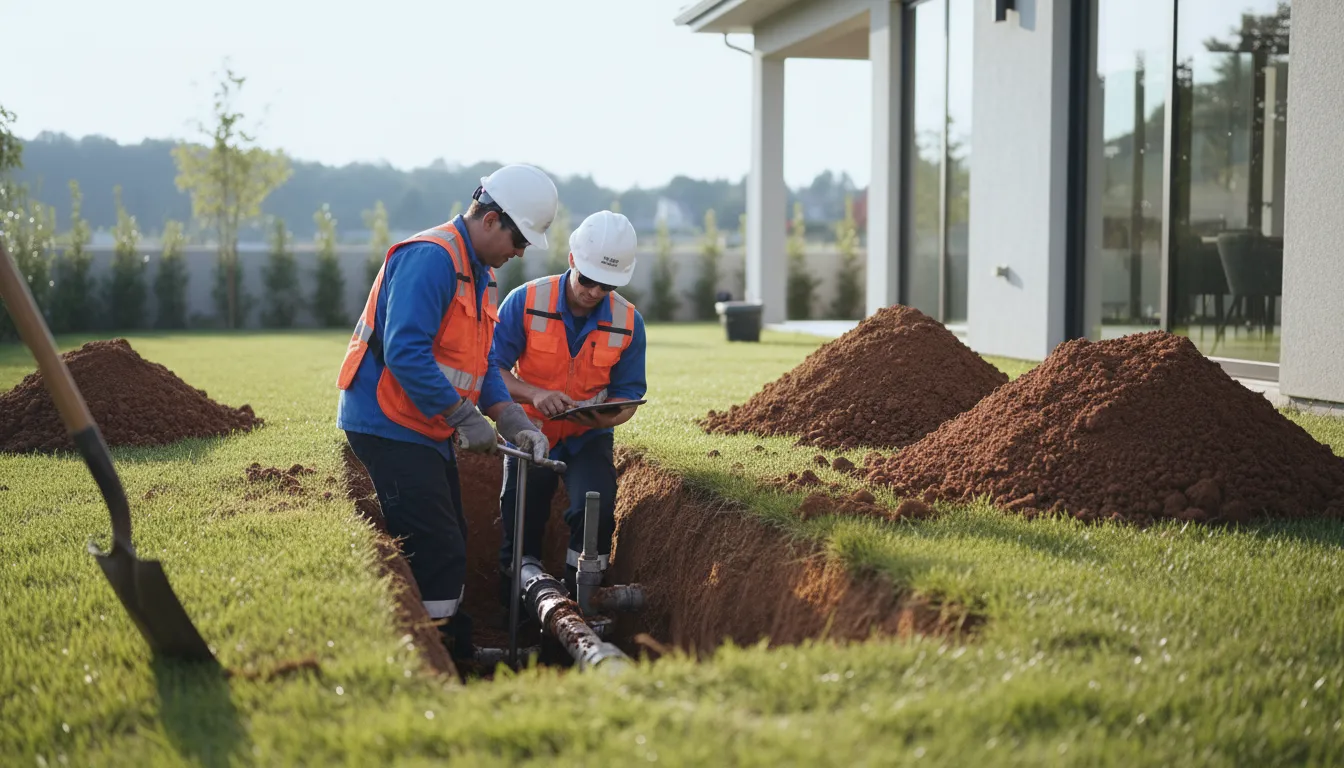
Find the Best Septic System Repair Companies for Your Business
No obligation • Fast responses • Nationwide coverage

Why you can trust Septic Spot
Septic Spot is a leading United States resource for understanding and comparing septic services. Our editors review providers using consistent criteria and verify key business details. Listings and scores are independent, and companies cannot pay to influence our content.
Search providers near you
Top Septic System Repair Companies in Hoover, Alabama Ranked
A failing septic system is more than an inconvenience; it's a public health concern and a significant property issue. Septic system repair involves diagnosing and fixing problems with your onsite wastewater treatment system, from the tank to the drain field. In Hoover, these repairs are strictly regulated to protect groundwater and community health. This guide explains the local process, common issues, and how to connect with licensed professionals who can safely and legally restore your system to proper function.
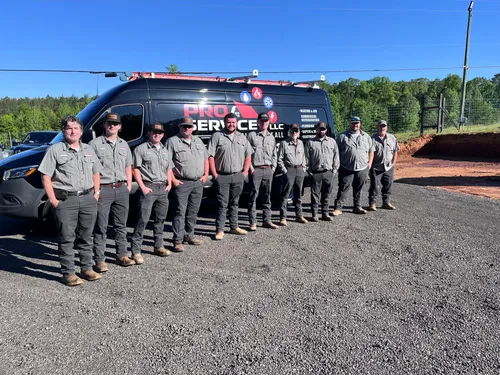
Pro Services LLC
22311 Diesel Dr, McCalla, AL 35111
Pro Services LLC is a multi-trade contractor based in Birmingham, AL, offering septic system repair and septic tank installation among other services. Serving Birmingham and surrounding counties including Tuscaloosa, Hoover, and Bessemer, the company provides comprehensive residential and commercial HVAC, plumbing, electrical, and septic services. They are equipped with fully stocked trucks and have been serving central Alabama since 1987. Their team includes master tradesmen who handle septic system maintenance and installation with expertise.
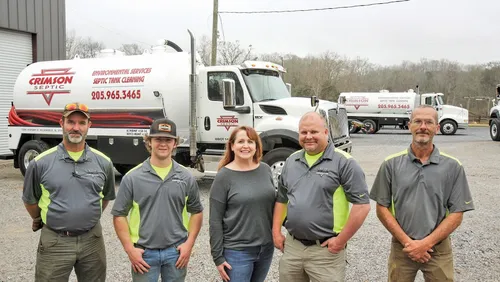
Crimson Septic & Construction, LLC
101 Hwy 47 #9, Columbiana, AL 35051
Crimson Septic & Construction, LLC is a family-owned septic system repair company serving Birmingham, AL. They provide comprehensive septic services including drain field repair and replacement. The company is licensed, bonded, and insured, with a skilled team experienced in handling both large and small septic issues. Crimson Septic & Construction offers same-day and 24/7 emergency services to address urgent septic problems promptly.
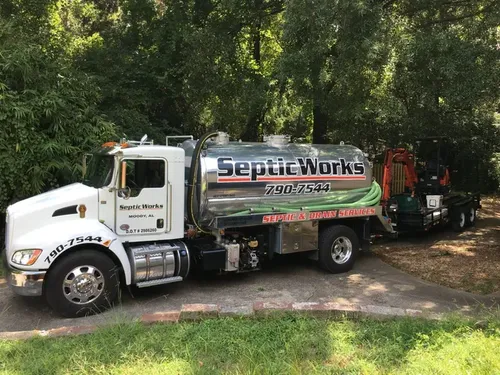
SepticWorks
2377 US-78, Moody, AL 35004
SepticWorks is a septic service provider based in Birmingham, AL, offering a full range of septic system services including pumping, inspections, repairs, and installations. They serve multiple locations across Alabama, including Moody, Vestavia, Hoover, and surrounding areas. SepticWorks specializes in septic tank pumping and system inspections to help maintain and extend the life of septic systems. They also provide complete septic tank installations for residential and commercial properties.
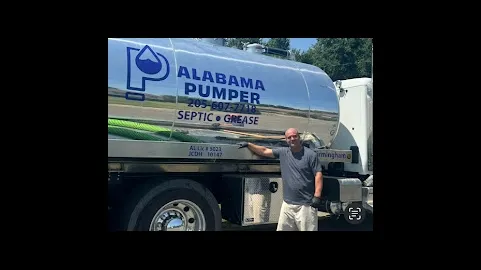
Alabama Pumper LLC
2637 Queenstown Rd, Birmingham, AL 35210
Alabama Pumper LLC is a licensed septic service provider based in Birmingham, AL, serving Central Alabama including Hoover, Gardendale, and Odenville. They offer septic tank pumping, inspections, repairs, grease trap cleaning, holding tank and lift station maintenance, and high-pressure jetting for residential and commercial clients. Established in 2011, the company brings decades of combined experience and focuses on tailored solutions for local septic system needs. Emergency septic services are also available to address urgent issues promptly.

Brasher Septic Service
2052 Co Rd 89, Montevallo, AL 35115
Brasher Septic Service provides comprehensive septic system services in Birmingham, AL, including installation, inspection, pumping, repairs, and drain field maintenance. They also offer excavation and land clearing to support septic system preparation and construction projects. Their expertise includes selecting appropriate septic systems based on soil type and usage, ensuring proper installation for long-term functionality. Brasher Septic Service serves Birmingham and surrounding areas such as Tuscaloosa and Sylacauga, delivering tailored maintenance and repair solutions to homes and businesses.
Understanding Hoover's Septic Repair Regulations
Repairing a septic system in Hoover is not a simple DIY project. The city spans two counties-Jefferson and Shelby-and your property's specific location dictates which health department's rules you must follow. Both jurisdictions require that all repair work be performed by an installer or pumper licensed by the Alabama Onsite Wastewater Board (AOWB). The cornerstone of the process is the permit. For most substantive repairs, you must obtain a "Permit to Repair" from your local health department before any work begins. This ensures the repair meets state and local standards for environmental safety.
The Permit Process: Jefferson vs. Shelby County
If your property is in the Jefferson County portion of Hoover, you'll coordinate with Jefferson County Environmental Services (205-325-5138). For properties in the Shelby County portion, the permitting authority is the Shelby County Health Department (205-685-4178) 1 2. The process typically involves submitting an application, often with a site plan, and paying a fee. For example, Shelby County requires a non-refundable $175 processing fee for septic repair permits 3 4. It's wise to contact the appropriate department early to understand their specific requirements and timelines.
When is a Permit Not Required?
Not every service call requires a full repair permit. Basic maintenance and minor fixes are often exempt. These typically include:
- Routine septic tank pumping.
- Replacing a broken or rotten septic tank lid.
- Repairing or replacing a tank baffle.
- Replacing a tank effluent filter 5. Even though a permit may not be needed, the law still requires that this work be done by an AOWB-licensed professional 6.
The Waiver Option for Expedited Repairs
Under specific conditions, Alabama allows for a "Waiver of a Permit to Repair." This is a signed agreement between the property owner and a licensed installer that can expedite necessary repairs. The installer certifies the work on a CEP-5 form, which is then filed with the health department 7. This option is generally for more straightforward repairs and should be discussed directly with a qualified, licensed repair professional.
Common Types of Septic System Repairs
A septic system is a multi-component setup, and problems can arise in different areas. Understanding the common types of repairs can help you communicate effectively with your service provider.
Tank-Related Repairs
The septic tank itself can suffer from age and wear. Common tank repairs include:
- Sealing Leaks: Cracks in concrete tanks or failed seams in plastic tanks can allow untreated wastewater to escape or groundwater to enter.
- Baffle Replacement: Inlet or outlet baffles guide the flow of wastewater and prevent the scum layer from clogging pipes. Broken or missing baffles are a common cause of system failure.
- Lid Replacement: Concrete lids can crack or deteriorate, creating a safety hazard and allowing debris into the tank. Replacing them with secure, modern lids is a standard repair.
Pipe and Line Replacement
The network of pipes is critical for flow. Repairs here often involve:
- Inlet/Outlet Pipe Repair: The solid pipes connecting your house to the tank and the tank to the distribution box can crack, collapse, or become blocked by roots.
- Distribution Box Issues: This box evenly disperses liquid effluent to the drain field lines. It can crack, become unlevel, or clog, requiring repair or replacement.
Drain Field Rehabilitation and Replacement
The drain field (or leach field) is where final treatment occurs. Problems here are often the most serious and costly.
- Line Replacement: Individual perforated pipes in the drain field can become crushed or clogged with biomat (a thick bacterial layer). Sometimes, only a section needs replacement.
- System Rejuvenation: Some techniques, like jetting or adding specific treatments, can temporarily restore a slowing drain field.
- Complete Drain Field Replacement: If the entire field has failed, a new field must be installed. This is a major project that requires a new site evaluation, soil test, and an "Approval for Use" permit from the health department, similar to a new installation 8.
Find the perfect septic system repair companies for your needs
Get personalized recommendations and expert advice
The Diagnostic Process: What to Expect During an Inspection
Before any repair can be planned, a thorough inspection is essential to diagnose the root cause of the problem. A professional inspection typically involves several key steps 9 10 11:
- Locating and Uncovering: The technician will locate your tank and distribution box, often using probes or by consulting records from the health department. They will then excavate and open the access lids.
- Visual and Structural Check: Inside the tank, they look for structural issues like cracks, check the condition of baffles, and assess the inlet/outlet pipes.
- Sludge and Scum Measurement: Using specialized tools, they measure the depth of the sludge layer (solids on the bottom) and the scum layer (grease and floatables on top). If these layers are too thick, they can clog the outlet and cause backup.
- Drain Field Assessment: The technician will inspect the drain field area for telltale signs of failure: soggy ground, foul odors, or unusually lush grass, which can indicate surfacing sewage.
- Hydraulic Load Test: In some cases, they may conduct a water flow test to see how quickly the system accepts water from the house, checking for slow drainage that points to a saturated drain field 12 13.
The cost for a comprehensive septic inspection in the Hoover area typically ranges from $200 to $900, with an average around $550 14. This investment is crucial for an accurate diagnosis and avoiding unnecessary repairs.
Understanding Repair Costs and Finding a Licensed Pro
Repair costs vary widely based on the problem's complexity. Minor repairs like replacing a lid or baffle may cost under $500. More involved work, such as replacing a distribution box or repairing a section of drain field, can easily range from $1,000 to $3,000 or more 15 16. A full system replacement is a major landscaping and construction project with costs running into the tens of thousands.
The most critical step in managing cost and ensuring compliance is hiring the right professional. Always verify that any contractor you consider is currently licensed by the Alabama Onsite Wastewater Board (AOWB). You can contact the AOWB directly to confirm a provider's license status. For repairs that require coordination with city building codes (such as those related to new structures over the system), you may also need to contact Hoover Building Inspections at 205-444-7586.
Proactive Maintenance to Avoid Major Repairs
The best repair is the one you never need. Consistent maintenance is the key to a long-lasting septic system.
- Pump Regularly: Have your tank pumped every 3-5 years by a licensed pumper.
- Conserve Water: Fix leaks and spread out laundry loads to avoid hydraulically overloading the system.
- Mind What You Flush: Only human waste and toilet paper should go down the drain. Avoid chemicals, grease, wipes (even "flushable" ones), and feminine hygiene products.
- Protect the Drain Field: Never drive or park heavy vehicles over it, and keep trees with deep roots planted far away 17.
By understanding the regulated repair process, recognizing common problems, and partnering with licensed experts, Hoover homeowners can effectively address septic system issues, protecting their property, their health, and Alabama's environment.
Frequently asked questions
Sources
Footnotes
-
What to Bring | Shelby County, AL - Official Website - https://www.shelbyal.com/378/What-to-Bring ↩
-
Septic & Sewer Information | Hoover, AL - Official Website - https://hooveralabama.gov/1088/Septic-Sewer-Information ↩
-
Caring for Septic Systems - Alabama Extension - https://www.aces.edu/blog/topics/fish-water/caring-for-septic-systems/ ↩
-
Frequently Asked Questions - CivicPlus.CMS.FAQ - Shelby County - https://www.shelbycountytn.gov/faq.aspx?qid=323 ↩
-
Septic Tank Systems | Alabama Department of Public Health ... - https://www.alabamapublichealth.gov/onsite/septic-tanks.html ↩
-
Onsite Sewage Disposal | Alabama Department of Public Health ( ... - https://www.alabamapublichealth.gov/baldwin/sewage.html ↩
-
WAIVER OF A PERMIT TO REPAIR A CONVENTIONAL ... - https://www.alabamapublichealth.gov/onsite/assets/cepawaiver.pdf ↩
-
ADPH Onsite Repair Procedures Property Owner/Installer Information - https://www.alabamapublichealth.gov/onsite/assets/waiverinfosheet.pdf ↩
-
Septic Tank Inspections in Birmingham AL | Experts - https://www.alabamapumper.com/septic-tank-inspections ↩
-
Septic System Inspection and Maintenance - https://www.youtube.com/watch?v=uzksFrBBlzM&t=36 ↩
-
Septic System Inspection: What to Expect During an OSS ... - https://liljohnsanitary.net/what-is-a-septic-system-inspection-what-to-expect-during-an-oss-inspection-in-lummi-island/ ↩
-
Existing System Certification Guidelines Non High-Strength Sewage - https://www.alabamapublichealth.gov/baldwin/assets/existingsystemcertification.pdf ↩
-
Buying a New Home? What to Know About Septic Real Estate Inspections - Farmer's Septic, Inc. Professional Septic System Services in VA - https://farmersseptic.com/what-to-know-about-septic-real-estate-inspections/ ↩
-
Compact Septic Systems: Big Solutions for Small Spaces - https://www.blueribbonseptic.com/blog/inspect-septic-system-buying-house ↩
-
How Much Does a Septic Inspection Cost? [2026 Data] | Angi - https://www.angi.com/articles/septic-inspection-cost.htm ↩
-
Pre-Sale Sewer Inspection Cape Coral: 2025 Guide - https://nfmplumbing.com/sewer-inspection-rules/ ↩
-
Septic Tank Maintenance | Alabama Department of Public ... - https://www.alabamapublichealth.gov/onsite/maintenance.html ↩