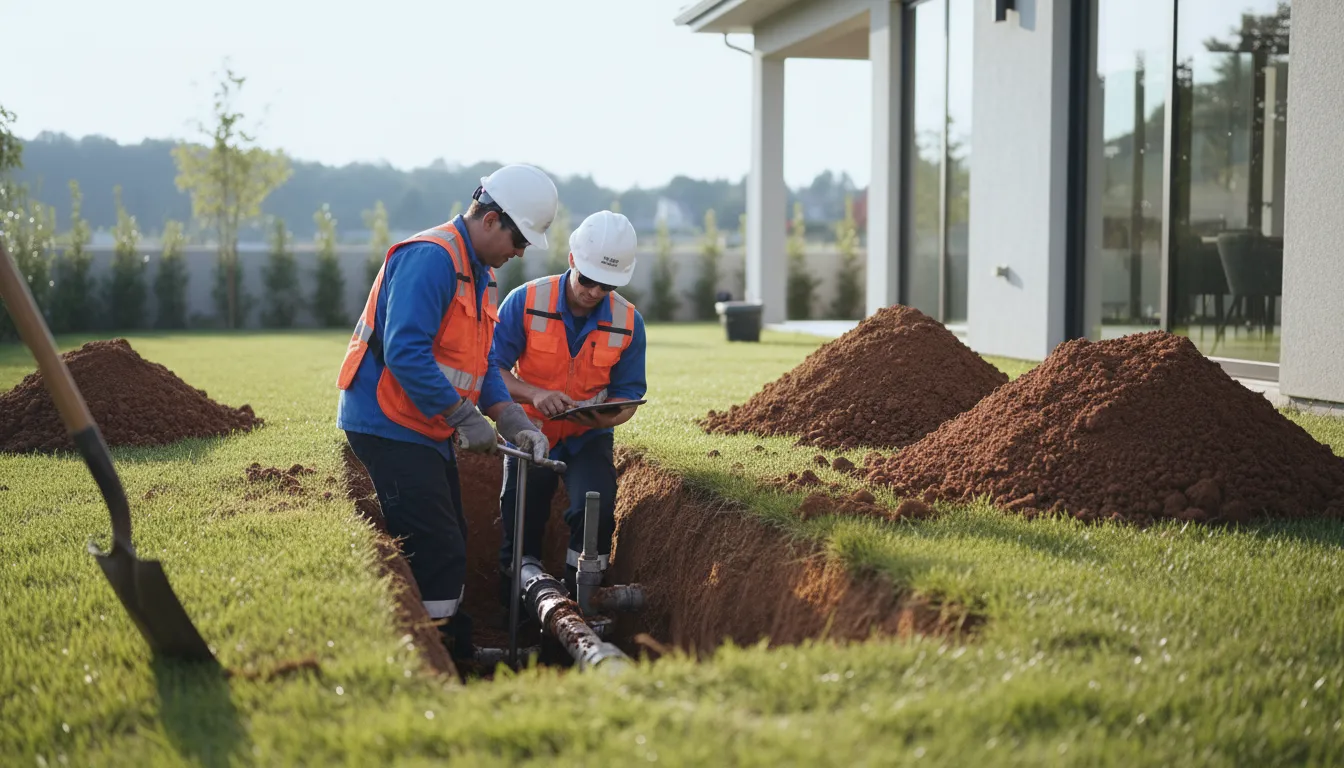
Find the Best Septic System Repair Companies for Your Business
No obligation • Fast responses • Nationwide coverage

Why you can trust Septic Spot
Septic Spot is a leading United States resource for understanding and comparing septic services. Our editors review providers using consistent criteria and verify key business details. Listings and scores are independent, and companies cannot pay to influence our content.
Search providers near you
Best Septic System Repair Companies in Arizona Ranked
A properly functioning septic system is essential for protecting your property, health, and Arizona's environment. When repairs are needed, navigating the state's specific regulations and finding a qualified professional is critical. This guide explains the key aspects of septic system repair in Arizona, from common issues and costs to the essential permitting process, helping you make informed decisions for your home.
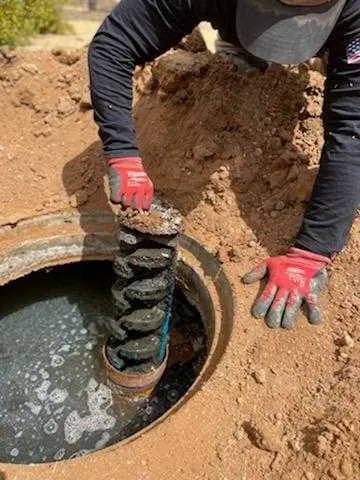
Macho Contracting
6424 E Greenway Pkwy #100, Scottsdale, AZ 85254
Macho Contracting is a family-owned plumbing and septic company serving Phoenix, AZ, and the surrounding Valley since 2016. They specialize in septic tank pumping, inspections, system repairs, and pump replacement services, with over 25 years of combined experience in onsite wastewater management. Their expertise includes handling underground systems, sewer line repairs, and complex septic system designs tailored to Arizona soil conditions. The company is fully licensed, NAWT-certified, and OSHA-trained, emphasizing safety and compliance in all projects.
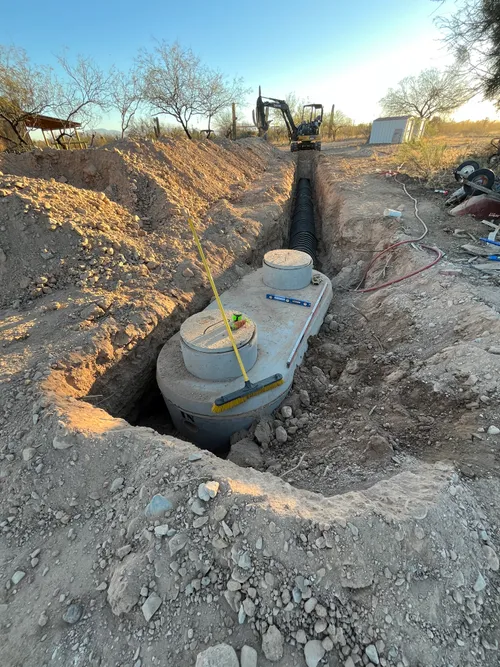
Fearless Contracting Inc. Septic Service
7502 S Placita De La Sombra, Tucson, AZ 85746
Fearless Contracting Inc. Septic Service is a family owned and operated business based in Tucson, AZ. They offer a wide range of septic system services including septic tank pumping, installation, inspection, and repair, as well as drain field repair and hydro jetting. The company serves Tucson and surrounding areas such as Catalina, Vail, Oro Valley, and Marana. With over 14 years of experience in the underground industry, Fearless Contracting provides 24/7 emergency service to meet various septic system needs.

88DRAIN
4377 S Sky High Pl a, Tucson, AZ 85730
88DRAIN is a septic tank and plumbing service provider based in Tucson, AZ. The company offers septic tank pumping, inspection, repair, installation, and drain field repair services. With over 44 years of experience serving Tucson and Pima County, 88DRAIN has recently joined the Rite Way family, expanding its service offerings to include heating, cooling, plumbing, and electrical work. This transition ensures continued comprehensive support for local customers with the same team and phone number.
Macho Contracting
1974 E Deer Valley Dr, Phoenix, AZ 85024
Macho Contracting is a family-owned plumbing and septic company based in Phoenix, AZ, serving the Valley and surrounding areas. They specialize in septic tank pumping, inspections, system repairs, and pump replacements, with over 25 years of experience in onsite wastewater management. Their services include handling underground systems, sewer line repairs, and complex septic system designs tailored to Arizona soil conditions. Since 2016, Macho Contracting has provided licensed and certified plumbing and septic solutions, including pump and lift station services, with a focus on innovative and quality workmanship.
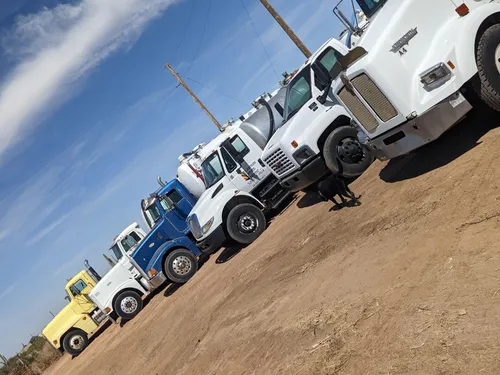
Canyon State Septic LLC
Phoenix, AZ
Canyon State Septic LLC is a septic service provider located in Phoenix, AZ. The company offers a range of services including septic tank pumping, inspections for certified transfer of ownership, installations, excavation, and septic pump repair or replacement. They hold certifications such as NAWT# 14870ITC and ADEQ# 2673, indicating compliance with industry standards.
Understanding Arizona's Septic System Regulations
Septic system repair in Arizona is governed by rules from the Arizona Department of Environmental Quality (ADEQ), but permitting and oversight are typically handled at the county level by local health departments. This means the specific requirements can vary between counties like Maricopa, Pima, Cochise, and Graham. The core goal of these regulations is to protect groundwater quality-a vital resource in Arizona-from contamination.
Before starting any significant repair work, you must determine if a permit is required. Minor repairs, such as replacing a clogged effluent filter or a section of pipe, may not need a permit. However, any repair that alters the system's treatment capacity, involves replacing the septic tank, or expands the drainfield will almost certainly require county approval and often an ADEQ General Permit. Starting work without the necessary permits can result in fines and complications if you sell your property.
Common Septic Repairs and Typical Costs
The scope and cost of a septic repair in Arizona can vary widely based on the problem, your soil conditions, and system type.
- Minor Repairs: Fixing a blocked effluent filter or a broken pipe typically ranges from $200 to $1,000.
- Pump or Line Replacement: Replacing a failed septic pump or major sewer lines can cost between $250 and $4,200.
- Tank Repair or Replacement: Repairing a cracked tank may be possible, but often a full replacement is necessary. Tank replacement alone can start around $3,000, but this price can increase significantly with excavation and permitting 1.
- Drainfield Repairs: This is often the most complex and costly repair. Partial drainfield repairs can run into the thousands, while a complete system replacement, which may be required if the drainfield has failed, can exceed $10,000 2. Costs escalate if alternative systems, like mound systems, are needed due to poor soil.
Find the perfect septic system repair companies for your needs
Get personalized recommendations and expert advice
The Permit Process for Repairs
Navigating the permit process is a crucial step for most non-minor repairs. The requirement is often triggered by changes that increase the system's design flow, such as adding a bedroom to your home 3.
- Initial Consultation: A licensed septic contractor will assess the problem and determine if a permit is needed. They can guide you on whether a standard repair is possible or if a more involved "Repair Review Application" with your county is required.
- Site Evaluation: If the repair involves the drainfield, a state-certified site evaluator will likely need to examine your property. They assess soil absorption capacity, depth to groundwater, and look for impermeable layers like caliche-a hardened calcium carbonate layer common in Arizona soils that can severely limit drainage.
- Permit Submission: Your contractor or evaluator will submit the required paperwork, which may include the ADEQ Type 4.02 General Permit for septic tank or dispersal system repairs 4 5. The local county health department reviews the application for compliance with setbacks (e.g., distance from wells, property lines) and design standards 6.
- Approval and Inspection: Once approved, repairs can proceed. The work must be inspected and approved by the county to close out the permit.
Soil and Site Limitations in Arizona
Arizona's arid environment presents unique challenges for septic systems. The key factor in any repair, especially those involving the drainfield, is the soil's ability to treat and absorb wastewater.
- Soil Percolation: County regulations often require a deep probe soil analysis, sometimes to a depth of 12 feet, to evaluate absorption rates and identify limiting layers 7.
- High Groundwater: In some areas, seasonal high groundwater tables can compromise a drainfield's function. Repairs in these zones may require engineered solutions.
- Caliche and Impermeable Layers: The presence of caliche or other hardpan layers close to the surface is a common issue. These layers prevent proper wastewater percolation, often necessitating the installation of an alternative system rather than a conventional repair 8.
- Setbacks: All repairs must adhere to strict setback distances from water wells (often 100 feet or more), property lines, buildings, and waterways as defined by your county's code 9.
Choosing a Qualified Repair Professional
Selecting the right contractor is vital for a compliant and lasting repair.
- Verify Licensing: Ensure the contractor is licensed by the Arizona Registrar of Contractors for septic system work.
- Check County Familiarity: Choose a professional with extensive experience pulling permits and performing repairs in your specific county. They will understand local inspectors and nuances in the code.
- Ask About Evaluators: For drainfield work, the contractor should work with a state-certified site evaluator. Ask for their credentials and examples of recent evaluations in your area.
- Get Detailed Estimates: A reputable contractor will provide a written estimate that breaks down costs for labor, materials, and permit fees. Be wary of quotes that seem unusually low.
Maintaining Your System to Avoid Major Repairs
Proactive maintenance is the most cost-effective "repair" strategy.
- Regular Pumping: Have your tank pumped every 3-5 years by a licensed pumper.
- Conserve Water: Spread out laundry loads and fix leaks to avoid hydraulically overloading the system.
- Mind What You Flush: Never flush chemicals, grease, wipes, or feminine hygiene products.
- Protect the Drainfield: Never drive or park vehicles over the drainfield, and keep roof drains and landscaping irrigation away from the area.
Understanding the regulatory landscape, typical costs, and technical challenges of septic repair in Arizona empowers you as a homeowner. By working with knowledgeable professionals and securing the proper permits, you can ensure your repair protects your investment and Arizona's precious water resources.
Frequently asked questions
Sources
Footnotes
-
HOMEOWNER'S MANUAL Septic Systems 101 - https://www.yavapaiaz.gov/files/sharedassets/public/development-and-permits/zoning-amp-planning/documents/homeownersepticmanual.pdf ↩
-
How Much Does Septic Tank Repair Cost? [2026 Data] | Angi - https://www.angi.com/articles/how-much-does-repairing-septic-tank-cost.htm ↩
-
Septic System Repairs: Guidelines and Limitations - Graham.az.gov - https://www.graham.az.gov/DocumentCenter/View/763/Septic-System-Repairs---Guidelines-and-Limitations-PDF ↩
-
WQD | Permit | OSWW Type 4.02 - 4.23 GP | ADEQ - http://azdeq.gov/wqd-permit-osww-type-402-423-gp ↩
-
Ariz. Admin. Code § R18-9-E302 - 4.02 General Permit: Septic Tank ... - https://www.law.cornell.edu/regulations/arizona/Ariz-Admin-Code-SS-R18-9-E302 ↩
-
Onsite Wastewater Treatment Facilities | Pima County, AZ - https://www.pima.gov/433/Onsite-Wastewater-Treatment-Facilities ↩
-
permit requirements for the installation of septic systems - https://www.graham.az.gov/DocumentCenter/View/758/Permit-Requirements-for-the-Installation-of-Septic-Systems-PDF ↩
-
Septic Systems - Cochise County - https://www.cochise.az.gov/898 ↩
-
Frequently Asked Questions - CivicPlus.CMS.FAQ - Maricopa County - https://www.maricopa.gov/2564/Onsite-Wastewater-Septic-Systems-FAQs ↩